 EN
EN

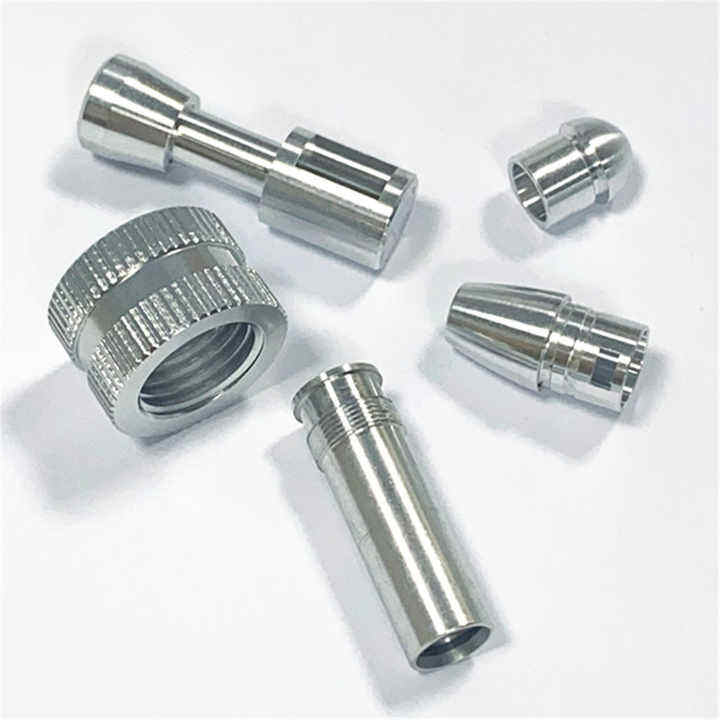
في البيئة الصناعية المعاصرة المتطلبة، تتطلب قطاعات الطيران والطب مكونات تلبي مواصفات ومعايير جودة صارمة للغاية. وقد برزت تقنية المعالجة المخصصة عالية الدقة باستخدام التحكم العددي بالحاسوب (CNC) كتكنولوجيا أساسية تمكن المصنعين من إنتاج أجزاء حرجة يمكنها تحمل الظروف القصوى مع الحفاظ على دقة الأبعاد المطلقة. وتجمع هذه الطريقة التصنيعية المتقدمة بين التشغيل الآلي الخاضع للتحكم الحاسوبي، والأدوات المتخصصة، والبرمجة الاحترافية لتوفير مكونات لا يمكن تحقيقها ببساطة باستخدام الأساليب التقليدية. ونظراً للمتانة والدقة التي تتطلبها تطبيقات الطيران والأجهزة الطبية الحيوية، فإن المعالجة المخصصة عالية الدقة باستخدام التحكم العددي بالحاسوب ليست مجرد خيار مفيد، بل ضرورة مطلقة للنجاح في هذين القطاعين.
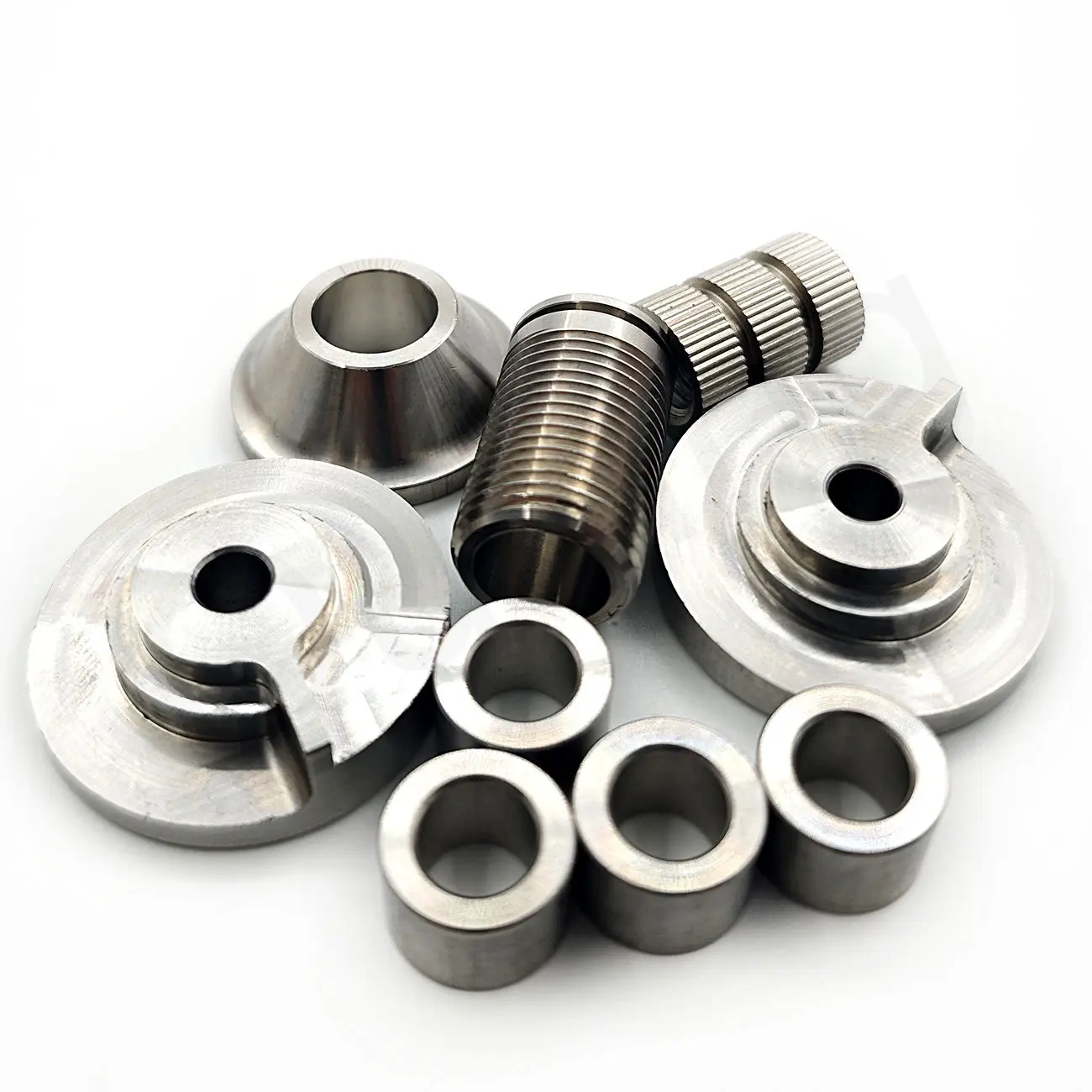
المتطلبات الحرجة لمكونات الطيران
تحمل الظروف البيئية القصوى
يجب أن تعمل مكونات الفضاء الجوي بشكل لا تشوبه شائبة في بيئات تدمّر المكونات التقليدية خلال دقائق. تتسبب التقلبات الحرارية التي تتراوح بين -65°ف إلى أكثر من 2000°ف، والتغيرات الشديدة في الضغط، والاهتزاز المستمر، في ظروف تتطلب سلامة استثنائية للمواد واستقراراً أبعادياً دقيقاً. يمكّن التصنيع المخصص عالي الدقة باستخدام الحاسوب (CNC) المصانع من التعامل مع سبائك الفضاء الجوي المتخصصة مثل إنكونيل والتитانيوم والمركبات المتطورة التي تمتلك الخصائص الحرارية والميكانيكية الضرورية. ويضمن التحكم الدقيق الذي توفره أنظمة CNC الحديثة أن تُصنع هذه المواد الصعبة وفق مواصفات دقيقة تمامًا مع الحفاظ على خصائصها المعدنية الحرجة.
يجب أن يأخذ عملية الت manufacturing بعين الاعتبار معاملات التتوسع الحراري، وتتركز الإجهادات، وخصائص مقاومة الت-fatigue التي تكون فريدة لكل تطبيق طيران جوي. يتضمن البرمجة المتقدمة لـ CNC خوارزميات التعويض التي تضبط معايير القطع في الوقت الفعلي للحفاظ على الدقة الأبعادية حتى مع ت fluctuation درجات حرارة القطعة أثناء التشغيل. لا يمكن تحقيق هذا المستوى من الت تحكم المتطور من خلال طرق الت manufacturing التقليدية، ويشكل متطلباً أساسياً لإنتاج مكونات الطيران الجوي.
معايير الأداء الحرجة للسلامة
يمثل كل مكون طيران جوي نقطة فشل محتملة قد تؤدي إلى عواقب كارثية. تدفع هذه الحقيقة التالتزام الثابت من جانب الصناعة بمعايير الت تصنيع الخالية من العيوب، والتي يمكن تحقيقها فقط من خلال التشغيل المخصص عالي الدقة باستخدام CNC . يوفر التحكم الإحصائي في العمليات المدمج ضمن عمليات التحكم الرقمي بالكمبيوتر (CNC) مراقبة فورية للأبعاد الحرجة، ونهايات الأسطح، والتسامحات الهندسية طوال عملية التصنيع. تتيح هذه الملاحظات المستمرة للمشغلين إجراء تعديلات فورية قبل أن يؤدي أي انحراف إلى التأثير على جودة القطعة.
تتطلب متطلبات التتبع في تصنيع الطائرات توثيقًا كاملاً لكل معلمة تشغيل، وتغيير أداة، وقياس للجودة بالنسبة لكل مكون. تقوم أنظمة التحكم العددي الحاسوبية الحديثة بإنشاء هذا التوثيق تلقائيًا، وفي الوقت نفسه تضمن أن كل قطعة تفي بالمتطلبات المحددة أو تفوقها. إن القدرة على إعادة إنتاج أجزاء مماثلة بجودة متسقة عبر عمليات إنتاج متعددة أمر ضروري للحفاظ على شهادات الصلاحية للطيران ومعايير السلامة التشغيلية.
متطلبات تصنيع الأجهزة الطبية
التوافق الحيوي وجودة السطح
يجب أن تتمتع الأجهزة الطبية التي تتصل بالأنسجة البشرية بخصائص سطحية تعزز الشفاء وتحventing الالتصاق البكتيري والاستجابات الالتهابية. ويُحقق التشغيل المخصص عالي الدقة باستخدام الحاسوب (CNC) تشطيبات سطحية ناعمة للغاية مطلوبة للأجهزة القابلة للزراعة من خلال معايير قطع مضبوطة بدقة وهندسة أدوات خاصة. وتُسجل مقاييس خشونة السطح ما دون 0.1 Ra بشكل روتيني على الأسطح الحرجة التي ستتصل بالسوائل الجسدية أو واجهات الأنسجة.
إن التحكم الدقيق المتأصل في ماكينات التصنيع باستخدام الحاسب (CNC) يُزيل العيوب السطحية المجهرية التي قد تشكل مراكز تركيز إجهاد أو مواقع تلوث داخل جسم الإنسان. وتدمج تقنيات البرمجة المتقدمة خوارزميات لتحسين مسار الأداة تقلل من علامات الأداة وتحافظ على جودة سطحية متسقة عبر هندسات ثلاثية الأبعاد معقدة. ويكتسب هذا المستوى من التحكم السطحي أهمية بالغة في الأجهزة القلبية الوعائية، والغرسات العظمية، والأدوات الجراحية، حيث يمكن أن تُعرّض العيوب السطحية نتائج المريض للخطر.
الدقة البعدية لأداء وظيفي
غالبًا ما تتضمن الأجهزة الطبية ميزات تقاس بالمايكرون، حيث يمكن أن تؤثر التغيرات البعدية حتى بأجزاء من ألف بوصة تأثيرًا كبيرًا على وظيفة الجهاز وسلامة المريض. تحافظ عمليات المعالجة المخصصة عالية الدقة باستخدام الحاسب العددي (CNC) بشكل روتيني على تحملات ضمن ±0.0001 بوصة عبر هندسات معقدة يتعذر تحقيقها من خلال الأساليب التصنيعية التقليدية. تتيح هذه الدقة الاستثنائية إنتاج مكونات صغيرة الحجم للأجهزة الجراحية غير الغازية وأنظمة توصيل الأدوية الدقيقة.
تُعد خصائص التكرارية في التشغيل باستخدام الحاسب الآلي (CNC) ضمانًا لثبات الأبعاد الحرجة عبر دفعات الإنتاج بأكملها، مما يلغي التباين الذي قد يؤثر على أداء الجهاز في التطبيقات السريرية. وتوفر أنظمة القياس المتطورة والمدمجة في مراكز التشغيل باستخدام الحاسب الآلي تغذيةً راجعة فورية حول الدقة البعدية، مما يسمح بإجراء تعديلات على العملية في الوقت الفعلي للحفاظ على معايير الجودة طوال فترات الإنتاج الطويلة. هذه القدرة ضرورية للوفاء بمتطلبات التحقق من قبل إدارة الغذاء والدواء (FDA) ولضمان أداء متسق للأجهزة في الأسواق العالمية.
قدرات المواد والسبائك المتخصصة
المواد المتقدمة للصناعات الجوية والفضائية
دفعت المتطلبات الفريدة للمواد في تطبيقات الطيران والفضاء إلى تطوير سبائك غريبة تجمع بين نسب استثنائية للقوة إلى الوزن مع مقاومة ممتازة للتآكل والاستقرار الحراري. وقد تطورت عمليات المعالجة المخصصة عالية الدقة باستخدام التحكم الرقمي بالحاسوب (CNC) لاستيعاب هذه المواد الصعبة من خلال أدوات قطع متخصصة، ومعايير تشغيل مُحسّنة، وأنظمة عمل متقدمة. وتتطلب سبائك التيتانيوم، التي توفر مقاومة ممتازة للتآكل وتوافقًا حيويًا عاليًا، تحكمًا دقيقًا في سرعات القطع والتغذية لمنع التصلب أثناء التشغيل والحفاظ على الدقة الأبعادية.
تُشكل سبائك إنكونيل والنيكل الأخرى فائقة المتانة تحديات فريدة بسبب ميلها للتصليد بالتشوه بسرعة كبيرة وتكوين حرارة زائدة أثناء عمليات التشغيل. ويتعامل التصنيع المخصص عالي الدقة باستخدام الحاسب (CNC) مع هذه التحديات من خلال برمجيات متطورة تتضمن معايير قطع متغيرة، واستراتيجيات تبريد متقدمة، وأدوات خاصة مصممة خصيصاً للمواد الصعبة التشغيل. ويمثل القدرة على تشغيل هذه المواد بنجاح مع الحفاظ على تحملات ضيقة قدرة حاسمة تميز عمليات CNC الدقيقة عن الأساليب التقليدية للتصنيع.
معالجة المواد الطبية الدرجة
يتطلب تصنيع الأجهزة الطبية مواد تتميز ليس فقط بخصائص ميكانيكية استثنائية، ولكن أيضًا بتوافق حيوي مثبت واستقرار طويل الأمد في البيئات البيولوجية. توفر سبائك الفولاذ المقاوم للصدأ مثل 316LVM و17-4PH مقاومة ممتازة للتآكل وقوة ميكانيكية عالية للأدوات الجراحية والأجهزة القابلة للزراعة. يتطلب التصنيع المخصص عالي الدقة باستخدام الحاسب الآلي لهذه المواد اهتمامًا دقيقًا بإدارة الحرارة المتولدة والإجهاد المتبقي للحفاظ على خصائصها المعدنية الحرجة.
تمثل سبائك التيتانيوم، ولا سيما Ti-6Al-4V ELI، المعيار الذهبي للزرعات العظمية بسبب خصائصها الاستثنائية من حيث التوافق الحيوي والدمج العظمي. يتطلب تصنيع التيتانيوم الطبي أدوات قطع متخصصة وبارامترات مُحسّنة لتحقيق درجة النعومة السطحية والدقة الأبعادية المطلوبة للزراعة الناجحة. ويُدخِل البرمجة المتقدمة للتحكم العددي بالحاسوب تقنيات التفريز الصاعد ومسارات الأدوات المُحسّنة التي تقلل من التصلب الناتج عن التشغيل مع تحقيق الهندسات الدقيقة المطلوبة لأداء زراعي مثالي.
ضمان الجودة ومعايير التصديق
أنظمة إدارة جودة الطيران والفضاء
تعمل صناعة الطيران والفضاء وفقًا لبعض أنظمة إدارة الجودة الأكثر صرامة في الإنتاج الصناعي، حيث يُعد الحصول على شهادة AS9100 الحد الأدنى المطلوب للتأهيل كمورد. يجب أن تُظهر عمليات التشغيل الخاصة بالمعالجة المخصصة عالية الدقة باستخدام التحكم الرقمي بالحاسوب (CNC) الامتثال لهذه المعايير الشاملة للجودة من خلال إجراءات موثقة، ومراقبة إحصائية للعمليات، ومبادرات للتحسين المستمر. ويجب التحكم في كل جانب من جوانب عملية التصنيع، بدءًا من فحص المواد الواردة وصولاً إلى تسليم القطعة النهائية، وتوثيقه وفقًا لمعايير جودة صناعة الطيران والفضاء.
يتيح دمج أنظمة ضمان الجودة مع عمليات التحكم العددي بالحاسوب (CNC) المراقبة الفورية للمعلمات الحرجة في العمليات، والتوثيق التلقائي لبيانات الجودة لكل مكون يتم تصنيعه. وتشتمل أنظمة CNC المتقدمة على حلقات تغذية راجعة تقوم تلقائيًا بتعديل معايير التشغيل عندما تشير قياسات الجودة إلى احتمال حدوث انحرافات عن متطلبات المواصفات. ويضمن هذا النهج الاستباقي للتحكم في الجودة اكتشاف القطع غير المطابقة وإجراء التصحيحات اللازمة قبل أن تؤثر على جداول الإنتاج أو تسليم الطلبات للعملاء.
الامتثال التنظيمي للأجهزة الطبية
يجب أن تتوافق صناعة الأجهزة الطبية مع متطلبات نظام إدارة الجودة (QSR) التابع لإدارة الغذاء والدواء (FDA)، والتي تفرض التحقق الشامل من جميع عمليات وتجهيزات التصنيع. ويجب على عمليات المعالجة المخصصة عالية الدقة باستخدام الحاسب الآلي (CNC) التي تخدم الأسواق الطبية أن تُظهر التحقق من العمليات من خلال توثيق واسع النطاق لقدرات الآلات، ومؤهلات المشغلين، والأدلة الإحصائية لضبط العمليات. ويشمل عملية التحقق مراحل التأهيل التثبيتي (IQ)، والتأهيل التشغيلي (OQ)، والتأهيل الأداءي (PQ)، والتي تؤكد أداء النظام في ظل ظروف إنتاج فعلية.
تمتد متطلبات إمكانية التتبع للأجهزة الطبية لما هو أبعد من التعريف الأساسي للمكونات، لتشمل النسب الكامل لجميع المواد والعمليات والأشخاص المتورطين في تصنيع المكونات. تقوم أنظمة CNC الحديثة تلقائيًا بجمع هذه المعلومات من خلال أنظمة متكاملة لجمع البيانات تربط أرقام السلسلة الخاصة بالقطع بسجلات مفصلة لتاريخ العمليات. وتتيح إمكانية التتبع الشاملة هذه استجابة سريعة لأي مشكلات في الجودة قد تنشأ أثناء الاستخدام السريري، وتدعم متطلبات الإبلاغ التنظيمي طوال دورة حياة الجهاز.
دمج التكنولوجيا والقدرات المتقدمة
مزايا التشغيل متعدد المحاور
غالبًا ما تتجاوز الهندسات المعقدة المطلوبة لمكونات الطيران والطب القدرات التي توفرها مراكز التشغيل التقليدية ذات المحاور الثلاثة، مما يستدعي استخدام معدات CNC متقدمة متعددة المحاور. وتتيح مراكز التشغيل ذات المحور الخمس أو حتى السبعة إمكانية إنتاج ميزات معقدة في إعداد واحد فقط، مما يلغي فقدان الدقة ويزيد من وقت الدورة المرتبط بتعدد أوضاع تثبيت القطعة. ويستخدم التصنيع المخصص عالي الدقة لـ CNC هذه القدرات المتقدمة للحفاظ على تحملات ضيقة عبر أسطح ثلاثية الأبعاد معقدة لا يمكن تحقيقها من خلال الأساليب التقليدية للتشغيل.
يتيح التصنيع المتعدد المحاور في الوقت نفسه إنتاج أجزاء ذات تجاويف سفلية، وتجاويف عميقة، وزوايا مركبة، وهي شائعة في مكونات توربينات الطيران والغرسات الطبية. إن القدرة على الحفاظ على اتصال أداة القطع باستمرار مع قطعة العمل طوال هذه العمليات المعقدة يؤدي إلى تشطيبات سطحية متفوقة ودقة أبعاد أفضل مقارنةً باستراتيجيات التصنيع التقليدية المُتداخلة. وتُعد هذه القدرة ذات قيمة كبيرة خاصةً في إنتاج مكونات كتلية واحدة تحل محل عدة أجزاء مجمعة، مما يقلل الوزن ويحسن الموثوقية في التطبيقات الحرجة.
أدوات متقدمة واستراتيجيات قطع متطورة
وقد دفعت الخصائص المادية المتطلبة ومتطلبات الدقة للمكونات الجوية والطبية إلى تقدم كبير في تكنولوجيا أدوات القطع واستراتيجيات التصنيع. تتضمن المعالجة المخصصة عالية الدقة CNC أدوات الكربيد المقوى المتخصصة ، وقطع الماس البولي كريستالين ، وإدراجات السيراميك المُحسّنة لمجموعات المواد المحددة ومتطلبات التطبيق. أنظمة مراقبة عمر الأداة المتكاملة مع أجهزة التحكم بالتنظيم الآلي تتبع أداء أداة القطع وتجدول عمليات الاستبدال قبل أن يؤدي الارتداء إلى تعريض جودة الجزء للخطر.
تتيح استراتيجيات البرمجة المتقدمة مثل التشغيل عالي السرعة، والتفريغ التكيفي، والطحن الحلزوني إزالة فعالة للمواد مع الحفاظ على الدقة المطلوبة للتطبيقات الحرجة في قطاعات الطيران والطب. وتُحسِّن هذه التقنيات المتطورة من معايير القطع في الوقت الفعلي بناءً على ظروف القطع الفعلية، مما يؤدي إلى تحسين تشطيب الأسطح، وزيادة عمر الأدوات، وتقليل أوقات الدورات. ويمثل دمج هذه القدرات المتقدمة ضمن عمليات المعالجة المخصصة عالية الدقة ميزة تنافسية أساسية للمصنّعين الذين يخدمون هذه الأسواق الصعبة.
الاعتبارات المتعلقة بالتكاليف والقيمة المقدمة
تحليل التكلفة الإجمالية للملكية
على الرغم من أن المعالجة المخصصة عالية الدقة باستخدام الحاسب الرقمي (CNC) تتطلب استثمارًا كبيرًا في معدات متقدمة وأدوات متخصصة، فإن تحليل تكلفة الملكية الإجمالية يكشف عن مزايا كبيرة مقارنة بالأساليب البديلة للتصنيع. حيث يؤدي إلغاء الأدوات والمقاييس المكلفة والعمليات الثانوية من خلال التشغيل في ت_SETUP واحد إلى تقليل التكاليف المباشرة والمخاطر المرتبطة بالجودة الناتجة عن التعامل مع القطع وإعادة وضعها. وتعمل أنظمة CNC المتقدمة بتدخل بشري محدود للغاية، مما يقلل تكاليف العمالة مع تحسين الاتساق ونتائج الجودة.
يؤدي تقليل الهالك من خلال المعالجة المخصصة عالية الدقة باستخدام الحاسب العددي (CNC) إلى تحقيق وفورات كبيرة في التكاليف عند العمل مع مواد الطيران والطب الباهظة الثمن. وتتيح قدرات التحكم الإحصائي في العمليات المدمجة في أنظمة CNC الحديثة تحديد المشكلات المحتملة في الجودة قبل أن تؤدي إلى رفض القطع، مما يحافظ على الاستثمارات القيّمة في المواد ويُبقي جداول الإنتاج على المسار الصحيح. وتُعد هذه الطريقة الاستباقية في إدارة الجودة ذات قيمة خاصة عند معالجة التيتانيوم، وإنكونيل، وسلاسل مميزة أخرى حيث يمكن أن تمثل تكاليف المواد جزءًا كبيرًا من التكلفة الكلية للقطعة.
تكامل الخدمات ذات القيمة المضافة
غالبًا ما توفر عمليات المعالجة المخصصة عالية الدقة باستخدام التحكم الرقمي بالحاسوب (CNC) خدمات قيمة مضافة شاملة تمتد لما بعد قدرات التشغيل الأساسية لتشمل استشارات في تصميم القابلية للتصنيع، وتوجيهات في اختيار المواد، وخدمات إدارة سلسلة التوريد. تمكن هذه القدرات المتكاملة العملاء من تحسين تصاميم منتجاتهم من حيث كفاءة التصنيع، مع ضمان الامتثال للمتطلبات الصناعية الخاصة بالجودة واللوائح التنظيمية. كما توفر الخبرة المكتسبة من تطبيقات التشغيل الدقيقة رؤى قيّمة يمكن أن تقلل من تكاليف التطوير وتسريع عملية إدخال المنتجات الجديدة إلى السوق.
توفر عمليات CNC المتقدمة أيضًا خدمات متخصصة مثل الفحص أثناء العملية، والتحقق باستخدام آلة قياس الإحداثيات، وإعداد تقارير التحكم الإحصائي في العمليات التي تدعم متطلبات ضمان جودة العملاء. تُلغي هذه القدرات الحاجة للعملاء للاستثمار في معدات قياس باهظة الثمن، مع توفير الوثائق والإمكانية للتتبع المطلوبة للتطبيقات الجوية والطبية. يؤدي دمج هذه الخدمات داخل عمليات المعالجة المخصصة عالية الدقة إلى خلق قيمة كبيرة للعملاء، فضلاً عن تمييز مزودي الخدمة في الأسواق التنافسية.
الاتجاهات المستقبلية وتطور التكنولوجيا
تكامل الصناعة 4.0
تواصل تطور عمليات المعالجة المخصصة عالية الدقة باستخدام الحاسب الرقمي (CNC) دمج تقنيات الصناعة 4.0 التي تعزز كفاءة التصنيع وجودته وقابلية التتبع. تقوم أجهزة استشعار الإنترنت للأشياء المدمجة في جميع أنحاء آلات CNC بجمع بيانات في الوقت الفعلي حول قوى القطع، ومستويات الاهتزاز، والتغيرات الحرارية، وأنماط تآكل الأدوات، مما يمكّن من استراتيجيات الصيانة التنبؤية وتحسين العمليات. تقوم خوارزميات التعلم الآلي بتحليل هذه البيانات لتحديد الأنماط المرتبطة بنتائج الجودة، ما يتيح تحسينًا مستمرًا لمعايير التشغيل واستراتيجيات اختيار الأدوات.
تتيح أنظمة تنفيذ التصنيع المستندة إلى الحوسبة السحابية المراقبة والتحكم عن بُعد في عمليات المعالجة المخصصة عالية الدقة باستخدام التحكم العددي بالكمبيوتر (CNC)، حيث توفر للعملاء رؤية فورية لحالة الإنتاج ومقاييس الجودة. ويدعم هذا الشفافية العلاقات التعاونية بين مصنّعي القطع وعملائهم، كما يمكّن من الاستجابة السريعة للتغيرات في المتطلبات أو مشكلات الجودة. واستمرار دمج القدرات المستندة إلى الذكاء الاصطناعي وتعلّم الآلة يعزز باستمرار دقة وكفاءة عمليات التحكم العددي بالكمبيوتر (CNC) التي تخدم قطاعي الطيران والفضاء والرعاية الصحية.
التطبيقات الناشئة ونمو السوق
تواصل التطبيقات المتزايدة للتشغيل المخصص عالي الدقة باستخدام الحاسوب (CNC) دفع نمو السوق، حيث تخلق التقنيات الجديدة طلبًا على مكونات أكثر تطورًا بشكل متزايد. وتحتاج التطبيقات الناشئة في استكشاف الفضاء وأنظمة الدفع المتقدمة والأجهزة الطبية من الجيل التالي إلى إمكانات تصنيعية تمتد إلى حدود تقنيات الدقة والمعالجة الحالية للمواد. ويؤدي تطوير مواد جديدة مثل المواد المركبة ذات أساس سيراميكي والسبائك المتقدمة من التيتانيوم إلى ظهور تحديات وفرص جديدة لعمليات التشغيل عالي الدقة.
تُدمج تقنيات التصنيع الإضافي بشكل متزايد مع المعالجة المخصصة عالية الدقة باستخدام الحاسب العددي (CNC) لإنشاء سير عمل تصنيع هجين يجمع بين حرية التصميم في الطباعة ثلاثية الأبعاد والدقة وجودة السطح في التشغيل الآلي باستخدام الحاسب العددي. ويتيح هذا الدمج إمكانية إنتاج هندسات داخلية معقدة من خلال العمليات الإضافية، تليها عمليات تشغيل دقيقة للأسطح والميزات الحرجة. وتمثل هذه الأساليب الهجينة التطور المستقبلي للتصنيع في التطبيقات الجوية والطبية التي تتطلب كلًا من التعقيد الهندسي والدقة البعدية.
الأسئلة الشائعة
ما هي التحملات التي يمكن تحقيقها باستخدام المعالجة المخصصة عالية الدقة باستخدام الحاسب العددي (CNC) للأجزاء الجوية والطبية؟
يُ log إنجاز المعالجة المخصصة بدقة عالية باستخدام الحاسب (CNC) ضمن تolerances ±0.0001 بوصة (±0.0025 مم) على الأبعاد الحرجة لمكونات الطيران والطبية. يمكن للمراكز المتقدمة للتشغيل ذات خمس محاور والمجهزة بمحورات دقيقة وأنظمة تحكم بيئية الحفاظ على تolerances أضيق عند الحاجة لتطبيقات معينة. تعتمد القدرة الفعلية للتolerance على هندسة الجزء وخصائص المادة ومتطلبات المعالجة المحددة، ولكن الأنظمة الحديثة لـ CNC توفر باستمرار الدقة المطلوبة للتطبيقات الحرجة في مجالات الطيران والطبية.
ما المواد التي تُعالج عادة باستخدام الحاسب (CNC) بدقة عالية للتطبيقات الجوية والطبية؟
تشمل المواد الشائعة سبائك التيتانيوم (Ti-6Al-4V، Ti-6Al-4V ELI)، وأنواع الفولاذ المقاوم للصدأ (316L، 17-4PH، Custom 465)، وإنكونيل وسبائك النيكل الفائقة الأخرى، وسبائك الألومنيوم (7075، 2024، 6061)، بالإضافة إلى بوليمرات طبية متخصصة. وتتطلب كل مادة معايير قطع مُحسّنة، وأدوات متخصصة، واستراتيجيات تشغيل محددة لتحقيق التشطيبات السطحية والدقة الأبعادية المطلوبة في التطبيقات الجوية والطبية. وقد تطورت عمليات المعالجة المخصصة عالية الدقة باستخدام الحاسب الرقمي (CNC) لتشمل بنجاح تشغيل هذه المواد الصعبة مع الحفاظ على معايير الجودة المطلوبة في التطبيقات الحرجة.
كيف تضمن عمليات المعالجة المخصصة عالية الدقة باستخدام الحاسب الرقمي (CNC) إمكانية التتبع للمكونات المستخدمة في مجالات الطيران والطب؟
تقوم أنظمة التحكم الرقمي بالكمبيوتر (CNC) الحديثة تلقائيًا بجمع بيانات شاملة عن العمليات، بما في ذلك شهادات المواد، ومعايير القطع، واستخدام الأدوات، وهوية المشغل، ومقاييس الجودة لكل مكون يتم تصنيعه. ترتبط هذه البيانات بأرقام تسلسلية فريدة لكل قطعة وتُخزَّن في أنظمة إدارة الجودة التي تدعم إمكانية التتبع الكامل طوال دورة حياة المكون. ويؤدي جمع البيانات الآلي إلى القضاء على أخطاء النسخ، مع ضمان الوفاء بجميع متطلبات تتبع الجهات التنظيمية والعملاء دون الحاجة إلى تدخل يدوي.
ما هي شهادات الجودة المطلوبة للعمليات الدقيقة العالية باستخدام التحكم الرقمي بالكمبيوتر (CNC) التي تخدم أسواق الطيران والفضاء والرعاية الصحية؟
تتطلب التطبيقات الجوية والفضائية عادةً شهادة AS9100 إلى جانب موافقات عملاء محددة مثل بوينغ أو إيرباص أو المواصفات الحكومية. ويتطلب تصنيع الأجهاز الطبية شهادة ISO 13485 وتسجيل في إدارة الأغذية والعقاقات (FDA) للعمليات التي تخدم الأسواق الأمريكية. قد تكون هناك حاجة لشهادات إضافية مثل NADCAP للعمليات الخاصة ومواصفات الجودة الدولية المختلفة، وذلك اعتمادًا على متطلبات العملاء والتطبيقات المحددة. ويجب على عمليات المعالجة المخصصة عالية الدقة باستخدام الحاسب العددي الت numerically controlled (CNC) الحفاظ على هذه الشهادات من خلال تراجعات منتظمة والامتثال المستمر لأنظمة إدارة الجودة الموثقة.
جدول المحتويات
- المتطلبات الحرجة لمكونات الطيران
- متطلبات تصنيع الأجهزة الطبية
- قدرات المواد والسبائك المتخصصة
- ضمان الجودة ومعايير التصديق
- دمج التكنولوجيا والقدرات المتقدمة
- الاعتبارات المتعلقة بالتكاليف والقيمة المقدمة
- الاتجاهات المستقبلية وتطور التكنولوجيا
-
الأسئلة الشائعة
- ما هي التحملات التي يمكن تحقيقها باستخدام المعالجة المخصصة عالية الدقة باستخدام الحاسب العددي (CNC) للأجزاء الجوية والطبية؟
- ما المواد التي تُعالج عادة باستخدام الحاسب (CNC) بدقة عالية للتطبيقات الجوية والطبية؟
- كيف تضمن عمليات المعالجة المخصصة عالية الدقة باستخدام الحاسب الرقمي (CNC) إمكانية التتبع للمكونات المستخدمة في مجالات الطيران والطب؟
- ما هي شهادات الجودة المطلوبة للعمليات الدقيقة العالية باستخدام التحكم الرقمي بالكمبيوتر (CNC) التي تخدم أسواق الطيران والفضاء والرعاية الصحية؟