
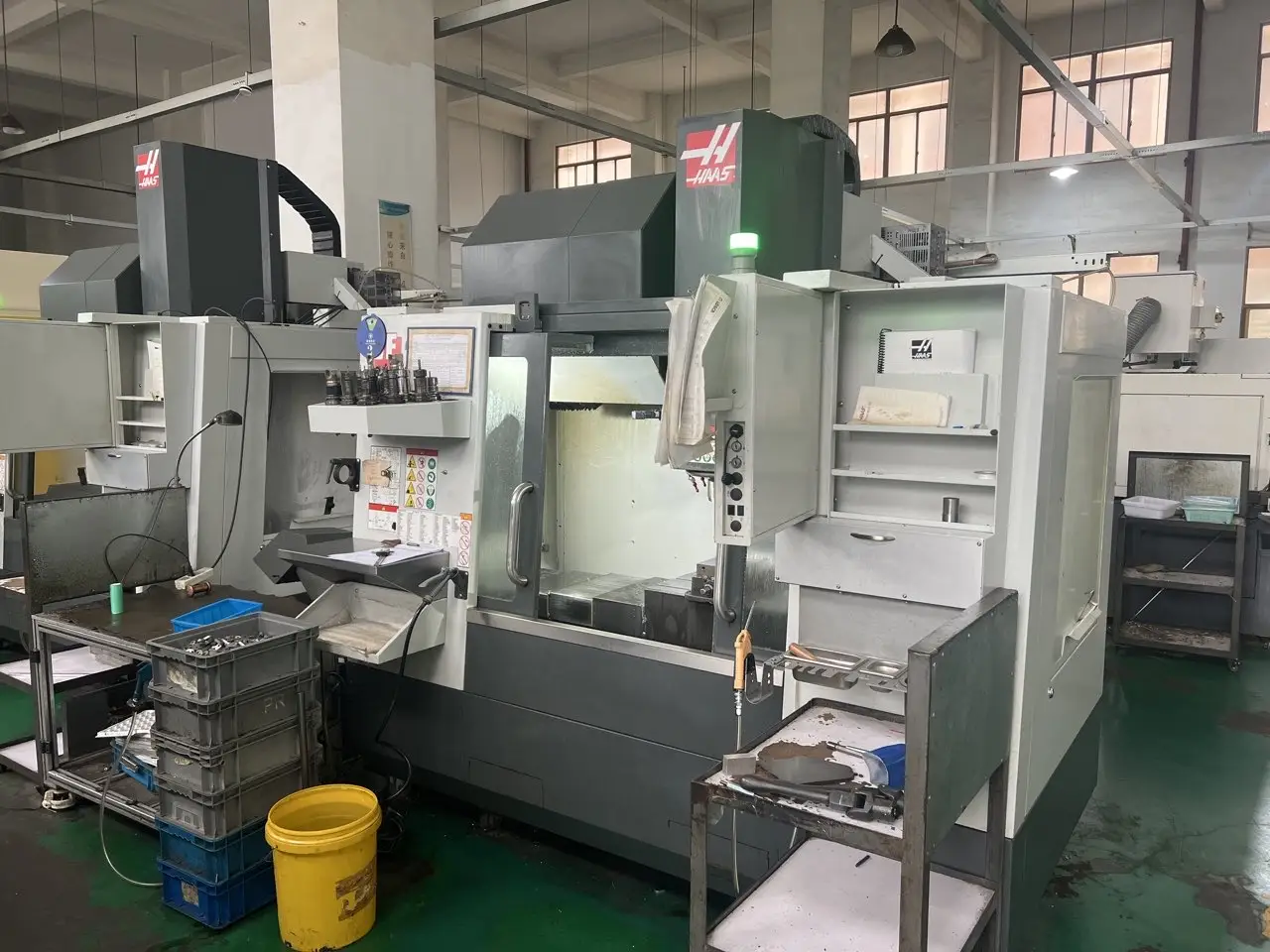
A CNC cutting sheet represents a revolutionary advancement in precision manufacturing technology, serving as the foundation for automated material processing across diverse industrial sectors. This sophisticated system combines computer numerical control technology with high-performance cutting mechanisms to deliver unparalleled accuracy and efficiency in sheet material processing. The CNC cutting sheet operates through a digitally controlled interface that translates computer-aided design files into precise cutting instructions, enabling manufacturers to achieve consistent, repeatable results with minimal human intervention. The core functionality revolves around automated tool path generation, where sophisticated software calculates optimal cutting sequences to maximize material utilization while maintaining dimensional accuracy. Modern CNC cutting sheet systems incorporate advanced servo motors, linear guides, and feedback systems that work in harmony to position cutting tools with micron-level precision. The technological architecture includes robust control units equipped with powerful processors capable of handling complex geometric calculations in real-time, ensuring smooth operation even with intricate cutting patterns. These systems support multiple cutting technologies including plasma, laser, waterjet, and mechanical cutting methods, making them versatile solutions for various material types and thicknesses. The integration of sensor technology allows for real-time monitoring of cutting parameters, automatically adjusting speed, feed rates, and cutting depth to compensate for material variations. Contemporary CNC cutting sheet systems feature intuitive human-machine interfaces that simplify operation while providing comprehensive control over cutting parameters. The application scope spans automotive manufacturing, aerospace components, architectural metalwork, signage production, and custom fabrication services, demonstrating the versatility and adaptability of this technology in meeting diverse industrial requirements.
The CNC cutting sheet delivers exceptional precision that transforms manufacturing operations by eliminating human error and ensuring consistent quality across every project. This technology produces cuts with tolerances as tight as plus or minus 0.001 inches, enabling manufacturers to meet the most demanding specifications without costly rework or material waste. The automated nature of CNC cutting sheet systems dramatically reduces labor costs by minimizing the need for skilled operators while simultaneously increasing production capacity through continuous operation capabilities. Manufacturing facilities can operate these systems around the clock with minimal supervision, maximizing return on investment and meeting tight delivery schedules that would be impossible with manual cutting methods. The versatility of CNC cutting sheet technology allows businesses to handle diverse materials including steel, aluminum, stainless steel, plastics, composites, and exotic alloys without requiring separate equipment investments. This multi-material capability streamlines operations and reduces facility footprint requirements while expanding service offerings to attract broader customer bases. Advanced nesting software integrated with CNC cutting sheet systems optimizes material usage by automatically arranging parts to minimize waste, resulting in material savings that can reach up to thirty percent compared to manual cutting methods. The speed advantages are substantial, with modern systems completing complex cutting operations in fractions of the time required by traditional methods, enabling rapid prototyping and short-run production that keeps businesses competitive in fast-paced markets. Quality consistency represents another crucial advantage, as CNC cutting sheet systems eliminate variations caused by operator fatigue, skill differences, or environmental factors that typically affect manual operations. The technology provides complete traceability through digital documentation of cutting parameters, material specifications, and quality measurements, supporting quality assurance protocols and regulatory compliance requirements. Environmental benefits include reduced material waste, lower energy consumption per part produced, and elimination of consumable templates or fixtures typically required for manual cutting operations. The scalability of CNC cutting sheet systems allows businesses to expand production capacity without proportional increases in labor costs, supporting growth strategies while maintaining profit margins.
Unmatched Precision and Repeatability
The precision capabilities of CNC cutting sheet technology represent a quantum leap forward in manufacturing accuracy, delivering dimensional tolerances that were previously achievable only through expensive secondary machining operations. This exceptional precision stems from the integration of high-resolution encoder systems, precision linear guides, and advanced servo control technology that work together to position cutting tools with sub-millimeter accuracy throughout the entire cutting process. The closed-loop feedback systems continuously monitor and adjust tool position, compensating for mechanical wear, thermal expansion, and material variations that could otherwise compromise cutting accuracy. This level of precision consistency enables manufacturers to produce parts that fit together perfectly in assembly operations, eliminating the need for manual adjustment or rework that adds cost and delays to production schedules. The repeatability aspect ensures that every part cut from the same program will be dimensionally identical within extremely tight tolerances, regardless of when the part was produced or which operator initiated the cutting cycle. This consistency proves invaluable for businesses producing replacement parts, as they can guarantee that new parts will match original specifications even years after initial production. The precision advantages extend beyond simple dimensional accuracy to include superior edge quality, with CNC cutting sheet systems producing smooth, square cuts that often eliminate the need for secondary finishing operations. The technology maintains consistent cutting angles and edge perpendicularity across the entire sheet, ensuring that welded assemblies fit together properly without gaps or misalignment issues. Advanced motion control algorithms optimize acceleration and deceleration profiles to minimize vibration and maintain cutting quality even at high traverse speeds, further contributing to the overall precision and surface finish quality that customers demand in today’s competitive marketplace.
Maximum Material Efficiency and Cost Reduction
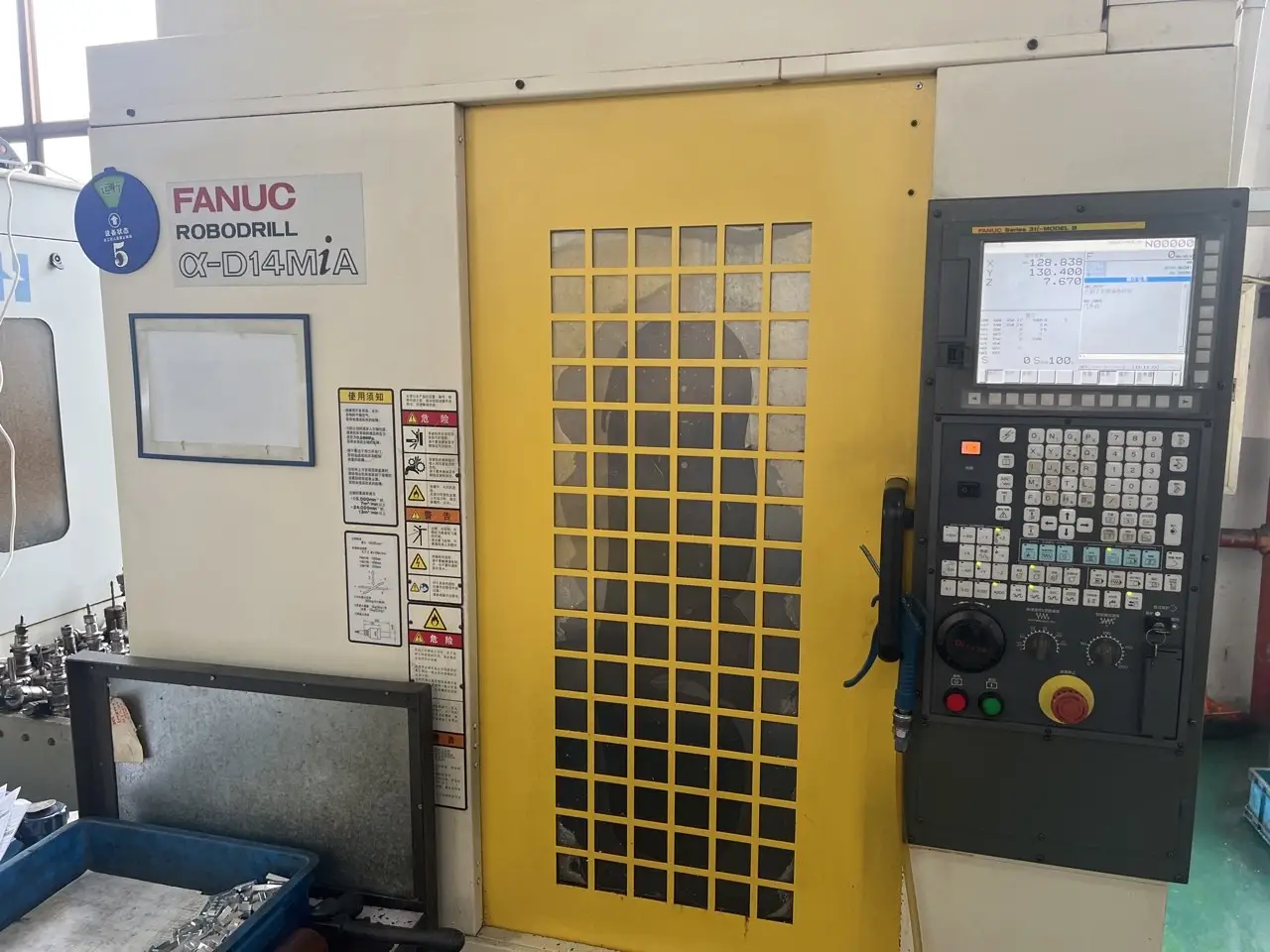
The material efficiency capabilities of CNC cutting sheet systems deliver substantial cost savings that directly impact bottom-line profitability through intelligent nesting algorithms and waste minimization strategies. Advanced software analyzes part geometries and automatically arranges components on raw material sheets to achieve optimal material utilization, often reducing waste by twenty to thirty percent compared to manual nesting methods. This optimization process considers not only part shapes but also cutting sequences, tool paths, and material grain direction requirements to maximize both material usage and cutting efficiency simultaneously. The economic impact extends beyond material savings to include reduced inventory requirements, as businesses can purchase standard sheet sizes and cut parts on demand rather than maintaining extensive stocks of pre-cut materials that tie up working capital and storage space. The precision cutting capabilities eliminate the need for material overages typically required to compensate for manual cutting variations, allowing manufacturers to order exactly the material quantities needed for specific projects without safety margins that increase material costs. Labor cost reductions represent another significant economic advantage, as a single operator can supervise multiple CNC cutting sheet systems simultaneously, dramatically improving productivity per employee hour compared to manual cutting operations that require dedicated operators for each cutting station. The elimination of physical templates, jigs, and fixtures further reduces costs while improving flexibility, as design changes can be implemented instantly through software modifications rather than requiring expensive tooling modifications or replacements. Quality-related cost savings emerge from the consistent cutting accuracy that eliminates scrap parts and reduces warranty claims associated with poor fit or dimensional variations. The technology enables just-in-time production strategies that minimize work-in-process inventory while ensuring rapid response to customer demand changes, improving cash flow and reducing storage costs associated with maintaining large finished goods inventories.
Versatile Multi-Material Processing Capabilities
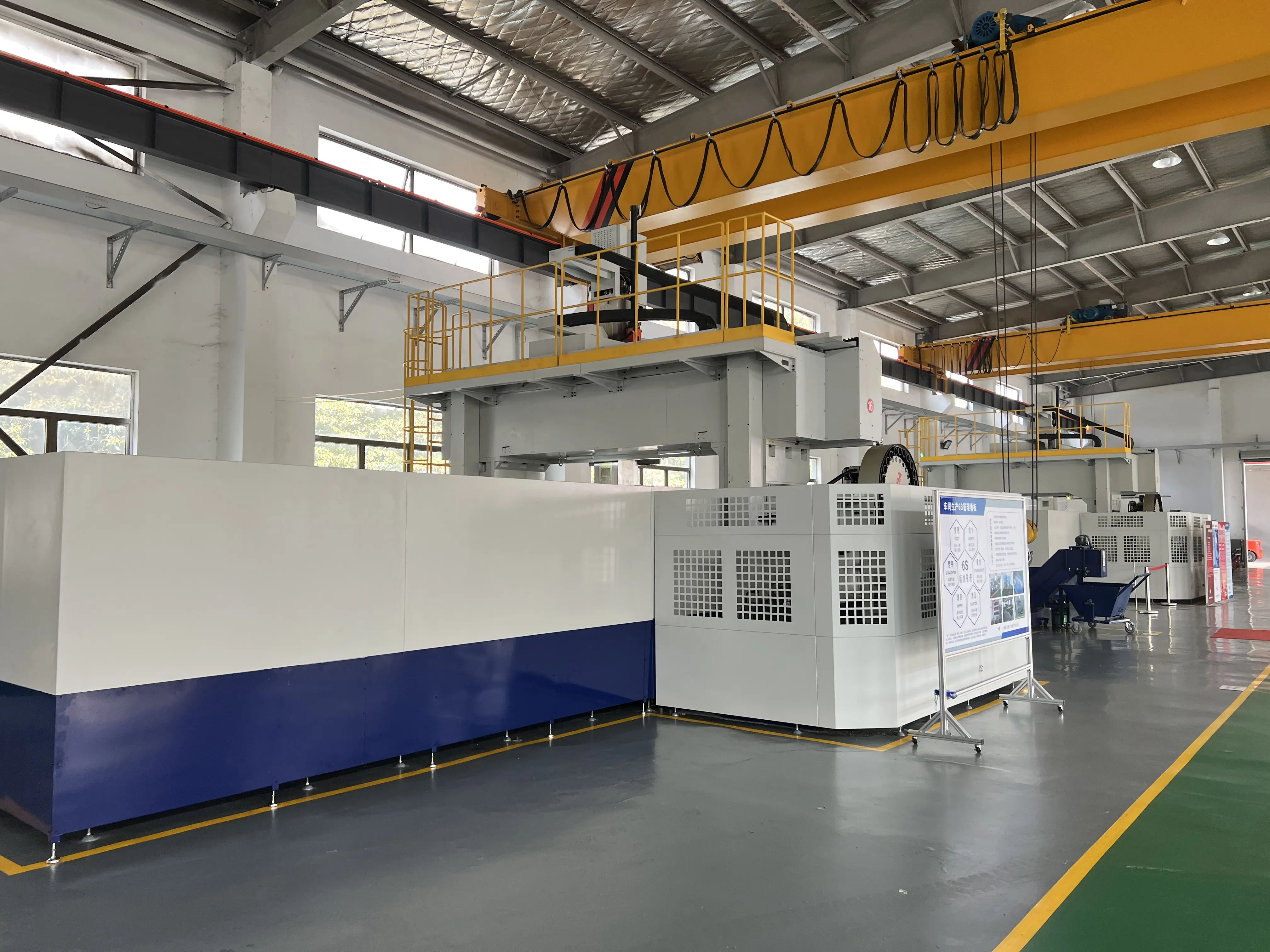
The multi-material processing versatility of CNC cutting sheet systems transforms manufacturing operations by enabling facilities to handle diverse material types and thicknesses using a single equipment investment, dramatically expanding business opportunities while minimizing capital requirements. Modern systems accommodate materials ranging from thin gauge sheet metals to thick structural plates, plastics, composites, and specialized alloys used in aerospace and medical device applications. This versatility stems from sophisticated control systems that automatically adjust cutting parameters including speed, feed rate, cutting current, and gas flows based on material specifications programmed into the system database. The adaptability extends to different cutting technologies, with many CNC cutting sheet systems supporting multiple cutting processes such as plasma, laser, waterjet, and mechanical cutting methods that can be selected based on material requirements and desired edge quality. Plasma cutting capabilities handle thick steel plates efficiently and economically, while laser cutting provides superior edge quality for thin materials requiring minimal heat-affected zones. Waterjet cutting technology integrated into CNC cutting sheet systems enables processing of materials that cannot be cut with thermal methods, including heat-sensitive plastics, composites, and hardened tool steels that would be damaged by high-temperature cutting processes. The system intelligence automatically compensates for material-specific characteristics such as thermal expansion, grain direction sensitivity, and work hardening tendencies that could otherwise compromise cutting quality or dimensional accuracy. Advanced pierce detection and height sensing capabilities ensure optimal cutting performance across varying material thicknesses within the same sheet, accommodating weldments or formed components that create surface height variations. The programming flexibility allows operators to create material-specific cutting libraries that store optimized parameters for frequently processed materials, ensuring consistent results while minimizing setup time for repeat jobs. This multi-material capability enables contract manufacturers to diversify their service offerings and attract customers from multiple industries without requiring separate equipment investments for each material type.