
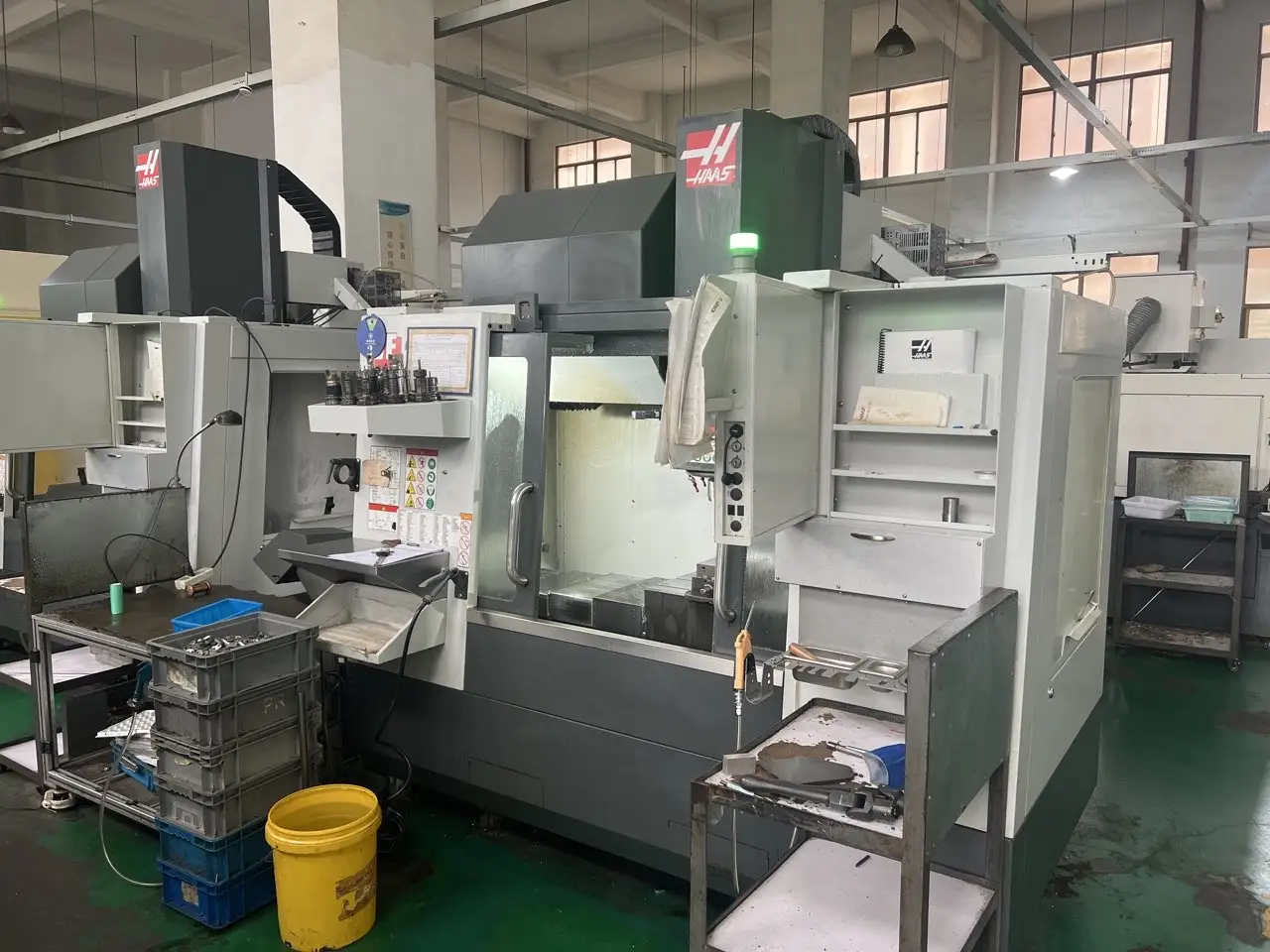
CNC milling services represent a cornerstone of modern manufacturing, utilizing computer-controlled machinery to create precise parts and components from various materials. These services employ Computer Numerical Control technology to guide milling machines through predetermined cutting paths, ensuring exceptional accuracy and repeatability in production processes. The fundamental operation involves rotating cutting tools that remove material from workpieces according to digital specifications, transforming raw materials into finished products with extraordinary precision. CNC milling services encompass multiple machining operations including face milling, peripheral milling, drilling, tapping, and complex contouring operations. The technological foundation relies on sophisticated software that converts three-dimensional designs into machine-readable instructions, enabling manufacturers to produce intricate geometries that would be impossible through conventional machining methods. Modern CNC milling centers feature multi-axis capabilities, allowing simultaneous movement across three, four, or five axes to create complex shapes in single setups. These services accommodate diverse materials ranging from aluminum and steel to exotic alloys, plastics, and composites, making them indispensable across industries. The precision capabilities typically achieve tolerances within 0.001 inches, meeting stringent quality requirements for aerospace, medical, automotive, and electronics applications. Advanced tooling systems automatically change cutting implements during operations, optimizing efficiency and maintaining consistent surface finishes. The integration of CAD/CAM software enables seamless translation from design concepts to physical products, streamlining the entire manufacturing workflow. Quality control systems monitor dimensional accuracy throughout production cycles, ensuring every component meets specifications. CNC milling services support both prototype development and high-volume production runs, offering scalability that traditional machining cannot match. The technology continues evolving with innovations like adaptive machining, real-time monitoring systems, and artificial intelligence integration, enhancing productivity while reducing waste and production costs for manufacturers worldwide.
CNC milling services deliver substantial advantages that transform manufacturing operations and provide compelling value propositions for businesses across industries. The precision capabilities stand as the primary benefit, consistently achieving tolerances that exceed human capabilities while maintaining uniformity across production runs. This exceptional accuracy eliminates costly rework and reduces material waste, directly impacting profitability through improved yield rates. The repeatability factor ensures identical parts production regardless of quantity, establishing reliable quality standards that meet stringent industry requirements. Speed represents another significant advantage, with modern CNC milling services completing complex operations in fractions of the time required by conventional methods. Automated tool changes and continuous operation capabilities enable around-the-clock production schedules, maximizing throughput while minimizing labor costs. The versatility of CNC milling services accommodates diverse material types and complex geometries, eliminating the need for multiple specialized machines and reducing capital equipment investments. Programming flexibility allows rapid design modifications without extensive setup changes, enabling quick responses to customer requirements and market demands. The reduced human intervention minimizes errors associated with manual operations while improving workplace safety by eliminating direct operator contact with cutting tools. Cost effectiveness emerges through multiple factors including reduced labor requirements, minimal material waste, and faster production cycles that lower per-unit manufacturing costs. The scalability advantage enables seamless transitions from prototype quantities to full production volumes without process changes, streamlining product development timelines. Quality consistency remains superior to manual operations, with built-in monitoring systems detecting deviations immediately and making automatic corrections. The documentation capabilities provide complete traceability records for each component, supporting quality certification requirements and facilitating process improvements. Integration with existing manufacturing systems enhances workflow efficiency while reducing inventory requirements through just-in-time production capabilities. Environmental benefits include reduced energy consumption per part and minimized waste generation compared to traditional machining methods. The competitive advantage gained through faster time-to-market delivery enables businesses to capitalize on opportunities while maintaining superior quality standards that differentiate their products in demanding marketplace conditions.
Unmatched Precision and Quality Control Systems
CNC milling services excel through their extraordinary precision capabilities that consistently deliver dimensional accuracy within thousandths of an inch, surpassing what human operators can achieve through traditional machining methods. This exceptional precision stems from advanced computer-controlled systems that eliminate human error while maintaining consistent performance across extended production runs. The integrated quality control systems continuously monitor cutting operations, automatically adjusting parameters to maintain optimal performance throughout the machining process. These sophisticated monitoring systems detect minute variations in cutting forces, spindle vibrations, and tool wear patterns, enabling proactive adjustments that prevent quality issues before they occur. The closed-loop feedback systems ensure every component meets exact specifications while documenting complete traceability records for quality certification purposes. Advanced coordinate measuring machines verify dimensional accuracy at multiple checkpoints, providing statistical process control data that supports continuous improvement initiatives. The precision advantages extend beyond basic dimensional accuracy to include superior surface finishes that often eliminate secondary finishing operations, reducing production time and costs. Temperature compensation systems account for thermal expansion effects, maintaining accuracy even during extended machining cycles where heat generation could affect dimensional stability. The statistical quality control capabilities provide real-time production data that enables immediate process corrections and long-term optimization strategies. These precision advantages translate directly into reduced rejection rates, lower rework costs, and improved customer satisfaction through consistent delivery of high-quality components. The documented quality records support certification requirements for aerospace, medical, and automotive applications where precision specifications are absolutely critical. The investment in precision CNC milling services pays dividends through reduced warranty claims, improved product reliability, and enhanced brand reputation for quality excellence. The comprehensive quality assurance protocols ensure every component meets or exceeds customer expectations while providing the documentation necessary for regulatory compliance in highly regulated industries.
Advanced Multi-Axis Machining Capabilities
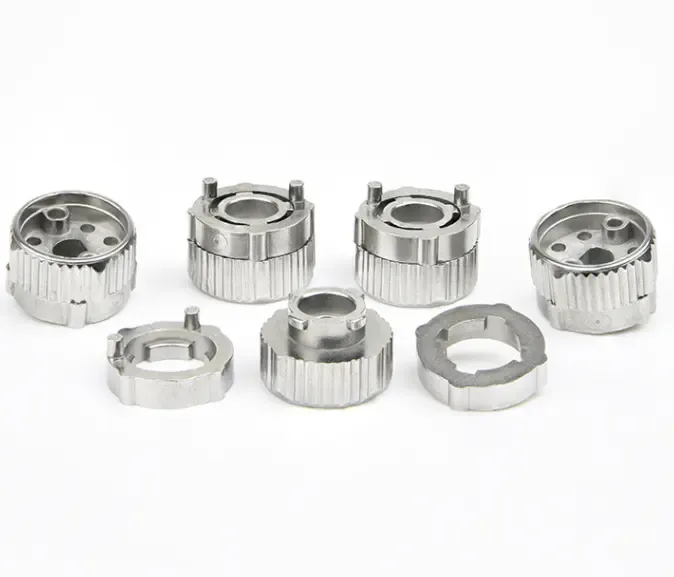
The multi-axis machining capabilities of modern CNC milling services represent a revolutionary advancement that enables the production of complex geometries previously impossible through conventional three-axis operations. Five-axis CNC milling centers provide simultaneous movement across all axes, allowing cutting tools to approach workpieces from virtually any angle while maintaining optimal cutting conditions throughout the machining process. This advanced capability eliminates the need for multiple setups and complex fixturing arrangements, reducing production time while improving dimensional accuracy through single-setup machining. The continuous five-axis interpolation enables smooth toolpath execution across complex curved surfaces, producing superior surface finishes that often eliminate expensive finishing operations. These advanced systems accommodate undercuts, deep cavities, and intricate internal features that would require extensive manual work or multiple conventional machining operations. The ability to tilt and rotate workpieces during machining enables access to all surfaces in single operations, dramatically reducing handling time and eliminating positioning errors associated with multiple setups. The sophisticated programming capabilities optimize toolpaths for complex geometries, minimizing cycle times while maintaining exceptional surface quality across all machined features. Tool access advantages allow shorter, more rigid cutting tools that reduce vibration and improve surface finishes while extending tool life through optimized cutting conditions. The geometric flexibility enables production of aerospace components, medical implants, and complex molds that demand intricate three-dimensional shapes with tight tolerances. The simultaneous machining capabilities reduce work-in-process inventory while shortening lead times, providing competitive advantages in fast-paced markets. The programming software automatically generates collision-free toolpaths while optimizing cutting parameters for maximum efficiency and quality. These advanced capabilities support innovative design possibilities that were previously constrained by manufacturing limitations, enabling engineers to optimize product performance without compromising manufacturability. The investment in multi-axis CNC milling services opens new market opportunities while improving competitive positioning through enhanced manufacturing capabilities.
Comprehensive Material Versatility and Application Range
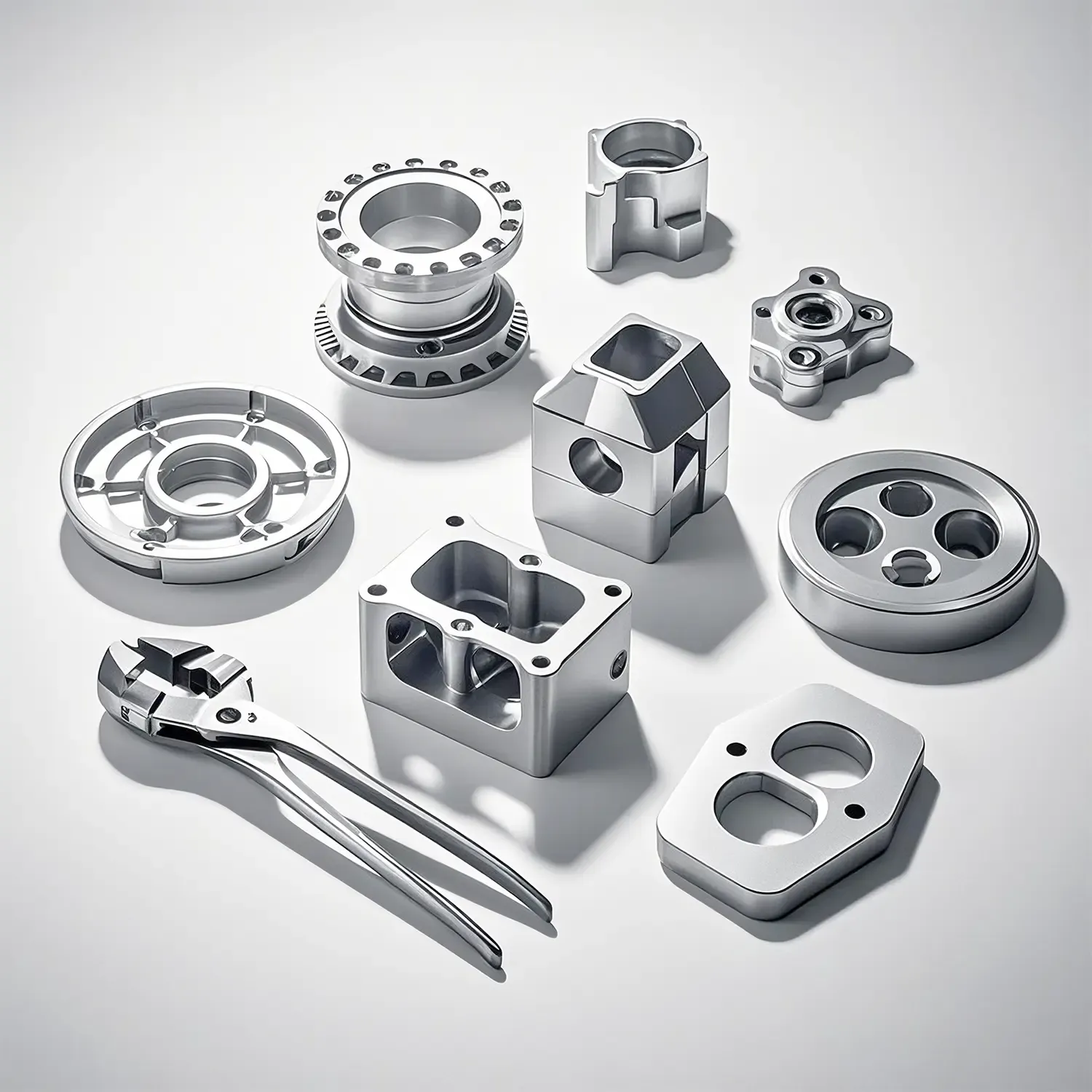
CNC milling services demonstrate exceptional versatility through their ability to machine an extensive range of materials, from common metals like aluminum and steel to exotic alloys, engineering plastics, and advanced composite materials used in cutting-edge applications. This comprehensive material capability eliminates the need for specialized equipment investments while providing manufacturers with flexibility to respond to diverse customer requirements across multiple industries. The advanced tooling systems and programming capabilities optimize cutting parameters for each material type, ensuring optimal performance whether machining soft aluminum components or hardened steel parts requiring specialized carbide cutting tools. The material expertise extends to challenging applications including titanium aerospace components that demand precise temperature control and specialized cutting strategies to prevent work hardening and maintain dimensional stability. The comprehensive capabilities include machining of engineering plastics like PEEK, Delrin, and nylon that require different cutting speeds and feed rates to prevent melting while achieving smooth surface finishes. The expertise in composite materials enables production of lightweight components for aerospace and automotive applications where traditional materials cannot meet performance requirements. The material knowledge encompasses proper workholding techniques, cutting fluid selection, and thermal management strategies specific to each material type, ensuring optimal results regardless of application complexity. The broad material capabilities support diverse applications from medical device components requiring biocompatible materials to electronics housings demanding precise dimensional stability across temperature ranges. The specialized tooling inventory includes cutting tools optimized for specific material types, ensuring efficient material removal rates while maintaining surface quality requirements. The material testing capabilities verify mechanical properties and dimensional stability, providing quality assurance for critical applications. The comprehensive material expertise enables cost-effective material selection guidance, helping customers optimize designs for manufacturability while meeting performance requirements. The material versatility supports rapid prototyping across diverse material types, enabling design validation before committing to production tooling investments. The broad application range spans industries from aerospace and medical to electronics and automotive, providing manufacturers with single-source solutions for complex multi-material assemblies.