
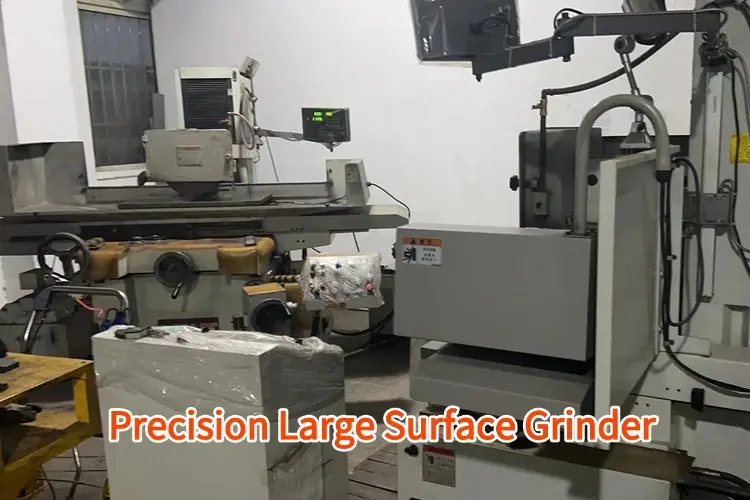
Controlling the cost of custom stamping die development starts with a clear part specification and an agreed tooling scope. The lowest initial tooling price is not necessarily the lowest total cost: tryout, corrective changes, spare components, maintenance and inspection can all affect the sourcing decision. This guide sets out questions buyers can use when comparing proposals. It does not promise a fixed saving, development time or tool life.
Before requesting a quotation, provide the current part drawing and revision, material grade and thickness, expected order quantities, critical dimensions and surface requirements. Include press constraints where tooling must run on existing equipment. Requirements for documentation, confidentiality and delivery should be agreed before the work is released.
Compare the complete tooling scope
Ask whether the quotation includes design review, tooling manufacture, tryout, sample inspection and any agreed corrective work. Clarify the number of trial rounds, acceptance criteria and the treatment of later drawing changes. A lower quotation may exclude services or spare parts that another proposal includes; compare like-for-like scope before choosing a supplier.
Review access to wear components and the proposed maintenance arrangement. Modular construction or standard components may be useful when suitable for the part and tool design, but their effect on cost and changeover time depends on the application. Ask for project-specific reasoning rather than assuming that one tooling approach suits every material, thickness or production volume.
Design review before tooling release
Review the die design against the part drawing, material, press constraints and inspection requirements. CAD review and, where appropriate, process simulation can help identify forming and tooling risks before manufacture. Agree the software, validation scope and acceptance criteria for the project. Simulation does not replace tryout and dimensional verification.
Identify which dimensions are critical to assembly, how they will be measured and which drawing revision controls acceptance. Record open questions and obtain agreement before releasing the tool design. This is a procurement checklist, not a claim that a particular AI design system is deployed at Jinxi.
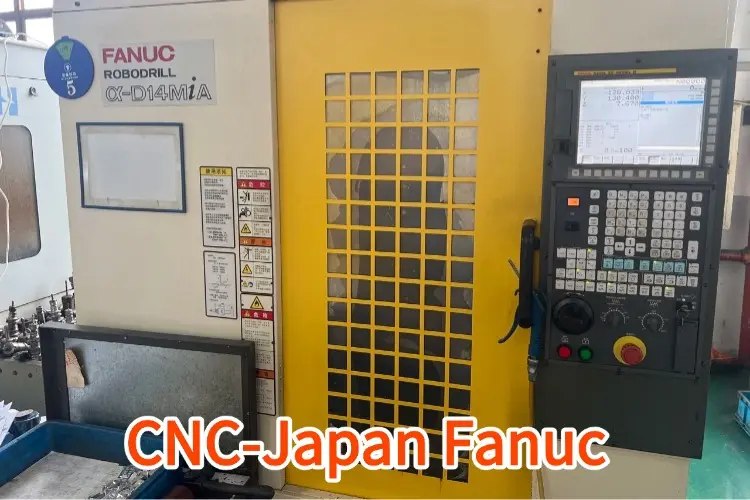
Material and surface-treatment selection
Select tool material, heat treatment and surface treatment against wear mechanisms, part material, forming conditions, maintenance needs and the expected production volume. Compare material availability, replacement cost and maintenance access as well as the initial tooling price.
Any claim of longer tool life or lower total cost needs a defined baseline and relevant operating data. Specify the information required to assess such a claim. This page does not claim a proprietary alloy or an automated material-selection system. Final material and treatment choices should be documented in the agreed tooling specification.
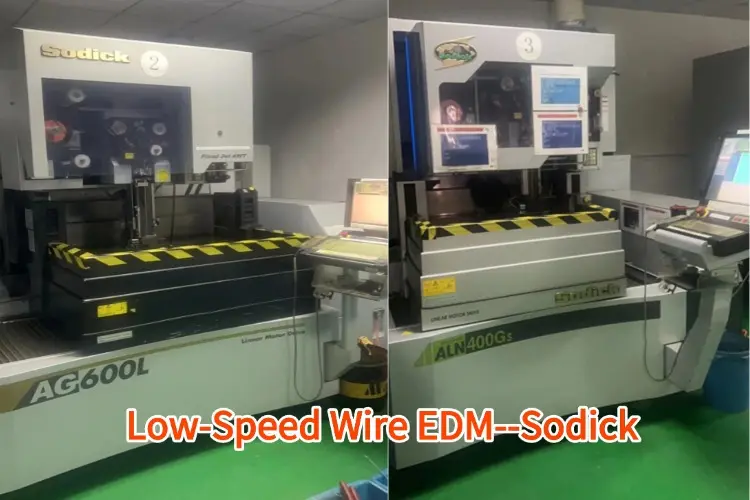
Development, tryout and change control
Agree design-review gates, trial quantity, inspection method and acceptance criteria before tooling work begins. Confirm responsibility for tryout, corrective changes, spare components and maintenance documentation.
Development time and cost depend on geometry, material, tool complexity, trial results and the agreed change scope. Confirm these in the project quotation rather than relying on a general website statement. If the part drawing changes, review the effects on tooling, inspection, price and timing before proceeding.
Prepare a drawing-led tooling inquiry
For a Jinxi inquiry, include the drawing revision, material, thickness, quantity, critical features, inspection requirements and any press constraints. Open technical points and the proposed delivery scope need project-specific review before commitment.