
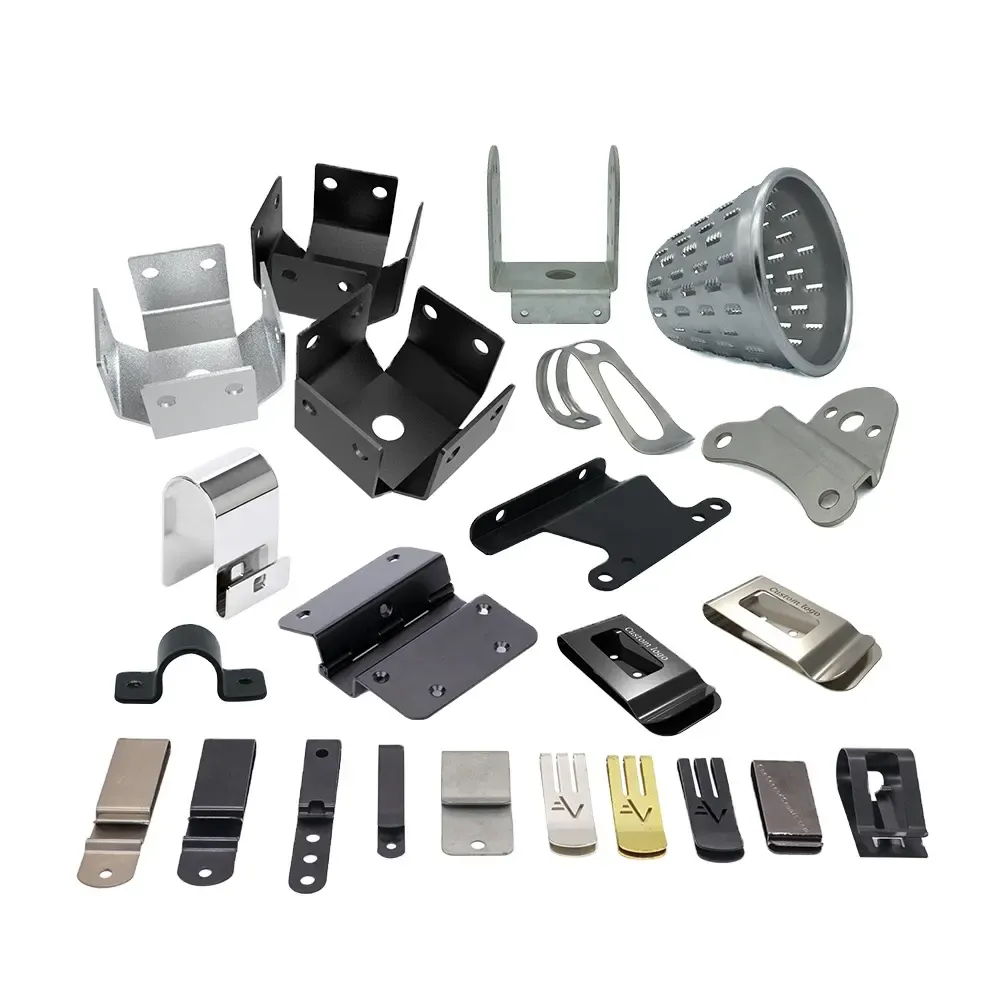
An embossing press represents a sophisticated piece of manufacturing equipment designed to create raised or recessed designs on various materials through controlled pressure and heat application. This specialized machine operates by pressing materials between specially crafted dies or plates, forming three-dimensional patterns, textures, logos, or decorative elements that enhance both aesthetic appeal and functional value. The embossing press utilizes precise mechanical systems to deliver consistent pressure distribution across the working surface, ensuring uniform pattern reproduction with exceptional detail accuracy. Modern embossing press units incorporate advanced hydraulic or pneumatic systems that provide operators with precise control over pressure settings, timing cycles, and temperature parameters. The technological framework of an embossing press includes heavy-duty steel construction for stability, adjustable pressure mechanisms for versatility, and often computerized control systems for automated operation sequences. Temperature regulation systems allow the embossing press to work effectively with thermoplastic materials, leather, paper products, and various synthetic substrates. The machine’s working area can accommodate different material sizes, from small components to large sheets, depending on the specific model configuration. Safety features integrated into the embossing press design include emergency stop mechanisms, protective barriers, and pressure relief systems to ensure operator protection during operation. The versatility of an embossing press extends across multiple industries, including packaging, automotive, textiles, stationery, and decorative arts. In packaging applications, the embossing press creates attractive product labels, luxury packaging elements, and brand identification features that distinguish products in competitive markets. Automotive manufacturers utilize embossing press technology for interior trim components, dashboard elements, and decorative panels that require precise dimensional characteristics. Textile applications involve creating raised patterns on fabrics, synthetic materials, and leather goods for fashion and upholstery purposes. The embossing press delivers consistent results through repeatable processes, making it invaluable for high-volume production environments where quality consistency remains paramount for success.
The embossing press offers numerous practical benefits that directly impact production efficiency, product quality, and operational costs for businesses across various industries. First, this equipment significantly reduces labor requirements compared to manual embossing methods, allowing a single operator to manage multiple production cycles while maintaining consistent quality standards. The automated features of modern embossing press systems eliminate human error factors that can compromise pattern accuracy, depth consistency, or alignment precision during manufacturing processes. Cost-effectiveness represents another major advantage, as the embossing press reduces material waste through precise pattern placement and consistent pressure application that prevents material damage or defective outputs. The machine’s ability to process multiple materials without extensive setup changes saves valuable production time and reduces changeover costs between different product runs. Quality enhancement stands out as a primary benefit, with the embossing press delivering superior pattern definition, crisp edge details, and uniform depth characteristics that manual processes cannot consistently achieve. The durability of embossed patterns created by professional embossing press equipment exceeds hand-crafted alternatives, resulting in longer-lasting product features that maintain their appearance through extended use and handling. Production speed advantages become apparent when comparing embossing press output rates to traditional methods, with modern machines capable of completing hundreds of pieces per hour while maintaining exacting quality standards. The flexibility of an embossing press allows manufacturers to quickly adapt to changing design requirements, new product specifications, or custom client requests without significant equipment modifications or lengthy setup procedures. Energy efficiency features built into contemporary embossing press models help reduce operational costs while supporting environmental sustainability goals through optimized power consumption and reduced waste generation. The precision capabilities of an embossing press enable manufacturers to create complex multi-level patterns, intricate detail work, and sophisticated texture combinations that would be impossible or prohibitively expensive using alternative methods. Maintenance requirements remain minimal due to robust construction and reliable mechanical systems, resulting in higher equipment uptime and reduced service costs over the machine’s operational lifespan. The embossing press also provides excellent return on investment through increased production capacity, improved product quality, and reduced labor costs that compound over time to deliver substantial financial benefits for manufacturing operations.
Advanced Precision Control Technology
The sophisticated precision control technology integrated into modern embossing press systems represents a revolutionary advancement in manufacturing capability that transforms how businesses approach pattern creation and material processing. This technology encompasses multiple interconnected systems working in harmony to deliver unprecedented accuracy and repeatability in embossing operations. The computerized control interface allows operators to program exact pressure specifications, timing sequences, and temperature parameters for each specific job, creating a digital recipe that ensures identical results across thousands of production cycles. Advanced servo motors and hydraulic systems respond to digital commands with micro-precision, maintaining pressure variations within tolerances of less than one percent throughout the entire embossing press cycle. The feedback control systems continuously monitor actual performance against programmed parameters, making real-time adjustments to compensate for material variations, temperature fluctuations, or mechanical wear factors that could affect output quality. This level of precision control enables the embossing press to handle delicate materials that require gentle handling alongside heavy-duty applications demanding maximum pressure application. The digital positioning systems ensure perfect alignment between upper and lower dies, eliminating registration errors that can ruin expensive materials or compromise product appearance. Memory storage capabilities allow operators to save successful program settings for future use, reducing setup time and eliminating guesswork when switching between different production runs. The precision control technology also includes safety interlocks that prevent operation outside safe parameters, protecting both equipment and personnel from damage caused by incorrect settings or operator error. Advanced diagnostic capabilities built into the control system provide early warning of potential mechanical issues, enabling predictive maintenance scheduling that prevents unexpected downtime and extends equipment lifespan. The user-friendly interface design makes this sophisticated technology accessible to operators with varying skill levels, reducing training requirements and minimizing the learning curve for new personnel. This precision control technology ultimately delivers consistent, high-quality results that meet the most demanding specifications while maximizing productivity and minimizing waste in embossing press operations.
Versatile Multi-Material Processing Capability
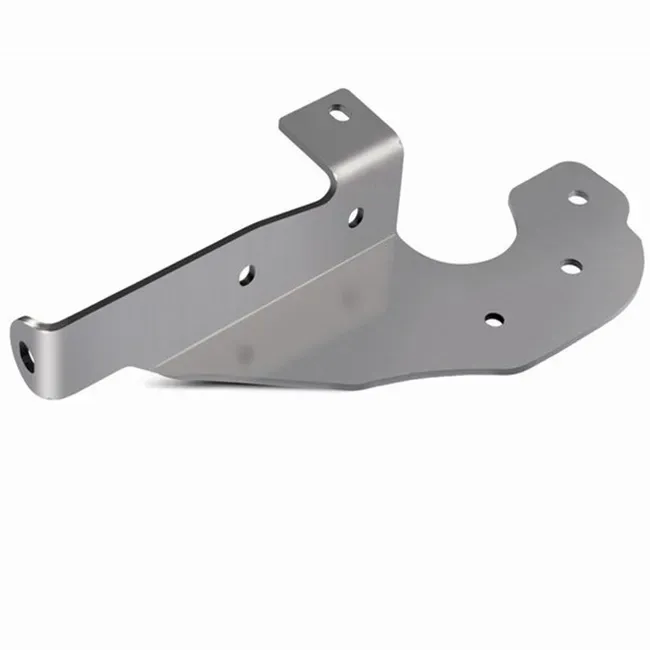
The exceptional versatility of modern embossing press equipment in processing diverse materials represents a significant competitive advantage for manufacturers seeking to expand their product offerings and serve multiple market segments with a single investment. This multi-material capability stems from sophisticated engineering that accommodates the unique characteristics of various substrates while maintaining optimal processing conditions for each application. The embossing press can effectively handle paper products ranging from delicate tissue papers to heavy cardboard stocks, adjusting pressure and temperature settings to prevent crushing or tearing while achieving crisp, well-defined patterns. Plastic materials present different challenges that the versatile embossing press addresses through precise temperature control and specialized die configurations that account for material memory and thermal expansion characteristics. Leather processing capabilities extend from soft, supple hides requiring gentle pressure to thick, dense materials demanding substantial force application, with the embossing press seamlessly transitioning between these extremes through programmable control systems. Metal foil applications benefit from the machine’s ability to create intricate patterns without cracking or tearing these delicate materials, opening opportunities in luxury packaging and decorative applications. Textile processing represents another dimension of versatility, with the embossing press creating raised patterns on natural and synthetic fabrics for fashion, automotive, and home furnishing applications. The quick-change tooling systems enable rapid transitions between different material types and pattern requirements, minimizing downtime and maximizing production efficiency across diverse product lines. Temperature zones can be independently controlled across the working surface, allowing the embossing press to accommodate materials with different thermal requirements simultaneously or create gradient effects within single pieces. The adjustable pressure distribution systems ensure optimal force application regardless of material thickness variations or surface irregularities, maintaining consistent pattern quality across the entire working area. This versatility eliminates the need for multiple specialized machines, reducing capital investment requirements while providing flexibility to respond quickly to changing market demands or new business opportunities. The multi-material processing capability also supports prototype development and short-run production, enabling manufacturers to test new concepts and serve niche markets without significant additional equipment investments.
High-Volume Production Efficiency
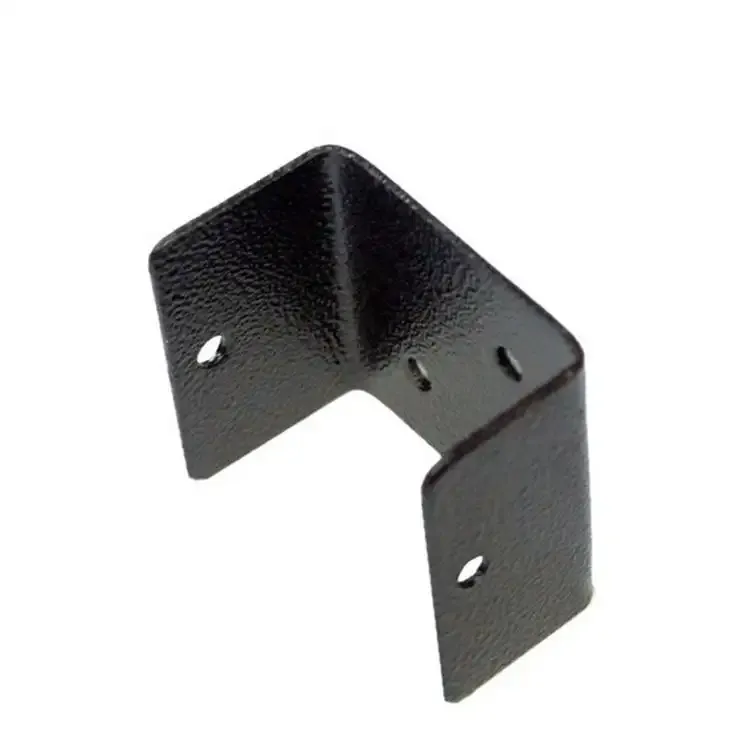
The remarkable production efficiency achieved by modern embossing press systems revolutionizes manufacturing operations by delivering exceptional throughput rates while maintaining stringent quality standards that satisfy the most demanding commercial applications. This efficiency stems from carefully engineered mechanical systems, optimized workflow designs, and automated features that eliminate bottlenecks and minimize cycle times throughout the production process. The rapid cycling capability of contemporary embossing press equipment enables completion of individual pieces in seconds rather than minutes, with some models achieving production rates exceeding several hundred pieces per hour depending on complexity and material requirements. Automated feeding systems integrate seamlessly with the embossing press to maintain continuous material flow, eliminating manual handling delays and reducing labor requirements while ensuring consistent material positioning for optimal pattern placement. The quick-change tooling systems allow operators to switch between different dies or patterns in minutes rather than hours, maximizing productive time and enabling efficient production of multiple product variations within single shifts. Heat management systems maintain optimal operating temperatures throughout extended production runs, preventing thermal fluctuations that could affect pattern quality or require production interruptions for temperature stabilization. The robust construction of industrial embossing press equipment enables continuous operation for extended periods without mechanical fatigue or performance degradation, supporting demanding production schedules and tight delivery commitments. Integrated quality monitoring systems provide real-time feedback on pattern quality, material alignment, and process parameters, enabling immediate corrections that prevent defective production and material waste. The automated ejection and stacking systems further enhance efficiency by removing finished pieces and organizing them for subsequent processing or packaging operations without manual intervention. Energy-efficient designs minimize power consumption per piece produced, reducing operational costs while supporting sustainability initiatives that increasingly influence purchasing decisions. The scalability of embossing press systems allows manufacturers to increase production capacity by adding additional machines or upgrading to higher-capacity models without disrupting existing operations or requiring extensive facility modifications. Predictive maintenance capabilities built into modern embossing press control systems help optimize uptime by scheduling maintenance activities during planned downtime periods rather than experiencing unexpected failures that disrupt production schedules and compromise customer commitments.