
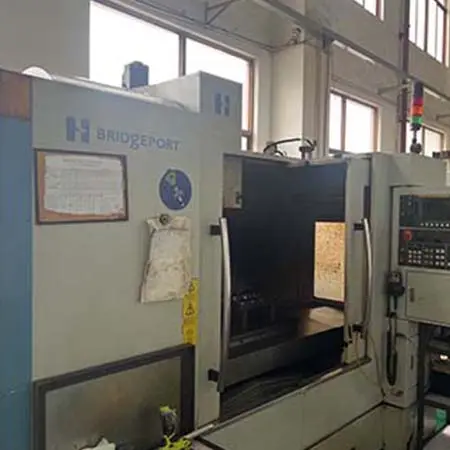
Lathe manufacturing represents one of the most fundamental and versatile machining processes in modern industrial production. A lathe is a precision machine tool that rotates a workpiece about an axis of rotation to perform various operations including cutting, sanding, knurling, drilling, deformation, facing, and turning. The primary function of lathe manufacturing involves removing material from a rotating workpiece using cutting tools that are fed into the material at precise angles and depths. This subtractive manufacturing process creates cylindrical parts with exceptional accuracy and surface finish quality. The technological features of modern lathe manufacturing have evolved significantly with computer numerical control integration, allowing for automated operations and complex geometries. Advanced lathe systems incorporate servo motors for precise positioning, digital readouts for accurate measurements, and programmable logic controllers for automated sequences. The spindle system provides the rotational power while the carriage and cross-slide assemblies enable precise tool positioning in multiple axes. Variable speed drives allow operators to optimize cutting speeds for different materials and applications. Tool turrets or tool changers facilitate rapid tool changes during multi-operation machining cycles. Modern lathe manufacturing applications span numerous industries including aerospace, automotive, medical devices, oil and gas, electronics, and general manufacturing. Components produced through lathe manufacturing include shafts, pins, bushings, flanges, pulleys, threaded rods, hydraulic cylinders, and precision instrument parts. The process excels in creating parts with tight tolerances, smooth surface finishes, and complex profiles that would be difficult or impossible to achieve through other manufacturing methods. Lathe manufacturing supports both prototype development and high-volume production runs, making it an essential capability for manufacturers seeking versatility and precision in their machining operations.
Lathe manufacturing offers numerous compelling advantages that make it an indispensable process for modern manufacturing operations. The precision capabilities of lathe manufacturing enable manufacturers to achieve tolerances as tight as plus or minus 0.0001 inches, ensuring components meet the most demanding engineering specifications. This exceptional accuracy translates directly into improved product performance and reduced assembly issues downstream. The versatility of lathe manufacturing allows a single machine to perform multiple operations including turning, facing, drilling, boring, threading, and grooving, significantly reducing setup times and improving production efficiency. Manufacturers benefit from reduced work-in-process inventory since parts can be completed in fewer operations and machine transfers. The surface finish quality achieved through lathe manufacturing often eliminates the need for secondary finishing operations, reducing overall production costs and cycle times. Material utilization efficiency in lathe manufacturing minimizes waste since the process removes only necessary material to achieve the desired geometry. This controlled material removal reduces raw material costs and supports sustainability initiatives. The repeatability of lathe manufacturing ensures consistent part quality across production runs, reducing quality control overhead and customer returns. Skilled operators can quickly set up jobs and make adjustments, while CNC lathe systems enable lights-out operation for extended periods. The flexibility of lathe manufacturing accommodates both small batch custom work and high-volume production requirements without significant changeover penalties. Cost-effectiveness emerges from the combination of high productivity, minimal tooling requirements, and the ability to machine a wide variety of materials including steel, aluminum, brass, plastics, and exotic alloys. Setup times are typically shorter compared to other machining processes since workholding is straightforward and tool changes are rapid. The learning curve for operators is reasonable, making it easier for manufacturers to train personnel and maintain production capacity. Quality control is simplified since dimensional verification can be performed on the machine using integrated measuring systems.
Superior Precision and Accuracy Control
The precision control capabilities of lathe manufacturing set it apart as the preferred method for creating components that demand exceptional dimensional accuracy and geometric tolerances. Modern lathe systems incorporate advanced feedback systems including linear encoders and rotary encoders that provide real-time position information with resolutions measured in micrometers. This level of precision control enables manufacturers to consistently produce parts with tolerances as tight as 0.00005 inches, which is critical for applications in aerospace, medical devices, and precision instruments. The spindle systems in advanced lathe manufacturing operations utilize precision bearings and balanced assemblies that minimize runout and vibration, ensuring smooth cutting operations that produce superior surface finishes. Temperature compensation systems automatically adjust for thermal expansion and contraction, maintaining accuracy even during extended machining cycles. The rigidity of lathe machine structures, typically constructed from cast iron or steel welded assemblies, provides the stability necessary to maintain cutting forces without deflection that could compromise accuracy. Tool positioning systems employ servo motors with high-resolution feedback devices that enable precise incremental movements and rapid positioning between operations. The combination of these technological features allows lathe manufacturing to achieve surface roughness values as low as 8 micro-inches Ra, often eliminating the need for grinding or other finishing operations. Quality control integration through in-process measurement systems enables real-time monitoring and automatic compensation for tool wear, ensuring consistent accuracy throughout production runs. The precision capabilities of lathe manufacturing directly translate into improved product performance, reduced assembly costs, and enhanced customer satisfaction through consistent delivery of components that meet or exceed specifications.
Exceptional Material Versatility and Processing Range
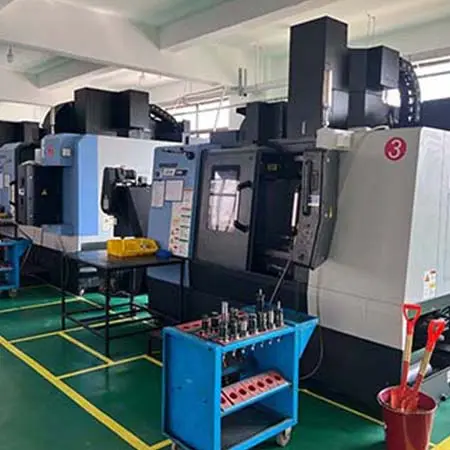
Lathe manufacturing demonstrates remarkable versatility in processing an extensive range of materials, from common metals to exotic alloys and engineering plastics, making it an invaluable manufacturing solution for diverse industry applications. The adaptability of lathe manufacturing extends to ferrous materials including carbon steels, alloy steels, stainless steels, and tool steels, each requiring specific cutting parameters and tooling strategies that modern lathe systems can accommodate. Non-ferrous materials such as aluminum, copper, brass, bronze, and titanium are routinely processed through lathe manufacturing with excellent results when proper speeds, feeds, and cutting tools are selected. Advanced lathe manufacturing operations successfully machine superalloys like Inconel, Hastelloy, and Waspaloy that are critical in aerospace and energy applications where extreme temperature and corrosion resistance are required. The material processing capabilities extend to engineering plastics including nylon, PEEK, Delrin, and PTFE, which require specific tooling geometries and cutting parameters to prevent heat buildup and material degradation. Modern lathe manufacturing systems incorporate adaptive control features that automatically adjust cutting parameters based on material hardness, cutting forces, and temperature feedback, optimizing performance across different material types. The workholding flexibility of lathe manufacturing accommodates various part geometries and sizes, from small precision components weighing ounces to large shafts weighing several tons. Bar feeding systems enable continuous processing of long materials, while chuck systems provide secure holding for irregular shapes and previously machined parts. The cutting tool options available for lathe manufacturing include carbide inserts, ceramic tools, diamond tools, and specialized coatings that optimize performance for specific material combinations. This comprehensive material versatility enables manufacturers to consolidate multiple machining operations on lathe systems, reducing equipment investment and simplifying production planning while maintaining consistent quality standards across diverse material specifications.
Cost-Effective Production Efficiency and ROI
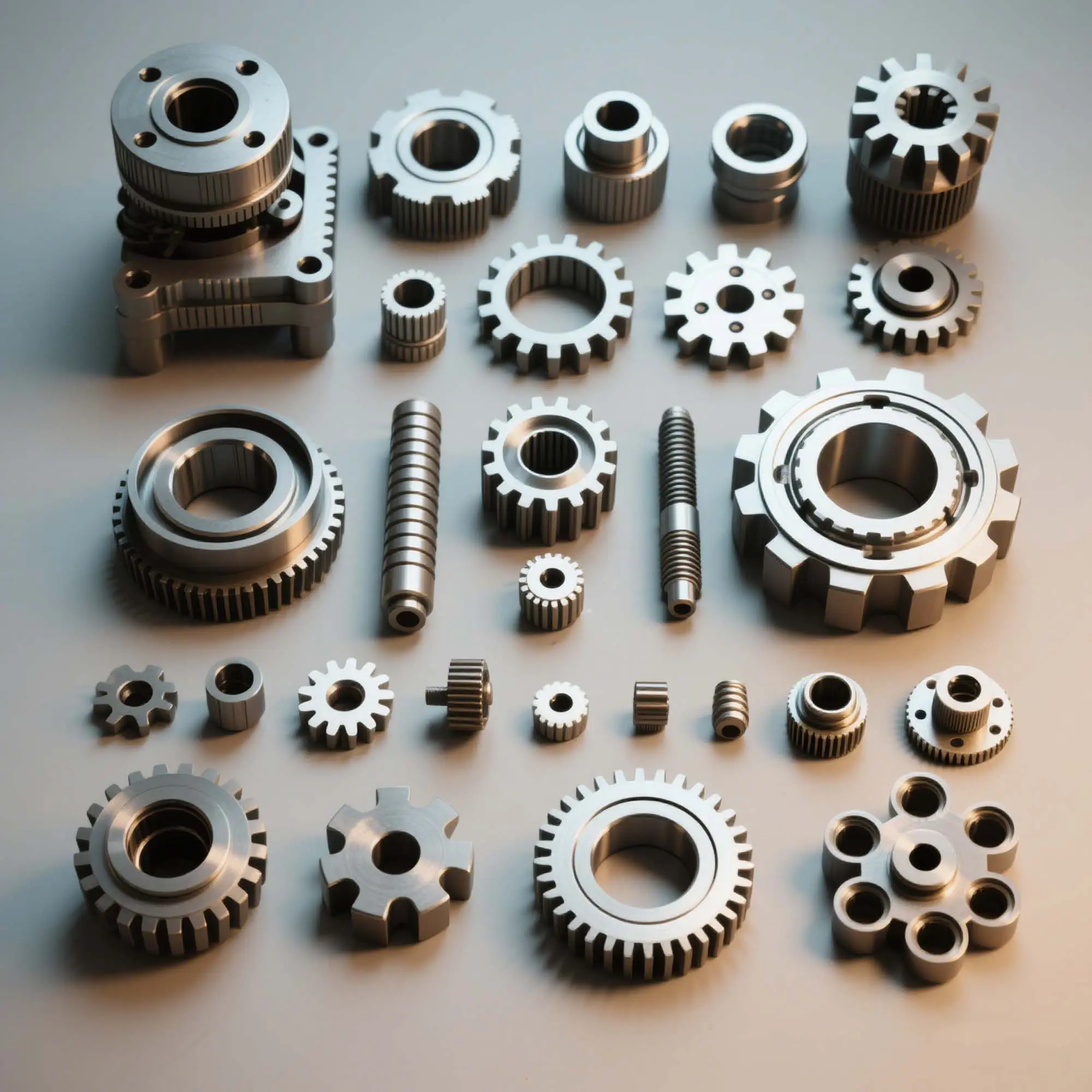
The economic advantages of lathe manufacturing create compelling return on investment opportunities for manufacturers seeking to optimize production costs while maintaining quality standards and delivery performance. Lathe manufacturing achieves exceptional production efficiency through high material removal rates that significantly reduce cycle times compared to alternative machining processes. The single-setup capability allows complex parts to be completed without intermediate handling or fixturing changes, eliminating non-productive time and reducing labor costs. Modern CNC lathe systems operate with minimal supervision during production runs, enabling manufacturers to maximize machine utilization and reduce direct labor requirements. The tooling costs associated with lathe manufacturing are typically lower than other machining processes since standard cutting tools can handle a wide variety of operations and materials. Tool life optimization through proper speed and feed selection, combined with advanced tool coatings and geometries, extends cutting tool performance and reduces replacement frequency. The energy efficiency of lathe manufacturing compares favorably to other machining processes, with modern systems incorporating energy-saving features like automatic spindle stop and variable speed drives that reduce power consumption during non-cutting operations. Setup time reduction through quick-change tooling systems and standardized workholding enables rapid changeovers between different parts, supporting both high-volume production and flexible job shop operations. The quality consistency achieved through lathe manufacturing reduces scrap rates and rework costs while improving customer satisfaction and retention. Maintenance requirements for lathe systems are generally straightforward, with predictable service intervals and readily available replacement parts that minimize unexpected downtime costs. The versatility of lathe manufacturing enables manufacturers to accept a broader range of customer projects without additional equipment investments, improving capacity utilization and revenue potential. Training costs for lathe operators are reasonable since the fundamental principles remain consistent across different machine models and manufacturers, facilitating workforce development and cross-training initiatives that improve operational flexibility.