
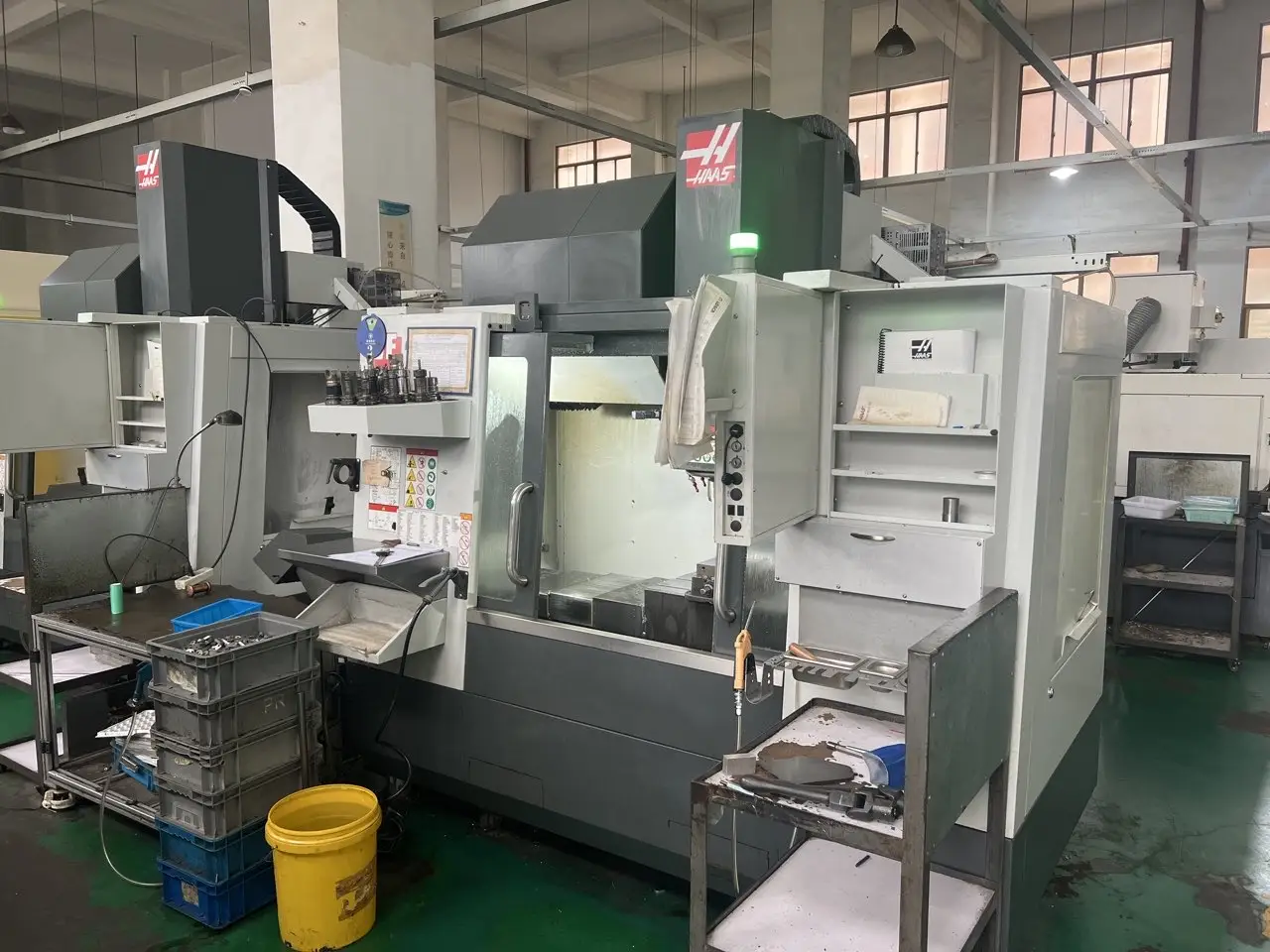
Machining and fabrication represents the cornerstone of modern manufacturing, encompassing a comprehensive range of processes that transform raw materials into precision-engineered components and structures. This sophisticated field combines traditional craftsmanship with cutting-edge technology to create everything from intricate aerospace components to robust industrial machinery parts. The main functions of machining and fabrication include material removal through various cutting processes, metal forming, welding, assembly, and surface finishing. These operations work in harmony to produce components that meet exact specifications and stringent quality standards. Technological features of modern machining and fabrication facilities include computer numerical control (CNC) equipment, which provides unparalleled precision and repeatability in manufacturing processes. Advanced CAD/CAM software integration allows for seamless transition from design concept to physical product, while automated systems ensure consistent quality throughout production runs. Multi-axis machining centers enable complex geometries to be created in single setups, reducing handling time and maintaining tight tolerances. Fabrication technologies encompass laser cutting, plasma cutting, waterjet cutting, and traditional methods like sawing and shearing. Welding capabilities include MIG, TIG, stick welding, and specialized processes for exotic materials. Applications span across diverse industries including aerospace, automotive, medical devices, energy sector, construction, and consumer products. In aerospace, machining and fabrication produces critical flight components requiring exceptional precision and material integrity. Automotive applications range from engine components to chassis parts, where performance and safety are paramount. Medical device manufacturing demands biocompatible materials and sterile processing environments. Energy sector applications include turbine components, pipeline fittings, and renewable energy system parts. The construction industry relies on fabricated structural steel, architectural elements, and specialized building components. Consumer products benefit from both mass production capabilities and custom fabrication services, enabling everything from appliance components to decorative metalwork.
The advantages of professional machining and fabrication services deliver substantial value to businesses seeking reliable manufacturing solutions. Quality assurance stands as the primary benefit, where experienced operators utilize precision equipment to achieve tolerances measured in thousandths of an inch. This level of accuracy ensures parts fit perfectly in assemblies, reducing field problems and warranty claims. Cost effectiveness emerges through optimized material usage, efficient production planning, and reduced waste generation. Professional fabricators leverage bulk purchasing power for raw materials, passing savings to customers while maintaining quality standards. Time savings represent another crucial advantage, as established machining and fabrication shops possess the expertise to complete projects faster than in-house attempts. Their streamlined workflows, proven processes, and dedicated equipment eliminate the learning curve associated with complex manufacturing tasks. Flexibility in production volumes accommodates everything from prototype development to high-volume production runs. This scalability allows businesses to respond quickly to market demands without investing in expensive equipment or specialized personnel. Material expertise ensures optimal selection for specific applications, considering factors like strength, corrosion resistance, machinability, and cost. Professional fabricators maintain relationships with multiple suppliers, providing access to specialty alloys and materials that might be difficult to source independently. Design optimization services help customers improve their products through manufacturing-friendly modifications, potentially reducing costs while enhancing performance. Risk mitigation occurs through comprehensive quality control processes, proper material certifications, and adherence to industry standards. Professional shops carry appropriate insurance coverage and maintain certifications required for regulated industries. Advanced capabilities include reverse engineering services, where existing parts can be reproduced or improved upon without original drawings. Rush job accommodation helps customers meet critical deadlines through expedited processing and priority scheduling. Technical support throughout the project lifecycle ensures problems are addressed quickly, maintaining production schedules and quality requirements. Equipment maintenance and calibration by professional staff ensures consistent results across all production runs, eliminating the variability that can occur with inadequate maintenance programs.
Precision Engineering Excellence
Precision engineering excellence in machining and fabrication represents the pinnacle of manufacturing capability, where advanced technology meets skilled craftsmanship to produce components with extraordinary accuracy and reliability. This capability stems from state-of-the-art CNC machining centers equipped with linear encoders, thermal compensation systems, and rigid construction that maintains dimensional stability under varying operating conditions. The importance of precision cannot be overstated in today’s competitive manufacturing environment, where even minor dimensional variations can lead to assembly problems, performance degradation, or complete system failures. Professional machining and fabrication facilities invest heavily in metrology equipment, including coordinate measuring machines (CMM), optical comparators, and surface finish analyzers, ensuring every component meets or exceeds specified requirements. The value proposition extends beyond mere dimensional accuracy to encompass surface finish quality, which affects everything from aesthetic appeal to functional performance in bearing surfaces and sealing applications. Advanced machining strategies, such as high-speed machining and adaptive toolpath generation, enable the production of complex geometries while maintaining superior surface integrity. Tool management systems ensure optimal cutting conditions throughout production runs, preventing tool wear from compromising dimensional accuracy. Temperature-controlled environments eliminate thermal expansion variables that could affect precision, while vibration isolation systems prevent external disturbances from influencing machining operations. Quality documentation accompanying precision-engineered components provides traceability and certification required for aerospace, medical, and other critical applications. Statistical process control methods monitor key characteristics in real-time, enabling immediate corrections when parameters drift outside acceptable ranges. The integration of inspection equipment directly into machining centers allows for in-process verification, reducing cycle times while ensuring quality standards. Skilled operators with extensive training in precision measurement techniques provide the human element necessary to interpret complex drawings and execute challenging setups. This combination of advanced equipment, controlled environment, and expert personnel delivers components that consistently meet the most demanding specifications across diverse industries and applications.
Comprehensive Manufacturing Solutions
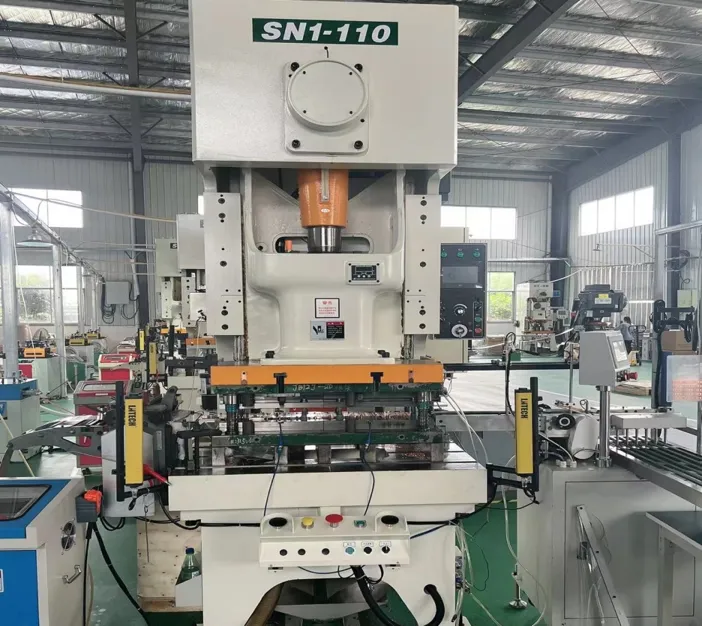
Comprehensive manufacturing solutions in machining and fabrication encompass the full spectrum of services required to transform concepts into finished products, providing customers with a single-source solution that streamlines project management and ensures seamless integration of all manufacturing processes. This holistic approach begins with design consultation services, where experienced engineers collaborate with customers to optimize designs for manufacturability, potentially reducing costs while improving performance and reliability. The importance of comprehensive solutions becomes evident in complex projects involving multiple manufacturing processes, where coordination between different vendors can introduce delays, quality issues, and communication problems. Professional machining and fabrication facilities offering comprehensive services eliminate these concerns by maintaining all necessary capabilities under one roof, from initial material preparation through final inspection and packaging. Material procurement services leverage established supplier relationships to source optimal materials at competitive prices, while maintaining proper certifications and documentation required for critical applications. Secondary operations such as heat treatment, surface coating, and assembly are coordinated within the facility’s quality system, ensuring consistent standards throughout the manufacturing process. Project management expertise guides customers through every phase of production, providing regular updates on progress, identifying potential issues early, and implementing corrective actions to maintain schedules. The value delivered through comprehensive solutions includes reduced administrative burden for customers, who deal with a single point of contact rather than multiple vendors. Quality consistency improves when all operations occur within a unified quality management system, with standardized procedures and cross-functional communication protocols. Cost optimization opportunities emerge through integrated planning, where material utilization, setup efficiencies, and workflow optimization can be maximized across all operations. Technical problem-solving capabilities are enhanced when engineering expertise spans multiple manufacturing disciplines, enabling creative solutions that might not be apparent when working with specialized vendors. Documentation and certification processes are streamlined when all operations fall under a single quality system, reducing paperwork and ensuring compliance with industry standards. Rush job capabilities are enhanced when all necessary resources are available in-house, eliminating dependencies on external suppliers that could introduce delays during critical project phases.
Advanced Technology Integration
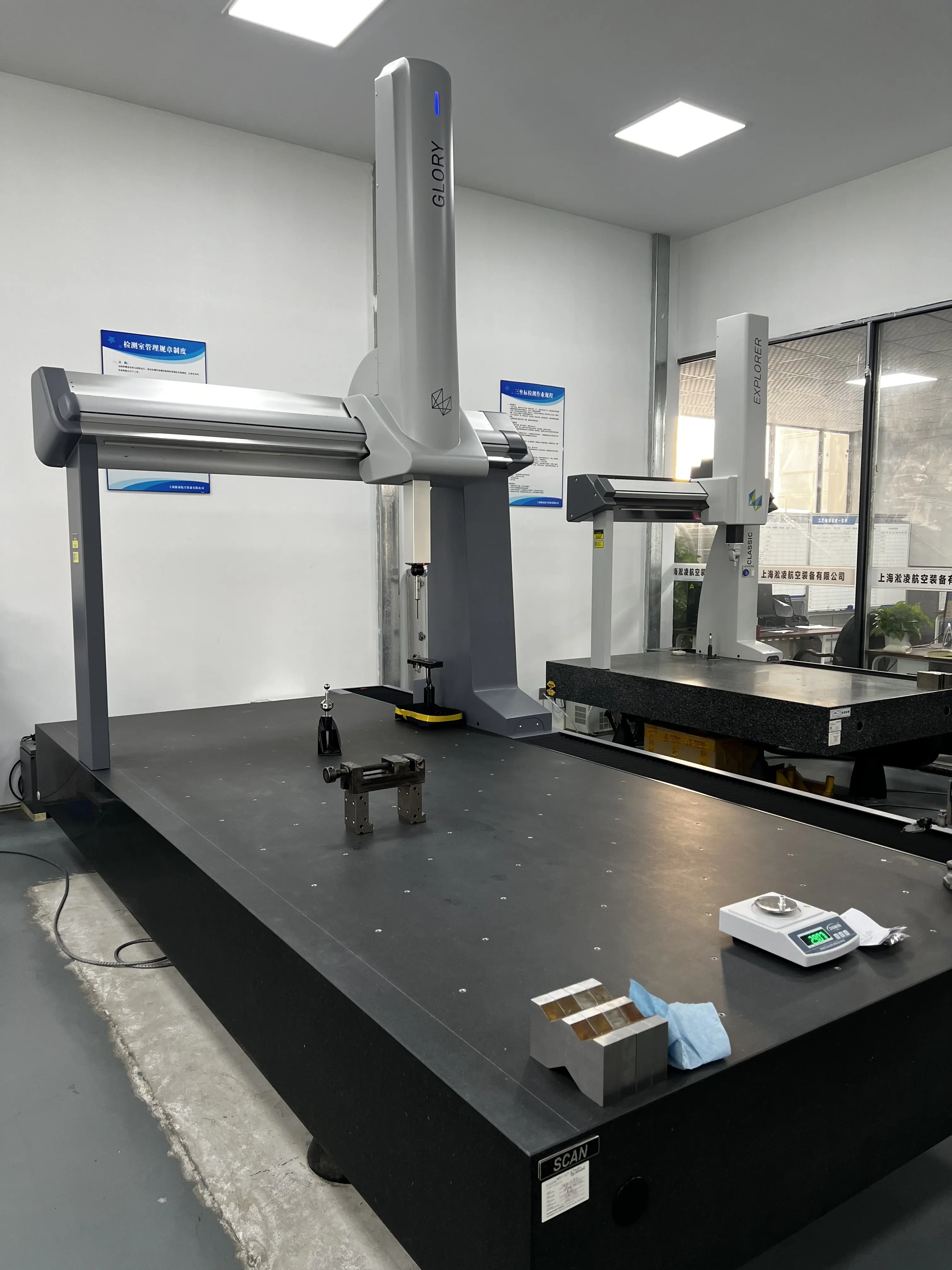
Advanced technology integration in modern machining and fabrication operations represents a fundamental shift toward smart manufacturing, where sophisticated equipment, software systems, and data analytics work together to deliver unprecedented levels of efficiency, quality, and flexibility. This technological evolution encompasses everything from Internet of Things (IoT) sensors that monitor equipment performance in real-time to artificial intelligence algorithms that optimize cutting parameters for maximum productivity and tool life. The importance of technology integration becomes apparent when considering the competitive pressures facing modern manufacturers, where customers demand shorter lead times, lower costs, and higher quality simultaneously. Advanced CAD/CAM software systems enable seamless transition from digital design files to machine tool instructions, eliminating potential errors associated with manual programming while enabling complex geometries that would be difficult or impossible to achieve through conventional methods. Automated material handling systems reduce labor costs while improving consistency and safety, moving raw materials and finished components through production workflows with minimal human intervention. Machine monitoring systems collect vast amounts of data on spindle loads, vibration patterns, temperature variations, and other critical parameters, enabling predictive maintenance strategies that minimize unplanned downtime while optimizing equipment performance. The value proposition of advanced technology integration extends beyond immediate operational benefits to encompass strategic advantages such as improved customer service through real-time production visibility and enhanced traceability throughout the supply chain. Digital twin technology creates virtual representations of physical manufacturing processes, enabling simulation and optimization without disrupting actual production. Cloud-based manufacturing execution systems provide centralized visibility into production status, quality metrics, and delivery schedules, empowering data-driven decision making at all organizational levels. Automated inspection systems utilizing machine vision and coordinate measurement reduce inspection time while improving accuracy and consistency compared to manual methods. Adaptive machining strategies automatically adjust cutting parameters based on real-time feedback from sensors and measurement systems, maintaining optimal performance even as tool wear progresses or material properties vary. Integration with customer ERP systems enables seamless information flow from order entry through delivery, reducing administrative overhead while improving accuracy and responsiveness. These technological capabilities position forward-thinking machining and fabrication operations as strategic partners rather than simple suppliers, contributing to customer success through enhanced capabilities and superior service delivery.