
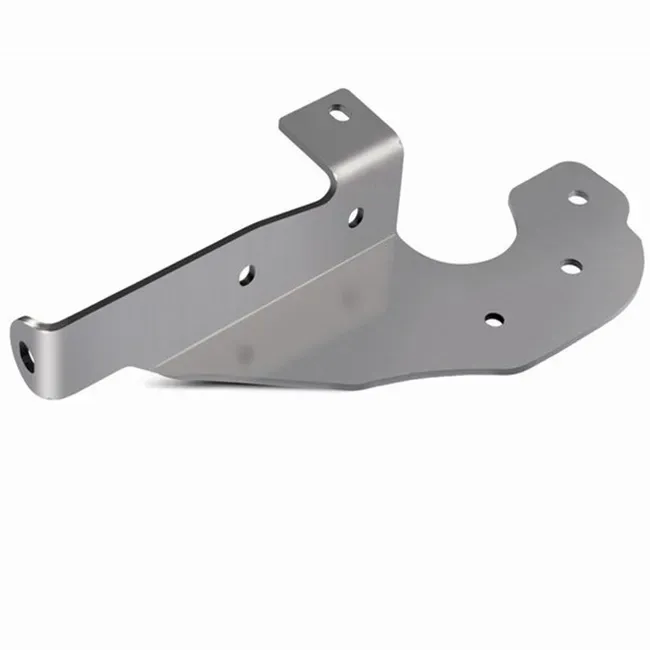
Metal punching is a fundamental manufacturing process that creates holes, slots, and intricate shapes in various metal sheets and plates through the application of controlled force. This precision-driven technique utilizes specialized punching machines equipped with dies and punches to remove material from metal workpieces, delivering exceptional accuracy and consistency across high-volume production runs. The metal punching process operates by positioning the metal material between a punch and die assembly, where the punch descends with tremendous force to shear through the material, creating clean, precise openings that meet exact specifications. Modern metal punching systems incorporate advanced hydraulic, mechanical, or servo-electric mechanisms that provide superior control over force application, positioning accuracy, and cycle timing. The technology accommodates diverse metal types including steel, aluminum, copper, brass, and specialized alloys, with thickness capabilities ranging from thin gauge sheets to heavy plate materials. Contemporary metal punching equipment features computer numerical control systems that enable complex programming for multi-station operations, automatic tool changing, and sophisticated nesting algorithms that maximize material utilization while minimizing waste. The process excels in creating uniform hole patterns, precise geometric shapes, and complex perforated designs that would be challenging or cost-prohibitive using alternative manufacturing methods. Quality control systems integrated into modern metal punching operations ensure consistent dimensional accuracy, smooth edge finishes, and minimal material distortion throughout production cycles. The versatility of metal punching extends beyond simple hole creation, encompassing specialized applications such as coining, embossing, and forming operations that add functional or aesthetic features to metal components. Environmental considerations have driven innovations in metal punching technology, including energy-efficient drive systems, reduced noise operation, and improved scrap handling systems that support sustainable manufacturing practices.
Metal punching delivers exceptional speed advantages that dramatically reduce production time compared to traditional drilling or laser cutting methods. The process creates multiple holes simultaneously through turret configurations and multi-station setups, enabling manufacturers to achieve remarkable throughput rates that satisfy demanding production schedules. Cost-effectiveness represents another significant benefit, as metal punching requires minimal consumable materials beyond occasional tool replacement, eliminating ongoing expenses associated with cutting gases, laser maintenance, or consumable electrodes. The precision capabilities of modern metal punching systems ensure consistent dimensional accuracy within tight tolerances, producing parts that require minimal secondary operations or finishing processes. Material versatility stands out as a key strength, allowing operators to process diverse metal types and thicknesses without extensive equipment modifications or specialized tooling requirements. Energy efficiency characterizes metal punching operations, consuming substantially less power than thermal cutting processes while maintaining high productivity levels that support sustainable manufacturing initiatives. Tool longevity provides long-term economic benefits, as quality punches and dies deliver thousands of cycles before requiring replacement, reducing operational interruptions and maintenance costs. The clean cutting action of metal punching produces burr-free holes with smooth edges that eliminate secondary deburring operations, streamlining workflow and reducing handling time. Flexibility in hole patterns and shapes enables rapid design changes and prototype development without expensive tooling modifications, supporting agile manufacturing approaches. Noise levels remain relatively low compared to alternative processes, creating more comfortable working environments and reducing the need for extensive sound dampening measures. Automation compatibility allows seamless integration with robotic handling systems, conveyor networks, and quality inspection equipment, enabling lights-out manufacturing capabilities. The process generates minimal heat, preventing material distortion and maintaining the structural integrity of heat-sensitive alloys and pre-treated materials. Safety features built into modern metal punching systems protect operators through light curtains, emergency stops, and enclosed work zones that meet stringent industrial safety standards.
Advanced Multi-Station Automation Technology
The revolutionary multi-station automation technology integrated into modern metal punching systems represents a quantum leap in manufacturing efficiency and precision control. This sophisticated approach utilizes computer-controlled turret configurations that house multiple punch and die sets, enabling simultaneous processing of different hole sizes, shapes, and patterns within a single operational cycle. The automation system employs advanced servo motors and precision linear guides that position workpieces with micron-level accuracy, ensuring consistent placement of features across entire production runs. Intelligent tool management systems automatically select appropriate punches and dies based on programmed specifications, eliminating manual tool changes and reducing setup time between different part configurations. The technology incorporates adaptive force control that adjusts punching pressure based on material properties and thickness variations, preventing tool damage while maintaining optimal cutting performance across diverse metal types. Real-time monitoring systems track tool wear patterns and predict maintenance requirements, enabling proactive tool replacement before quality degradation occurs. The multi-station design maximizes material utilization through sophisticated nesting algorithms that calculate optimal part layouts, minimizing waste while maximizing the number of components produced from each sheet. Advanced safety systems integrate seamlessly with the automation technology, providing comprehensive protection through laser scanning systems, pressure-sensitive mats, and emergency stop circuits that respond instantly to potential hazards. The automation capabilities extend to material handling through robotic integration that manages sheet loading, part removal, and scrap disposal without human intervention. Quality assurance features include in-process dimensional verification using integrated measuring systems that automatically adjust processing parameters to maintain tight tolerances. The flexibility of multi-station automation accommodates rapid changeovers between different part designs, supporting lean manufacturing principles and just-in-time production strategies that respond quickly to changing market demands.
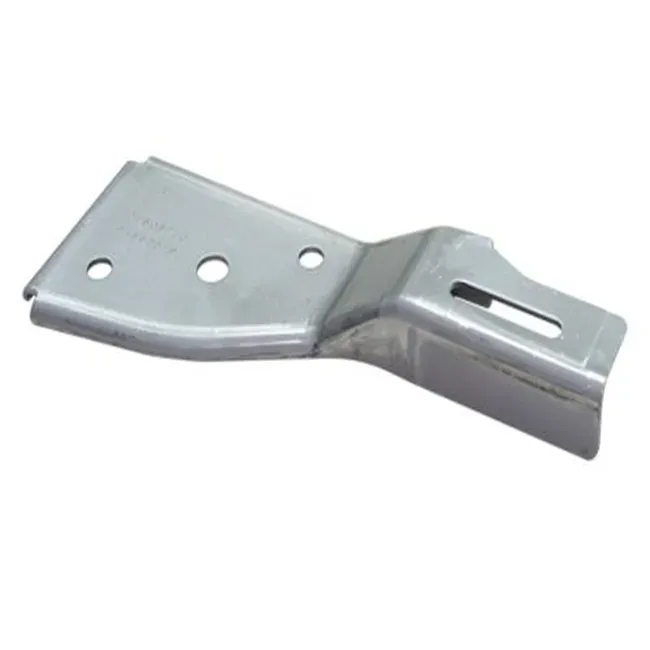
Precision Edge Quality and Surface Finish Excellence
The exceptional edge quality and surface finish characteristics achieved through advanced metal punching technology deliver superior component performance while eliminating costly secondary operations. Modern metal punching systems utilize precision-ground tooling manufactured from premium tool steels and specialized coatings that maintain sharp cutting edges throughout extended production cycles. The controlled shearing action creates clean, perpendicular cuts with minimal burr formation, producing edges that meet stringent dimensional tolerances without requiring additional finishing processes. Specialized die designs incorporate optimized clearances and relief angles that promote smooth material flow during the cutting process, preventing edge cracking and ensuring consistent surface quality across varying material thicknesses. The technology employs sophisticated force control systems that modulate punching speed and pressure to minimize material deformation and heat generation, preserving the metallurgical properties of processed materials. Advanced tooling geometries feature progressive cutting edges that reduce peak forces while maintaining cutting quality, extending tool life and improving surface consistency. Quality control measures include real-time monitoring of cutting forces and acoustic emissions that detect tool wear conditions before they affect part quality. The precision manufacturing processes used to create punching tools ensure exceptional concentricity and dimensional stability, translating directly into superior hole quality and consistent part-to-part repeatability. Specialized coatings applied to cutting tools reduce friction and wear while improving chip evacuation, contributing to cleaner cuts and extended tool performance. The technology accommodates various material types including work-hardening alloys, pre-finished surfaces, and coated materials without compromising edge quality or surface integrity. Environmental control systems maintain optimal operating temperatures and lubrication conditions that further enhance cutting performance and surface finish quality. Post-process inspection capabilities verify edge quality parameters and surface roughness measurements, ensuring compliance with demanding quality standards and customer specifications throughout production runs.
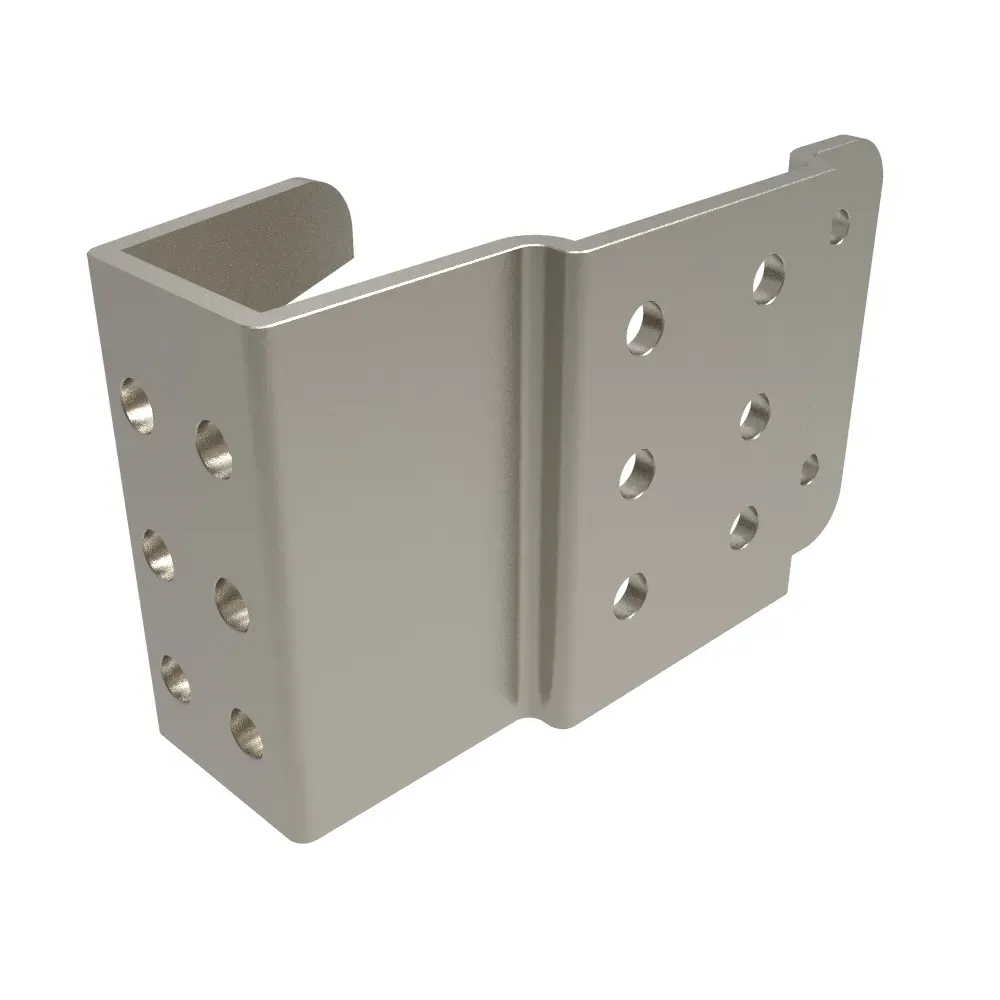
Cost-Effective High-Volume Production Capabilities
The remarkable cost-effectiveness of metal punching technology stems from its ability to deliver exceptional productivity while maintaining minimal operating expenses throughout high-volume production scenarios. This manufacturing approach eliminates consumable costs associated with alternative processes such as laser gases, plasma electrodes, or waterjet abrasives, reducing per-part expenses significantly over extended production runs. The rapid cycle times achievable with modern metal punching equipment enable manufacturers to meet aggressive production schedules while minimizing labor costs through reduced handling time and simplified setup procedures. Energy efficiency characteristics result in substantially lower utility costs compared to thermal cutting processes, with typical power consumption reduced by sixty to seventy percent while maintaining equivalent or superior productivity levels. Tool longevity represents a critical economic advantage, as quality punch and die sets deliver tens of thousands of cycles before requiring replacement, distributing tooling costs across massive production quantities. The automation capabilities inherent in advanced metal punching systems reduce labor requirements while improving consistency, enabling operators to manage multiple machines simultaneously and maximize workforce utilization. Material utilization optimization through intelligent nesting algorithms minimizes waste generation, reducing raw material costs while supporting environmental sustainability objectives. The process generates valuable scrap materials that retain high recycling value, creating additional revenue streams that offset operational expenses. Maintenance requirements remain minimal due to the robust mechanical nature of punching operations, with preventive maintenance schedules extending equipment lifespan while avoiding unexpected downtime costs. Quality consistency eliminates rejection rates and rework expenses commonly associated with less precise manufacturing methods, ensuring that production resources generate sellable components rather than scrap materials. The scalability of metal punching operations allows manufacturers to adjust production capacity efficiently based on demand fluctuations without significant capital investments or lengthy setup procedures. Integration capabilities with existing manufacturing systems minimize implementation costs while leveraging established infrastructure investments, providing rapid return on investment for metal punching technology adoption.