
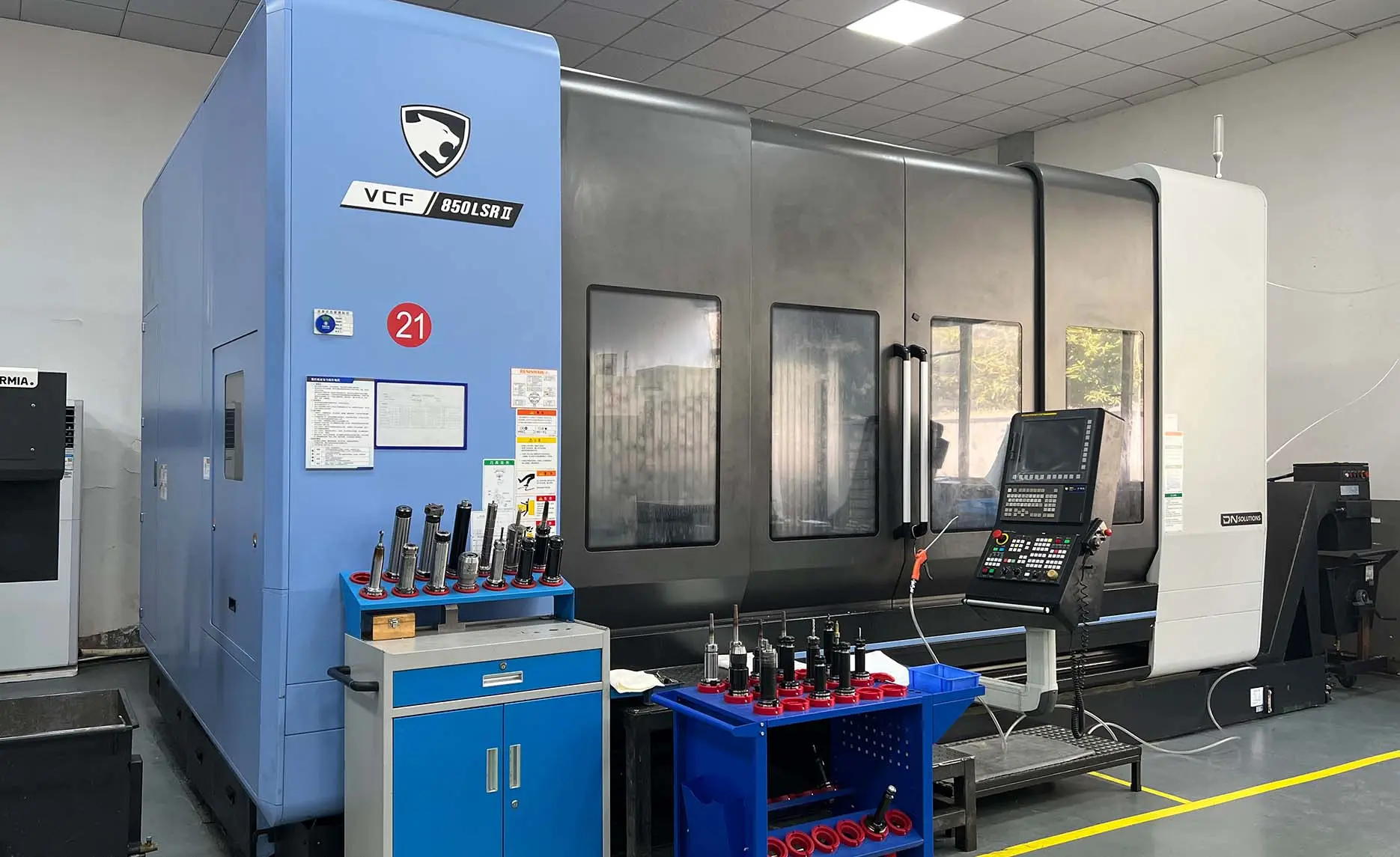
The steel plate rolling machine represents a cornerstone technology in modern metalworking and fabrication industries, designed to transform flat steel plates into cylindrical, conical, or custom-curved shapes with remarkable precision. This sophisticated equipment operates through a series of strategically positioned rollers that apply controlled pressure and movement to gradually bend steel plates into desired configurations. The primary function of a steel plate rolling machine centers on its ability to perform continuous bending operations, allowing manufacturers to create tanks, pipes, pressure vessels, and architectural components with consistent quality and dimensional accuracy. The technological framework of these machines incorporates advanced hydraulic systems, computerized numerical control interfaces, and precision-engineered roller assemblies that work in harmonious coordination. Modern steel plate rolling machines feature adjustable roller positioning mechanisms that accommodate various plate thicknesses and material grades, while integrated measurement systems provide real-time feedback on bending angles and radius specifications. The machine’s design typically includes a three-roller configuration, where the top roller serves as the working roller, while the two bottom rollers provide support and guidance throughout the forming process. Advanced models incorporate pre-bending capabilities, eliminating the need for separate edge preparation equipment and streamlining the overall production workflow. The applications of steel plate rolling machines span across diverse industrial sectors, including shipbuilding, where large hull sections require precise curvature; construction projects demanding architectural metalwork; petrochemical facilities requiring custom tank fabrication; and renewable energy sectors producing wind turbine components. These machines demonstrate exceptional versatility in handling various steel grades, from standard carbon steel to high-strength alloys and stainless steel materials, making them indispensable tools for manufacturers seeking to expand their production capabilities while maintaining superior quality standards in their curved steel plate fabrication processes.
Steel plate rolling machines deliver transformative benefits that directly impact your manufacturing efficiency, product quality, and bottom-line profitability in ways that traditional fabrication methods simply cannot match. These machines eliminate the need for multiple forming operations by completing complex bending tasks in single passes, reducing production time by up to sixty percent compared to conventional methods. Your manufacturing facility gains immediate productivity advantages through automated operation cycles that require minimal manual intervention, allowing skilled operators to focus on quality control and setup optimization rather than repetitive manual forming tasks. The precision control systems integrated into modern steel plate rolling machines ensure consistent results across entire production runs, eliminating the variations and defects commonly associated with manual forming techniques. This consistency translates directly into reduced material waste, fewer rejected parts, and significant cost savings on raw materials. Your quality control processes become more predictable and manageable when using steel plate rolling machines, as computerized controls maintain exact specifications throughout each forming cycle. The machines accommodate a wide range of material thicknesses and steel grades without requiring extensive retooling or setup modifications, providing your facility with exceptional flexibility to handle diverse customer requirements and rush orders. Energy efficiency represents another crucial advantage, as hydraulic systems in contemporary steel plate rolling machines consume substantially less power than alternative forming methods while delivering superior force control and positioning accuracy. Your maintenance costs remain low due to the robust construction and simplified mechanical systems that characterize well-designed rolling machines, with most routine maintenance tasks completed during regular production intervals. The compact footprint of steel plate rolling machines maximizes your available floor space while providing full-scale production capabilities, making them ideal for facilities with space constraints or those planning expansion projects. Safety features built into modern machines protect your operators while maintaining high production speeds, including emergency stops, protective barriers, and automated material handling systems that minimize direct contact with moving components. Investment recovery accelerates through increased production capacity and improved product quality, with most facilities reporting complete payback within eighteen to twenty-four months of installation.
Advanced Precision Control Technology
The sophisticated control systems integrated into modern steel plate rolling machines represent a quantum leap forward in metalworking precision, delivering unprecedented accuracy and repeatability that transforms how manufacturers approach curved steel fabrication projects. These advanced control technologies incorporate high-resolution encoders, servo-driven positioning systems, and intelligent feedback mechanisms that monitor and adjust every aspect of the forming process in real-time. The computerized numerical control interface allows operators to input precise specifications for radius, angle, and dimensional requirements, with the machine automatically calculating optimal roller positions and pressure settings to achieve exact results. This technological sophistication eliminates the guesswork traditionally associated with steel plate forming, where experienced operators relied on visual inspection and manual adjustments to achieve acceptable results. The precision control system continuously monitors material behavior during the forming process, automatically compensating for variations in material properties, thickness tolerances, and ambient conditions that could affect final product dimensions. Advanced pressure sensors integrated throughout the roller assembly provide instant feedback on material stress distribution, preventing over-forming or under-forming conditions that could compromise structural integrity or dimensional accuracy. The control system maintains a comprehensive database of forming parameters for different material grades and thicknesses, enabling operators to quickly recall proven settings for recurring production runs while maintaining consistent quality standards. Real-time diagnostic capabilities alert operators to potential issues before they impact product quality, including roller wear conditions, hydraulic pressure variations, and alignment discrepancies that could affect forming accuracy. The user-friendly interface presents complex technical data in easily understood formats, allowing operators with varying experience levels to achieve professional results while minimizing training requirements and setup times. This precision control technology extends beyond basic forming operations to include advanced features like pre-programmed forming sequences, automatic material handling coordination, and integration with upstream and downstream production equipment for seamless workflow management.
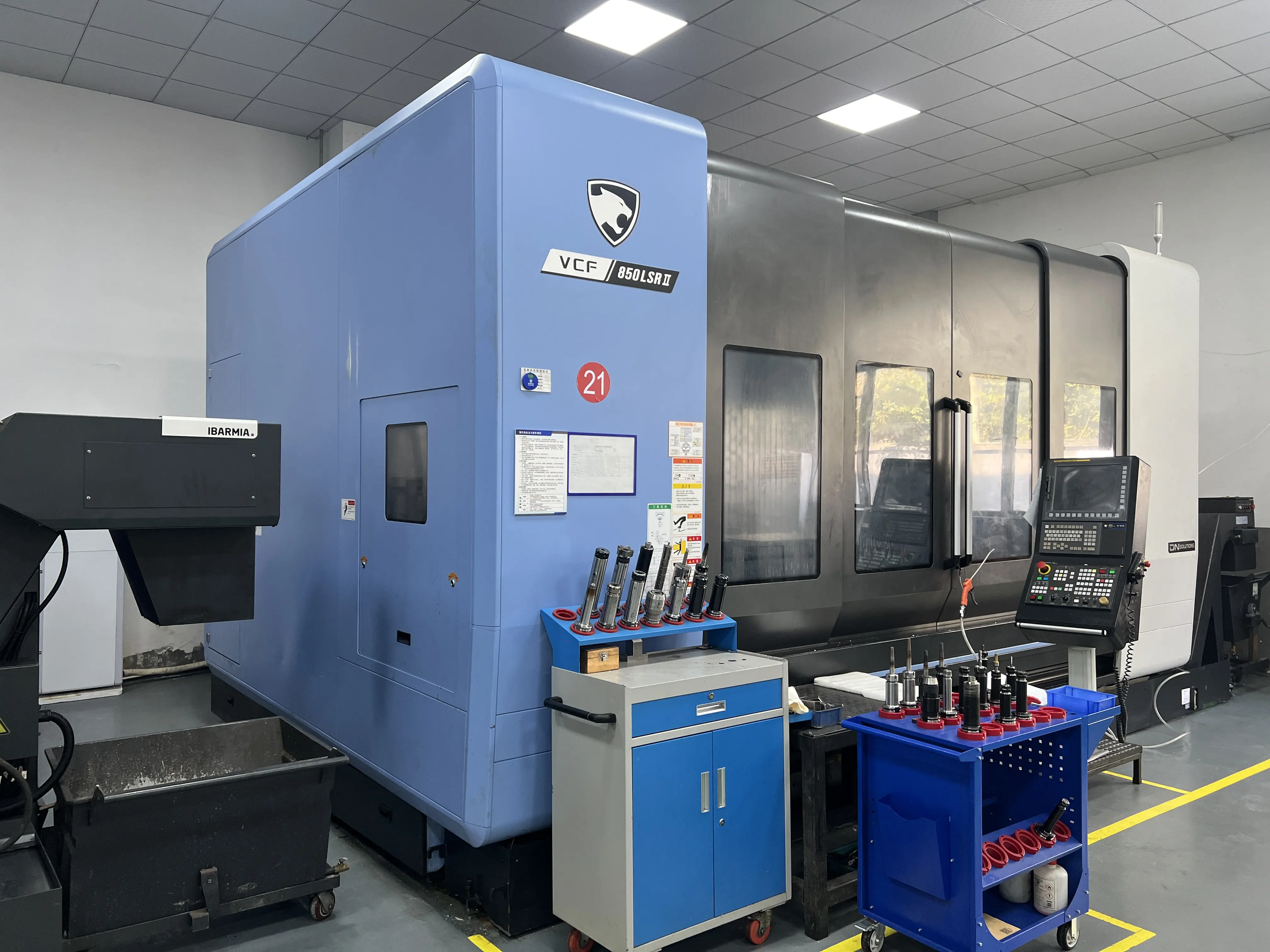
Exceptional Material Versatility and Capacity
Steel plate rolling machines demonstrate remarkable versatility in handling diverse material specifications and challenging fabrication requirements that would prove difficult or impossible with alternative forming methods. This exceptional adaptability stems from sophisticated hydraulic systems and adjustable roller configurations that accommodate materials ranging from thin gauge sheets to heavy structural plates exceeding several inches in thickness. The machines process various steel grades with equal proficiency, including standard carbon steels, high-strength low-alloy materials, stainless steel varieties, and specialized alloys used in demanding applications like pressure vessels and chemical processing equipment. Material handling capabilities extend beyond thickness variations to encompass different plate dimensions, with larger machines accommodating plates measuring twenty feet or more in width while maintaining precise control over forming parameters throughout the entire plate surface. The adjustable roller system allows for quick transitions between different material specifications without extensive retooling or lengthy setup procedures, enabling manufacturers to respond rapidly to changing customer requirements and tight delivery schedules. Advanced clamping and positioning systems ensure secure material retention during forming operations, preventing slippage or movement that could result in dimensional inaccuracies or surface defects. The machines excel at creating various curved profiles, from simple cylindrical shapes to complex conical configurations and custom radius requirements that meet specific engineering specifications. Temperature compensation features account for thermal expansion effects in materials processed at elevated temperatures, maintaining dimensional accuracy even when working with preheated plates or materials that generate heat during forming. The robust construction of steel plate rolling machines enables continuous operation under demanding production schedules while maintaining consistent performance standards regardless of material challenges or environmental conditions. Quality assurance becomes more predictable when working with machines that demonstrate proven capabilities across such a wide range of material specifications, as operators can confidently schedule diverse production runs knowing that the equipment will deliver consistent results regardless of material variations or complexity requirements.
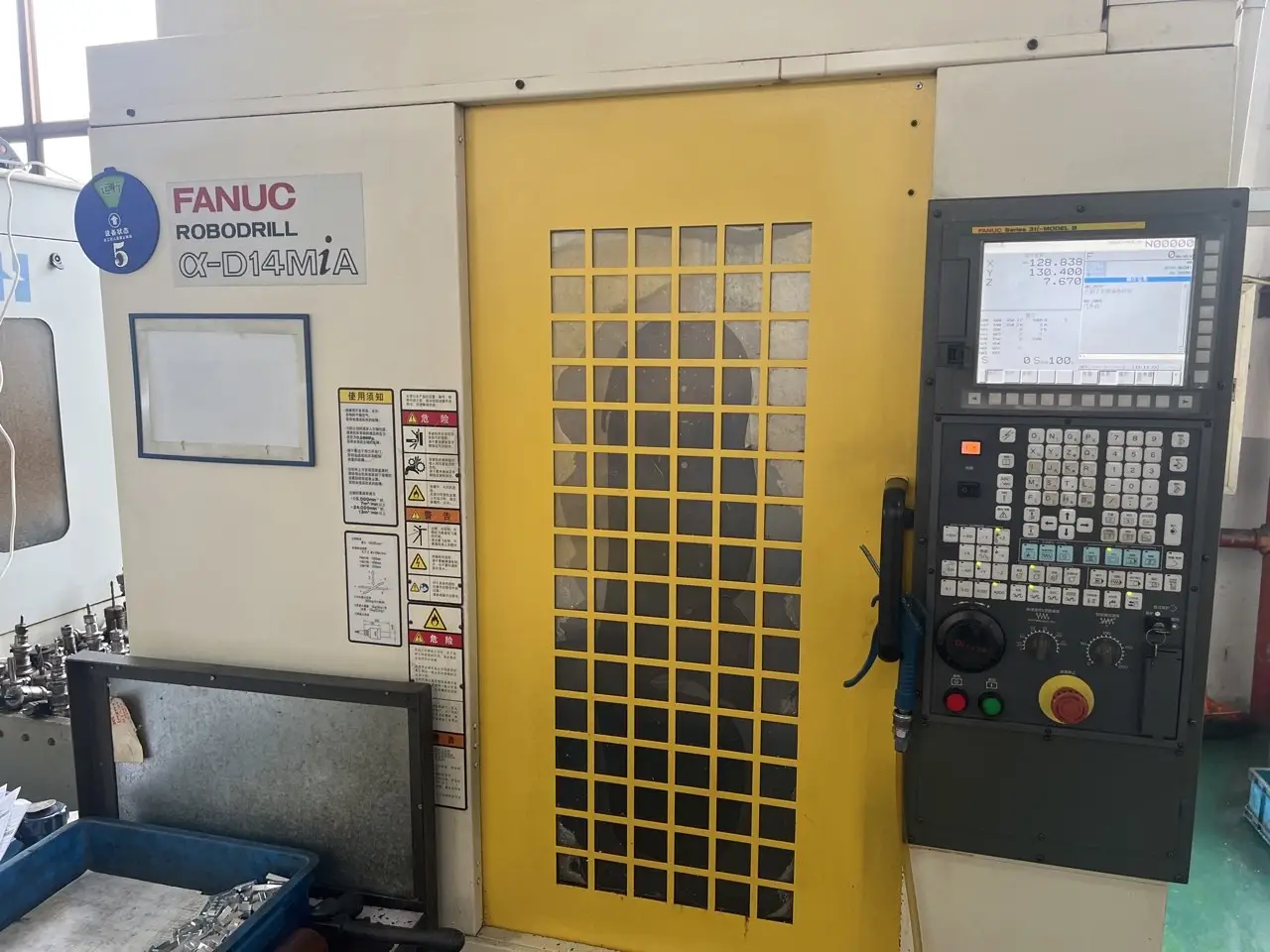
Enhanced Production Efficiency and Cost Effectiveness
The implementation of steel plate rolling machines delivers measurable improvements in production efficiency and cost-effectiveness that create substantial competitive advantages for manufacturing facilities across diverse industrial sectors. These efficiency gains manifest through multiple operational aspects, beginning with dramatically reduced cycle times that enable higher throughput without compromising quality standards or requiring additional labor resources. The continuous forming process inherent in rolling machine operations eliminates the multiple setup and positioning stages required by alternative forming methods, allowing operators to complete complex curved components in single operations rather than multi-stage processes. Automated material handling systems integrated with modern steel plate rolling machines minimize manual intervention requirements, reducing labor costs while improving workplace safety and consistency in production outcomes. The machines optimize material utilization by enabling precise control over forming parameters, significantly reducing scrap rates and material waste that typically accompany less sophisticated forming methods. Energy consumption remains remarkably efficient due to advanced hydraulic systems that apply force only when needed and incorporate regenerative technologies that recover and reuse energy during operation cycles. Maintenance requirements stay minimal thanks to robust engineering and simplified mechanical systems that require routine service rather than frequent repairs or component replacements. The predictable maintenance schedules associated with quality steel plate rolling machines enable better production planning and reduced unexpected downtime that can disrupt delivery commitments and customer relationships. Setup times between different production runs decrease substantially due to programmable control systems that store forming parameters for various material specifications and product configurations. Quality control processes become more streamlined as consistent machine performance reduces inspection requirements and minimizes the likelihood of defective products reaching customers. The enhanced production capacity provided by steel plate rolling machines allows manufacturers to accept larger orders and more challenging projects while maintaining delivery schedules and quality standards that strengthen customer relationships and market position. Return on investment accelerates through increased production volume, reduced operating costs, and improved product quality that commands premium pricing in competitive markets.