
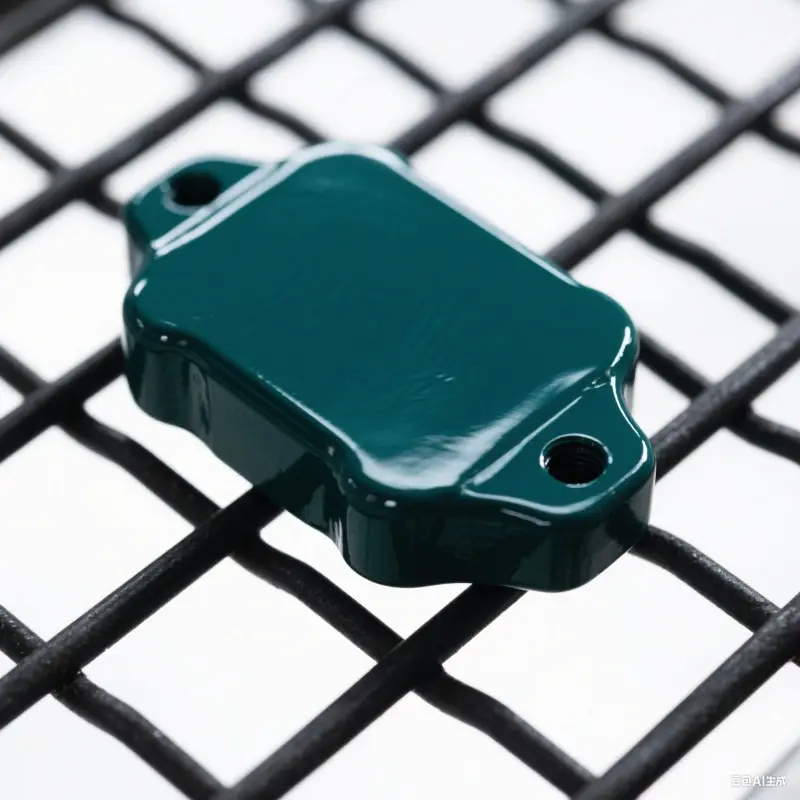
Surface treatment and coating represents a comprehensive technological approach that fundamentally transforms material properties through specialized chemical, physical, or mechanical processes applied to substrate surfaces. This advanced methodology encompasses various techniques including electroplating, anodizing, powder coating, thermal spraying, and chemical vapor deposition, each designed to enhance specific material characteristics. The primary functions of surface treatment and coating include corrosion resistance improvement, wear protection enhancement, aesthetic appeal augmentation, and functional property modification. These processes create protective barriers that shield underlying materials from environmental degradation, mechanical damage, and chemical attack. The technological features of modern surface treatment and coating systems incorporate precise thickness control, uniform coverage distribution, adhesion optimization, and customizable properties tailored to specific application requirements. Advanced coating formulations utilize nanotechnology, hybrid materials, and smart polymers to achieve superior performance characteristics previously unattainable with conventional methods. Applications span across automotive manufacturing, aerospace engineering, electronics production, construction materials, medical devices, marine equipment, and industrial machinery. In automotive applications, surface treatment and coating protects vehicle components from rust, enhances paint durability, and improves aerodynamic properties. Aerospace industries rely on specialized coatings for thermal barrier protection, electromagnetic interference shielding, and weight reduction without compromising structural integrity. Electronics manufacturing utilizes surface treatment processes for circuit board protection, component reliability enhancement, and signal transmission optimization. Construction applications benefit from weatherproofing capabilities, UV radiation resistance, and architectural aesthetic improvements. Medical device coating ensures biocompatibility, antimicrobial properties, and long-term performance in biological environments. Marine applications require superior saltwater corrosion resistance and antifouling properties to maintain equipment functionality in harsh oceanic conditions.
Surface treatment and coating delivers exceptional value through multiple practical benefits that directly impact operational efficiency and cost management. Enhanced durability stands as the foremost advantage, extending equipment lifespan significantly beyond untreated alternatives. This longevity reduces replacement frequency, minimizing downtime and maintenance costs while maximizing return on investment. Corrosion resistance provides substantial economic benefits by preventing material degradation in challenging environments. Companies operating in coastal regions, chemical processing facilities, or outdoor applications experience dramatic cost savings through reduced material replacement and repair expenses. Improved wear resistance characteristics protect high-friction components from premature failure, particularly valuable in manufacturing equipment, transportation systems, and industrial machinery where component replacement proves costly and time-consuming. Aesthetic enhancement capabilities transform ordinary surfaces into visually appealing finishes that maintain their appearance over extended periods. This benefit proves particularly valuable for architectural applications, consumer products, and brand-conscious industries where visual appeal directly influences customer perception and product value. Temperature resistance properties enable materials to perform reliably in extreme thermal conditions, expanding application possibilities and reducing the need for specialized high-temperature materials. Chemical resistance protects equipment exposed to aggressive chemicals, acids, bases, and solvents, preventing contamination and ensuring consistent performance in demanding industrial processes. Easy maintenance characteristics simplify cleaning procedures and reduce labor costs associated with equipment upkeep. Coated surfaces typically resist staining, facilitate dirt removal, and maintain their properties with minimal maintenance intervention. Electrical properties modification through specialized coatings enables enhanced conductivity or insulation as required, supporting advanced electronic applications and improving system reliability. Environmental compliance benefits help organizations meet increasingly stringent regulations regarding material emissions, safety standards, and environmental impact. Weight reduction possibilities through advanced coating technologies allow designers to achieve performance objectives while minimizing material usage, particularly important in aerospace and automotive applications where weight directly affects fuel efficiency and performance capabilities.
Advanced Corrosion Protection Technology
Surface treatment and coating technology employs sophisticated corrosion protection mechanisms that significantly outperform traditional protective methods, delivering comprehensive defense against environmental degradation and chemical attack. Modern corrosion-resistant coatings utilize multi-layer barrier systems that create impermeable shields between substrate materials and corrosive elements, effectively blocking moisture, oxygen, salt, and aggressive chemicals from reaching vulnerable metal surfaces. These advanced protective systems incorporate active corrosion inhibitors that provide self-healing properties, automatically repairing minor coating damage and preventing corrosion initiation at vulnerable points. Zinc-rich primers, for example, provide cathodic protection by sacrificing zinc particles to protect underlying steel substrates, while ceramic-based coatings offer superior chemical resistance and thermal stability for extreme environmental conditions. The electrochemical principles underlying these protection mechanisms ensure long-term performance even in the harshest industrial environments, including marine applications, chemical processing facilities, and outdoor infrastructure exposed to acid rain and industrial pollutants. Accelerated weathering tests demonstrate that properly applied surface treatment and coating systems can extend material lifespan by 300-500% compared to unprotected substrates, translating to substantial cost savings over equipment operational life. Industries operating in corrosive environments, such as offshore oil platforms, water treatment facilities, and chemical manufacturing plants, particularly benefit from these advanced protection capabilities. The economic impact extends beyond simple material replacement costs, encompassing reduced maintenance schedules, decreased safety risks associated with equipment failure, and improved operational reliability that prevents costly production interruptions. Advanced surface preparation techniques ensure optimal coating adhesion, while quality control measures guarantee consistent protective performance across large-scale industrial applications. Environmental considerations also favor modern coating technologies, as they eliminate the need for frequent repainting and reduce waste generation associated with premature equipment replacement, supporting sustainable industrial practices while delivering superior protection performance.
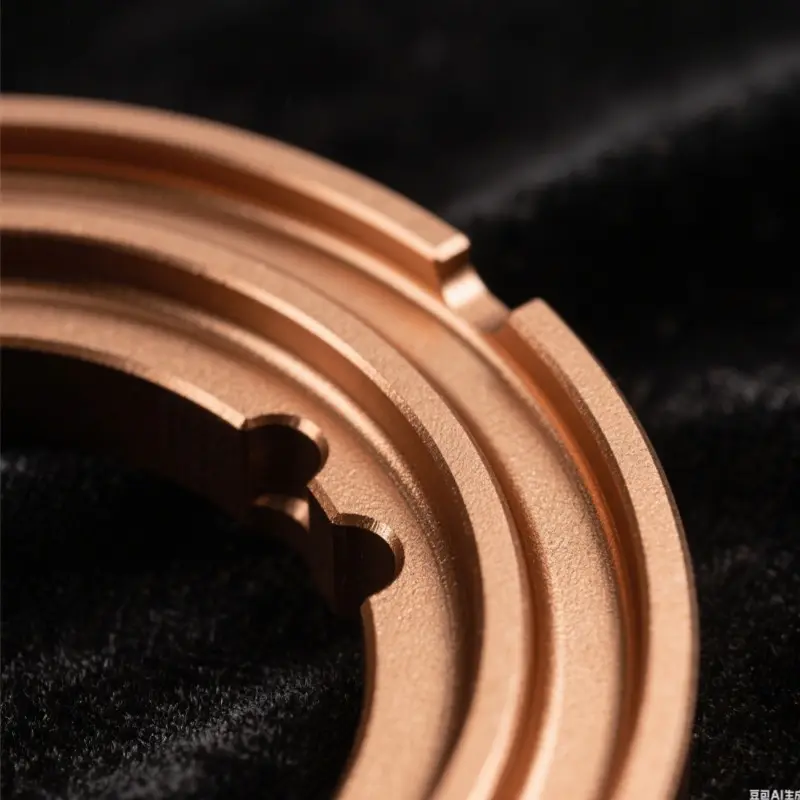
Precision Thickness Control and Uniform Coverage
Precision thickness control represents a critical technological advancement in surface treatment and coating applications, enabling manufacturers to achieve exact coating specifications while maintaining consistent quality across complex geometries and large production volumes. Modern coating systems utilize advanced application techniques including electrostatic spray guns, robotic automation, and computer-controlled deposition processes that ensure uniform thickness distribution within tight tolerances, typically maintaining variations below 10 micrometers across entire component surfaces. This precision directly impacts coating performance, as insufficient thickness compromises protection capabilities while excessive thickness wastes materials and may create adhesion problems or dimensional tolerance issues. Automated thickness monitoring systems provide real-time feedback during application processes, allowing immediate adjustments to maintain specifications and prevent costly rework or material waste. The economic benefits of precision thickness control extend throughout the manufacturing process, reducing material consumption through optimized coating usage while ensuring consistent product quality that meets demanding customer specifications. Quality assurance protocols incorporate non-destructive thickness measurement techniques including magnetic induction, eddy current testing, and ultrasonic measurement methods that verify coating integrity without damaging finished products. Complex geometries such as threaded components, internal passages, and irregular shapes require specialized application techniques and equipment designed to achieve uniform coverage in difficult-to-reach areas, ensuring complete protection without compromising component functionality. Surface treatment and coating processes benefit from advanced masking techniques and selective application methods that protect sensitive areas while ensuring complete coverage of critical surfaces, maintaining dimensional accuracy and functional requirements. Statistical process control methodologies track thickness variations and identify trends that enable proactive adjustments to maintain consistent quality standards throughout production runs. Training programs ensure operator competency in thickness control techniques, while equipment calibration schedules maintain measurement accuracy and application consistency. The result delivers reliable coating performance that meets or exceeds customer expectations while optimizing material usage and production efficiency, supporting both quality objectives and cost management goals in competitive manufacturing environments.
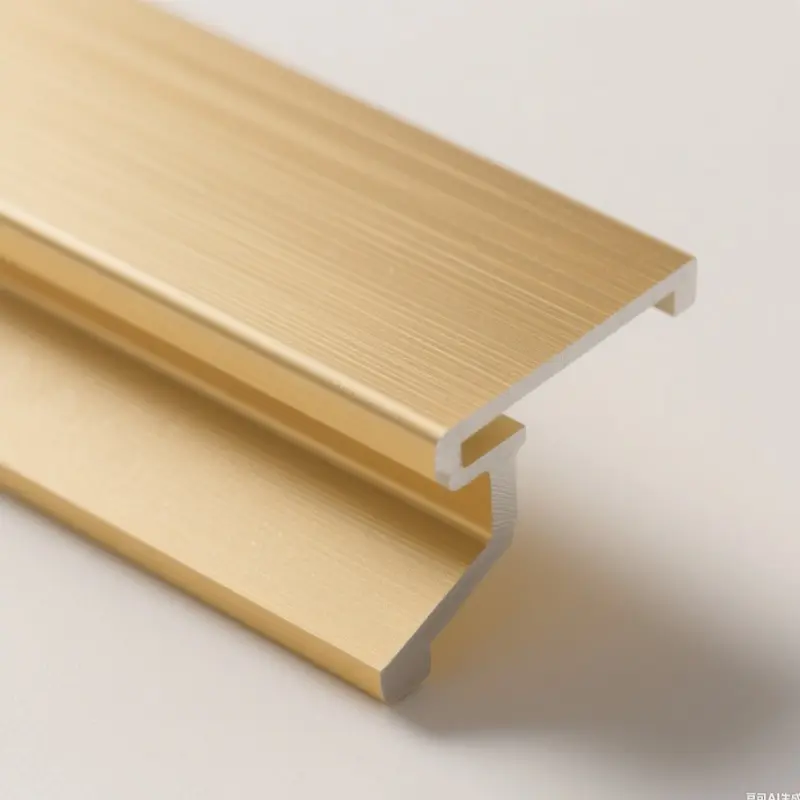
Multi-Functional Property Enhancement
Multi-functional property enhancement through advanced surface treatment and coating technologies enables materials to simultaneously achieve multiple performance objectives that would otherwise require separate treatments or specialized base materials, delivering comprehensive solutions that optimize both functionality and cost-effectiveness. These sophisticated coating systems integrate diverse properties including corrosion resistance, wear protection, thermal management, electrical conductivity or insulation, antimicrobial activity, and aesthetic appeal within single application processes, eliminating the complexity and expense associated with multiple treatment steps. Hybrid coating formulations combine organic polymers with inorganic fillers, creating synergistic effects that enhance individual property contributions while maintaining excellent adhesion and durability characteristics across diverse operating conditions. Nanotechnology integration enables property modification at molecular levels, incorporating functional nanoparticles that provide specific capabilities such as UV resistance, self-cleaning surfaces, or enhanced thermal conductivity without compromising other coating properties. Surface treatment and coating applications in aerospace industries exemplify multi-functional capabilities, where thermal barrier coatings simultaneously provide high-temperature protection, corrosion resistance, and weight reduction compared to traditional metallic alternatives. Medical device applications utilize biocompatible coatings that combine antimicrobial properties with excellent wear resistance and chemical inertness, ensuring patient safety while maintaining long-term device functionality. Electronics manufacturing benefits from coatings that provide electromagnetic interference shielding while maintaining electrical insulation properties and thermal management capabilities essential for reliable circuit operation. Automotive applications leverage multi-functional coatings that enhance paint adhesion, provide corrosion protection, improve fuel efficiency through reduced friction, and deliver aesthetic appeal through enhanced color stability and gloss retention. The economic advantages of multi-functional surface treatment and coating systems include reduced processing time, lower equipment investment requirements, simplified quality control procedures, and improved supply chain management through consolidated material purchasing. Performance optimization occurs through careful selection of coating components that complement rather than compete with each other, ensuring that enhanced properties work synergistically to deliver superior overall performance. Customization capabilities enable manufacturers to tailor coating properties to specific application requirements, balancing different performance characteristics to achieve optimal solutions for unique operating conditions and customer specifications.