
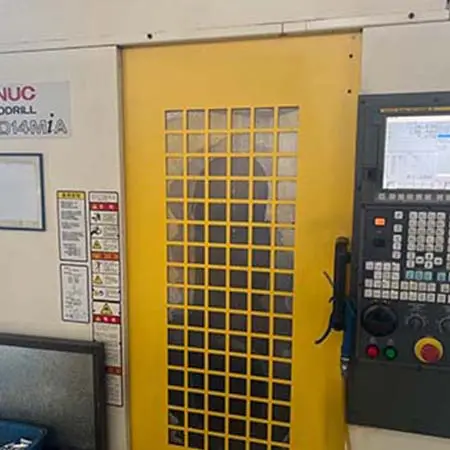
Manufacturing precision components for complex designs requires advanced techniques that can deliver consistent accuracy across multiple operations. Modern industrial applications demand parts with exceptionally tight tolerances, often within micrometers, which traditional manufacturing methods struggle to achieve reliably. Integrated CNC custom processing has emerged as the definitive solution for companies seeking to produce intricate components while maintaining stringent dimensional requirements. This comprehensive approach combines multiple machining operations within a single setup, eliminating the accumulation of errors that typically occurs when parts are transferred between different machines or operations.
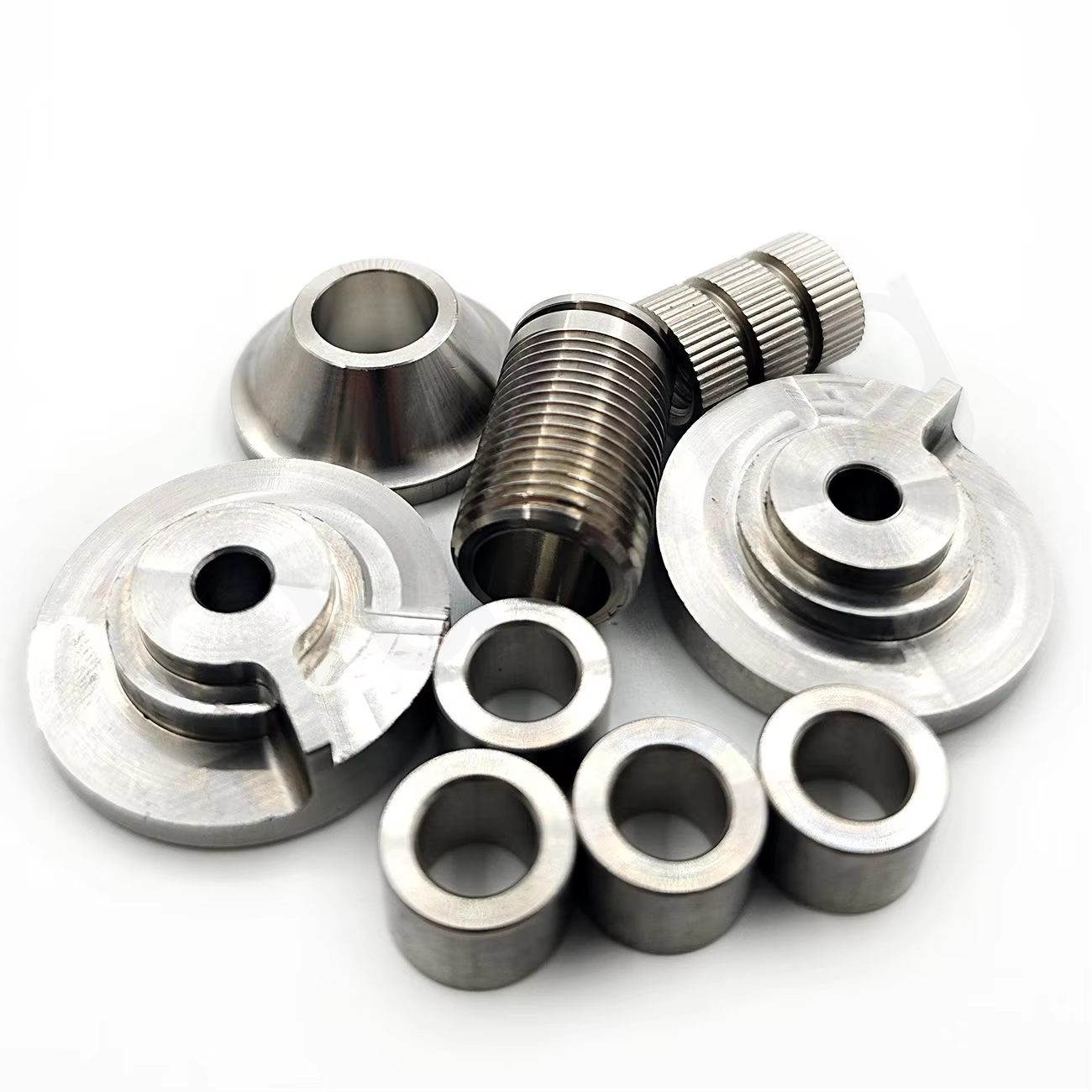
Understanding the Fundamentals of Integrated CNC Processing
Complete Machining Operations in Single Setup
The core principle behind integrated CNC custom processing lies in its ability to perform multiple machining operations without removing the workpiece from the machine. This methodology encompasses turning, milling, drilling, threading, and finishing operations within one continuous process. By maintaining the workpiece in a single fixture throughout the entire manufacturing cycle, manufacturers eliminate the positional errors that commonly occur during part transfers. The result is superior dimensional accuracy and geometric tolerances that would be impossible to achieve through conventional multi-setup approaches.
Advanced CNC machining centers equipped with live tooling capabilities enable this integrated approach by combining rotational and linear cutting operations simultaneously. These machines feature sophisticated control systems that coordinate multiple axes of movement while maintaining precise tool positioning throughout the entire machining sequence. The integration of automatic tool changers further enhances efficiency by allowing seamless transitions between different cutting tools without operator intervention.
Precision Fixturing and Workholding Technologies
Achieving tight tolerances in complex designs requires exceptional workholding capabilities that maintain part stability throughout extended machining cycles. Integrated CNC custom processing utilizes specialized fixturing systems designed to minimize workpiece deflection while providing access to all surfaces requiring machining. Hydraulic and pneumatic clamping systems apply consistent holding forces that adapt to varying cutting loads without compromising dimensional accuracy.
Modern workholding solutions incorporate modular designs that accommodate diverse part geometries while maintaining repeatability between production runs. These systems feature precision ground surfaces and carefully controlled clamping pressures that prevent distortion of thin-walled components or delicate features. The strategic placement of support points distributes clamping forces evenly, ensuring that even the most complex geometries maintain their intended dimensions throughout the machining process.
Advanced Control Systems and Programming Strategies
Multi-Axis Coordination and Path Optimization
The success of integrated CNC custom processing depends heavily on sophisticated control systems capable of managing complex tool paths across multiple axes simultaneously. Contemporary CNC controllers utilize advanced algorithms that optimize cutting sequences to minimize cycle times while maintaining surface quality and dimensional accuracy. These systems continuously monitor machine conditions and automatically adjust cutting parameters to compensate for tool wear, thermal effects, and material variations.
Real-time feedback systems integrated within modern CNC controls provide continuous monitoring of critical machining parameters including spindle load, cutting forces, and dimensional measurements. This data enables predictive adjustments that prevent quality issues before they occur, ensuring consistent results throughout extended production runs. The integration of adaptive control technologies allows the machining process to respond dynamically to changing conditions, maintaining optimal cutting parameters regardless of material variations or tool condition changes.
CAD/CAM Integration and Simulation Technologies
Effective implementation of integrated CNC custom processing requires seamless integration between design, programming, and manufacturing systems. Advanced CAD/CAM software platforms provide comprehensive simulation capabilities that verify machining strategies before actual production begins. These virtual environments enable programmers to optimize tool paths, identify potential collisions, and validate dimensional outcomes without consuming valuable machine time or material resources.
Sophisticated simulation algorithms account for machine dynamics, cutting tool deflection, and thermal effects to predict final part dimensions with remarkable accuracy. This predictive capability allows manufacturers to implement compensation strategies that counteract known sources of error, resulting in parts that meet tight tolerance requirements consistently. The integration of measurement data from previous production runs further enhances simulation accuracy, creating a continuous improvement cycle that refines manufacturing processes over time.
Material Considerations and Cutting Tool Technologies
Optimized Tool Selection for Complex Geometries
The demanding nature of integrated CNC custom processing requires carefully selected cutting tools capable of maintaining precision across diverse machining operations. Advanced tool geometries featuring specialized coatings and substrate materials enable consistent performance when machining challenging materials such as hardened steels, exotic alloys, and composite materials. Tool selection strategies must consider the entire machining sequence, ensuring that each cutting tool maintains its edge integrity throughout the complete production cycle.
Modern cutting tool technologies incorporate ceramic and carbide substrates with nano-structured coatings that provide exceptional wear resistance and thermal stability. These advanced materials enable higher cutting speeds and feeds while maintaining dimensional accuracy, reducing cycle times without compromising quality. The strategic application of coolant and lubrication systems further extends tool life while improving surface finish quality across all machined surfaces.
Material Property Management and Thermal Control
Different materials respond uniquely to machining operations, requiring customized approaches within integrated CNC custom processing strategies. Aluminum alloys offer excellent machinability but require careful temperature control to prevent dimensional changes during machining. Stainless steel materials demand specialized cutting parameters and tool geometries to manage work hardening effects while maintaining surface quality.
Thermal management systems play a crucial role in maintaining dimensional stability throughout extended machining cycles. Controlled coolant delivery systems maintain consistent temperatures across the workpiece, preventing thermal expansion that could compromise tight tolerances. Advanced temperature monitoring systems provide real-time feedback that enables automatic adjustment of cutting parameters to maintain optimal thermal conditions throughout the entire manufacturing process.
Quality Assurance and Measurement Integration
In-Process Measurement and Feedback Systems
Maintaining tight tolerances in complex designs requires continuous verification of dimensional accuracy throughout the machining process. Integrated CNC custom processing incorporates sophisticated measurement systems that provide real-time feedback on critical dimensions without interrupting production flow. Touch probe systems and laser measurement devices enable automatic verification of part dimensions at strategic points within the machining sequence.
Advanced measurement integration allows for automatic compensation adjustments when dimensions drift beyond acceptable limits. These systems utilize statistical process control algorithms that identify trending patterns and implement corrective actions before parts fall outside specification limits. The continuous feedback loop between measurement and machining operations ensures consistent quality while minimizing scrap and rework requirements.
Statistical Process Control and Documentation
Comprehensive quality assurance in integrated CNC custom processing requires detailed documentation of all process parameters and measurement results. Modern manufacturing execution systems automatically capture and analyze production data, creating detailed records that enable traceability and continuous improvement initiatives. Statistical analysis tools identify correlations between process variables and quality outcomes, enabling optimization strategies that enhance overall manufacturing performance.
Real-time quality dashboards provide immediate visibility into production status and quality trends, enabling rapid response to emerging issues. Automated reporting systems generate comprehensive documentation that satisfies regulatory requirements while providing valuable insights into process capabilities and improvement opportunities. This data-driven approach ensures consistent quality while supporting continuous refinement of manufacturing processes.
Cost-Effectiveness and Production Efficiency Benefits
Reduced Setup Times and Labor Requirements
The consolidated nature of integrated CNC custom processing significantly reduces setup requirements compared to conventional multi-operation manufacturing approaches. Single-setup processing eliminates the time and labor associated with multiple part transfers, fixturing changes, and machine setups. This efficiency gain translates directly into reduced manufacturing costs while simultaneously improving delivery schedules and production capacity utilization.
Automated tool changing and part loading systems further enhance productivity by minimizing operator intervention requirements. These systems enable lights-out manufacturing capabilities that maximize machine utilization while reducing labor costs. The consistent setup and processing conditions achieved through integration result in predictable cycle times and improved scheduling accuracy, enabling more efficient production planning and resource allocation.
Improved Material Utilization and Waste Reduction
Integrated CNC custom processing optimizes material utilization through precise planning and execution of machining sequences. Advanced nesting algorithms and material optimization software minimize raw material waste while maximizing the number of parts produced from each piece of stock material. The improved accuracy achieved through single-setup processing reduces scrap rates and rework requirements, further enhancing material efficiency.
Comprehensive process planning enables optimal use of material properties and grain structure, resulting in parts with enhanced mechanical characteristics and improved performance. The reduced handling and processing steps associated with integrated manufacturing minimize the risk of damage or contamination that could compromise part quality or require additional processing operations.
Industry Applications and Case Studies
Aerospace and Defense Manufacturing
The aerospace industry represents one of the most demanding applications for integrated CNC custom processing, requiring components with exceptional precision and reliability. Critical flight components such as engine mounts, landing gear components, and structural elements demand tolerances measured in thousandths of an inch while maintaining perfect surface finishes and geometric relationships. Integrated processing approaches enable manufacturers to achieve these stringent requirements consistently while meeting strict certification and traceability standards.
Advanced aerospace materials including titanium alloys, Inconel, and carbon fiber composites present unique machining challenges that benefit significantly from integrated processing approaches. The ability to complete complex geometries within single setups eliminates the risk of cumulative errors that could compromise critical safety margins. Comprehensive documentation and process control capabilities inherent in integrated CNC custom processing support the rigorous quality requirements and regulatory compliance demands of aerospace applications.
Medical Device and Precision Instrument Manufacturing
Medical device manufacturing requires exceptional precision and surface quality standards that make integrated CNC custom processing an ideal solution. Surgical instruments, implantable components, and diagnostic equipment demand biocompatible materials processed to exacting specifications with flawless surface finishes. The controlled environment and reduced handling associated with single-setup processing minimize contamination risks while ensuring dimensional accuracy critical to medical device performance.
Precision instruments used in scientific and industrial applications benefit from the superior geometric accuracy achievable through integrated processing methods. Optical components, measurement devices, and calibration standards require exceptional form and position tolerances that traditional manufacturing approaches struggle to achieve consistently. The thermal stability and reduced setup variation inherent in integrated CNC custom processing enable manufacturers to meet these demanding requirements while maintaining cost-effective production volumes.
Future Developments and Technology Trends
Artificial Intelligence and Machine Learning Integration
The future of integrated CNC custom processing will be significantly enhanced through the incorporation of artificial intelligence and machine learning technologies. These advanced systems will analyze vast amounts of production data to identify optimal machining parameters and predict potential quality issues before they occur. Machine learning algorithms will continuously refine processing strategies based on historical performance data, enabling automatic optimization of cutting parameters, tool selection, and process sequences.
Predictive maintenance systems powered by artificial intelligence will monitor machine condition and tool wear patterns to schedule maintenance activities precisely when needed, minimizing unplanned downtime while maximizing equipment utilization. These intelligent systems will also enable adaptive processing that automatically adjusts to material variations, environmental conditions, and changing production requirements without human intervention.
Advanced Automation and Robotics Integration
Future developments in integrated CNC custom processing will incorporate sophisticated automation and robotics technologies that further enhance precision and efficiency. Collaborative robots will handle complex part loading and orientation tasks while maintaining the precise positioning required for tight tolerance manufacturing. Advanced vision systems will guide robotic handling equipment to achieve perfect part alignment and orientation, eliminating human error from critical setup operations.
Fully automated manufacturing cells incorporating integrated CNC custom processing will enable continuous production with minimal human oversight. These systems will feature automatic quality verification, tool condition monitoring, and adaptive process control that maintains consistent output quality regardless of production volume or complexity requirements. The integration of advanced sensors and feedback systems will create intelligent manufacturing environments that optimize performance in real-time.
FAQ
What makes integrated CNC custom processing more accurate than traditional multi-setup machining?
Integrated CNC custom processing achieves superior accuracy by eliminating the cumulative errors that occur when parts are transferred between different machines or setups. Each time a workpiece is repositioned or re-fixtured, small positioning errors are introduced that compound throughout the manufacturing process. By completing all machining operations within a single setup, integrated processing maintains the original reference surfaces and coordinate systems, resulting in dimensional accuracy that can be ten times better than conventional approaches. The consistent workholding and environmental conditions throughout the entire machining cycle further enhance precision by eliminating variables that typically affect part dimensions.
How does integrated CNC processing handle complex geometries with multiple features?
Complex geometries requiring multiple machining operations benefit significantly from integrated CNC custom processing through coordinated multi-axis movement and sophisticated tool path planning. Advanced CNC machines equipped with simultaneous 5-axis capabilities can access virtually any surface or feature without repositioning the workpiece. Live tooling systems enable the combination of turning and milling operations within the same setup, allowing for complex features such as cross-holes, angled surfaces, and intricate internal geometries. Computer-aided manufacturing software optimizes tool paths to minimize machining time while maintaining surface quality and dimensional accuracy across all features.
What types of materials are best suited for integrated CNC custom processing?
Integrated CNC custom processing is highly effective across a wide range of materials, from common aluminum and steel alloys to exotic superalloys and advanced composites. Aluminum alloys are particularly well-suited due to their excellent machinability and thermal conductivity, which helps maintain dimensional stability during extended machining cycles. Stainless steel grades benefit from the consistent cutting conditions and controlled work hardening that integrated processing provides. Titanium and Inconel alloys, commonly used in aerospace applications, require the precise temperature and cutting force control that integrated systems deliver. Even challenging materials like hardened tool steels and ceramic composites can be processed effectively when proper tooling and cutting parameters are employed within an integrated approach.
How does integrated CNC processing compare in terms of cost-effectiveness for small batch production?
Integrated CNC custom processing offers excellent cost-effectiveness for small batch production due to reduced setup times and elimination of work-in-process inventory between operations. While the initial machine investment may be higher than conventional equipment, the labor savings from single-setup processing and improved first-pass yield significantly reduce per-part costs. The elimination of multiple setups reduces programming time and setup labor, while the superior accuracy reduces inspection requirements and eliminates costly rework. For complex parts requiring tight tolerances, integrated processing often proves more economical than traditional approaches even for prototype and small batch quantities, particularly when factoring in the reduced lead times and improved delivery reliability that result from streamlined processing.