
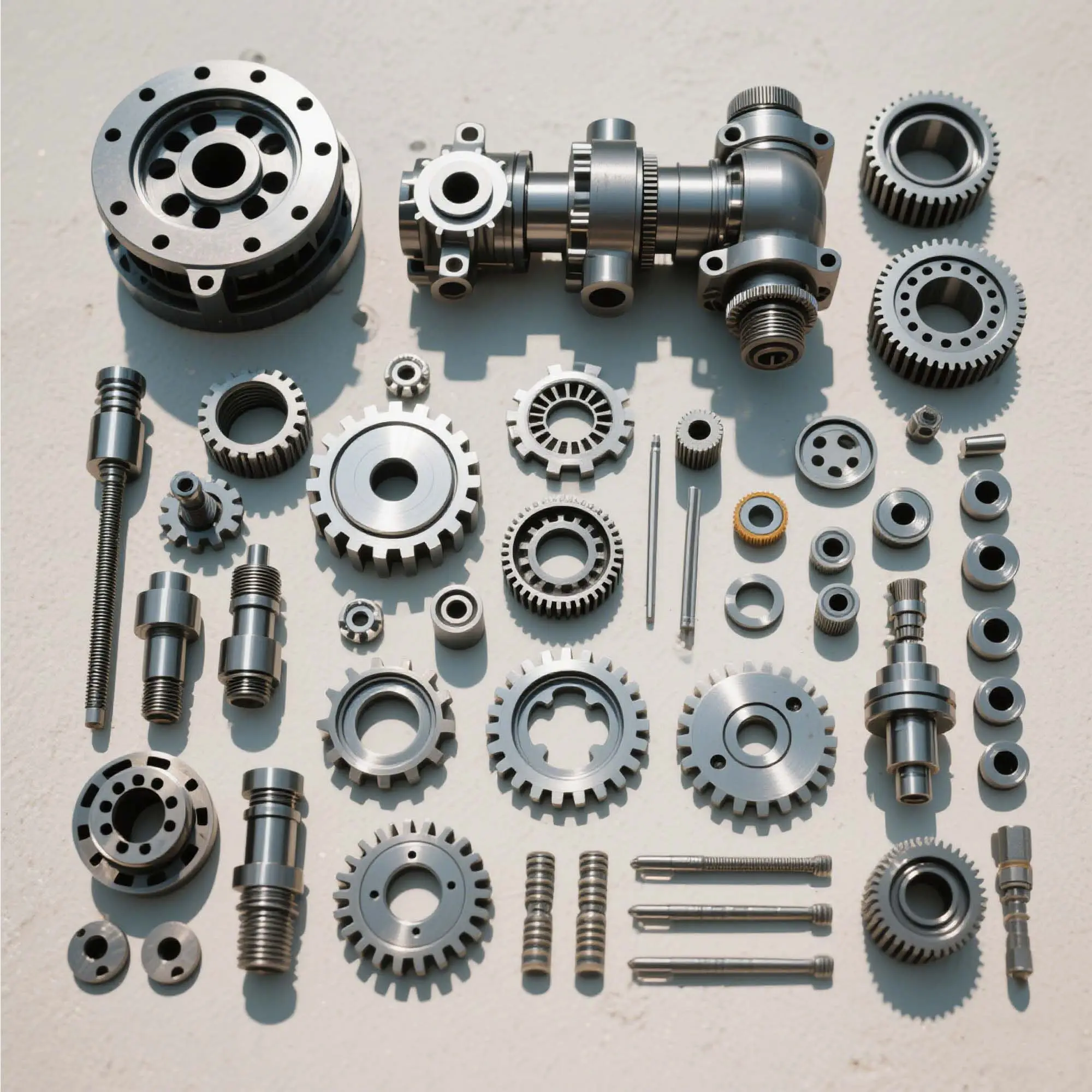
A CNC automotive parts manufacturer represents a specialized production facility that utilizes Computer Numerical Control technology to create precision components for the automotive industry. These manufacturers serve as critical suppliers in the global automotive supply chain, producing essential parts that meet stringent quality standards and exact specifications required by vehicle manufacturers. The primary function of a CNC automotive parts manufacturer involves transforming raw materials such as aluminum, steel, titanium, and various alloys into finished components through automated machining processes. These facilities operate sophisticated CNC machines including multi-axis mills, lathes, and machining centers that can execute complex cutting operations with remarkable accuracy. The technological backbone of a CNC automotive parts manufacturer relies on advanced CAD/CAM software systems that translate engineering designs into precise machine instructions. Modern facilities incorporate real-time monitoring systems, quality control sensors, and automated inspection equipment to ensure consistent output quality. The manufacturing process typically begins with material selection and preparation, followed by programming the CNC machines according to technical drawings and specifications. Advanced CNC automotive parts manufacturers utilize Industry 4.0 technologies, including IoT sensors, predictive maintenance systems, and data analytics platforms to optimize production efficiency and minimize downtime. Applications for CNC-manufactured automotive parts span across multiple vehicle systems, including engine components like cylinder heads and crankshafts, transmission parts, brake system components, suspension elements, and body panels. These manufacturers also produce specialized racing components, electric vehicle parts, and prototype components for automotive research and development. The versatility of CNC technology allows manufacturers to produce both high-volume production parts and low-volume specialized components with equal precision and reliability.
Partnering with a CNC automotive parts manufacturer delivers substantial benefits that directly impact your bottom line and operational efficiency. The most significant advantage lies in the exceptional precision these manufacturers achieve through computer-controlled machining processes. Unlike traditional manufacturing methods, CNC automotive parts manufacturers can maintain tolerances as tight as ±0.001 inches consistently across thousands of parts, eliminating the variability that leads to costly recalls and warranty claims. This precision translates to improved vehicle performance, reduced noise levels, and enhanced fuel efficiency for end consumers. Cost effectiveness represents another major benefit when working with a CNC automotive parts manufacturer. The automated nature of CNC production reduces labor costs while simultaneously increasing production speed and consistency. These manufacturers can produce parts 24 hours a day with minimal supervision, significantly reducing per-unit costs compared to manual machining methods. Additionally, the ability to program multiple operations into a single setup reduces handling time and eliminates potential errors associated with part transfers between different machines. Quality assurance becomes dramatically simplified when sourcing from a CNC automotive parts manufacturer. These facilities employ automated inspection systems that check dimensions and surface finishes in real-time, catching defects before they reach your assembly line. This proactive quality control approach saves substantial costs associated with rework, scrap, and production delays. Many CNC automotive parts manufacturers also maintain ISO certification and implement statistical process control methods that provide detailed documentation for traceability and compliance requirements. Flexibility in production volumes sets CNC automotive parts manufacturers apart from traditional suppliers. Whether you need prototype quantities for testing or full production volumes, these manufacturers can adjust their output without significant setup changes or tooling investments. This scalability proves invaluable during product launches, seasonal demand fluctuations, or market expansions. The rapid prototyping capabilities of CNC automotive parts manufacturers accelerate your product development cycles, allowing you to test and refine designs quickly before committing to full production runs. Material optimization represents an often-overlooked advantage of working with CNC automotive parts manufacturers. These facilities can work with advanced materials including lightweight alloys, composites, and specialized steels that improve vehicle performance while reducing weight. The precision cutting capabilities minimize material waste, contributing to both cost savings and environmental sustainability goals.
Advanced Multi-Axis Machining Capabilities
The cornerstone of any leading CNC automotive parts manufacturer lies in their advanced multi-axis machining capabilities, which represent a quantum leap forward in manufacturing precision and efficiency. Modern CNC automotive parts manufacturers employ 5-axis and even 7-axis machining centers that can manipulate cutting tools and workpieces simultaneously across multiple planes of movement. This sophisticated technology eliminates the need for multiple setups and manual repositioning, dramatically reducing production time while maintaining exceptional accuracy throughout complex geometries. The multi-axis approach proves particularly valuable when manufacturing intricate automotive components such as turbine housings, intake manifolds, and transmission cases that feature complex internal passages and curved surfaces. A skilled CNC automotive parts manufacturer leverages these capabilities to machine complete components in a single operation, eliminating potential errors and dimensional variations that occur when transferring parts between different machines or setups. The technology enables the creation of undercuts, angled holes, and complex contours that would be impossible or extremely expensive to achieve through conventional manufacturing methods. This capability directly translates to superior part quality, reduced assembly time, and improved overall vehicle performance. The economic benefits of multi-axis machining extend beyond mere production efficiency. By consolidating multiple operations into a single setup, CNC automotive parts manufacturers significantly reduce tooling costs, eliminate work-in-process inventory, and minimize handling damage risks. The reduced cycle times enable faster delivery schedules, helping automotive manufacturers meet tight production deadlines and respond quickly to market demands. Furthermore, the enhanced surface finishes achievable through multi-axis machining often eliminate secondary operations such as grinding or polishing, providing additional cost savings and quality improvements. The precision achievable through advanced multi-axis systems ensures that critical automotive components meet the increasingly stringent tolerances required by modern engines and transmissions, contributing to improved fuel efficiency, reduced emissions, and enhanced durability.
Integrated Quality Control and Inspection Systems
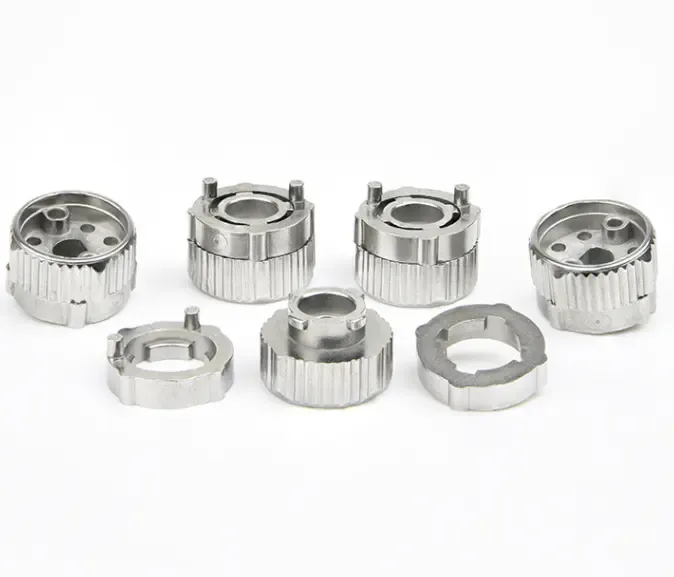
A professional CNC automotive parts manufacturer distinguishes itself through comprehensive integrated quality control and inspection systems that ensure every component meets exact specifications before leaving the facility. These sophisticated systems represent a fundamental shift from traditional post-production inspection methods to real-time monitoring and control throughout the manufacturing process. Advanced CNC automotive parts manufacturers implement coordinate measuring machines (CMM), laser scanning systems, and vision inspection technology directly integrated with their machining centers. This integration enables immediate detection and correction of dimensional variations, surface finish irregularities, and other quality issues before they compound into expensive production problems. The automated inspection systems continuously monitor critical dimensions, geometric tolerances, and surface characteristics while parts are being machined, providing instant feedback to machine operators and quality control personnel. Statistical process control software analyzes inspection data in real-time, identifying trends and potential issues before they result in out-of-specification parts. This proactive approach to quality management significantly reduces scrap rates, eliminates costly rework operations, and ensures consistent part quality across entire production runs. The traceability capabilities of integrated quality systems provide complete documentation of every manufacturing step, including material certifications, machining parameters, inspection results, and operator information. This comprehensive documentation proves invaluable for automotive manufacturers who must maintain detailed records for regulatory compliance, warranty tracking, and continuous improvement initiatives. When quality issues do arise in the field, the detailed records enable rapid root cause analysis and corrective action implementation. The economic impact of integrated quality control extends throughout the entire supply chain. By eliminating defective parts before they reach automotive assembly lines, CNC automotive parts manufacturers help their customers avoid costly production delays, warranty claims, and recall situations. The consistent quality output enables automotive manufacturers to implement lean manufacturing principles, reducing inspection requirements at receiving and minimizing safety stock levels. Additionally, the reputation for quality that comes from robust inspection systems often leads to preferred supplier status and long-term contract opportunities, providing sustainable business growth for both the CNC automotive parts manufacturer and their automotive customers.
Rapid Prototyping and Low-Volume Production Expertise
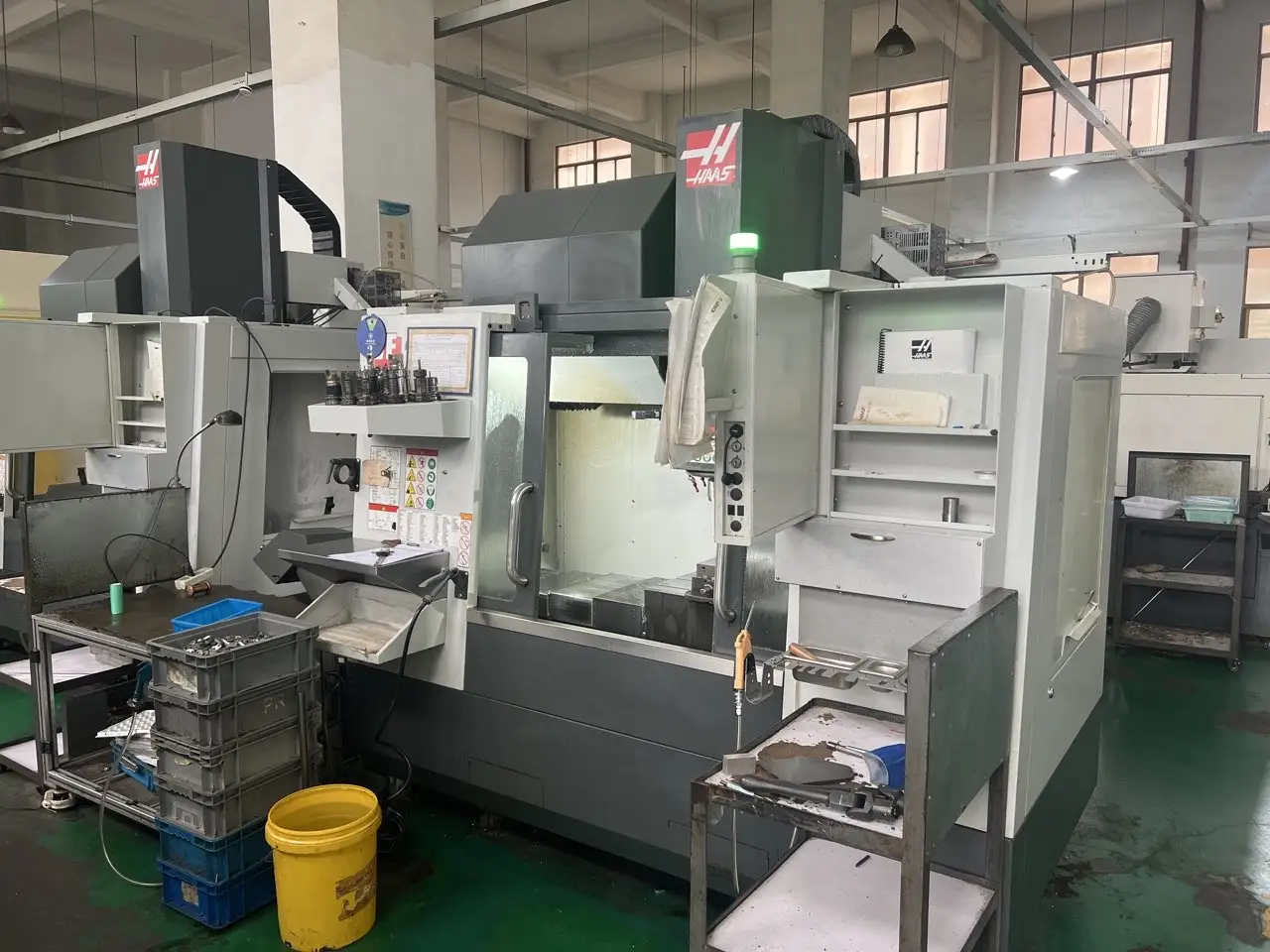
The ability to seamlessly transition between prototype development and full production represents a critical competitive advantage that sets exceptional CNC automotive parts manufacturers apart from conventional suppliers. This flexibility becomes increasingly important as automotive manufacturers face pressure to reduce development cycles, test multiple design iterations, and respond quickly to changing market demands. A skilled CNC automotive parts manufacturer maintains dedicated rapid prototyping capabilities that can produce functional parts within days of receiving CAD files, enabling automotive engineers to physically test and validate designs early in the development process. The rapid prototyping capabilities extend beyond simple dimensional verification to include functional testing of mechanical properties, assembly compatibility, and performance characteristics under actual operating conditions. CNC automotive parts manufacturers achieve this rapid turnaround through flexible manufacturing systems that can quickly reconfigure for different part geometries without extensive tooling changes or setup procedures. Advanced software systems enable rapid programming of complex geometries, while modular fixturing systems accommodate various part sizes and shapes with minimal changeover time. This agility proves particularly valuable during the automotive design process, where multiple iterations and design modifications are common before finalizing production specifications. The economic benefits of rapid prototyping capabilities compound throughout the product development cycle. By identifying design issues early through physical prototypes, automotive manufacturers can avoid costly changes during production tooling and launch phases. The ability to test multiple design variations quickly enables optimization for manufacturability, cost reduction, and performance improvement before committing to expensive production tooling. Furthermore, the rapid availability of prototype parts accelerates testing schedules and enables concurrent engineering approaches that compress overall development timelines. Low-volume production expertise complements rapid prototyping capabilities by providing a cost-effective bridge between prototype validation and full production commitment. Many automotive applications, particularly in specialized markets such as racing, luxury vehicles, or electric vehicle components, require production quantities that fall between prototype and high-volume manufacturing. CNC automotive parts manufacturers excel in this intermediate volume range, providing economical solutions that maintain production-quality standards without requiring expensive dedicated tooling or minimum order quantities. This capability proves essential for automotive manufacturers launching new products, serving niche markets, or providing service parts for discontinued models.