
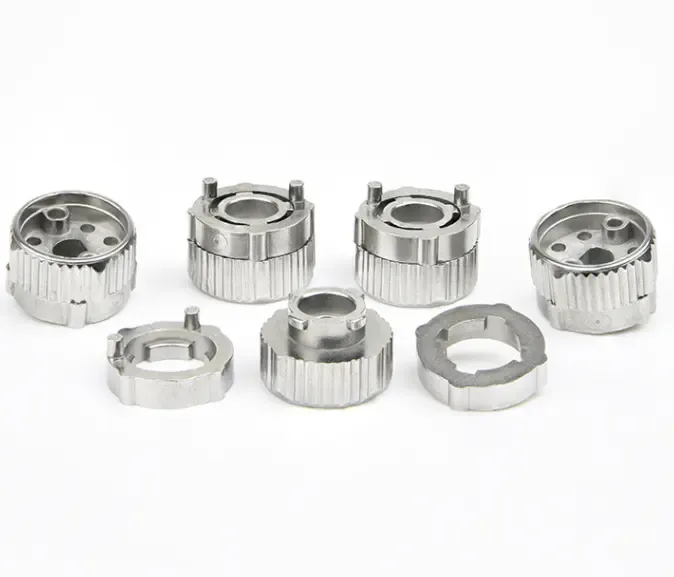
CNC precision machining represents a revolutionary manufacturing technology that transforms raw materials into precisely engineered components through computer-controlled cutting tools. This advanced manufacturing process utilizes Computer Numerical Control systems to execute complex machining operations with exceptional accuracy and repeatability. CNC precision machining operates through sophisticated software programs that direct automated machinery to perform cutting, drilling, milling, and turning operations on various materials including metals, plastics, and composites. The technology employs multi-axis capabilities, allowing simultaneous movement in multiple directions to create intricate geometries that would be impossible to achieve through traditional manual machining methods. Modern CNC precision machining centers feature advanced tooling systems, high-speed spindles, and real-time monitoring capabilities that ensure consistent quality output. The process begins with detailed CAD designs that are converted into machine-readable G-code instructions, enabling precise control over tool paths, cutting speeds, and feed rates. CNC precision machining excels in producing components with tight tolerances, typically achieving accuracies within micrometers. The technology supports both prototype development and high-volume production runs, making it versatile for industries ranging from aerospace to medical devices. Key technological features include automatic tool changers, coolant systems for temperature control, and advanced measurement systems for quality assurance. The applications of CNC precision machining span numerous industries including automotive manufacturing, aerospace engineering, medical device production, electronics fabrication, and defense systems. This technology enables the creation of complex engine components, surgical instruments, electronic housings, and precision tools. CNC precision machining continues to evolve with integration of artificial intelligence, IoT connectivity, and adaptive control systems that further enhance precision and efficiency in modern manufacturing environments.
CNC precision machining delivers substantial benefits that transform manufacturing operations and provide significant value to businesses across various industries. The primary advantage lies in exceptional accuracy and consistency, where CNC precision machining achieves tolerances as tight as ±0.0001 inches, ensuring every component meets exact specifications without deviation. This level of precision eliminates costly rework and reduces material waste, directly impacting production costs and delivery schedules. Another major benefit involves enhanced production efficiency through automated operations that run continuously with minimal human intervention. CNC precision machining systems operate around the clock, maximizing machine utilization and increasing overall output capacity. The technology significantly reduces labor costs by minimizing the need for skilled operators while maintaining superior quality standards. Quality control becomes more reliable through CNC precision machining because computer control eliminates human error and ensures consistent results across large production runs. The repeatability factor means that once a program is perfected, identical components can be produced indefinitely without quality degradation. Flexibility represents another crucial advantage, as CNC precision machining allows rapid changeovers between different parts by simply loading new programs. This capability enables manufacturers to respond quickly to market demands and customize products without extensive setup times or tooling changes. Material versatility expands manufacturing possibilities, with CNC precision machining capable of working with exotic alloys, hardened steels, titanium, aluminum, and advanced composites that traditional methods struggle to handle effectively. Cost reduction occurs through multiple channels including reduced scrap rates, lower labor requirements, decreased inspection time, and improved material utilization. The technology also enables complex geometries in single setups that would traditionally require multiple operations and fixtures, streamlining production workflows. Speed advantages emerge from high spindle speeds and optimized tool paths that CNC precision machining systems can execute far faster than manual operations. Additionally, the digital nature of CNC precision machining facilitates easy documentation, traceability, and quality records that support regulatory compliance and continuous improvement initiatives.
Unmatched Precision and Tolerance Control
CNC precision machining stands as the industry benchmark for achieving extraordinary dimensional accuracy and tight tolerance control that surpasses conventional manufacturing methods. This technological superiority stems from computer-controlled movements that eliminate human error and mechanical inconsistencies inherent in manual operations. CNC precision machining systems utilize advanced servo motors, precision ball screws, and linear encoders that provide positioning accuracy within micrometers, enabling manufacturers to meet the most demanding specifications across critical applications. The importance of this precision capability becomes evident in industries such as aerospace, where component failure due to dimensional variations can have catastrophic consequences. Medical device manufacturers rely on CNC precision machining to produce implants and surgical instruments that must conform to exact anatomical requirements and regulatory standards. The value proposition extends beyond mere accuracy to include consistent repeatability, where CNC precision machining delivers identical results across thousands of parts without degradation in quality. This consistency eliminates the need for extensive inspection processes and reduces rejection rates significantly. Advanced CNC precision machining centers incorporate real-time measurement systems and adaptive control technologies that automatically compensate for tool wear and thermal variations, maintaining precision throughout extended production runs. The economic impact of this precision translates to reduced warranty claims, improved customer satisfaction, and enhanced brand reputation. Companies utilizing CNC precision machining report substantial savings from eliminated rework costs and improved first-pass yield rates. Furthermore, the ability to hold tight tolerances enables design engineers to optimize product performance by specifying closer fits and reduced clearances that enhance functionality. CNC precision machining also supports advanced manufacturing techniques such as simultaneous multi-axis operations that create complex geometries in single setups, further improving precision by eliminating multiple handling operations that introduce cumulative errors.
Exceptional Production Efficiency and Speed
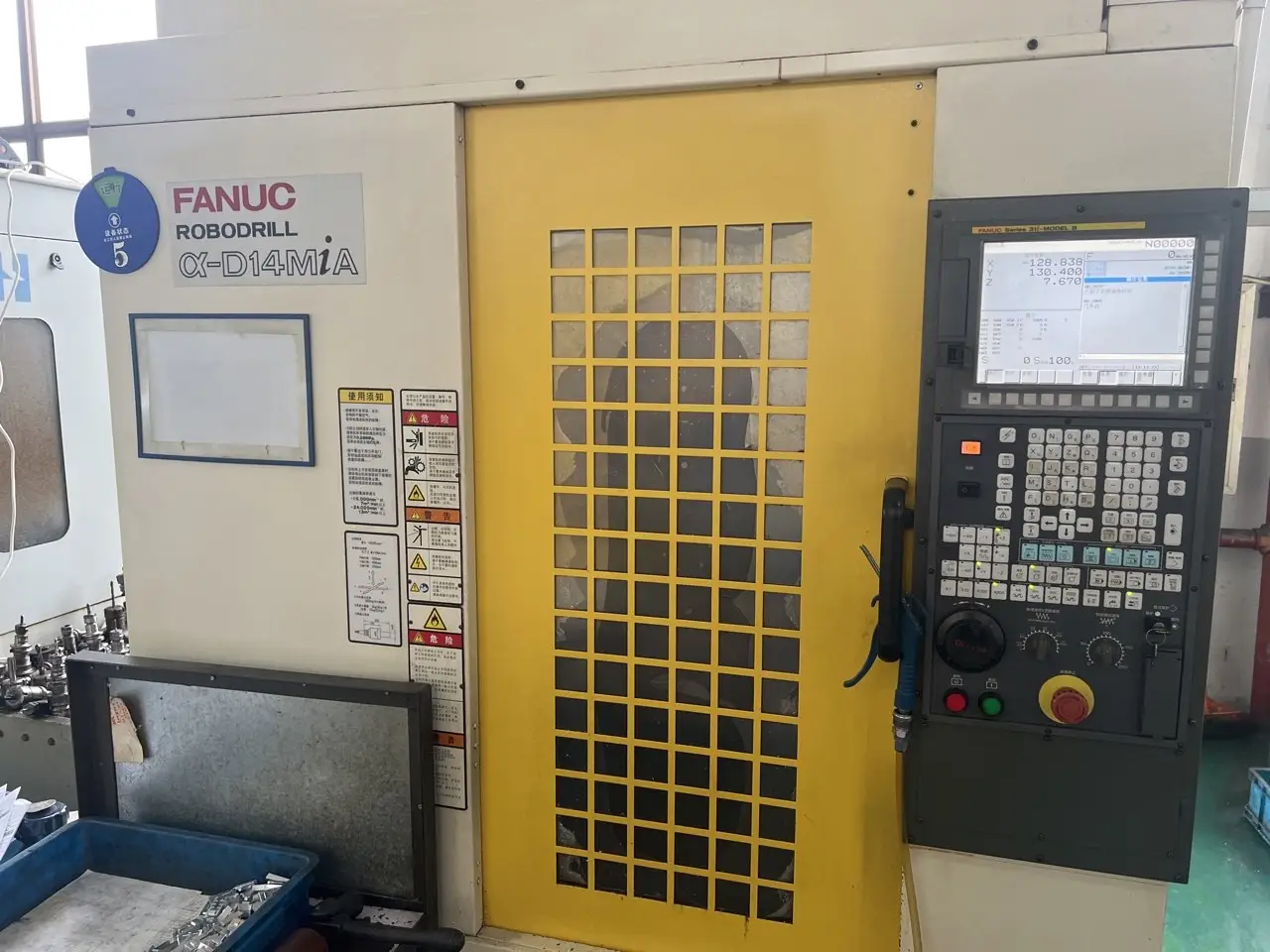
CNC precision machining revolutionizes manufacturing efficiency by delivering unprecedented production speeds while maintaining superior quality standards that traditional methods cannot match. The efficiency advantages stem from automated operations that eliminate manual intervention and optimize cutting parameters for maximum material removal rates. CNC precision machining systems operate with high-speed spindles capable of reaching thousands of RPM, combined with advanced tooling technologies that enable aggressive cutting strategies without compromising surface finish or dimensional accuracy. The importance of production efficiency becomes critical in competitive manufacturing environments where delivery times and cost effectiveness determine market success. Modern CNC precision machining centers feature automatic tool changers with extensive tool magazines that facilitate continuous operation without manual interruptions for tool changes. This automation capability allows CNC precision machining systems to run unattended during off-hours, effectively doubling or tripling production capacity without additional labor costs. The value of enhanced efficiency extends to reduced lead times, enabling manufacturers to respond rapidly to customer demands and market opportunities. CNC precision machining also optimizes material utilization through intelligent nesting algorithms and efficient cutting strategies that minimize waste generation. The technology supports simultaneous operations where multiple cutting tools work on different features concurrently, dramatically reducing cycle times compared to sequential operations typical in conventional machining. Advanced CNC precision machining systems incorporate predictive maintenance capabilities that monitor tool condition and machine performance, preventing unexpected downtime and maintaining consistent productivity levels. The economic benefits include improved machine utilization rates, reduced per-part costs, and enhanced competitiveness in price-sensitive markets. Companies implementing CNC precision machining report significant improvements in on-time delivery performance and customer satisfaction scores. Additionally, the digital nature of CNC precision machining enables optimization through simulation software that identifies the most efficient cutting strategies before actual production begins, further enhancing overall manufacturing efficiency and reducing development time for new products.
Superior Material Versatility and Complex Geometry Capabilities
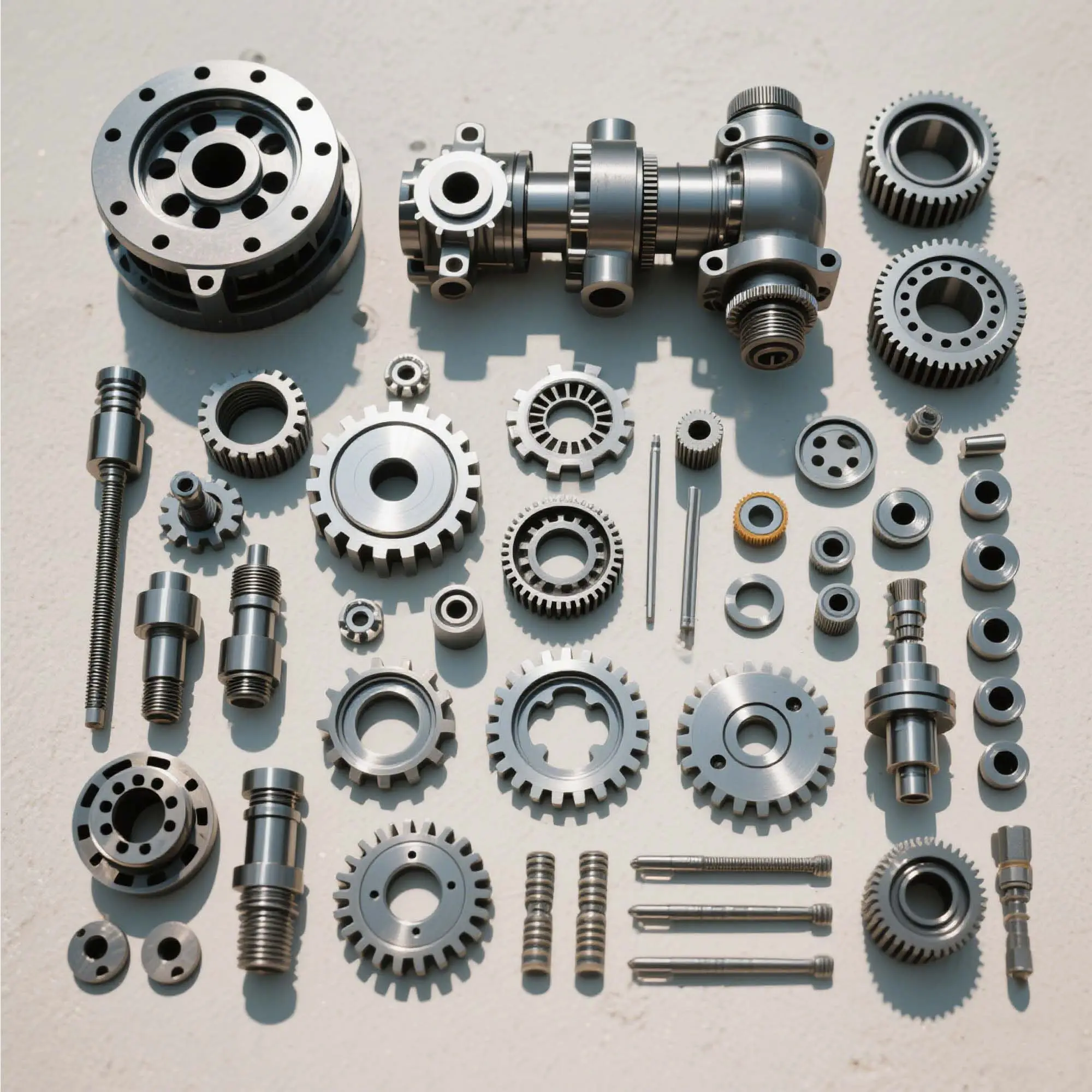
CNC precision machining demonstrates exceptional versatility in handling diverse materials and creating complex geometries that expand design possibilities far beyond traditional manufacturing limitations. This capability encompasses working with challenging materials including hardened steels, exotic alloys, titanium, carbon fiber composites, and advanced ceramics that require specialized cutting strategies and tooling solutions. The importance of material versatility becomes evident in industries such as aerospace and medical devices, where performance requirements demand specific material properties that standard manufacturing methods cannot effectively process. CNC precision machining systems utilize adaptive control technologies that automatically adjust cutting parameters based on material characteristics, ensuring optimal results regardless of workpiece material. The value of this versatility translates to expanded market opportunities and the ability to serve diverse customer requirements from a single manufacturing platform. Complex geometry capabilities represent another crucial advantage, where CNC precision machining creates intricate three-dimensional shapes, internal cavities, and precise contours through multi-axis simultaneous movements. Five-axis CNC precision machining centers can access any surface orientation, eliminating the need for multiple setups and special fixtures while maintaining superior accuracy throughout complex part geometries. This capability enables manufacturers to produce components that would be impossible or prohibitively expensive using conventional methods. The economic benefits include reduced tooling costs, shorter lead times, and improved design flexibility that allows engineers to optimize part performance without manufacturing constraints. CNC precision machining also supports micro-machining applications where feature sizes measure in micrometers, opening opportunities in electronics, medical devices, and precision instruments. Advanced CNC precision machining systems incorporate high-frequency spindles and specialized tooling that enable processing of brittle materials and creation of micro-features with exceptional surface quality. The technology facilitates innovative design approaches such as internal cooling channels, complex port geometries, and integrated features that eliminate assembly operations and improve product reliability.