
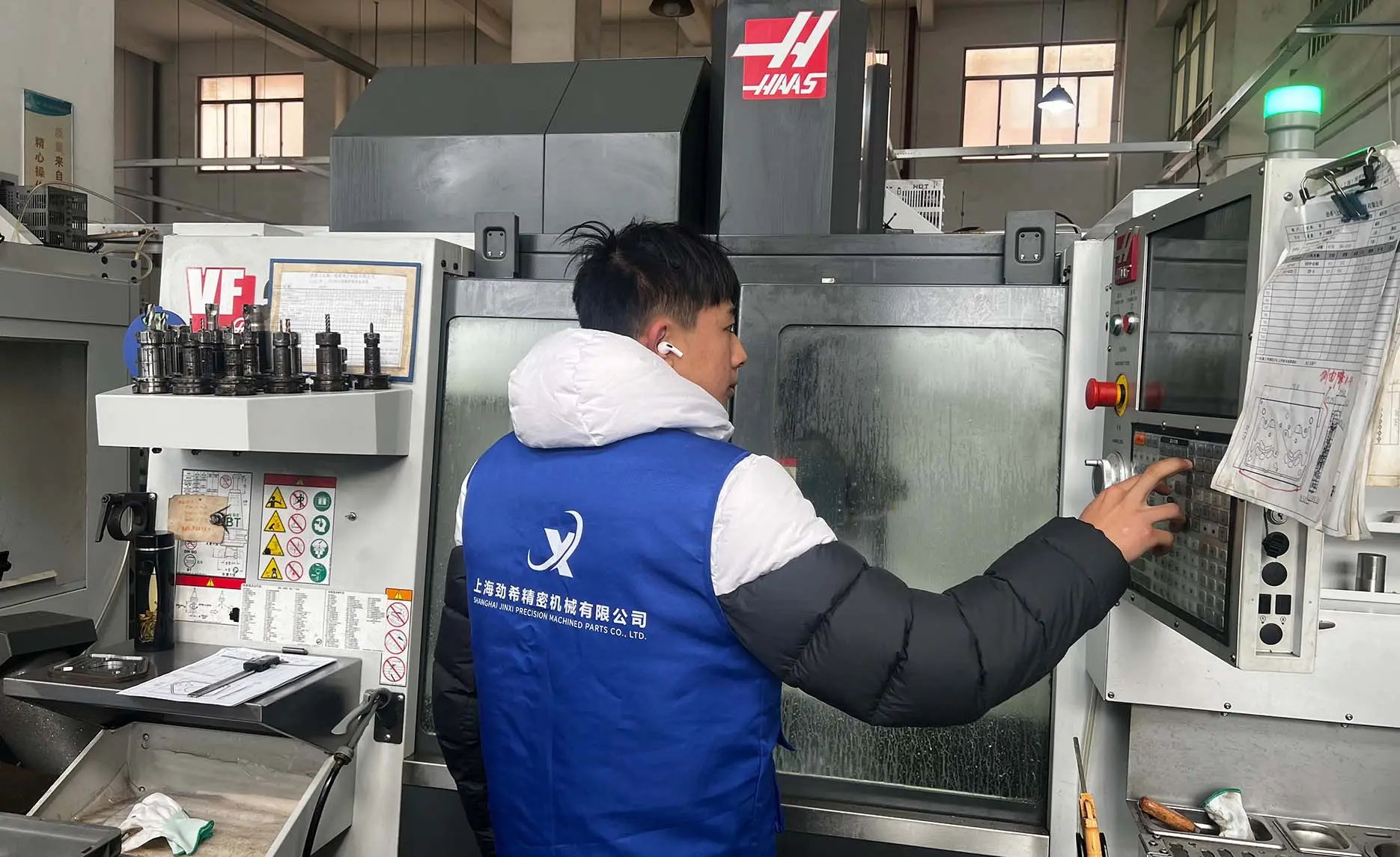
CNC turning services represent a cornerstone of modern precision manufacturing, utilizing computer-controlled lathes to produce cylindrical components with exceptional accuracy and consistency. These automated machining processes transform raw materials into finished parts by rotating workpieces against cutting tools, creating complex geometries with tolerances measured in thousandths of an inch. The technology combines traditional turning principles with sophisticated computer programming, enabling manufacturers to produce everything from simple shafts to intricate medical implants. CNC turning services excel at creating symmetrical parts around a central axis, making them ideal for producing bolts, pins, spindles, and custom mechanical components. The process begins with detailed CAD drawings that are converted into machine-readable code, instructing the lathe on precise tool movements, cutting speeds, and feed rates. Modern CNC turning centers feature multiple tool stations, allowing for complex operations including drilling, threading, grooving, and knurling without repositioning the workpiece. This multi-operation capability significantly reduces production time while maintaining dimensional accuracy. The technology supports various materials including aluminum, steel, brass, titanium, and specialized alloys, accommodating diverse industrial requirements. Live tooling capabilities enable CNC turning services to perform milling operations on rotating parts, creating flat surfaces, keyways, and cross-holes that would traditionally require secondary operations. Advanced machine monitoring systems track tool wear, spindle loads, and temperature variations, ensuring consistent quality throughout production runs. Quality control systems integrate coordinate measuring machines and statistical process control to verify dimensional accuracy and surface finish specifications. The programming flexibility allows for rapid prototype development and seamless transition to full production volumes. Coolant systems maintain optimal cutting temperatures, extending tool life and improving surface finishes. Modern CNC turning services incorporate automation features like bar feeders and robotic part handling, enabling lights-out manufacturing for high-volume orders while maintaining precision standards that meet stringent industry requirements.
CNC turning services deliver substantial cost savings through reduced labor requirements and minimized material waste, making them economically attractive for businesses seeking efficient manufacturing solutions. The automated nature eliminates human error associated with manual machining operations, ensuring consistent part quality across entire production runs. Setup times decrease significantly compared to conventional lathes because program storage allows instant recall of previous jobs without lengthy machine adjustments. This efficiency translates into faster turnaround times, enabling companies to meet tight delivery schedules and respond quickly to market demands. The precision capabilities of CNC turning services achieve tolerances within 0.0001 inches, satisfying the most demanding applications in aerospace, medical device manufacturing, and automotive industries. Material versatility allows processing of everything from soft plastics to hardened steels, providing flexibility for diverse project requirements. The technology scales seamlessly from prototype quantities to high-volume production runs, accommodating changing business needs without requiring different manufacturing approaches. Quality consistency remains constant whether producing one part or thousands, eliminating the variability inherent in manual operations. Programming capabilities enable complex part geometries that would be impossible or extremely difficult to achieve with conventional machining methods. The ability to store and modify programs facilitates design changes and continuous improvement initiatives without extensive retooling costs. Reduced handling requirements minimize contamination risks and dimensional variations caused by multiple setups, particularly important for precision components. The integration of quality monitoring systems provides real-time feedback on dimensional accuracy, enabling immediate corrections before defective parts are produced. Operator skill requirements are lower than traditional machining, addressing the skilled labor shortage while maintaining high production standards. Energy efficiency improves through optimized cutting parameters and reduced cycle times, contributing to sustainable manufacturing practices. The documentation capabilities provide complete traceability for parts requiring certification or regulatory compliance. Tooling costs decrease through optimized tool paths and automated tool changes that maximize cutting tool utilization. Inventory management improves because parts can be produced on-demand rather than maintaining large stock quantities, reducing carrying costs and obsolescence risks. The flexibility to produce families of similar parts on the same setup reduces changeover times and increases machine utilization rates, maximizing return on manufacturing investments.
Exceptional Precision and Repeatability
The hallmark of professional CNC turning services lies in their ability to maintain extraordinary precision levels that surpass traditional manufacturing methods by significant margins. These computer-controlled systems achieve tolerances as tight as ±0.0001 inches consistently across thousands of parts, ensuring every component meets exact specifications without deviation. The precision stems from advanced servo motors that control tool positioning with micro-level accuracy, eliminating the human variability that affects manual machining operations. Sophisticated feedback systems continuously monitor cutting tool position relative to the workpiece, making real-time adjustments to compensate for tool wear, thermal expansion, and machine deflection. This level of control enables the production of critical components for industries where dimensional accuracy directly impacts safety and performance, such as aerospace engine components, medical implants, and precision instrumentation. The repeatability factor becomes particularly valuable for high-volume production where consistency across batches is paramount for assembly line operations and quality assurance protocols. Statistical process control integration allows manufacturers to track dimensional trends over time, identifying potential issues before they result in out-of-specification parts. The precision capabilities extend beyond basic dimensions to include surface finish control, with Ra values achievable down to 16 micro-inches when required for sealing surfaces or bearing journals. Thread accuracy reaches Class 3A standards consistently, eliminating the need for secondary threading operations or quality sorting. The thermal stability of modern CNC turning centers, combined with temperature-compensated programming, maintains accuracy even during extended production runs where heat generation could affect dimensional stability. This precision advantage translates into reduced rejection rates, lower inspection costs, and improved customer satisfaction through reliable part performance. The ability to hold tight tolerances also enables design optimization where weight reduction and material savings become possible through precisely controlled wall thicknesses and feature dimensions that would be impossible to achieve reliably with conventional methods.
Rapid Prototyping and Production Flexibility
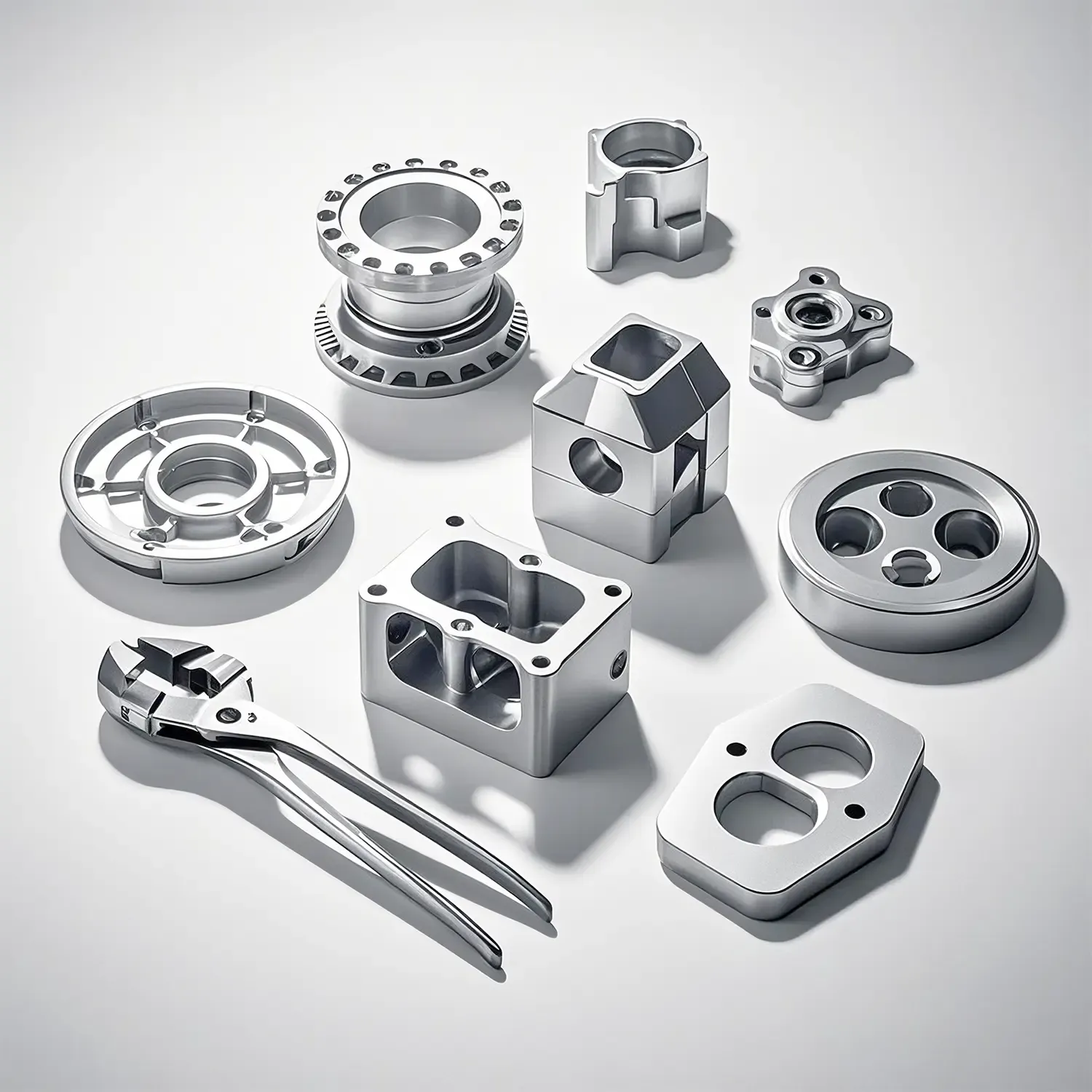
CNC turning services excel at bridging the gap between concept and production through rapid prototyping capabilities that accelerate product development cycles while maintaining production-ready quality standards. The programming flexibility allows engineers to test design iterations quickly, making modifications to dimensions, features, and materials without the lengthy setup procedures associated with conventional machining methods. This adaptability proves invaluable during the design verification process where multiple prototype versions may be required to optimize performance characteristics or manufacturing feasibility. The same equipment used for prototype development seamlessly transitions to full production volumes, eliminating the risks and costs associated with transferring designs between different manufacturing processes. Quick changeover capabilities enable efficient small-batch production for specialty applications or custom orders where traditional high-volume methods would be economically unfeasible. The programming storage capacity allows manufacturers to maintain libraries of proven programs for repeat orders, reducing lead times for existing customers while ensuring consistent quality standards. Material flexibility supports experimentation with different alloys or grades during development phases, helping engineers select optimal materials for specific applications without committing to large inventory investments. The ability to incorporate design changes rapidly facilitates continuous improvement initiatives where field feedback can be implemented quickly into production parts. Complex geometry capabilities allow prototypes to closely represent final production intent, including features like undercuts, multiple diameters, and integrated threading that provide realistic testing conditions. The speed of CNC turning services enables rapid response to market opportunities where time-to-market advantages can determine competitive success. Rush order capabilities allow manufacturers to accommodate urgent customer requirements without compromising quality standards or dimensional accuracy. The integration of CAD/CAM systems streamlines the transition from design files to machine programs, reducing programming time and minimizing human error in data transfer. This flexibility extends to production planning where lot sizes can be optimized based on demand forecasts without requiring significant setup cost penalties, enabling just-in-time manufacturing strategies that reduce inventory carrying costs while maintaining delivery performance.
Advanced Material Processing Capabilities
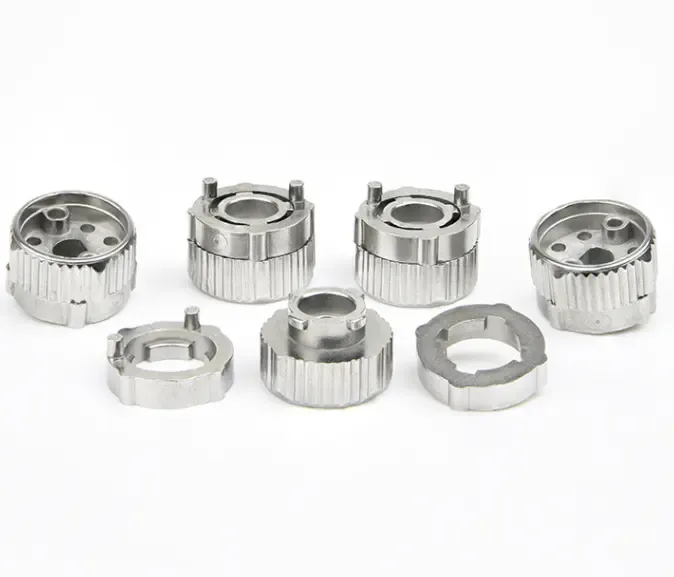
Modern CNC turning services demonstrate remarkable versatility in processing diverse materials ranging from conventional metals to exotic alloys and advanced composites, each requiring specialized techniques and tooling strategies for optimal results. The sophisticated spindle systems and variable speed controls accommodate materials with vastly different machining characteristics, from free-cutting brass that machines at high speeds to titanium alloys requiring carefully controlled cutting parameters to prevent work hardening. Coolant delivery systems adapt to material-specific requirements, providing flood cooling for aluminum machining, high-pressure coolant for deep hole drilling, or mist cooling for materials sensitive to thermal shock. Tool selection capabilities include carbide inserts optimized for specific material groups, ceramic tools for high-temperature alloys, and diamond-coated tools for abrasive materials like composites or hardened steels. The programming intelligence incorporates material-specific cutting strategies that optimize surface finish while maximizing tool life and maintaining dimensional accuracy. Specialized workholding solutions accommodate materials with unique characteristics such as thin-walled tubes that require internal support or soft materials needing gentle clamping forces to prevent distortion. Heat treatment integration allows processing of materials in various conditions, from annealed states for rough machining to fully hardened conditions for finish operations, maximizing material properties in final components. The capability to machine exotic materials like Inconel, Hastelloy, and medical-grade stainless steels opens opportunities in demanding applications where material performance justifies premium processing costs. Quality control procedures adapt to material-specific requirements, incorporating testing methods appropriate for each material type while ensuring traceability for critical applications. The understanding of material behavior during machining enables optimization of cutting parameters to minimize residual stresses that could affect part performance in service conditions. Chip evacuation systems accommodate different chip characteristics, from long stringy chips produced by ductile materials to powdery chips from brittle materials, maintaining consistent machining conditions throughout production runs. Surface treatment compatibility ensures that machined surfaces meet requirements for subsequent processes like plating, anodizing, or heat treatment without compromising dimensional accuracy or surface integrity. This material expertise extends to supplier relationships where raw material quality and consistency directly impact machining results and final part performance characteristics.