
CNC machining surface treatment represents a critical finishing process that enhances manufactured components beyond their initial machined state. This specialized post-processing technique transforms raw CNC-machined parts into high-performance components through various chemical, mechanical, and electrochemical procedures. The primary functions of cnc machining surface treatment include improving corrosion resistance, enhancing aesthetic appearance, increasing surface hardness, and providing specialized functional properties. These treatments fundamentally alter the surface characteristics while maintaining the precise dimensional accuracy achieved during the initial CNC machining process. Technological features encompass a wide spectrum of methods including anodizing, powder coating, electroplating, passivation, and mechanical finishing techniques. Each treatment method utilizes distinct scientific principles to modify surface properties according to specific requirements. Anodizing creates protective oxide layers on aluminum components, while electroplating deposits thin metallic coatings for enhanced conductivity or corrosion protection. Powder coating applies thermoplastic or thermoset polymer layers that cure under heat to form durable, decorative finishes. The applications span numerous industries including aerospace, automotive, medical devices, electronics, and consumer products. Aerospace components require treatments that withstand extreme temperatures and corrosive environments. Medical devices demand biocompatible surfaces that meet stringent regulatory standards. Electronic components benefit from treatments that provide electromagnetic shielding or improved thermal management. Automotive parts utilize cnc machining surface treatment to resist wear, reduce friction, and enhance visual appeal. The selection of appropriate treatment depends on material composition, intended application, environmental exposure conditions, and performance requirements. Advanced treatment processes can combine multiple techniques to achieve superior results, such as applying primer coatings before decorative finishes or using multi-layer electroplating systems. Quality control measures ensure consistent treatment application, proper adhesion, and desired performance characteristics throughout production runs.
The advantages of cnc machining surface treatment extend far beyond simple aesthetic enhancement, delivering tangible benefits that directly impact product performance and customer satisfaction. Enhanced durability stands as the most significant advantage, as treated surfaces resist wear, scratches, and environmental damage far better than untreated materials. This increased longevity reduces replacement costs and maintenance requirements, providing substantial long-term value. Corrosion protection represents another crucial benefit, particularly for components exposed to harsh environments, chemicals, or moisture. Proper surface treatments create protective barriers that prevent oxidation, galvanic corrosion, and chemical attack, extending service life dramatically. Improved functionality emerges through specialized treatments that modify surface properties for specific applications. Treatments can reduce friction coefficients for moving parts, increase electrical conductivity for electronic components, or enhance thermal dissipation for heat-sensitive applications. Visual enhancement creates professional, attractive appearances that meet aesthetic requirements and brand standards. Consistent, high-quality finishes eliminate surface imperfections, tool marks, and material inconsistencies from the machining process. Cost-effectiveness becomes apparent when considering the extended lifespan and reduced maintenance requirements of treated components compared to untreated alternatives. The initial investment in cnc machining surface treatment pays dividends through improved performance and reduced lifecycle costs. Versatility allows manufacturers to customize treatments according to specific requirements, choosing from numerous options including colors, textures, hardness levels, and functional properties. This flexibility enables single components to serve multiple applications or meet diverse customer specifications without design changes. Quality assurance improves as surface treatments provide consistent, predictable properties that enhance product reliability and performance. Regulatory compliance becomes achievable through treatments that meet industry standards for food safety, medical device compatibility, or environmental regulations. Market competitiveness increases as treated products command premium pricing while delivering superior value propositions. Manufacturing efficiency gains occur when surface treatments eliminate secondary operations like painting or coating that might otherwise be performed separately. Environmental benefits result from treatments that reduce the need for frequent replacements, minimizing waste and resource consumption over product lifespans.
Superior Corrosion Resistance and Environmental Protection
One of the most compelling advantages of cnc machining surface treatment lies in its exceptional ability to provide superior corrosion resistance and environmental protection for manufactured components. This critical benefit addresses one of the most common and costly challenges facing metal components across virtually every industry. Untreated machined surfaces, regardless of the precision of the CNC process, remain vulnerable to various forms of corrosion including oxidation, galvanic corrosion, pitting, and chemical attack. These degradation processes not only compromise the aesthetic appearance of components but more importantly, they can lead to structural failure, dimensional changes, and complete component failure over time. Through carefully selected cnc machining surface treatment processes, manufacturers can create protective barriers that effectively isolate the base material from harmful environmental factors. Anodizing treatments, for example, create dense oxide layers on aluminum components that are significantly harder and more corrosion-resistant than the base material. These layers can be customized in thickness and properties to match specific environmental challenges, whether components will face saltwater exposure, chemical processing environments, or extreme temperature variations. Electroplating processes deposit thin metallic coatings that provide galvanic protection, where the coating material sacrifices itself to protect the underlying substrate. This approach proves particularly valuable for steel components that require long-term exposure to moisture or corrosive atmospheres. Advanced multi-layer coating systems combine different treatment methods to achieve superior protection levels that exceed what any single treatment could provide. The economic impact of enhanced corrosion resistance extends far beyond the initial treatment cost. Components with proper surface treatments can operate reliably for decades in harsh environments that would destroy untreated parts within months or years. This longevity translates directly into reduced maintenance costs, fewer emergency repairs, extended equipment uptime, and improved overall system reliability. Industries such as marine equipment, chemical processing, and outdoor infrastructure particularly benefit from these protective properties, where component failure can result in significant operational disruptions and safety concerns.
Precision Dimensional Stability and Enhanced Mechanical Properties
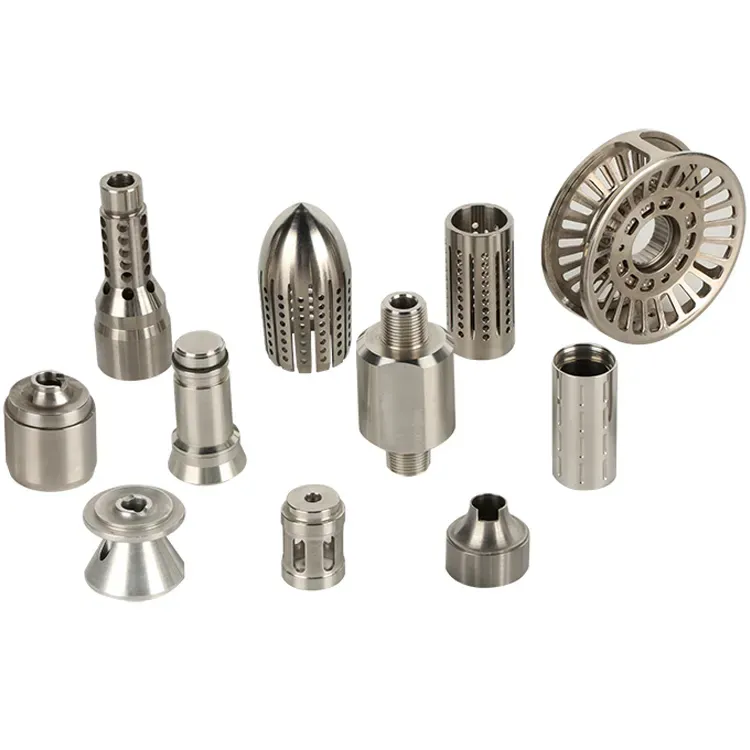
The precision dimensional stability achieved through cnc machining surface treatment represents a sophisticated engineering solution that addresses critical performance requirements while maintaining the exacting tolerances achieved during CNC machining operations. This advantage becomes particularly crucial in applications where dimensional accuracy directly impacts functionality, assembly requirements, and long-term performance. Unlike conventional finishing methods that may introduce dimensional variations or compromise precise tolerances, modern surface treatment processes are specifically designed to complement CNC machining precision rather than detract from it. Advanced treatment techniques such as precision anodizing, controlled electroplating, and specialized coating applications can be executed with thickness controls measured in micrometers, ensuring that critical dimensions remain within specified tolerances even after treatment completion. The mechanical property enhancements delivered by cnc machining surface treatment extend far beyond surface appearance to fundamentally improve component performance characteristics. Surface hardening treatments can increase wear resistance by orders of magnitude, transforming relatively soft base materials into components capable of withstanding extreme mechanical stress and abrasive conditions. These treatments work by modifying the crystal structure of surface layers, introducing beneficial compressive stresses, or creating harder phase compositions that resist deformation and wear. Specialized treatments can also modify surface friction characteristics, creating low-friction surfaces for sliding applications or high-friction surfaces where grip and traction are essential. The thermal properties of surfaces can be enhanced through treatments that improve heat dissipation, provide thermal insulation, or create surfaces with specific thermal expansion characteristics. Electrical properties become controllable through treatments that enhance conductivity, provide insulation, or create surfaces with specific electromagnetic characteristics. This level of property customization allows engineers to optimize component performance for specific applications without compromising the precision geometry achieved through CNC machining. Quality assurance protocols ensure that treated components maintain their dimensional accuracy while gaining enhanced mechanical properties, creating products that exceed the performance capabilities of either untreated machined parts or components finished through less precise methods. The combination of dimensional precision with enhanced mechanical properties delivers exceptional value for critical applications in aerospace, medical devices, precision instrumentation, and high-performance machinery.
Customizable Aesthetic Appeal and Brand Differentiation
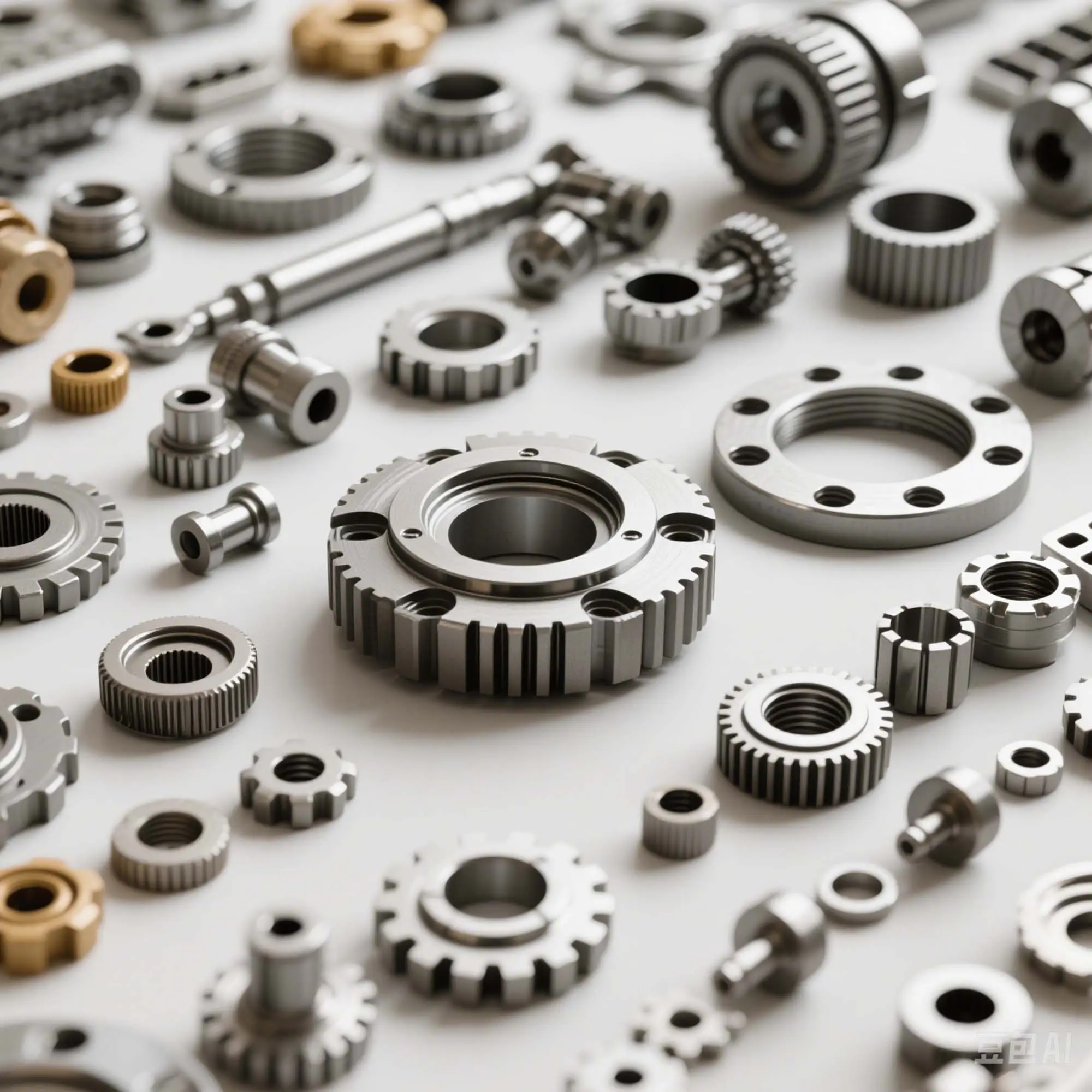
The customizable aesthetic appeal achieved through cnc machining surface treatment provides manufacturers with unprecedented opportunities for brand differentiation and market positioning while maintaining the functional excellence of precision-machined components. This advantage extends far beyond simple color application to encompass comprehensive visual and tactical customization that can transform utilitarian components into distinctive brand statements and premium products. Modern surface treatment technologies offer virtually unlimited aesthetic possibilities, including extensive color palettes, varied texture options, gloss levels ranging from deep matte to mirror-bright finishes, and specialized visual effects such as metallic sheens, color-shifting properties, and textured patterns. These aesthetic options can be precisely controlled and consistently reproduced across production runs, ensuring brand consistency and quality standards that meet the most demanding customer expectations. The strategic value of aesthetic customization becomes particularly apparent in consumer-facing products, architectural applications, and premium industrial equipment where visual appearance directly influences purchasing decisions and brand perception. Companies can develop signature finishing styles that become instantly recognizable in the marketplace, creating powerful brand differentiation that competitors cannot easily replicate. Cnc machining surface treatment processes enable this differentiation while maintaining the precision and functionality that distinguishes CNC-machined components from mass-produced alternatives. Texture customization through surface treatments provides both aesthetic and functional benefits, creating surfaces with improved grip characteristics, reduced glare properties, or distinctive tactile qualities that enhance user experience. These textured finishes can be engineered to specific roughness parameters that optimize performance while creating unique visual signatures. Color consistency and durability represent critical advantages in aesthetic surface treatments, as modern processes deliver uniform color application that resists fading, chalking, and color shift over extended service periods. This durability ensures that the initial aesthetic investment continues to provide value throughout the product lifecycle. Multi-color and gradient effects become achievable through sophisticated treatment processes that can create complex visual designs impossible to achieve through conventional manufacturing methods. These capabilities enable manufacturers to create products that stand out in competitive markets while maintaining the precision and performance characteristics that justify premium pricing. The combination of aesthetic appeal with functional performance creates synergistic value propositions that appeal to both engineering specifications and end-user preferences, opening new market opportunities and supporting premium positioning strategies that enhance profitability and market share.