
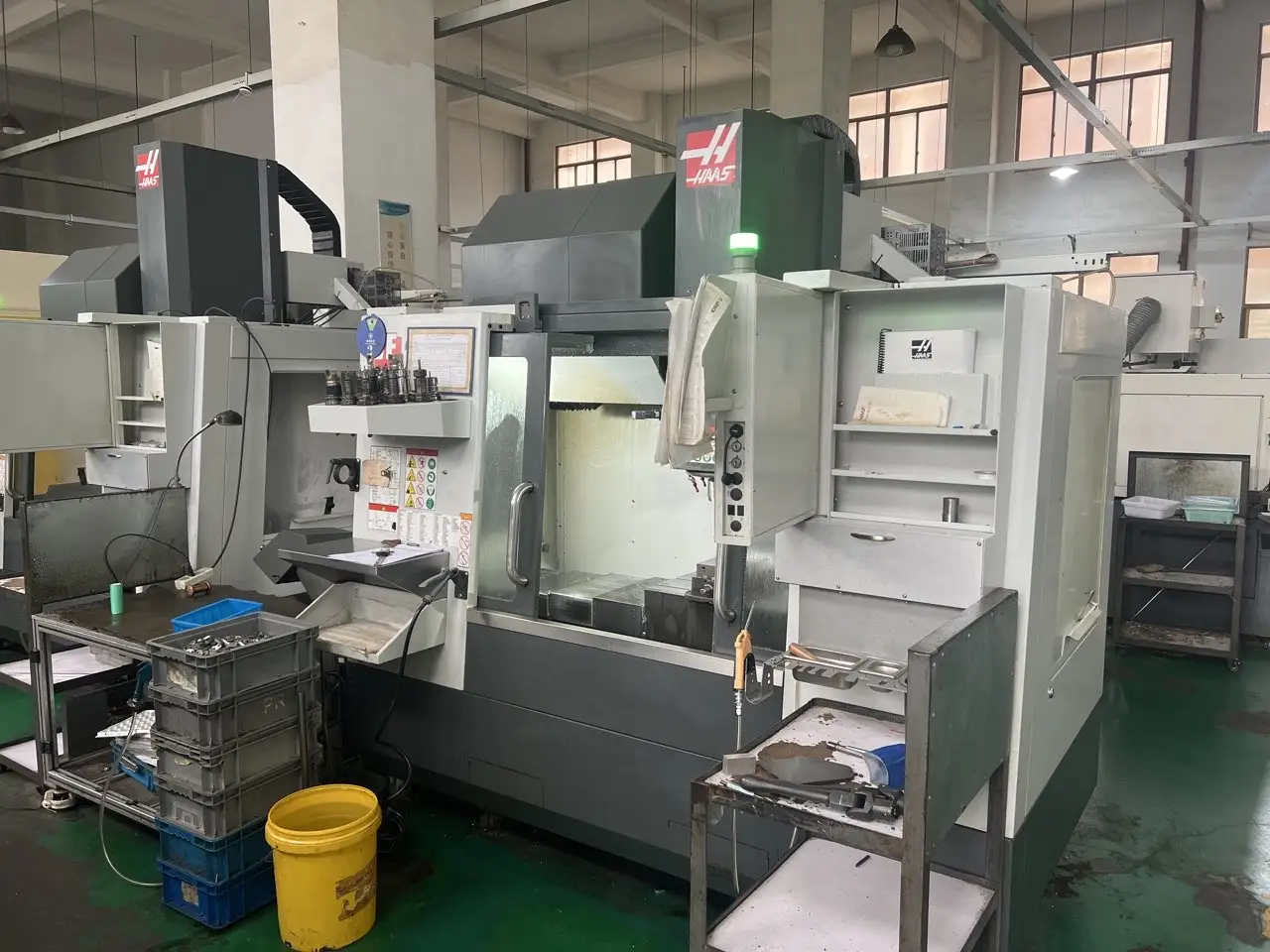
POM CNC machining represents a specialized manufacturing process that combines polyoxymethylene (POM) plastic materials with computer numerical control technology to create precise, durable components. This advanced machining technique utilizes automated cutting tools guided by programmed instructions to shape POM materials into complex geometries with exceptional accuracy. The pom cnc machining process begins with high-quality POM stock material, which undergoes systematic removal through various cutting operations including milling, turning, drilling, and threading. Modern CNC machines equipped with specialized tooling can achieve tolerances as tight as ±0.005 inches when processing POM materials. The technological features of pom cnc machining include multi-axis capability, allowing simultaneous movement across multiple planes to create intricate three-dimensional shapes. Temperature control systems maintain optimal cutting conditions, preventing material degradation during the machining process. Advanced software integration enables real-time monitoring and adjustment of cutting parameters, ensuring consistent quality throughout production runs. The applications for pom cnc machining span numerous industries, including automotive, medical devices, consumer electronics, and industrial equipment. Automotive manufacturers rely on this process to produce fuel system components, gear assemblies, and interior trim pieces that require excellent dimensional stability and chemical resistance. Medical device companies utilize pom cnc machining for surgical instruments, diagnostic equipment housings, and implantable device components that demand biocompatibility and precision. Electronics manufacturers benefit from this technology when creating connector housings, switch components, and protective enclosures that must maintain tight tolerances under varying environmental conditions. The versatility of pom cnc machining extends to producing both prototype and high-volume production parts, making it an essential manufacturing solution for companies requiring reliable, cost-effective component production with superior mechanical properties and dimensional accuracy.
The advantages of pom cnc machining deliver significant value to manufacturers seeking reliable, cost-effective production solutions. This manufacturing method produces parts with exceptional dimensional accuracy, consistently achieving tolerances that meet or exceed industry standards. Companies benefit from reduced material waste since CNC programming optimizes cutting paths, minimizing scrap and maximizing material utilization. The automated nature of pom cnc machining eliminates human error, ensuring every component meets exact specifications without variation between production runs. Speed represents another crucial advantage, as modern CNC equipment completes complex machining operations in significantly less time compared to traditional manufacturing methods. This efficiency translates directly into reduced production costs and faster delivery times for customers. The repeatability of pom cnc machining means manufacturers can produce identical parts consistently, whether creating single prototypes or thousands of components for large-scale production. Quality control becomes simplified since the process maintains consistent standards without requiring constant operator intervention. Flexibility stands out as a major benefit, enabling manufacturers to switch between different part designs quickly by loading new programs into the CNC system. This adaptability reduces setup times and allows for efficient small-batch production alongside high-volume manufacturing runs. The surface finish quality achieved through pom cnc machining often eliminates the need for secondary finishing operations, saving both time and money. Material properties remain intact throughout the process, preserving POM’s inherent chemical resistance, low friction characteristics, and dimensional stability. Cost predictability improves since manufacturers can accurately estimate production expenses based on material usage, machine time, and tooling requirements. The precision capabilities of pom cnc machining enable the creation of complex geometries that would be difficult or impossible to achieve through other manufacturing methods. Long-term reliability benefits emerge from the consistent quality and dimensional accuracy of CNC-machined POM components, reducing warranty claims and customer complaints. Environmental advantages include reduced energy consumption per part compared to alternative manufacturing processes, contributing to sustainability goals while maintaining production efficiency and quality standards.
Exceptional Precision and Dimensional Stability
The exceptional precision and dimensional stability achieved through pom cnc machining sets this manufacturing process apart from conventional production methods, delivering unmatched accuracy that meets the most demanding engineering requirements. Advanced CNC systems equipped with high-resolution encoders and sophisticated feedback mechanisms maintain positioning accuracy within microns, ensuring every machined feature aligns perfectly with design specifications. This precision capability proves particularly valuable when creating components that must interface with other parts in complex assemblies, where even minor dimensional variations can compromise functionality or performance. The inherent properties of POM material complement the precision capabilities of CNC machining, as this engineering plastic exhibits minimal thermal expansion and excellent dimensional stability across wide temperature ranges. During the pom cnc machining process, specialized cutting tools designed specifically for thermoplastic materials prevent heat buildup that could cause dimensional distortion or material degradation. Temperature-controlled machining environments further enhance precision by maintaining consistent material properties throughout the cutting operations. The combination of rigid machine structures, precise spindle systems, and advanced control algorithms enables manufacturers to achieve surface finishes as smooth as 32 micro-inches Ra while maintaining tight geometric tolerances. Quality assurance systems integrated into modern CNC equipment provide real-time monitoring of critical dimensions, automatically compensating for tool wear and thermal effects that might otherwise compromise precision. This level of accuracy eliminates the need for extensive post-machining operations, reducing production time and costs while ensuring components meet exact specifications. The dimensional stability of POM CNC machined parts remains consistent over time, as the material exhibits minimal creep and stress relaxation compared to other thermoplastics. This long-term stability proves essential for applications requiring sustained performance over extended periods, such as precision gears, bearing components, and measurement instruments. Manufacturers benefit from predictable part performance and reduced field failures, contributing to enhanced reputation and customer satisfaction. The precision capabilities of pom cnc machining enable the creation of features with complex geometries, including undercuts, internal channels, and intricate surface textures that maintain exact dimensional relationships throughout the component.
Superior Material Utilization and Cost Efficiency
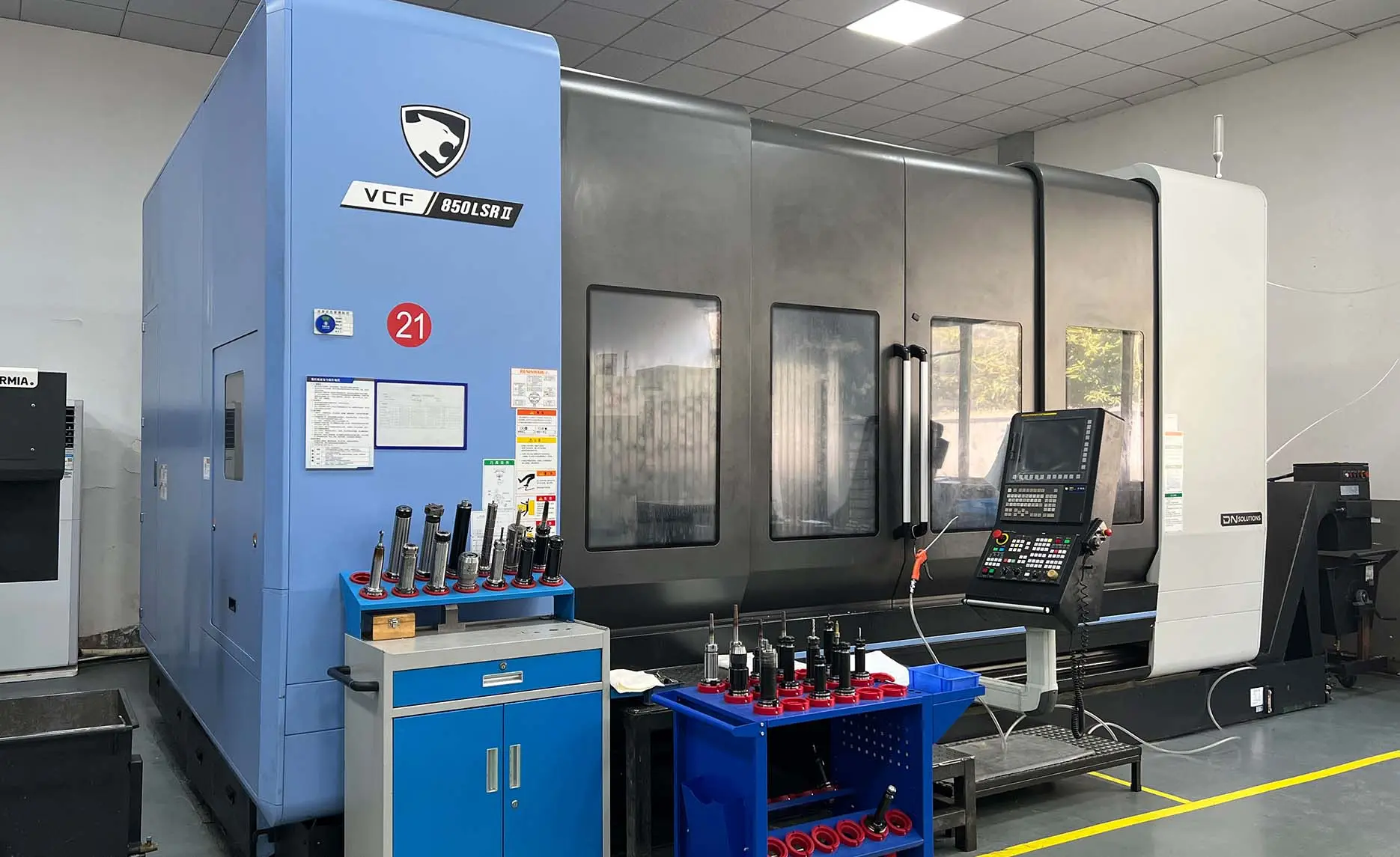
Superior material utilization and cost efficiency represent fundamental advantages of pom cnc machining that directly impact manufacturing profitability and environmental sustainability. The computer-controlled nature of CNC machining enables precise material removal with minimal waste generation, as cutting paths are optimized through advanced CAM software to maximize material usage from each blank or stock piece. This optimization becomes particularly significant when working with POM materials, as engineering plastics typically cost more than conventional materials, making efficient utilization essential for maintaining competitive pricing. The pom cnc machining process allows manufacturers to nest multiple parts within a single workpiece, dramatically reducing material waste while maintaining individual part quality and dimensional accuracy. Near-net-shape machining capabilities minimize the amount of material that must be removed, reducing both machining time and material consumption compared to processes that start with oversized blanks. The ability to machine complex internal features and hollow sections eliminates the need for assembly operations that would otherwise require multiple components, reducing overall material requirements and production complexity. Tooling longevity in pom cnc machining contributes significantly to cost efficiency, as POM’s excellent machinability properties result in minimal tool wear when proper cutting parameters are employed. This extended tool life reduces tooling costs and minimizes production interruptions for tool changes, maintaining consistent output and quality standards. The scalability of pom cnc machining processes enables manufacturers to adjust production volumes efficiently without significant setup changes or tooling modifications, providing flexibility to respond to market demands while maintaining cost effectiveness. Energy efficiency represents another cost advantage, as modern CNC equipment incorporates power management systems that optimize energy consumption during machining operations. The elimination of secondary operations through precision machining reduces overall energy requirements and facility overhead costs. Quality consistency achieved through pom cnc machining reduces inspection requirements and eliminates costs associated with rework or scrap parts, contributing to improved profit margins. The predictable nature of CNC machining enables accurate cost estimation and project planning, helping manufacturers provide competitive pricing while maintaining healthy margins. Long-term cost benefits emerge from the durability and precision of CNC-machined POM components, which typically exhibit extended service life and reduced maintenance requirements compared to parts produced through alternative manufacturing methods.
Versatile Applications and Design Flexibility
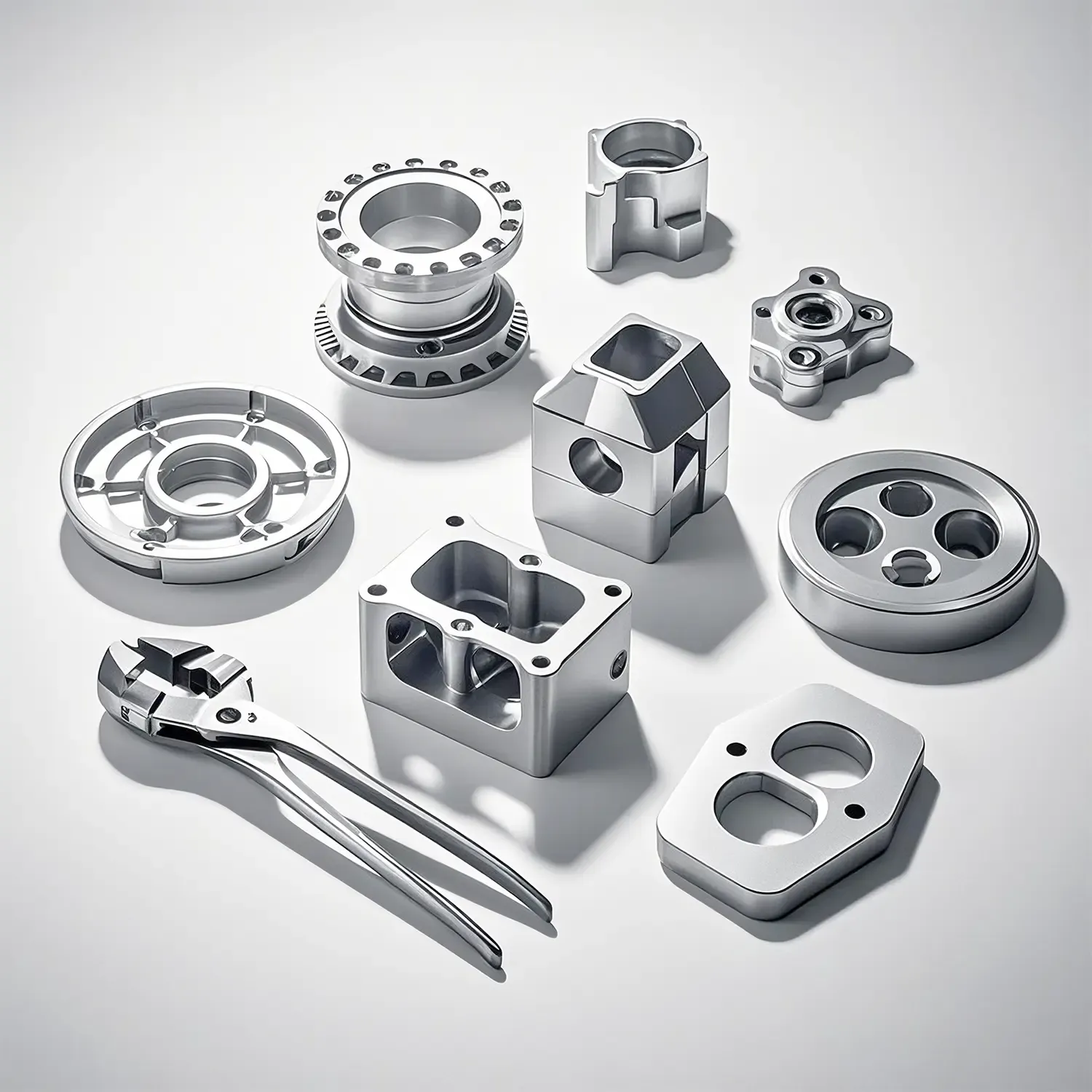
The versatile applications and design flexibility offered by pom cnc machining provide manufacturers with unprecedented opportunities to create innovative solutions across diverse industries and challenging applications. This manufacturing capability supports the production of components ranging from micro-precision medical devices to large-scale industrial machinery parts, demonstrating the remarkable adaptability of the process to varying size and complexity requirements. The design freedom enabled by pom cnc machining allows engineers to incorporate complex geometries, intricate internal passages, and precise surface features that would be impossible or extremely expensive to achieve through traditional manufacturing methods such as injection molding or conventional machining. Multi-axis CNC capabilities enable simultaneous machining operations from multiple angles, creating components with undercuts, angled features, and compound curves while maintaining exceptional accuracy throughout the entire part. This flexibility proves particularly valuable in industries such as aerospace, medical devices, and precision instrumentation, where component complexity often determines overall system performance and functionality. The pom cnc machining process accommodates rapid design iterations and prototype development, enabling engineers to test and refine concepts quickly without the significant tooling investments required for other manufacturing processes. Design modifications can be implemented through simple program changes, allowing for optimization based on testing results or changing requirements without disrupting production schedules. The ability to machine custom features such as threads, keyways, splines, and precision fits directly into components eliminates assembly operations and reduces potential points of failure in finished products. Surface texture control capabilities allow manufacturers to specify exact surface finishes for different areas of the same component, optimizing performance characteristics such as friction, wear resistance, or aesthetic appearance. The pom cnc machining process supports the integration of multiple functions into single components, reducing part counts and assembly complexity while improving overall reliability and performance. Material compatibility extends beyond standard POM grades to include glass-filled, carbon-filled, and other specialty formulations, providing engineers with options to optimize mechanical properties for specific applications. The scalability of pom cnc machining enables seamless transition from prototype to production volumes, maintaining design integrity and quality standards throughout the product lifecycle. Custom fixturing and specialized tooling can be developed to support unique geometries or production requirements, further expanding the range of possible applications and design solutions available to manufacturers.