
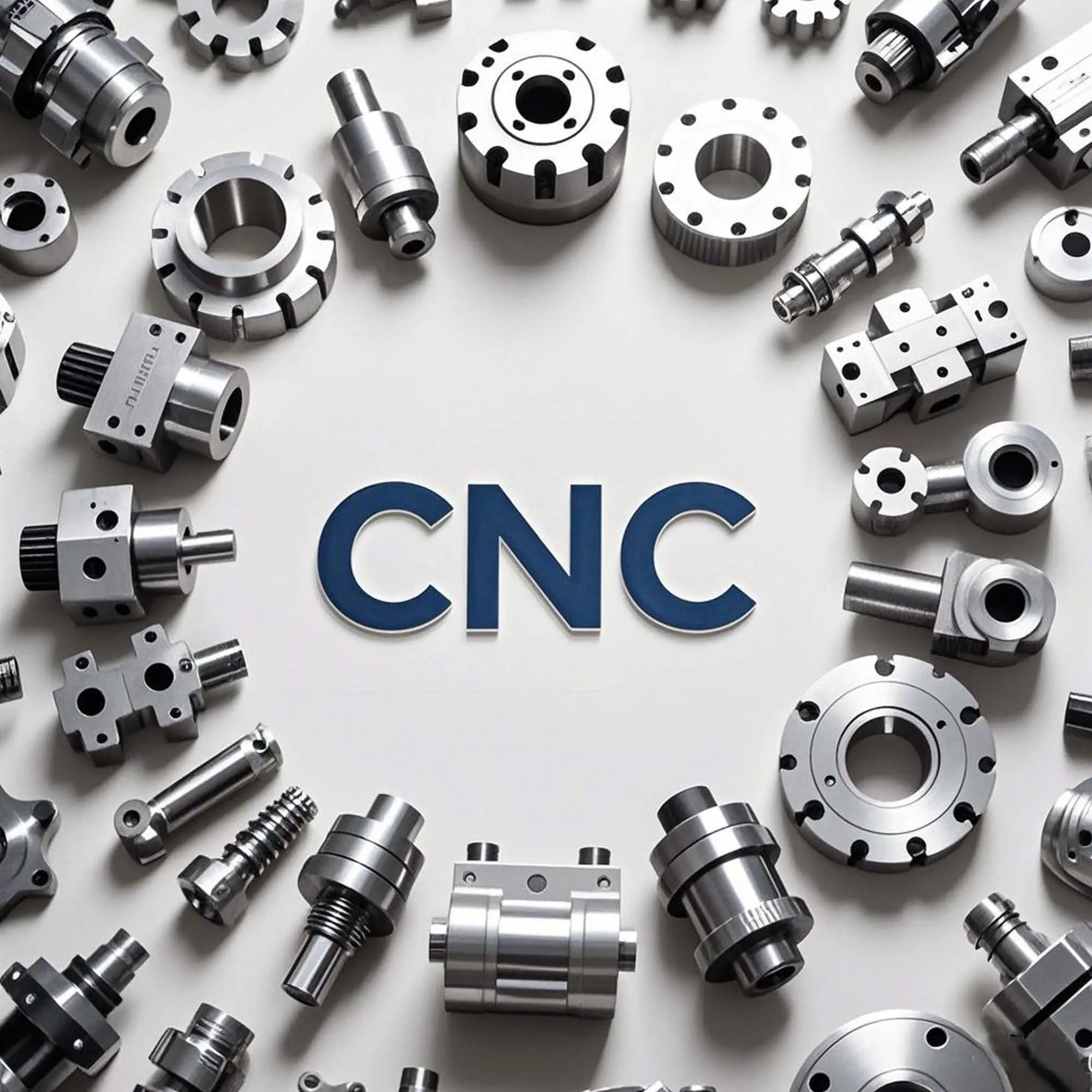
Custom CNC turning and milling represents the pinnacle of precision manufacturing, combining advanced computer-controlled technology with specialized machining capabilities to create complex components tailored to specific requirements. This sophisticated manufacturing process utilizes state-of-the-art computer numerical control systems to operate cutting tools with extraordinary accuracy, enabling the production of intricate parts that meet exact specifications across diverse industries. The main functions of custom CNC turning and milling encompass the removal of material from raw stock through controlled cutting operations, transforming basic materials into finished products with exceptional dimensional accuracy and surface quality. The turning aspect involves rotating the workpiece while a cutting tool shapes the material, primarily used for creating cylindrical components, shafts, and rotational parts. Meanwhile, the milling function employs rotating cutting tools to remove material from stationary workpieces, enabling the creation of complex geometries, slots, holes, and three-dimensional features. Technological features of custom CNC turning and milling include multi-axis capabilities that allow simultaneous movement across multiple planes, ensuring complex geometries can be machined in single setups. Advanced tool changers automatically select appropriate cutting tools throughout the machining process, while sophisticated software systems optimize cutting paths and parameters for maximum efficiency. Real-time monitoring systems track tool wear, dimensional accuracy, and surface quality throughout production cycles. Modern custom CNC turning and milling centers incorporate adaptive control systems that automatically adjust cutting parameters based on material conditions and tool performance. Applications span numerous industries including aerospace, automotive, medical device manufacturing, electronics, energy sector, and precision instrumentation. In aerospace applications, custom CNC turning and milling produces critical engine components, structural elements, and landing gear parts that demand exceptional accuracy and reliability. Automotive manufacturers rely on these processes for engine blocks, transmission components, suspension parts, and precision brake systems. Medical device applications include surgical instruments, implants, prosthetics, and diagnostic equipment components that require biocompatible materials and stringent quality standards.
Custom CNC turning and milling delivers remarkable advantages that revolutionize manufacturing processes and provide substantial value for businesses across industries. The precision capabilities of custom CNC turning and milling systems achieve tolerances within micrometers, ensuring consistent quality that manual machining simply cannot match. This exceptional accuracy eliminates costly rework and reduces material waste, directly impacting your bottom line through improved efficiency and reduced production costs. Speed represents another significant advantage, as custom CNC turning and milling operates continuously without fatigue, maintaining consistent production rates that dramatically exceed traditional machining methods. Automated tool changes and optimized cutting paths minimize downtime between operations, allowing for seamless production of complex components. The versatility of custom CNC turning and milling enables manufacturers to produce diverse part geometries from the same machine setup, reducing the need for multiple specialized machines and lowering capital equipment investments. Material compatibility spans virtually every machinable material, including exotic alloys, hardened steels, aluminum, titanium, plastics, and composites, providing flexibility to meet evolving customer requirements. Repeatability ensures that every part produced through custom CNC turning and milling maintains identical specifications, regardless of batch size or production timing. This consistency proves invaluable for quality control and regulatory compliance in critical applications. Cost-effectiveness emerges through reduced labor requirements, as skilled operators can oversee multiple custom CNC turning and milling operations simultaneously, maximizing productivity while minimizing personnel costs. Setup times decrease significantly compared to conventional machining, particularly for repeat orders where programs remain stored and ready for immediate execution. Custom CNC turning and milling eliminates the need for complex jigs and fixtures required in traditional machining, reducing setup costs and increasing flexibility. Quality improvements result from eliminating human error in repetitive operations, while built-in quality control systems monitor critical dimensions throughout the machining process. Lead times shrink dramatically because custom CNC turning and milling systems can operate during off-hours and weekends with minimal supervision, accelerating delivery schedules. The scalability of custom CNC turning and milling allows for efficient production whether you need single prototypes or high-volume production runs, adapting seamlessly to changing business demands without significant retooling investments.
Unmatched Precision and Accuracy Control
The precision control capabilities of custom CNC turning and milling systems establish new standards for manufacturing accuracy that traditional machining methods cannot achieve. Advanced servo motors and ball screw systems provide positioning accuracy within 0.0001 inches, while sophisticated feedback systems continuously monitor and adjust cutting tool positions throughout the machining process. This exceptional precision control ensures that complex geometries maintain their specified dimensions across entire production runs, regardless of material variations or environmental conditions. The closed-loop control systems employed in custom CNC turning and milling constantly compare actual tool positions with programmed coordinates, making instantaneous corrections to maintain optimal cutting parameters. Temperature compensation systems account for thermal expansion in both the machine structure and workpiece, maintaining dimensional accuracy even during extended production cycles when heat generation could otherwise affect part quality. Multi-axis interpolation capabilities allow cutting tools to follow complex three-dimensional paths with smooth, continuous motion, eliminating the step-like surface finishes associated with simpler machining systems. The precision of custom CNC turning and milling extends beyond dimensional accuracy to include superior surface quality, with surface roughness values achieving levels previously possible only through secondary finishing operations. Advanced spindle systems maintain precise tool rotation while dampening vibrations that could compromise surface quality or dimensional accuracy. Tool length compensation automatically adjusts for variations in cutting tool dimensions, ensuring consistent results even when tools are changed or resharpened. The repeatability of custom CNC turning and milling systems means that parts produced months apart will maintain identical specifications, providing confidence for customers requiring long-term supply chain reliability. Statistical process control integration allows real-time monitoring of critical dimensions, automatically alerting operators to any deviation from specified tolerances before defective parts are produced. This precision control translates directly into reduced inspection requirements, lower rejection rates, and improved customer satisfaction through consistent delivery of high-quality components that meet or exceed specifications.
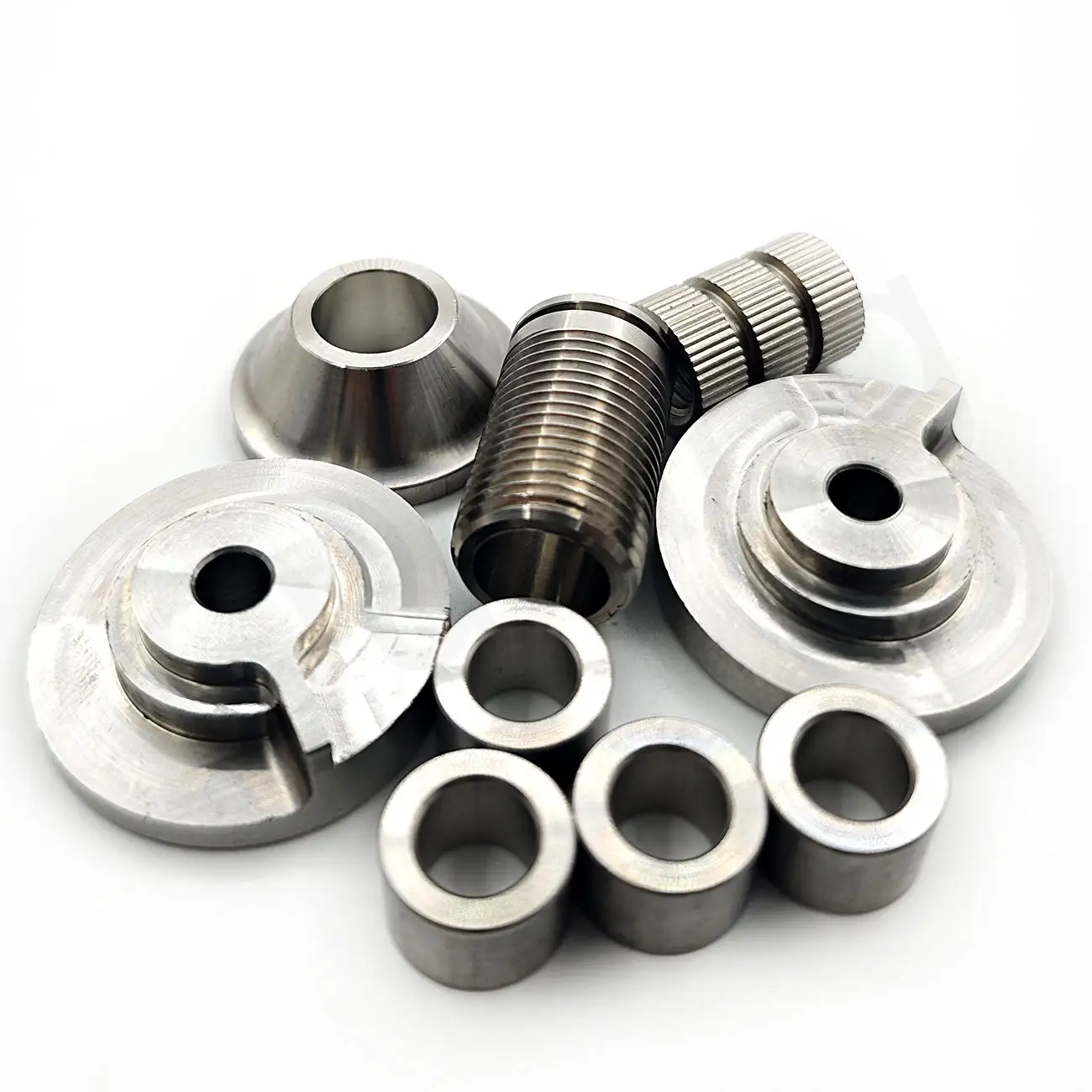
Enhanced Operational Efficiency and Productivity
Custom CNC turning and milling systems dramatically enhance operational efficiency through intelligent automation and optimized machining strategies that maximize productivity while minimizing resource consumption. Advanced CAM software automatically generates optimal tool paths that reduce cycle times while extending tool life, analyzing part geometry to determine the most efficient cutting sequences and parameters. Adaptive machining capabilities continuously monitor cutting forces and automatically adjust feed rates and spindle speeds to maintain optimal cutting conditions, preventing tool damage while maximizing material removal rates. Multi-tasking capabilities allow custom CNC turning and milling centers to perform multiple operations in single setups, eliminating time-consuming part transfers and reducing the risk of setup errors that can compromise accuracy. Automated tool management systems maintain extensive tool libraries and automatically select appropriate cutting tools based on programmed operations, while tool condition monitoring prevents unexpected tool failures that could damage workpieces or disrupt production schedules. The efficiency of custom CNC turning and milling extends to material utilization, with advanced nesting software optimizing raw material layouts to minimize waste and reduce material costs per part. Lights-out manufacturing capabilities enable custom CNC turning and milling systems to operate unattended during nights and weekends, effectively tripling production capacity without proportional increases in labor costs. Pallet changing systems allow operators to prepare subsequent jobs while current operations continue, eliminating idle time and maintaining continuous production flow. Integration with enterprise resource planning systems enables real-time production tracking and scheduling optimization, ensuring that custom CNC turning and milling resources are utilized most effectively. Predictive maintenance systems monitor machine conditions and schedule maintenance activities during planned downtime, preventing unexpected breakdowns that could disrupt production schedules. The operational efficiency of custom CNC turning and milling translates into shorter lead times, enabling manufacturers to respond quickly to customer requirements and market opportunities. Quality consistency reduces inspection time and eliminates rework, while standardized processes ensure that production efficiency remains high regardless of operator experience levels. These efficiency improvements result in lower per-part costs and improved profitability while maintaining or improving quality standards.
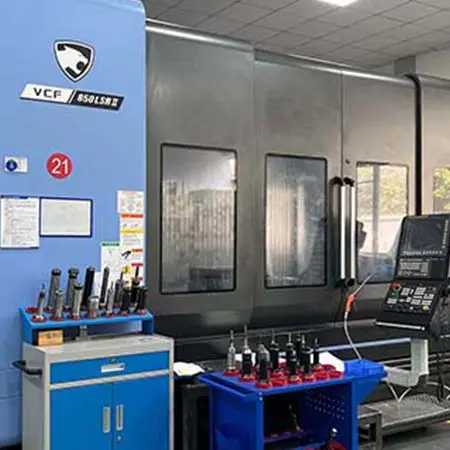
Comprehensive Customization and Flexibility Solutions
The customization capabilities of custom CNC turning and milling systems provide unprecedented flexibility to meet unique customer requirements and adapt to evolving market demands without significant capital investments or lengthy retooling processes. Programmable parameters allow infinite adjustment of cutting speeds, feed rates, tool paths, and machining sequences to optimize performance for specific materials and geometries, ensuring that each application receives the most appropriate machining strategy. Custom fixturing solutions integrate seamlessly with CNC turning and milling systems, accommodating unusual part geometries or special handling requirements while maintaining the precision and efficiency advantages of automated machining. Multi-axis configurations enable custom CNC turning and milling centers to access complex part features from multiple angles in single setups, reducing handling time while improving accuracy through elimination of setup errors. Modular tooling systems provide flexibility to quickly reconfigure cutting tool arrangements for different applications, while automatic tool changers maintain extensive tool libraries that can be customized for specific customer requirements or material specifications. Software customization allows integration of specialized routines for unique manufacturing processes, quality control procedures, or customer-specific documentation requirements, ensuring that custom CNC turning and milling systems adapt to existing business processes rather than forcing process changes. The flexibility of custom CNC turning and milling extends to production volume scalability, efficiently handling prototype quantities as well as high-volume production runs without requiring different equipment or setup procedures. Material compatibility encompasses virtually any machinable material, from common metals and plastics to exotic superalloys and advanced composites, providing customers with single-source solutions for diverse material requirements. Custom programming capabilities accommodate proprietary part designs and special manufacturing requirements while maintaining intellectual property protection through secure program storage and access control. Integration capabilities allow custom CNC turning and milling systems to communicate with existing manufacturing execution systems, quality management systems, and customer databases, providing seamless information flow and documentation. The customization potential includes specialized measurement and inspection routines that verify critical dimensions during machining processes, ensuring quality compliance without additional inspection equipment. Post-processing customization enables automatic generation of customer-specific documentation, certifications, and shipping labels, streamlining the complete manufacturing and delivery process. This comprehensive flexibility ensures that custom CNC turning and milling solutions evolve with changing customer requirements and technology advances, protecting long-term investment value while maintaining competitive advantages.