
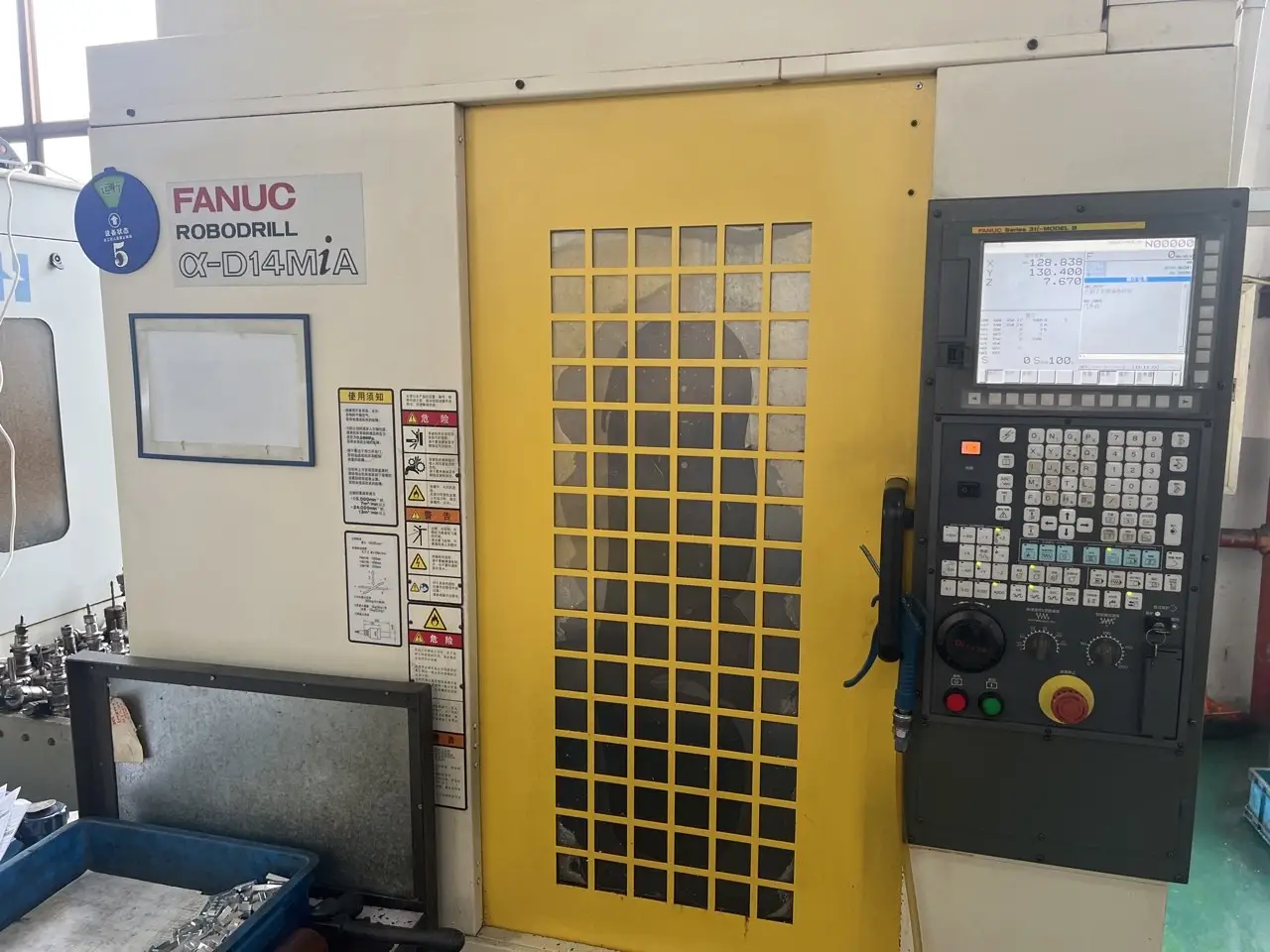
Lathe services encompass a comprehensive range of precision machining operations that utilize rotating cutting tools to shape, cut, and finish various materials with exceptional accuracy. These specialized manufacturing services employ computer-controlled and manual lathes to transform raw materials into precisely engineered components for diverse industrial applications. The primary functions of lathe services include turning operations where materials rotate against stationary cutting tools, creating cylindrical shapes, threads, tapers, and complex geometric profiles. Modern lathe services incorporate advanced CNC technology, enabling automated production of intricate parts with minimal human intervention while maintaining consistent quality standards. The technological features of contemporary lathe services include multi-axis capabilities, live tooling systems, and integrated measurement systems that ensure dimensional accuracy throughout the manufacturing process. These services accommodate various materials including metals, plastics, ceramics, and composites, making them versatile solutions for manufacturing requirements. Lathe services support both prototype development and high-volume production runs, offering flexibility for different project scales and timelines. The applications span across automotive, aerospace, medical device manufacturing, electronics, and general engineering sectors. Quality control measures integrated into lathe services include real-time monitoring systems, statistical process control, and comprehensive inspection protocols that guarantee finished products meet stringent specifications. Advanced lathe services often feature temperature-controlled environments and vibration-dampening systems to maintain optimal cutting conditions. The integration of CAD/CAM software allows for seamless transition from design concepts to finished components, reducing lead times and minimizing material waste. These services also provide finishing operations such as polishing, deburring, and surface treatment applications that enhance both functional and aesthetic properties of manufactured parts.
Lathe services deliver exceptional precision manufacturing capabilities that significantly enhance product quality and production efficiency for businesses across multiple industries. The primary advantage lies in their ability to achieve tight tolerances, often within micron-level accuracy, ensuring components fit perfectly within complex assemblies and meet rigorous performance standards. This precision eliminates costly rework and reduces material waste, directly impacting your bottom line through improved cost-effectiveness. Modern lathe services utilize advanced automation technologies that increase production speed while maintaining consistent quality, allowing you to meet demanding delivery schedules without compromising on specifications. The versatility of lathe services enables manufacturers to work with diverse materials and create complex geometries that would be challenging or impossible with other machining methods. This flexibility reduces the need for multiple manufacturing processes, streamlining your production workflow and minimizing handling costs. Skilled technicians operating sophisticated equipment ensure optimal cutting parameters, tool selection, and programming strategies that maximize efficiency and extend tool life. The scalability of lathe services accommodates both small batch prototype development and large-scale production runs, providing cost-effective solutions regardless of project size. Quality assurance protocols integrated throughout the machining process identify and correct deviations immediately, preventing defective products from reaching subsequent manufacturing stages. Advanced lathe services offer rapid prototyping capabilities that accelerate product development cycles, enabling faster time-to-market for new products and design iterations. The integration of real-time monitoring systems provides transparency throughout the manufacturing process, allowing you to track progress and make informed decisions about production scheduling. Cost benefits extend beyond direct manufacturing expenses, as precision lathe services reduce assembly time, minimize field failures, and enhance overall product reliability. Environmental advantages include reduced material consumption through optimized cutting strategies and recycling programs for metal chips and coolants, supporting sustainable manufacturing practices while maintaining operational efficiency.
Advanced CNC Technology Integration
The integration of cutting-edge CNC technology represents the cornerstone of modern lathe services, revolutionizing manufacturing precision and operational efficiency across diverse industrial applications. Advanced computer numerical control systems enable unprecedented accuracy in component production, with capabilities extending far beyond traditional manual machining methods. These sophisticated systems utilize multi-axis coordination to execute complex cutting patterns while maintaining dimensional tolerances that often exceed customer expectations. The technological sophistication includes adaptive control systems that automatically adjust cutting parameters based on real-time feedback from sensors monitoring tool wear, material hardness variations, and thermal conditions. This intelligent automation ensures consistent quality throughout production runs while optimizing cutting speeds and feed rates for maximum efficiency. Programming capabilities support complex geometric shapes, intricate threading operations, and multi-feature components that would require multiple setups using conventional methods. The integration extends to sophisticated tool management systems that automatically select optimal cutting tools based on material specifications and desired surface finishes. Advanced lathe services incorporate predictive maintenance algorithms that monitor machine performance and schedule maintenance activities before potential issues affect production quality. The seamless integration between CAD design files and CNC programming eliminates translation errors while reducing setup times significantly. Real-time quality monitoring systems provide continuous feedback about dimensional accuracy, surface finish quality, and geometric tolerances throughout the machining process. These technological advantages translate directly into reduced lead times, lower production costs, and enhanced product reliability for end-users. The sophisticated control systems enable lights-out manufacturing capabilities, allowing continuous production during off-hours while maintaining quality standards through automated inspection protocols and immediate alerts for any deviations from specified parameters.
Comprehensive Material Compatibility
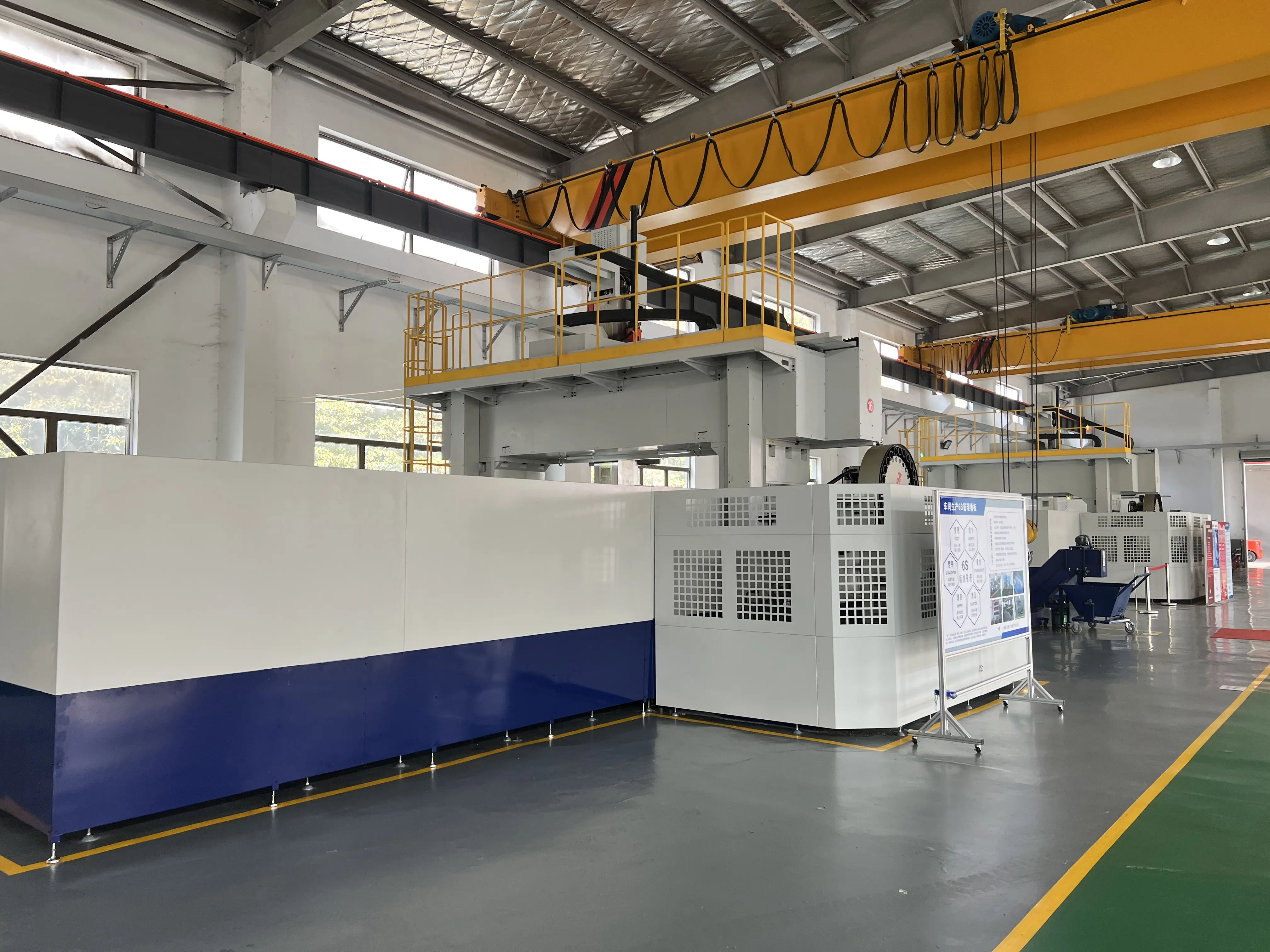
The comprehensive material compatibility offered by professional lathe services provides manufacturers with unparalleled flexibility in component design and material selection for diverse applications across multiple industries. This extensive capability encompasses ferrous and non-ferrous metals, engineering plastics, advanced composites, and specialty alloys that require specific machining expertise and optimized cutting strategies. Experienced technicians understand the unique characteristics of different materials, including their machinability ratings, thermal properties, and optimal cutting parameters that ensure superior surface finishes and dimensional accuracy. The expertise extends to challenging materials such as hardened steels, titanium alloys, inconel, and other superalloys commonly used in aerospace and medical applications where precision and reliability are paramount. Advanced tooling systems and cutting fluid technologies enable efficient machining of materials with varying hardness levels, from soft plastics to extremely hard ceramics and tungsten carbide components. Material-specific programming strategies optimize chip evacuation, minimize work hardening, and prevent thermal damage that could compromise component integrity or dimensional stability. The comprehensive approach includes post-machining treatments and surface modification processes that enhance corrosion resistance, wear characteristics, and aesthetic appearance based on specific application requirements. Quality control procedures are tailored to each material type, accounting for thermal expansion coefficients, stress relief requirements, and inspection protocols that ensure finished components meet stringent material specifications. This material versatility eliminates the need for multiple suppliers while ensuring consistent quality standards across different component types within complex assemblies. The expertise in exotic materials enables innovation in product design, allowing engineers to select optimal materials based on performance requirements rather than manufacturing limitations. Comprehensive material compatibility also includes sustainable options such as recycled metals and bio-based polymers, supporting environmental initiatives while maintaining performance standards expected from traditional materials.
Precision Quality Assurance Systems
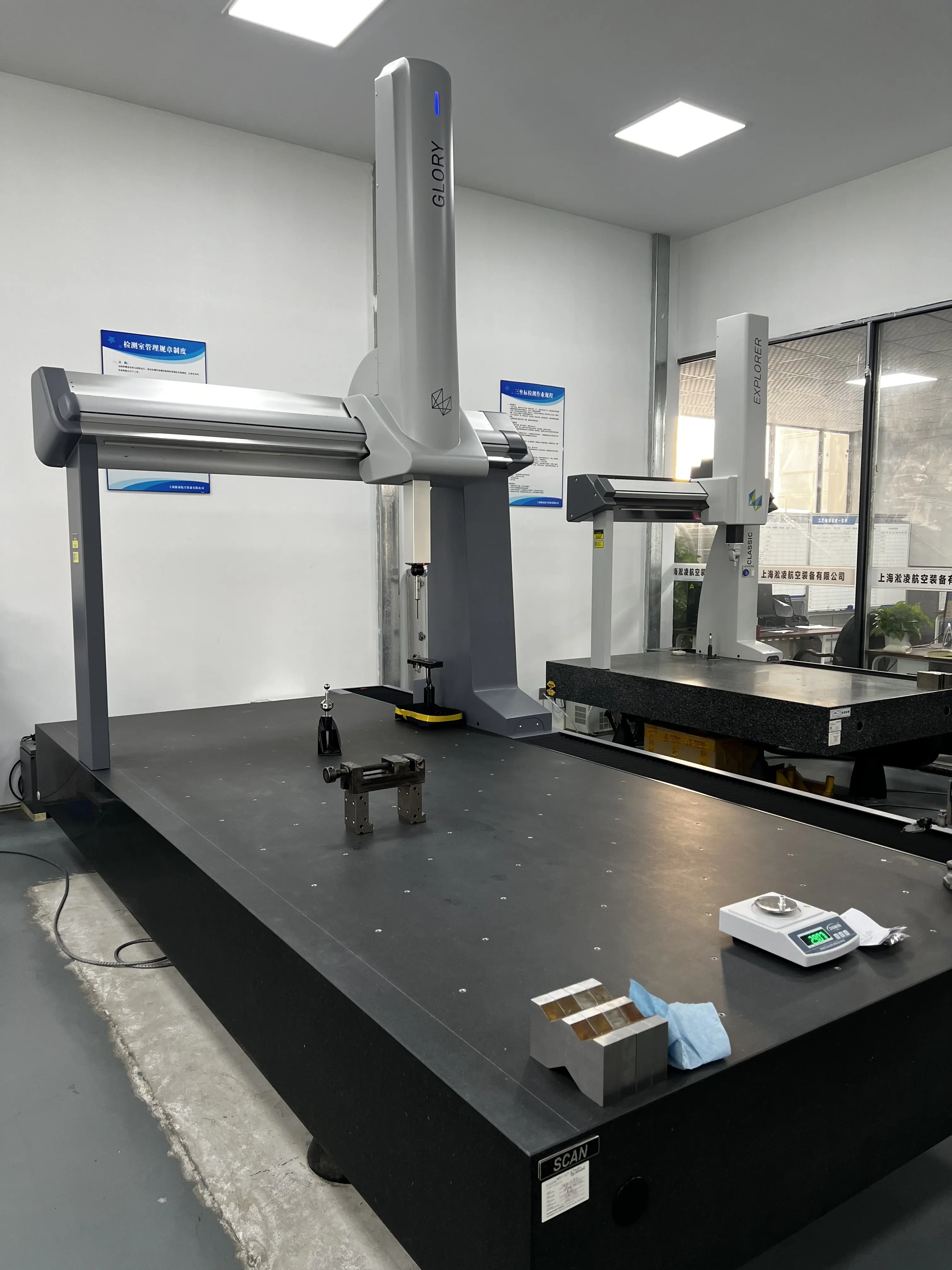
Precision quality assurance systems integrated throughout professional lathe services establish the foundation for consistently delivering components that exceed industry standards while minimizing production risks and ensuring complete customer satisfaction. These comprehensive systems encompass multiple layers of inspection, measurement, and verification protocols that monitor every aspect of the manufacturing process from initial setup through final delivery. Advanced coordinate measuring machines provide three-dimensional verification of complex geometries, ensuring that finished components conform exactly to engineering specifications and assembly requirements. Statistical process control methodologies track dimensional variations throughout production runs, enabling proactive adjustments that maintain tight tolerances and prevent drift from target specifications. In-process monitoring systems utilize precision measurement tools and automated gauging equipment to verify critical dimensions during machining operations, catching potential issues before they affect subsequent manufacturing steps. The quality assurance framework includes comprehensive material certification processes that verify chemical composition, mechanical properties, and traceability documentation required for regulated industries such as aerospace and medical devices. Calibrated measurement equipment undergoes regular verification against national standards, ensuring measurement accuracy and maintaining quality system certifications required by major OEM customers. Documentation systems provide complete traceability from raw material receipt through final inspection, creating audit trails that support quality investigations and continuous improvement initiatives. Environmental monitoring controls temperature, humidity, and vibration levels within inspection areas to ensure measurement accuracy and repeatability across different operating conditions. First article inspection protocols verify that initial production samples meet all specified requirements before proceeding with full production runs, preventing costly delays and rework situations. Final inspection procedures include functional testing when applicable, ensuring that components perform as intended within their designed applications. The commitment to precision quality assurance extends to packaging and shipping protocols that protect finished components from damage during transit while maintaining dimensional stability and surface finish integrity throughout the supply chain process.