
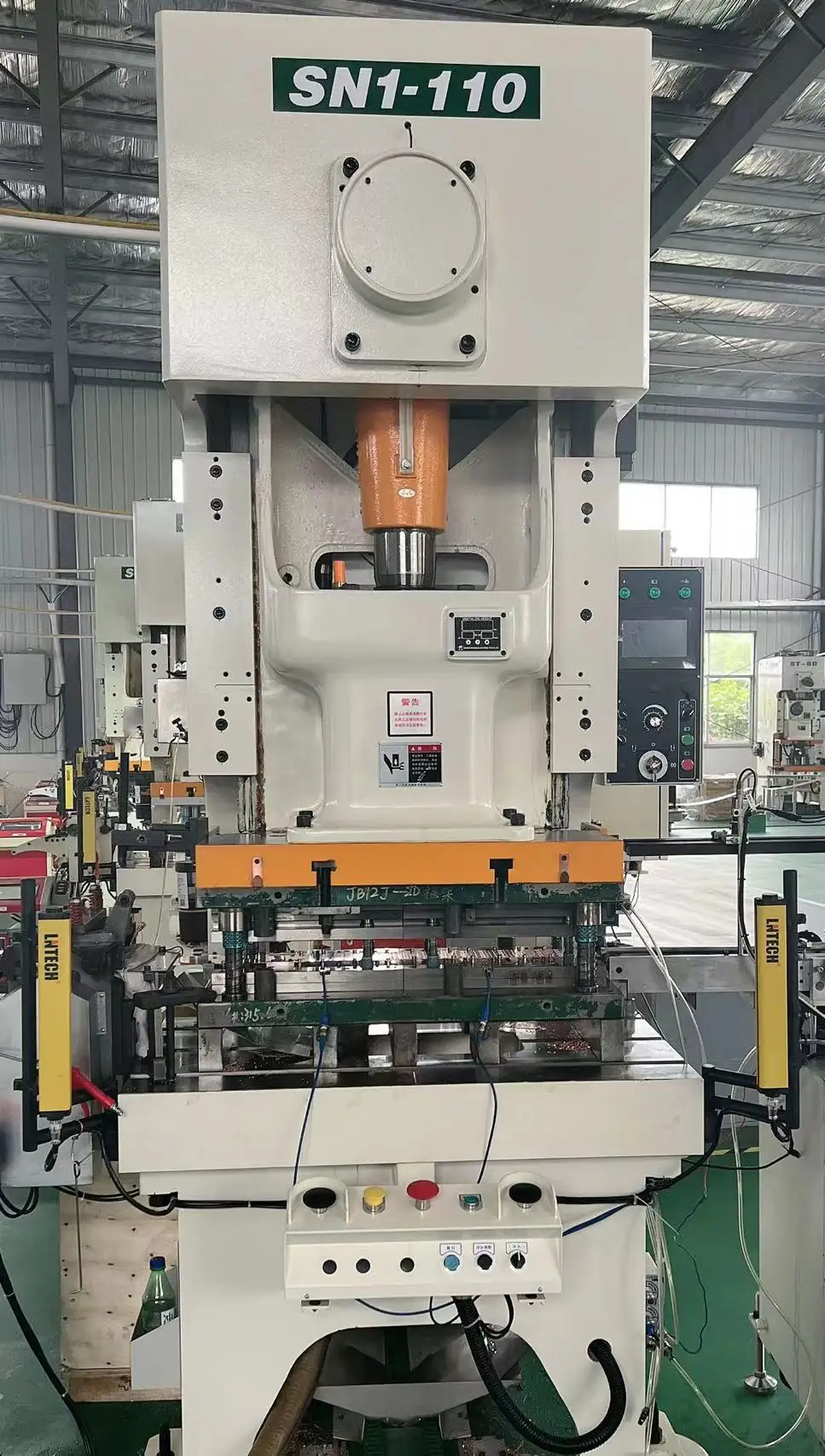
Ultra precision machining represents the pinnacle of manufacturing technology, delivering exceptional accuracy and surface quality that surpasses conventional machining methods by significant margins. This advanced manufacturing process achieves dimensional tolerances within nanometer ranges, typically reaching accuracies of less than 0.1 micrometers while maintaining surface roughness values below 10 nanometers Ra. The technology employs specialized machine tools equipped with ultra-stable foundations, environmental controls, and sophisticated feedback systems that continuously monitor and adjust cutting parameters in real-time. Ultra precision machining utilizes single-crystal diamond tools, ceramic cutting implements, and advanced carbide materials that maintain their sharpness across extended production runs. The process operates under strictly controlled environmental conditions, including temperature regulation within 0.01°C, vibration isolation systems, and cleanroom atmospheres that prevent contamination. Key technological features include spindle systems with air or magnetic bearings that eliminate mechanical contact, linear motor drives for smooth motion control, and metrology systems integrated directly into the machining process. The cutting speeds and feed rates are precisely calibrated to minimize tool wear while maximizing material removal efficiency. Applications span numerous high-tech industries where precision is paramount, including aerospace components such as gyroscope housings and navigation system parts, medical devices like artificial joint components and surgical instruments, optical elements including precision lenses and mirror substrates, semiconductor manufacturing equipment, and automotive components requiring exact specifications. Ultra precision machining also serves the defense sector for missile guidance systems and satellite components, while the consumer electronics industry relies on this technology for smartphone camera modules and high-end audio equipment. The process enables manufacturers to produce complex geometries with mirror-like surface finishes that often eliminate the need for secondary finishing operations, thereby reducing production time and costs while ensuring consistent quality across large production volumes.
Ultra precision machining delivers transformative benefits that revolutionize manufacturing capabilities across multiple industries. The most significant advantage lies in its ability to achieve extraordinary dimensional accuracy, enabling manufacturers to produce components with tolerances measured in nanometers rather than micrometers. This level of precision translates directly into improved product performance, enhanced reliability, and reduced assembly complications. Components machined using ultra precision techniques fit together perfectly, eliminating the need for extensive quality control adjustments and reducing rejection rates to virtually zero. The superior surface finish quality achieved through ultra precision machining eliminates the need for additional polishing or grinding operations, saving both time and money in the production process. Parts emerge from the machine with mirror-like surfaces that meet the most demanding optical and functional requirements immediately. This reduction in secondary operations streamlines production workflows, reduces handling damage risks, and accelerates time-to-market for new products. Material waste reduction represents another crucial advantage, as ultra precision machining removes only the necessary material with minimal overcutting or rework requirements. The precise control over cutting parameters ensures optimal material utilization, reducing raw material costs and supporting sustainable manufacturing practices. Tool life extension is significantly improved due to the controlled cutting environment and optimized cutting parameters, reducing tooling costs and minimizing production interruptions for tool changes. The technology enables manufacturers to work with challenging materials that conventional machining cannot handle effectively, including hardened steels, exotic alloys, ceramics, and composite materials. This expanded material capability opens new design possibilities and allows engineers to select materials based purely on performance requirements rather than machining limitations. Quality consistency across production runs is exceptional, as the automated control systems maintain identical cutting conditions for every part produced. This consistency reduces variation in critical dimensions, improves assembly processes, and ensures predictable product performance. The ability to machine complex geometries in single setups eliminates multiple operations and reduces cumulative tolerance stack-up errors that plague conventional multi-setup machining processes. Ultra precision machining also provides significant competitive advantages by enabling the production of components that competitors cannot manufacture using conventional methods, creating market differentiation opportunities and premium pricing potential.
Nanometer-Level Accuracy and Surface Quality Excellence
Ultra precision machining achieves unprecedented accuracy levels that redefine manufacturing standards across critical industries. This technology consistently delivers dimensional tolerances within 50 nanometers, representing accuracy levels approximately 100 times better than conventional machining methods. The exceptional precision stems from advanced machine tool designs incorporating air bearing spindles that eliminate mechanical friction and vibration, ultra-stable granite foundations that resist thermal expansion, and environmental controls that maintain temperature stability within 0.01°C. These machines utilize laser interferometer measurement systems that provide real-time position feedback with sub-nanometer resolution, ensuring every cut maintains perfect dimensional control. The surface quality achieved through ultra precision machining reaches roughness values below 5 nanometers Ra, producing mirror-like finishes that often exceed optical quality requirements. This superior surface finish eliminates microscopic scratches and tool marks that compromise performance in critical applications such as precision optics, medical implants, and aerospace components. The combination of exceptional accuracy and surface quality enables manufacturers to produce components that function at their theoretical performance limits rather than being constrained by manufacturing imperfections. For optical applications, ultra precision machined surfaces achieve reflectivity values exceeding 99.9 percent without additional coating processes. In medical applications, the smooth surfaces reduce bacterial adhesion and improve biocompatibility. Aerospace components benefit from reduced drag coefficients and improved fatigue resistance due to the absence of surface stress concentrations. The technology enables the production of complex freeform surfaces with mathematical precision, allowing engineers to design components with optimal aerodynamic or optical properties without manufacturing constraints. Quality validation occurs through advanced metrology systems including atomic force microscopes and white light interferometers that verify surface topography at the atomic level. This measurement capability ensures every component meets specifications before leaving the production environment, eliminating costly field failures and warranty claims.
Advanced Material Processing Capabilities and Versatility
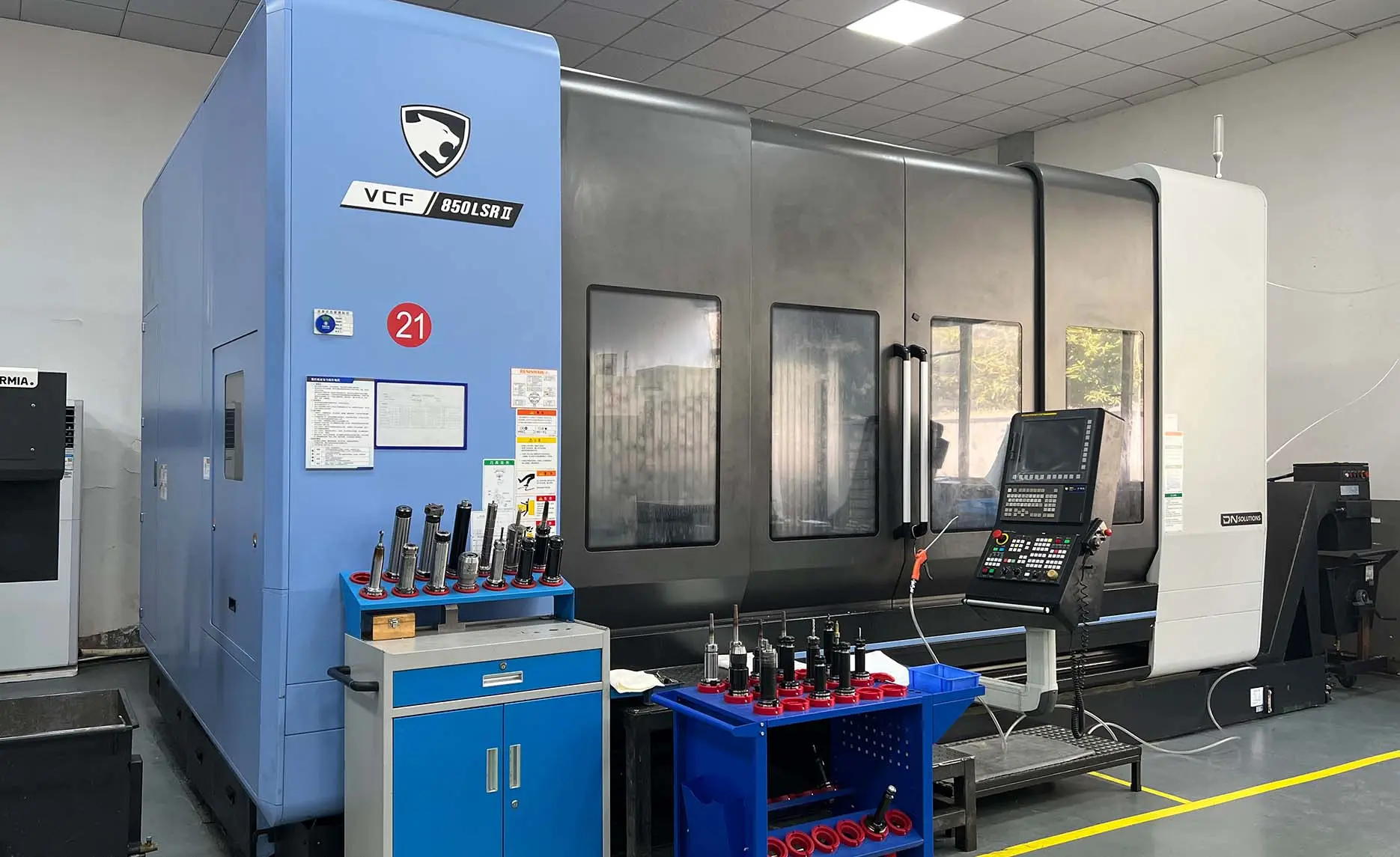
Ultra precision machining excels at processing the most challenging materials that conventional manufacturing methods cannot handle effectively, opening new possibilities for advanced engineering applications. This technology successfully machines ultra-hard materials including tungsten carbide, hardened tool steels above 60 HRC, advanced ceramics like silicon carbide and aluminum oxide, and exotic alloys such as Inconel and Hastelloy that resist conventional cutting. The secret lies in the precise control of cutting forces, temperatures, and tool engagement that prevents material damage while achieving superior results. Diamond cutting tools maintain their sharpness across extended cutting cycles, enabling consistent performance even when machining abrasive materials that quickly dull conventional tools. The technology processes brittle materials like optical glasses and semiconductors without chipping or cracking, utilizing specialized cutting strategies that minimize stress concentrations. Composite materials with fiber reinforcements are machined cleanly without delamination or fiber pullout, maintaining structural integrity throughout the cutting process. Ultra precision machining also handles soft, gummy materials that tend to smear or tear during conventional machining by utilizing ultra-sharp cutting edges and optimized cutting speeds that achieve clean shearing action. The capability extends to processing materials at cryogenic temperatures, enabling the machining of materials that become too soft or unstable at room temperature. Thermal management during the cutting process prevents heat-induced material changes that could compromise component properties. The technology accommodates materials with varying hardness zones, such as case-hardened components or welded assemblies, maintaining consistent surface quality across material transitions. Multi-material components can be machined in single setups, eliminating assembly operations and improving dimensional relationships between dissimilar materials. The versatility enables rapid prototyping of new material combinations and accelerates the development of advanced engineering solutions. Material selection becomes performance-driven rather than manufacturing-limited, allowing engineers to specify optimal materials for each application without compromising on manufacturability.
Cost-Effective Production Through Process Integration and Automation
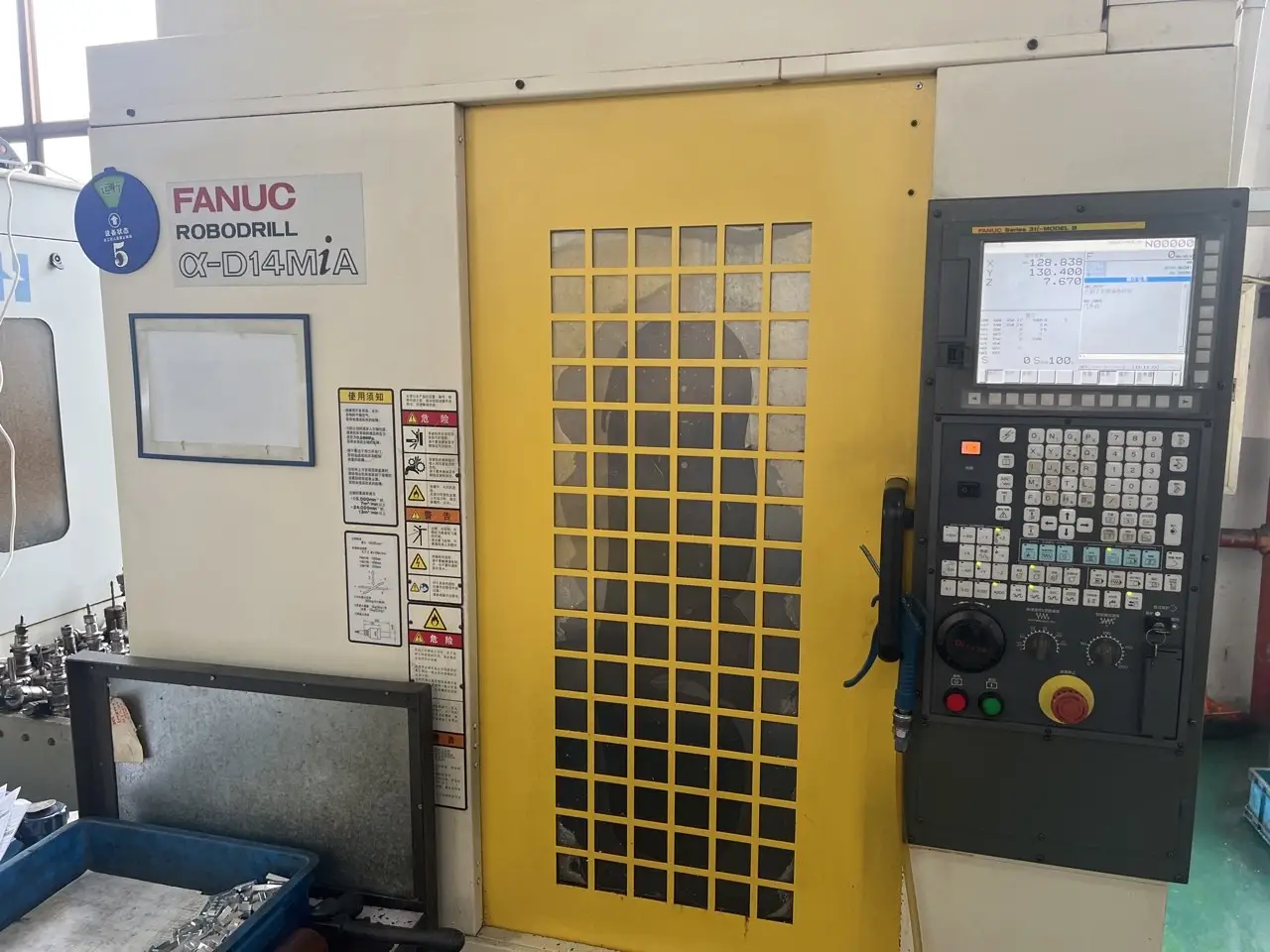
Ultra precision machining delivers exceptional economic value by integrating multiple manufacturing operations into single, highly automated processes that reduce overall production costs while improving quality. Traditional manufacturing often requires multiple machines and setups to achieve final specifications, with each operation introducing potential errors and increasing handling costs. Ultra precision machining consolidates these operations by performing rough machining, finish machining, and surface finishing in continuous operations using the same machine setup. This integration eliminates work-in-process inventory, reduces floor space requirements, and minimizes material handling costs while improving delivery schedules. The automation capabilities include automatic tool changing systems that select optimal cutting tools for each machining operation, adaptive control systems that adjust cutting parameters based on real-time monitoring, and integrated measurement systems that verify dimensions during the machining process. These automated features reduce labor costs by enabling lights-out manufacturing operations that continue production during non-staffed hours. Quality costs decrease significantly as the consistent accuracy eliminates inspection requirements and virtually eliminates scrap production. The predictable tool life and cutting parameters enable accurate production planning and inventory management, reducing unexpected downtime and rush tooling orders. Energy efficiency is optimized through precise cutting parameter control that minimizes power consumption while maximizing material removal rates. The extended tool life reduces tooling costs per part while the elimination of secondary operations reduces overall cycle times. Setup times are minimized through advanced workholding systems and automated part loading mechanisms that reduce changeover times between different part configurations. The technology enables economic production of small batch sizes that would be prohibitively expensive using conventional methods, making custom and specialized components commercially viable. Competitive advantages include the ability to quote shorter delivery times, guarantee tighter tolerances, and offer superior surface finishes that command premium pricing. The return on investment typically occurs within two years through reduced manufacturing costs, improved quality, and expanded market opportunities that ultra precision capabilities enable.