
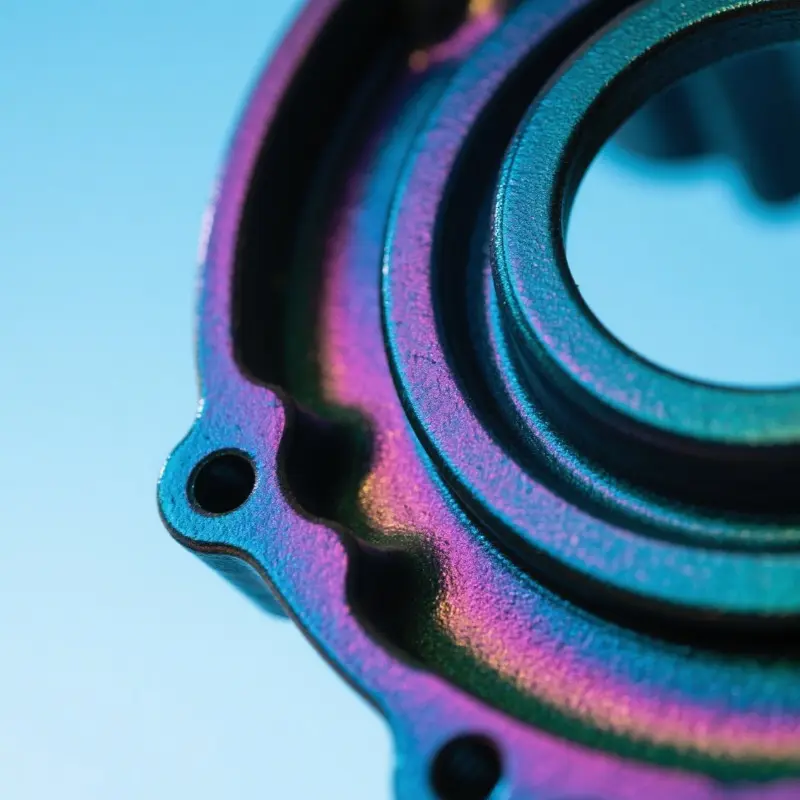
Surface treatment solutions represent a comprehensive array of technologies designed to modify and enhance the properties of material surfaces across diverse industrial applications. These sophisticated processes fundamentally alter the physical, chemical, and mechanical characteristics of substrate materials, creating protective barriers and functional coatings that extend product lifecycles while improving performance parameters. Modern surface treatment solutions encompass various methodologies including electroplating, anodizing, powder coating, thermal spraying, chemical vapor deposition, and advanced plasma treatments. Each technique serves specific purposes in addressing challenges such as corrosion resistance, wear protection, aesthetic enhancement, and functional optimization. The technology operates through controlled modification of surface morphology, composition, and structure at microscopic levels. Advanced surface treatment solutions utilize cutting-edge equipment incorporating precise temperature control, atmospheric management, and chemical composition monitoring to ensure consistent, high-quality results. These processes can create ultra-thin protective films measuring nanometers or substantial coatings several millimeters thick, depending on application requirements. Industries ranging from automotive and aerospace to electronics and medical devices rely heavily on surface treatment solutions to meet stringent performance standards and regulatory compliance. The versatility of these solutions enables customization for specific environmental conditions, mechanical stress requirements, and aesthetic preferences. Contemporary surface treatment solutions integrate environmentally conscious approaches, utilizing eco-friendly chemicals and energy-efficient processes that minimize environmental impact while maintaining superior performance characteristics. Quality control systems ensure precise monitoring of coating thickness, adhesion strength, and surface uniformity throughout the treatment process. These solutions accommodate various substrate materials including metals, plastics, ceramics, and composite materials, making them indispensable for modern manufacturing operations seeking to optimize product performance and durability.
Surface treatment solutions deliver exceptional value by dramatically extending product lifespan through superior protection against environmental degradation and mechanical wear. These technologies create robust barriers that shield underlying materials from corrosive elements, moisture, chemicals, and abrasive conditions that typically cause premature failure. Manufacturers experience significant cost savings as treated components require less frequent replacement and maintenance, reducing operational downtime and replacement expenses. The enhanced durability translates directly into improved reliability for end-users, who benefit from products that maintain consistent performance over extended periods. Surface treatment solutions offer remarkable versatility in addressing diverse material requirements across multiple industries. Whether protecting steel components from rust, enhancing aluminum conductivity, or providing biocompatible coatings for medical implants, these solutions adapt to specific application needs with precision. This flexibility allows manufacturers to standardize their production processes while accommodating various performance specifications without requiring completely different manufacturing approaches. The aesthetic benefits of surface treatment solutions significantly enhance product marketability and consumer appeal. Advanced coating technologies produce uniform, attractive finishes in countless colors, textures, and functional properties that traditional materials cannot achieve independently. This capability enables designers and engineers to create products that combine superior functionality with visual appeal, meeting both performance requirements and consumer preferences simultaneously. Implementation of surface treatment solutions streamlines manufacturing workflows by consolidating multiple processing steps into efficient, automated systems. Modern treatment facilities utilize computer-controlled processes that ensure consistent quality while reducing labor costs and human error. The scalability of these solutions accommodates both high-volume production runs and specialized custom applications, providing manufacturers with operational flexibility that adapts to market demands. Environmental compliance becomes manageable through advanced surface treatment solutions that meet strict regulatory standards while maintaining performance excellence. These systems incorporate waste reduction technologies, emission controls, and recycling capabilities that minimize environmental impact while delivering superior results. Quality assurance systems provide comprehensive documentation and traceability, ensuring products meet industry standards and customer specifications consistently. The investment in surface treatment solutions generates measurable returns through reduced warranty claims, enhanced customer satisfaction, and competitive advantages in markets where durability and performance differentiate successful products from inferior alternatives.
Advanced Corrosion Protection Technology
Modern surface treatment solutions incorporate revolutionary corrosion protection technology that creates multi-layered defense systems against environmental degradation. This sophisticated approach combines barrier coatings with active protection mechanisms that respond dynamically to corrosive conditions. The technology utilizes advanced polymer chemistry and nanotechnology to create protective films that self-heal minor damage and adapt to changing environmental conditions. These intelligent coatings monitor substrate conditions and release protective compounds when corrosive elements are detected, providing unprecedented longevity compared to traditional protective methods. The multilayer architecture typically consists of primer layers that enhance adhesion and provide cathodic protection, intermediate layers that create moisture barriers, and topcoats that resist UV radiation, chemicals, and mechanical damage. This comprehensive protection system addresses multiple degradation mechanisms simultaneously, ensuring superior performance in harsh environments including marine conditions, industrial atmospheres, and extreme weather exposure. Advanced surface treatment solutions utilize cutting-edge application techniques including electrostatic spray systems, plasma deposition, and molecular-level bonding processes that create uniform, defect-free protective layers. Quality control systems monitor coating thickness, adhesion strength, and chemical composition throughout the application process, ensuring consistent protection across entire component surfaces. The technology accommodates complex geometries and internal surfaces that traditional protection methods cannot reach effectively. Environmental testing validates protection performance under accelerated aging conditions that simulate decades of real-world exposure in compressed timeframes. These solutions demonstrate measurable improvements in corrosion resistance, often extending component lifecycles by 300-500 percent compared to untreated materials. The economic benefits include reduced maintenance costs, extended replacement intervals, and improved operational reliability that translates into significant long-term savings for equipment owners and operators across diverse industrial applications.
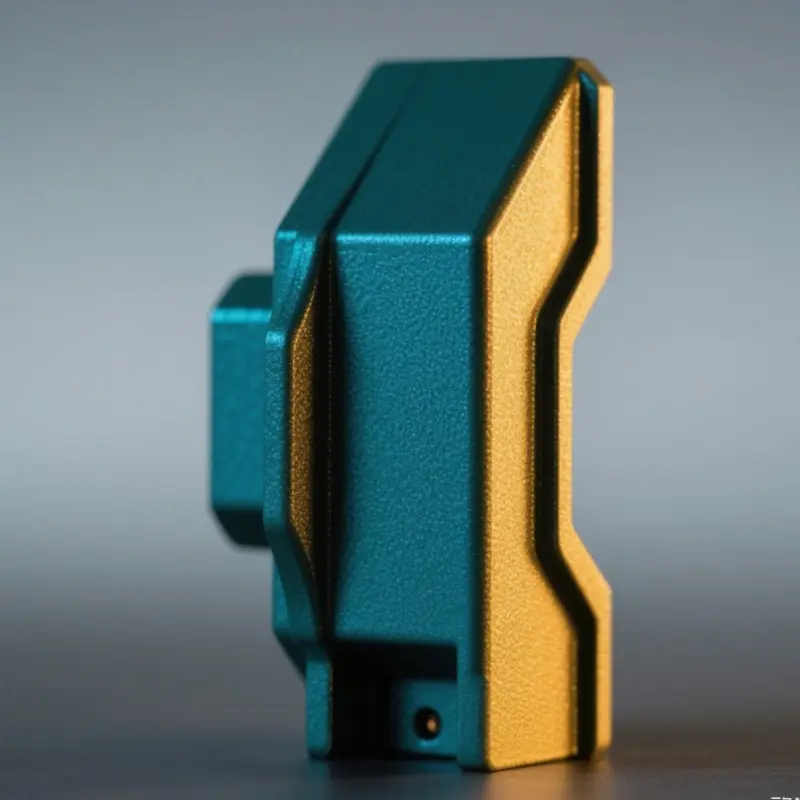
Precision Engineering and Customization Capabilities
Surface treatment solutions excel in precision engineering applications where exact specifications and tight tolerances are critical for optimal performance. Advanced process control systems utilize sophisticated monitoring equipment including laser measurement devices, spectroscopic analysis, and real-time thickness gauges to ensure coating properties meet exacting standards consistently. This precision capability enables manufacturers to achieve coating thickness variations within micrometers, surface roughness parameters that optimize friction characteristics, and chemical compositions tailored for specific performance requirements. Customization extends beyond basic coating selection to encompass engineered solutions that address unique application challenges through modified chemistry, specialized application techniques, and post-treatment processing steps. Engineering teams collaborate closely with customers to analyze operating conditions, performance requirements, and environmental factors that influence coating selection and process parameters. This consultative approach results in surface treatment solutions that optimize multiple performance characteristics simultaneously, such as combining excellent wear resistance with specific electrical conductivity requirements or integrating antimicrobial properties with superior chemical resistance. Advanced surface treatment solutions accommodate complex component geometries including internal passages, threaded surfaces, and intricate shapes that require specialized fixturing and application techniques. Robotic application systems ensure consistent coverage and quality across production runs while accommodating variations in component size and configuration without compromising coating integrity. Process documentation and validation protocols provide complete traceability for critical applications including aerospace, medical devices, and safety-critical automotive components. Quality management systems incorporate statistical process control methods that identify trends and variations before they impact product quality, ensuring continuous improvement and optimization. The customization capabilities extend to developing entirely new coating formulations for emerging applications, utilizing research and development resources that stay ahead of industry trends and technological advances. This forward-thinking approach positions customers competitively by providing access to next-generation surface treatment solutions before they become industry standards.
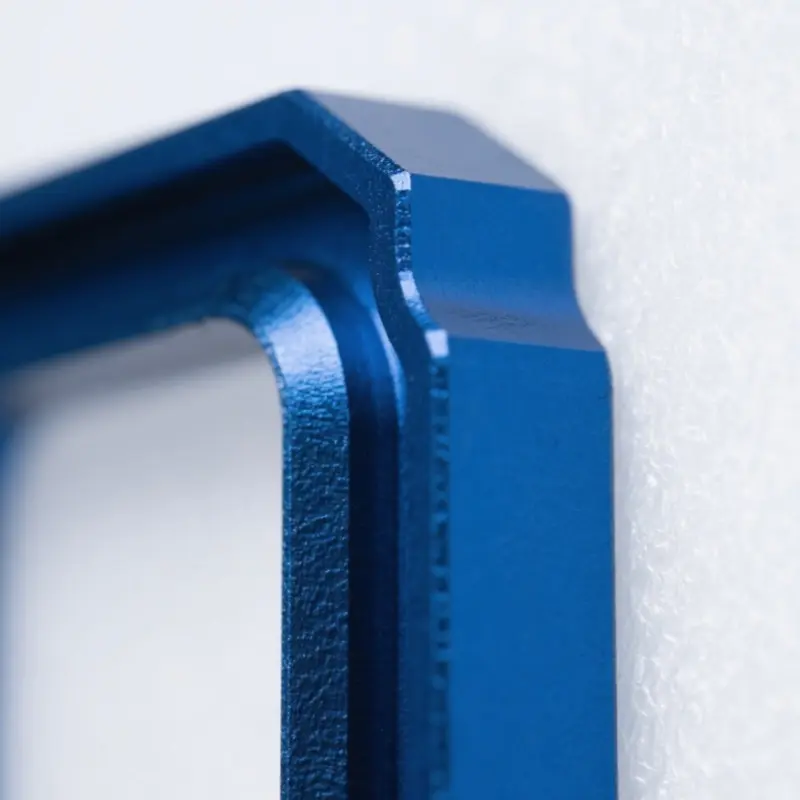
Environmental Sustainability and Compliance Excellence
Contemporary surface treatment solutions prioritize environmental sustainability through innovative technologies that minimize ecological impact while delivering superior performance characteristics. Advanced treatment processes utilize water-based formulations, low-VOC compounds, and closed-loop systems that dramatically reduce emissions and waste generation compared to traditional coating methods. These environmentally conscious solutions incorporate recycling systems that reclaim and reprocess treatment chemicals, reducing raw material consumption and disposal costs while maintaining consistent quality standards. Energy-efficient equipment designs minimize power consumption through optimized heating systems, heat recovery technologies, and intelligent process controls that eliminate unnecessary energy usage during production cycles. Waste treatment systems ensure that process effluents meet or exceed regulatory discharge standards through advanced filtration, neutralization, and recovery processes that protect local water resources and ecosystems. Comprehensive environmental management systems provide detailed monitoring and reporting capabilities that demonstrate compliance with increasingly stringent regulations while supporting sustainability initiatives and corporate responsibility goals. Surface treatment solutions contribute to overall product sustainability by extending component lifecycles, reducing replacement frequency, and minimizing material consumption over product lifetimes. This circular economy approach aligns with global sustainability trends while delivering tangible economic benefits through reduced lifecycle costs and improved resource efficiency. Certification programs validate environmental performance through third-party auditing and verification processes that provide customers with documented proof of sustainability achievements. Training programs ensure that operational personnel understand environmental best practices and maintain compliance standards throughout daily operations. Research and development efforts continuously improve environmental performance through innovative chemistry, process optimization, and equipment design that reduces environmental footprint while enhancing treatment effectiveness. These sustainability initiatives position surface treatment solutions as essential components of responsible manufacturing strategies that balance economic success with environmental stewardship. The measurable environmental benefits include reduced carbon footprint, minimized waste generation, improved resource utilization efficiency, and enhanced workplace safety through elimination of hazardous chemical exposures that characterize older treatment technologies.