
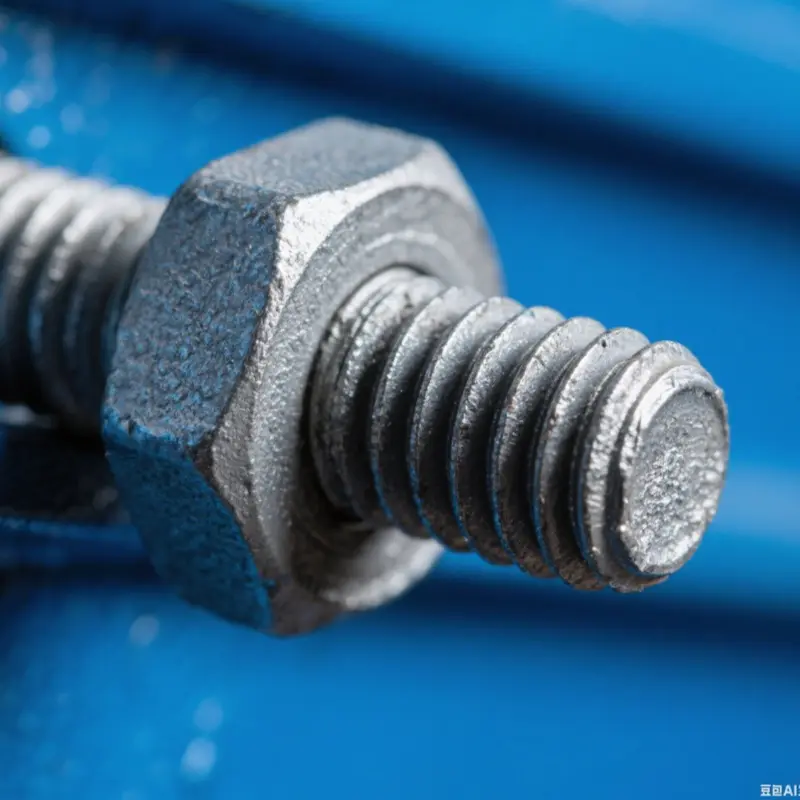
Ozone surface treatment represents a revolutionary approach to material modification, utilizing the powerful oxidizing properties of ozone gas to enhance surface characteristics across diverse industrial applications. This advanced technique employs ozone (O3) molecules to chemically alter surface properties, creating functional groups that improve adhesion, wettability, and biocompatibility. The ozone surface treatment process operates through controlled exposure of materials to ozone-enriched environments, where the highly reactive ozone molecules interact with surface atoms to form new chemical bonds and modify molecular structures. The technology works particularly effectively on polymer surfaces, metals, ceramics, and composite materials, making it versatile for numerous manufacturing sectors. Key technological features include precise control over treatment parameters such as ozone concentration, exposure duration, temperature, and humidity levels. The process can be conducted at atmospheric pressure or in vacuum conditions, depending on specific application requirements. Unlike traditional chemical treatments, ozone surface treatment requires no solvents or harmful chemicals, making it environmentally sustainable. The treatment creates polar functional groups on material surfaces, significantly improving paint adhesion, coating performance, and bonding strength. Applications span automotive manufacturing, aerospace components, medical device production, electronics assembly, and packaging industries. In automotive applications, ozone surface treatment prepares plastic components for painting and adhesive bonding, ensuring superior finish quality and durability. Aerospace manufacturers utilize this technology to enhance composite material bonding strength and reduce delamination risks. Medical device companies rely on ozone surface treatment to improve biocompatibility and sterilization effectiveness. The process is particularly valuable for treating polyethylene, polypropylene, PTFE, and other low-energy surfaces that typically resist conventional bonding methods.
Ozone surface treatment delivers exceptional value through its environmentally friendly approach that eliminates toxic chemicals and reduces waste disposal costs. This sustainable technology uses only oxygen and electricity to generate ozone, producing no harmful byproducts or residual chemicals on treated surfaces. Manufacturers benefit from significant cost reductions by eliminating expensive chemical primers and surface preparation materials traditionally required for difficult-to-bond substrates. The process operates at room temperature, minimizing energy consumption while preventing thermal damage to sensitive materials. Production efficiency increases dramatically as ozone surface treatment requires only minutes of exposure time compared to hours needed for chemical etching or flame treatment methods. The uniform treatment coverage ensures consistent results across complex geometries and hard-to-reach areas that conventional methods struggle to address effectively. Quality improvements manifest through enhanced adhesion strength, with bond strength increases often exceeding 300 percent compared to untreated surfaces. This superior adhesion performance reduces warranty claims and product failures in demanding applications. The treatment creates lasting surface modifications that remain stable over extended periods, providing long-term value for manufacturers. Workplace safety improves significantly as operators avoid exposure to hazardous chemicals, reducing health risks and insurance costs. The ozone surface treatment process integrates seamlessly into existing production lines without requiring major equipment modifications or lengthy installation procedures. Automated systems enable precise control over treatment parameters, ensuring reproducible results and minimizing operator error. The technology accommodates batch processing and continuous production methods, providing flexibility for various manufacturing scales. Maintenance requirements remain minimal due to the simple system design and absence of complex chemical handling equipment. Companies report improved employee satisfaction due to cleaner working conditions and reduced chemical exposure concerns. Environmental compliance becomes easier as ozone surface treatment eliminates volatile organic compound emissions and hazardous waste generation.
Revolutionary Environmental Sustainability
Ozone surface treatment stands at the forefront of green manufacturing technology, delivering exceptional environmental benefits that transform industrial processes while maintaining superior performance standards. This innovative approach eliminates the need for hazardous chemicals, solvents, and primers traditionally required for surface modification, creating a truly sustainable manufacturing solution. The process generates ozone from ambient oxygen using electrical discharge, producing no toxic waste streams or harmful emissions that require expensive disposal methods. When ozone completes its surface modification work, it naturally decomposes back into oxygen, leaving no chemical residues or contaminants on treated materials. This circular approach aligns perfectly with modern sustainability initiatives and helps manufacturers achieve their environmental goals. Companies implementing ozone surface treatment report dramatic reductions in chemical purchasing costs, waste disposal fees, and environmental compliance expenses. The technology supports zero-waste manufacturing principles by eliminating chemical containers, reducing packaging waste, and minimizing transportation impacts associated with hazardous material logistics. Workplace air quality improves significantly as volatile organic compounds and toxic vapors are eliminated from production environments. Employees benefit from safer working conditions without exposure to carcinogenic chemicals or respiratory irritants commonly found in traditional surface treatments. The technology meets stringent environmental regulations across global markets, simplifying international compliance requirements for multinational manufacturers. Carbon footprint reduction occurs through decreased chemical production demand and elimination of energy-intensive chemical processing steps. Water consumption drops substantially as ozone surface treatment requires no aqueous cleaning or rinsing procedures. The sustainable approach attracts environmentally conscious customers and supports corporate social responsibility programs. Investment in ozone surface treatment demonstrates environmental leadership while delivering measurable cost savings and operational improvements that enhance long-term competitiveness.
Superior Adhesion Performance Enhancement
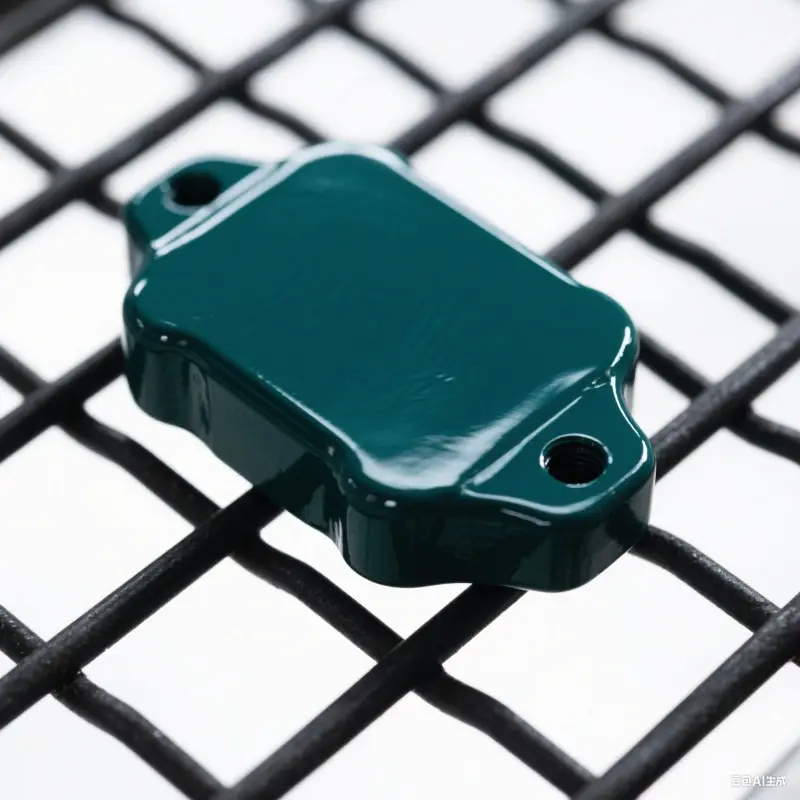
Ozone surface treatment delivers unprecedented adhesion improvements that revolutionize bonding performance across challenging material combinations and demanding applications. The technology creates highly active surface sites through controlled oxidation reactions that form polar functional groups, dramatically increasing surface energy and wettability characteristics. These chemical modifications enable strong molecular interactions between substrates and adhesives, coatings, or bonding agents that previously required expensive primers or mechanical abrasion methods. Laboratory testing consistently demonstrates bond strength improvements ranging from 200 to 500 percent compared to untreated surfaces, with some material combinations showing even greater enhancements. The treatment effectively addresses notoriously difficult-to-bond materials like polyethylene, polypropylene, PTFE, and other low-surface-energy polymers that resist conventional surface preparation methods. Unlike mechanical roughening that weakens material substrates, ozone surface treatment preserves base material integrity while creating optimal bonding conditions. The molecular-level modifications penetrate surface layers to create durable bonding sites that resist environmental degradation and maintain adhesion strength over extended service periods. Temperature cycling tests reveal superior bond durability compared to chemically treated surfaces, with maintained adhesion performance across extreme temperature ranges. Humidity resistance improves significantly as ozone treatment creates stable chemical bonds that resist moisture-induced degradation. The uniform treatment coverage ensures consistent adhesion properties across complex geometries, internal surfaces, and areas inaccessible to traditional surface preparation methods. Quality control becomes more predictable as ozone surface treatment eliminates variables associated with chemical batch consistency, application uniformity, and operator technique. Manufacturers report reduced rejection rates, fewer warranty claims, and improved customer satisfaction due to enhanced product reliability. The superior adhesion performance enables design engineers to specify lighter materials and thinner adhesive layers while maintaining structural requirements, supporting weight reduction initiatives across automotive and aerospace applications.
Streamlined Production Integration
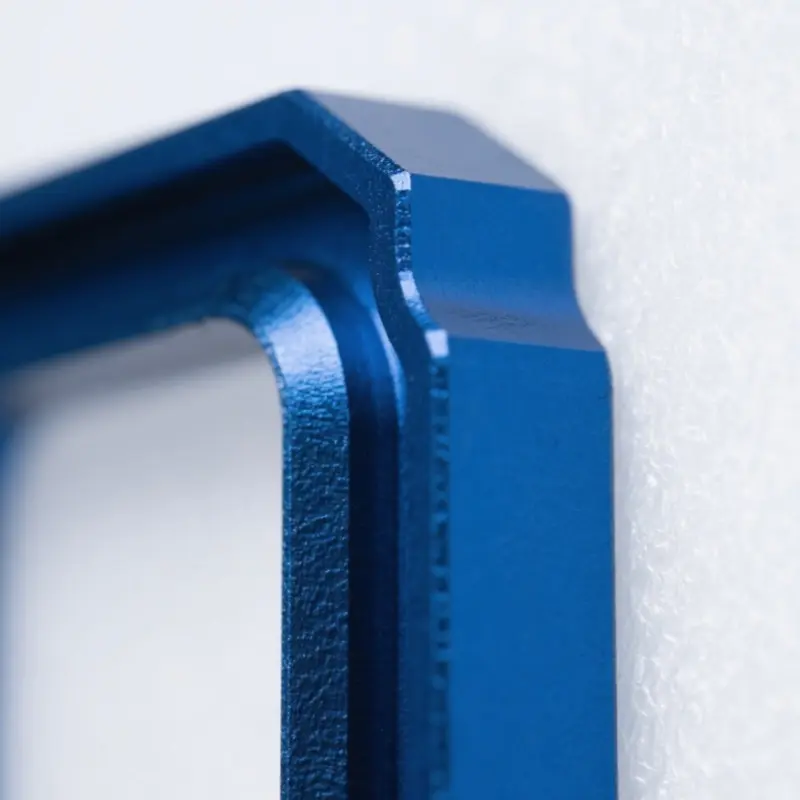
Ozone surface treatment seamlessly integrates into existing manufacturing processes, delivering operational efficiency improvements that enhance productivity while reducing complexity and costs. The technology accommodates both batch and continuous production methods through flexible system configurations that adapt to diverse manufacturing requirements without disrupting established workflows. Installation typically requires minimal facility modifications as ozone treatment systems operate at atmospheric pressure and room temperature, eliminating the need for high-pressure equipment or heating systems. The compact equipment footprint enables integration into space-constrained production areas while maintaining full treatment effectiveness. Automated control systems provide precise parameter monitoring and adjustment capabilities that ensure consistent treatment results while minimizing operator intervention requirements. Real-time monitoring displays track ozone concentration, treatment duration, and environmental conditions to maintain optimal processing parameters throughout production runs. The rapid treatment cycle times, typically ranging from 30 seconds to 5 minutes depending on material and application requirements, support high-throughput manufacturing operations without creating production bottlenecks. Unlike chemical treatments that require drying time, curing periods, or ventilation delays, ozone surface treatment enables immediate downstream processing, accelerating overall production schedules. Maintenance requirements remain minimal due to the simple system design featuring few moving parts and no chemical handling components that require regular servicing or replacement. Training requirements are straightforward as operators need only basic understanding of system controls and safety procedures, reducing training costs and time investments. The technology eliminates chemical inventory management, storage requirements, and handling procedures that consume valuable floor space and administrative resources. Quality assurance becomes more reliable through consistent treatment parameters that eliminate batch-to-batch variations common with chemical processes. Production scheduling flexibility improves as ozone treatment systems start and stop instantly without warm-up periods or chemical preparation delays. The scalable technology grows with business needs through modular system designs that accommodate increased production volumes without complete equipment replacement.