
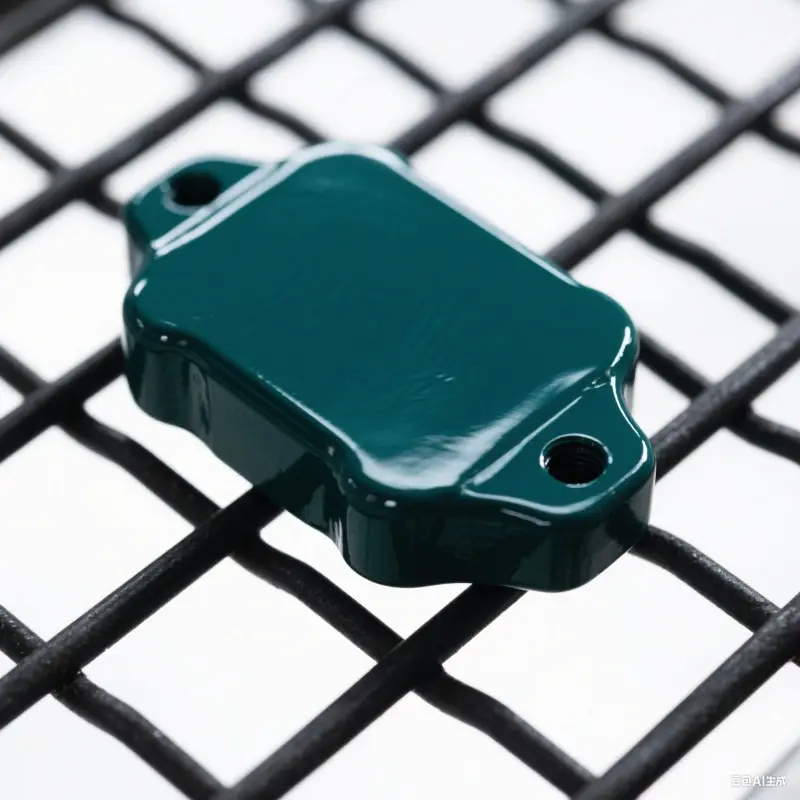
Surface treatment represents a critical manufacturing process that modifies the outermost layer of materials to enhance their performance characteristics and extend operational lifespan. This sophisticated technology involves applying various physical, chemical, or mechanical processes to alter surface properties without changing the core material structure. Surface treatment encompasses numerous techniques including coating applications, oxidation processes, plating methods, and surface hardening procedures that target specific performance improvements. The primary functions of surface treatment include corrosion resistance enhancement, wear protection, aesthetic improvement, and functional property modification. These processes create protective barriers that shield underlying materials from environmental damage, chemical reactions, and mechanical wear. Surface treatment technology features precise control mechanisms that allow manufacturers to achieve consistent results across large production volumes. Modern surface treatment facilities utilize automated systems with real-time monitoring capabilities to ensure uniform coverage and optimal adhesion properties. The technological features include advanced preparation methods such as cleaning, degreasing, and surface profiling that create ideal conditions for treatment application. Temperature control systems maintain optimal processing conditions while specialized equipment ensures even distribution of treatment materials. Quality control measures incorporate sophisticated testing protocols that verify coating thickness, adhesion strength, and surface uniformity. Surface treatment applications span diverse industries including automotive manufacturing, aerospace engineering, electronics production, construction materials, and consumer goods. In automotive applications, surface treatment protects vehicle components from rust and corrosion while providing decorative finishes. Aerospace industries rely on surface treatment for lightweight components that must withstand extreme environmental conditions. Electronics manufacturing uses surface treatment to improve conductivity and prevent oxidation of sensitive components. Construction materials benefit from surface treatment through enhanced weather resistance and improved durability. The versatility of surface treatment makes it essential for manufacturers seeking to improve product quality, reduce maintenance requirements, and meet stringent industry standards.
Surface treatment delivers exceptional value to manufacturers and end-users through comprehensive performance improvements that directly impact product reliability and cost-effectiveness. The enhanced corrosion resistance provided by surface treatment significantly extends product lifespan by creating robust barriers against moisture, chemicals, and environmental contaminants. This protection translates into reduced replacement costs and lower maintenance requirements, providing substantial long-term savings for businesses and consumers. Surface treatment improves wear resistance dramatically, allowing components to maintain their dimensional accuracy and functional properties under demanding operating conditions. This increased durability means equipment operates more efficiently with fewer breakdowns and extended service intervals. The aesthetic benefits of surface treatment create superior visual appeal that enhances product marketability and consumer satisfaction. Professional-grade finishes achieved through surface treatment provide consistent appearance that maintains its quality over extended periods. Surface treatment offers remarkable versatility in achieving specific functional requirements such as improved electrical conductivity, enhanced thermal properties, or specialized friction characteristics. This adaptability allows manufacturers to optimize their products for particular applications without compromising other performance aspects. The process efficiency of modern surface treatment systems enables high-volume production with consistent quality standards, reducing per-unit costs while maintaining superior performance characteristics. Environmental benefits include reduced waste generation through extended product lifespans and the ability to refurbish existing components rather than replacing them entirely. Surface treatment supports sustainable manufacturing practices by enabling the use of lighter base materials that achieve required performance levels through strategic surface modification. Quality assurance advantages include predictable performance outcomes and standardized testing protocols that ensure compliance with industry specifications. The scalability of surface treatment processes allows manufacturers to meet varying production demands while maintaining cost-effectiveness across different batch sizes. Investment protection occurs through equipment that maintains its value longer and performs more reliably throughout its operational life. Risk mitigation benefits include reduced failure rates and improved safety margins in critical applications where component reliability is paramount.
Advanced Corrosion Protection Technology
The advanced corrosion protection capability of surface treatment represents a revolutionary approach to material preservation that delivers unparalleled defense against environmental degradation. This sophisticated protection system creates multiple barrier layers that work synergistically to prevent corrosive elements from reaching the base material. The technology utilizes carefully engineered chemical compositions that form molecular bonds with the substrate, creating an integrated protective system rather than simply applying a superficial coating. This advanced surface treatment methodology incorporates inhibitor compounds that actively neutralize corrosive agents, providing both passive and active protection mechanisms. The multi-layered protection approach ensures that even if the outer protective layer experiences minor damage, underlying barrier systems continue to provide effective protection. Temperature resistance characteristics allow the surface treatment to maintain its protective properties across extreme environmental conditions, from sub-zero temperatures to high-heat applications. The electrochemical properties of the surface treatment create an environment that is inherently resistant to galvanic corrosion, protecting components in mixed-metal assemblies. Salt spray testing demonstrates exceptional performance with protection lasting significantly longer than traditional coating methods. UV resistance ensures that outdoor applications maintain their protective properties without degradation from solar radiation exposure. The self-healing properties of certain surface treatment formulations allow minor scratches and abrasions to seal automatically, maintaining protective integrity over time. Chemical compatibility testing confirms that the surface treatment remains stable when exposed to various industrial chemicals, cleaning agents, and automotive fluids. The uniform coverage achieved through advanced application techniques ensures consistent protection across complex geometries and hard-to-reach surfaces. Quality control protocols verify protection effectiveness through accelerated aging tests that simulate years of environmental exposure in controlled laboratory conditions. This comprehensive protection approach reduces maintenance costs by eliminating the need for frequent reapplication and extends the operational lifespan of treated components by decades rather than years.
Superior Surface Hardness and Wear Resistance
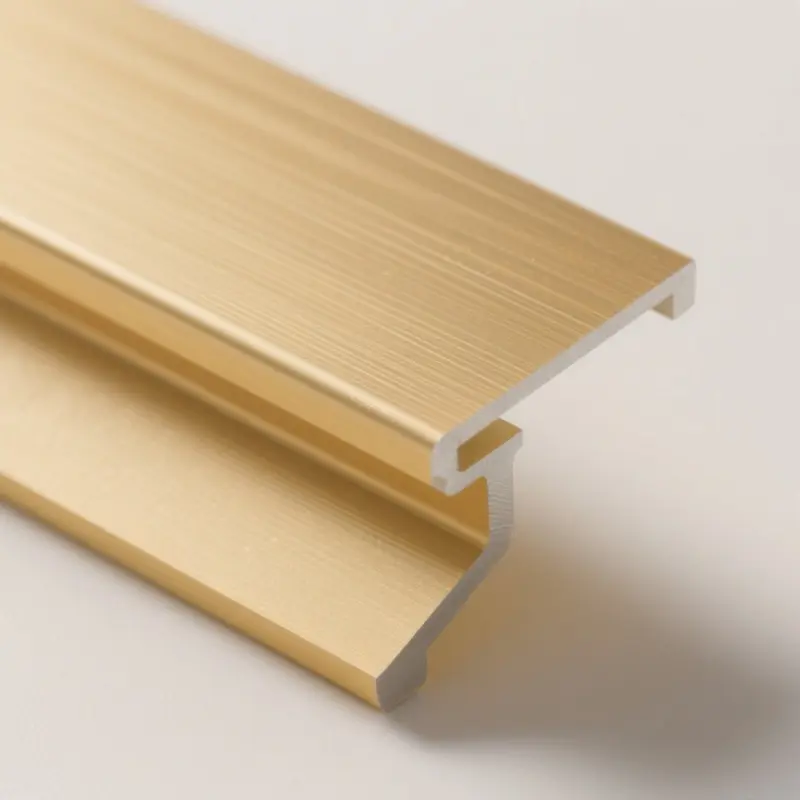
The superior surface hardness achieved through advanced surface treatment technology transforms material properties to deliver exceptional wear resistance that dramatically outperforms untreated surfaces. This hardening process utilizes controlled metallurgical transformation that increases surface density and creates refined crystalline structures with enhanced mechanical properties. The surface treatment penetrates beyond the immediate surface layer to create a gradient hardness profile that provides excellent support for the hardened surface while maintaining core material toughness. Microhardness testing reveals surface hardness levels that exceed base material properties by several hundred percent, creating surfaces capable of withstanding extreme mechanical stress. The wear resistance characteristics demonstrate remarkable improvement in abrasion testing, with treated surfaces showing minimal material loss even under severe testing conditions. Friction coefficient optimization through surface treatment reduces energy consumption in moving components while extending operational life through reduced wear rates. The surface treatment creates uniform hardness distribution that eliminates weak points and ensures consistent performance across the entire treated surface. Heat treatment integration allows the surface hardness enhancement to work in harmony with core material properties, preventing brittleness while maximizing surface protection. Fatigue resistance improvements result from the compressive stress patterns created during the surface treatment process, which help prevent crack initiation and propagation. The surface finish quality achieved through surface treatment maintains its properties over extended operating periods, ensuring that precision components retain their dimensional accuracy. Contact stress distribution becomes more favorable due to the hardened surface layer, reducing localized stress concentrations that could lead to premature failure. Impact resistance testing shows that surface-treated components maintain their hardness properties even after experiencing shock loads that would damage untreated surfaces. Lubrication compatibility remains excellent, with the surface treatment actually improving lubricant retention and effectiveness. Quality assurance procedures verify hardness consistency through comprehensive mapping techniques that ensure uniform properties across complex component geometries. This superior hardness and wear resistance translates directly into reduced maintenance requirements, extended service intervals, and improved operational reliability for critical applications.
Precision Application and Quality Control Excellence
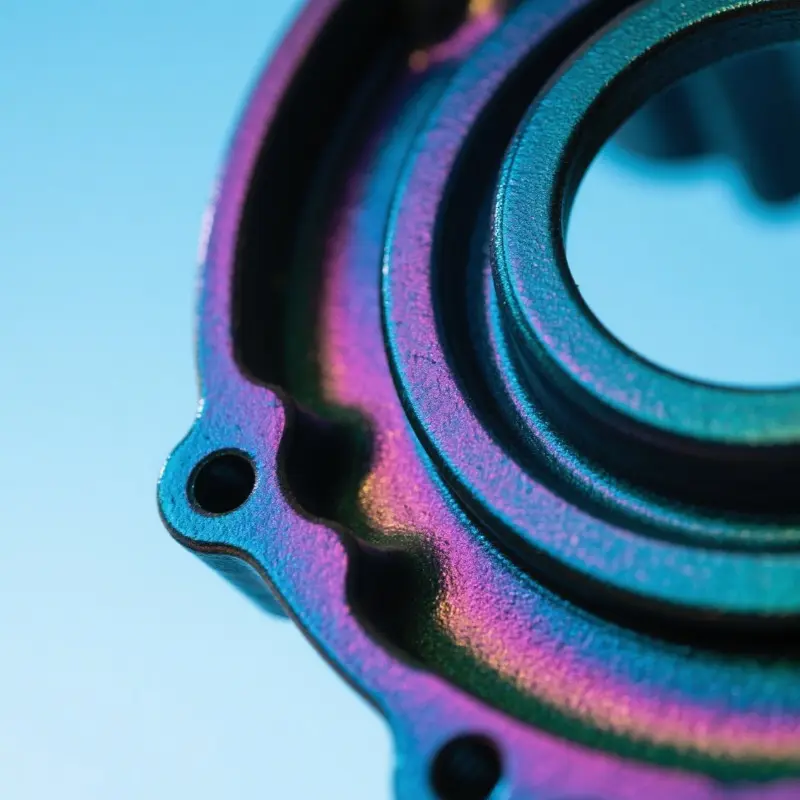
The precision application methodology employed in modern surface treatment processes represents the pinnacle of manufacturing technology, delivering consistent, high-quality results through sophisticated control systems and advanced application techniques. This precision-driven approach utilizes computer-controlled application equipment that monitors and adjusts process parameters in real-time to ensure optimal treatment uniformity across every component. The automated systems incorporate multiple sensors that continuously measure temperature, humidity, flow rates, and other critical variables to maintain ideal processing conditions throughout the treatment cycle. Pre-treatment preparation protocols ensure that surfaces receive meticulous cleaning and conditioning to create optimal bonding conditions for the surface treatment application. The precision spray patterns achieved through advanced nozzle technology create uniform coverage even on complex geometries with intricate surface features and hard-to-reach areas. Quality control excellence begins with incoming material inspection and continues through every stage of the surface treatment process, utilizing both automated testing equipment and skilled technician verification. Thickness measurement systems provide continuous monitoring of treatment application to ensure compliance with specification requirements and optimal performance characteristics. Adhesion testing protocols verify the mechanical bond strength between the surface treatment and substrate material, ensuring long-term durability under operational stresses. Environmental chamber testing subjects treated components to accelerated aging conditions that simulate years of service exposure in compressed time periods. Statistical process control methods track quality metrics and identify trends that allow for proactive process optimization and continuous improvement. Batch traceability systems maintain complete documentation of process parameters, material lots, and quality test results for every component processed. The precision application equipment undergoes regular calibration and maintenance schedules that ensure consistent performance and eliminate variables that could affect treatment quality. Advanced testing laboratories utilize sophisticated analytical equipment including electron microscopy, X-ray analysis, and surface profilometry to characterize treatment properties at the molecular level. Customer-specific quality requirements receive customized testing protocols that verify compliance with unique specification requirements and performance standards. This commitment to precision application and quality control excellence ensures that every surface-treated component meets or exceeds performance expectations while providing the reliability and consistency that modern manufacturing demands.