
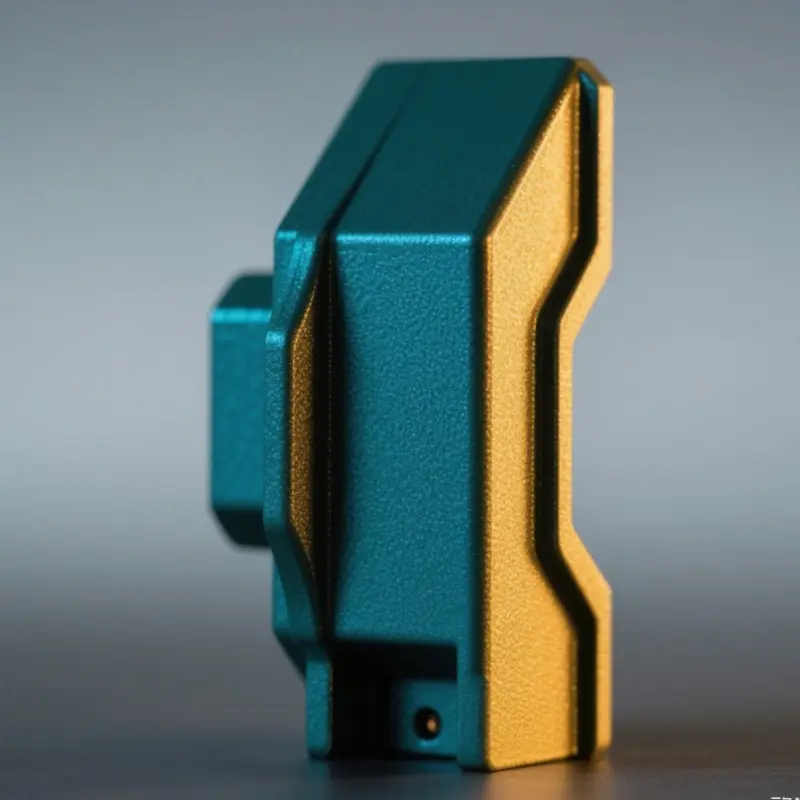
Heat and surface treatment represents a critical manufacturing process that transforms material properties through controlled thermal cycles and specialized surface modifications. This advanced technological approach enhances metal components by altering their microstructure, hardness, durability, and performance characteristics. The process involves precise temperature control, timing, and atmospheric conditions to achieve desired metallurgical properties. Heat and surface treatment encompasses various techniques including hardening, tempering, annealing, case hardening, and surface coating applications. These methods fundamentally change how materials respond to stress, wear, corrosion, and environmental factors. Manufacturing industries rely heavily on heat and surface treatment to produce components that meet stringent quality standards and performance requirements. The technological features of this process include computer-controlled furnaces, specialized atmospheres, rapid cooling systems, and precise temperature monitoring equipment. Advanced heat and surface treatment facilities utilize induction heating, vacuum processing, and plasma technologies to achieve uniform results. The main functions extend beyond simple hardening to include stress relief, grain refinement, dimensional stability improvement, and surface property enhancement. Industries such as automotive, aerospace, tooling, and heavy machinery depend on heat and surface treatment for critical component production. The process enables manufacturers to optimize material properties for specific applications while maintaining cost-effectiveness. Modern heat and surface treatment combines traditional metallurgical knowledge with cutting-edge technology to deliver consistent, repeatable results that enhance product reliability and performance across diverse industrial sectors.
Heat and surface treatment delivers significant performance improvements that directly benefit manufacturers and end-users across multiple industries. The process dramatically increases component lifespan by enhancing wear resistance and fatigue strength, reducing maintenance costs and downtime. Manufacturers experience improved product reliability as heat and surface treatment creates more predictable material behavior under stress conditions. The enhanced hardness achieved through proper treatment protocols allows components to withstand higher loads and more demanding operating environments. Corrosion resistance improvements protect valuable equipment investments and reduce replacement frequencies in harsh industrial settings. Heat and surface treatment enables precise control over material properties, allowing engineers to optimize components for specific applications without changing base materials. This flexibility reduces inventory requirements while expanding design possibilities. Cost savings emerge through extended service intervals, reduced warranty claims, and improved operational efficiency. The process transforms standard materials into high-performance components without expensive alloy substitutions. Quality consistency represents another major advantage, as controlled heat and surface treatment eliminates material property variations that can cause premature failures. Manufacturers achieve better dimensional stability, preventing warping and distortion that compromise assembly tolerances. The treatment process enhances surface finish quality, improving both aesthetic appeal and functional performance. Energy efficiency benefits arise from reduced friction and improved thermal conductivity in treated components. Environmental advantages include extended product lifecycles that reduce waste generation and resource consumption. Heat and surface treatment supports sustainable manufacturing by maximizing material utilization and minimizing environmental impact. The process enables lighter component designs while maintaining strength requirements, contributing to energy savings in transportation applications. Competitive advantages emerge from superior product performance and reliability that differentiate manufacturers in demanding markets. Customer satisfaction increases through reduced failure rates and improved product longevity, building brand reputation and market position.
Enhanced Material Durability and Longevity
Heat and surface treatment fundamentally transforms material durability by restructuring metal grain boundaries and creating optimized microstructures that resist wear, fatigue, and environmental degradation. This transformation occurs through precise thermal cycling that refines grain structure while eliminating internal stresses that typically lead to premature component failure. The enhanced durability directly translates into extended service life for critical components operating in demanding industrial environments. Manufacturers benefit from significantly reduced maintenance schedules and lower total cost of ownership when implementing proper heat and surface treatment protocols. The process creates surface layers with exceptional hardness while maintaining core toughness, providing optimal resistance to both surface wear and impact loading. This dual-property enhancement enables components to perform reliably under complex stress conditions that would quickly degrade untreated materials. The durability improvements extend beyond mechanical properties to include enhanced corrosion resistance that protects components in aggressive chemical environments. Heat and surface treatment creates protective oxide layers and refined surface structures that impede corrosion initiation and propagation. Industries such as marine equipment, chemical processing, and outdoor machinery particularly benefit from these corrosion-resistant properties. The longevity advantages compound over time, as treated components maintain their performance characteristics throughout extended service periods. This consistency eliminates the gradual degradation patterns typical of untreated materials, providing predictable performance and maintenance scheduling. The investment in heat and surface treatment pays dividends through reduced replacement costs, minimized downtime, and improved operational reliability that directly impacts productivity and profitability across diverse manufacturing sectors.
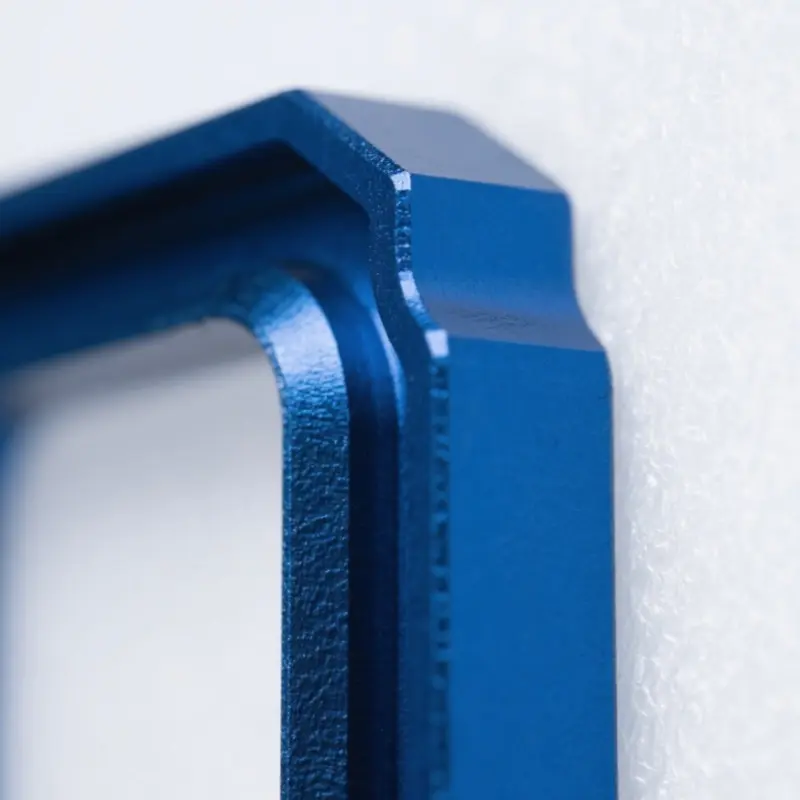
Precision Control and Customization Capabilities
Heat and surface treatment offers unparalleled precision control over material properties, enabling manufacturers to customize component characteristics for specific application requirements without changing base material compositions. This precision emerges from advanced process control systems that monitor and adjust temperature, atmosphere, and timing parameters with exceptional accuracy. The customization capabilities allow engineers to create gradient hardness profiles, selective hardening patterns, and tailored surface properties that optimize component performance for unique operating conditions. Modern heat and surface treatment facilities utilize computer-controlled furnaces with programmable thermal cycles that ensure consistent results across production batches. The precision extends to localized treatments that harden specific component areas while maintaining desired properties in other regions. This selective approach enables complex component designs that previously required multiple materials or elaborate manufacturing processes. Temperature control accuracy within narrow tolerances ensures that metallurgical transformations occur predictably, eliminating the variability that compromises component quality. The customization potential includes creating specific hardness gradients that provide optimal wear resistance at contact surfaces while maintaining impact toughness in structural areas. Heat and surface treatment processes can be precisely tailored to accommodate different alloy compositions, component geometries, and performance requirements. This flexibility allows manufacturers to optimize existing designs without costly material changes or redesign efforts. The precision control capabilities extend to surface modification techniques that create specific textures, hardness levels, and chemical compositions at the component interface. Quality assurance systems integrated with heat and surface treatment processes provide real-time monitoring and documentation that ensures consistent results and regulatory compliance across all production runs.
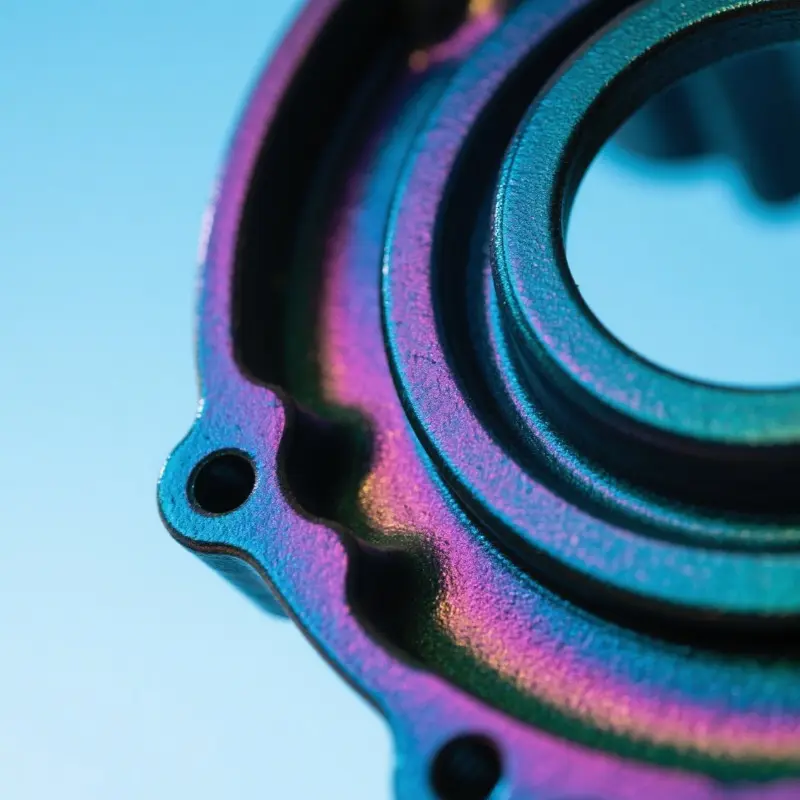
Economic Efficiency and Manufacturing Optimization
Heat and surface treatment delivers exceptional economic efficiency by maximizing the value extracted from standard materials while minimizing manufacturing complexity and costs. This economic advantage stems from the ability to transform readily available, cost-effective base materials into high-performance components that compete with expensive specialty alloys. The process eliminates the need for premium material purchases while achieving superior performance characteristics through controlled thermal processing. Manufacturing optimization occurs as heat and surface treatment integrates seamlessly into existing production workflows without requiring extensive equipment investments or process restructuring. The economic benefits multiply through reduced material waste, as the treatment process utilizes existing component geometry while enhancing properties throughout the structure. Energy efficiency improvements in heat and surface treatment operations have dramatically reduced processing costs while maintaining quality standards. Modern furnace designs incorporate advanced insulation, heat recovery systems, and optimized heating profiles that minimize energy consumption per component processed. The economic efficiency extends to inventory management, as manufacturers can stock fewer material grades while meeting diverse application requirements through targeted treatment protocols. Production scheduling benefits emerge from the predictable processing times and consistent results that heat and surface treatment provides. Quality-related cost savings accumulate through reduced reject rates, warranty claims, and customer returns associated with superior component reliability. The treatment process enables design optimization that reduces component weight and material usage while maintaining or improving performance characteristics. This optimization translates directly into material cost savings and transportation efficiency improvements. Long-term economic benefits include extended equipment service life, reduced maintenance expenses, and improved operational efficiency that enhance overall manufacturing profitability. The return on investment for heat and surface treatment equipment typically realizes within months through improved product quality and reduced manufacturing costs.