
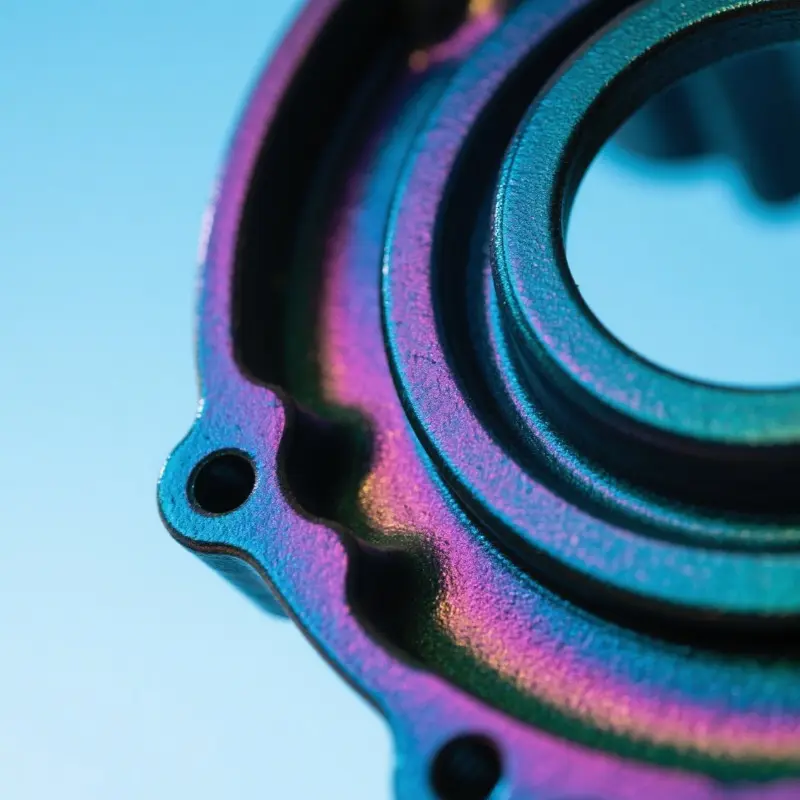
Treatment and coating of metals represents a sophisticated industrial process that fundamentally transforms the properties and performance characteristics of metallic materials through various surface modification techniques. This comprehensive approach encompasses multiple methodologies including electroplating, anodizing, powder coating, galvanization, phosphating, and chemical vapor deposition, each designed to address specific engineering requirements and environmental challenges. The primary functions of metal treatment and coating revolve around corrosion protection, wear resistance enhancement, aesthetic improvement, and functional property modification. These processes create protective barriers that shield the underlying metal substrate from oxidation, chemical attack, and mechanical degradation while simultaneously improving surface hardness, electrical conductivity, or insulation properties depending on the application requirements. Technological features of modern treatment and coating of metals include precise thickness control through advanced monitoring systems, uniform coverage achieved via automated application methods, and multi-layer coating systems that combine different materials for enhanced performance. Contemporary facilities utilize computer-controlled environments that maintain optimal temperature, humidity, and chemical concentration parameters to ensure consistent quality outcomes. Applications span across numerous industries including automotive manufacturing where treatment and coating of metals protects vehicle components from road salt corrosion, aerospace sector requiring lightweight yet durable surface modifications, electronics industry demanding precise conductive or insulative properties, medical device manufacturing needing biocompatible surface treatments, and construction industry utilizing protective coatings for structural steel elements. The versatility of treatment and coating of metals enables customization for specific operational environments, from extreme temperature variations to chemical exposure scenarios, making it an indispensable technology for modern industrial applications requiring enhanced material performance and longevity.
The advantages of treatment and coating of metals deliver substantial practical benefits that directly impact operational efficiency and cost-effectiveness for businesses across multiple sectors. Enhanced corrosion resistance stands as the most significant advantage, extending equipment lifespan by decades compared to untreated metals, which translates into reduced replacement costs and minimized downtime for maintenance activities. This protection proves particularly valuable in harsh environments where exposure to moisture, chemicals, or salt conditions would rapidly degrade unprotected surfaces, making treatment and coating of metals essential for marine applications, chemical processing facilities, and outdoor infrastructure projects. Improved wear resistance represents another crucial benefit, reducing friction-related damage and extending service intervals for mechanical components such as gears, bearings, and cutting tools, ultimately lowering operational expenses through decreased part replacement frequency and enhanced productivity. The aesthetic enhancement capabilities of treatment and coating of metals provide businesses with opportunities to maintain professional appearances while protecting their investments, as decorative finishes resist fading, scratching, and discoloration over extended periods. Cost savings accumulate through multiple channels including reduced maintenance requirements, extended replacement cycles, improved energy efficiency from enhanced thermal properties, and decreased liability from equipment failures. Treatment and coating of metals also enables material optimization by allowing engineers to specify lower-cost base metals while achieving superior surface performance through appropriate coating selection, effectively reducing raw material expenses without compromising functionality. Enhanced electrical properties achieved through specialized treatment and coating of metals improve system reliability in electronic applications while reducing power losses in conductive components. Environmental compliance benefits emerge from reduced need for frequent replacements, minimizing waste generation and resource consumption while meeting increasingly stringent regulatory requirements for sustainable manufacturing practices. Customization flexibility allows businesses to tailor treatment and coating of metals specifications to exact operational requirements, optimizing performance while controlling costs through precise engineering rather than over-specification, ultimately delivering measurable returns on investment through improved asset utilization and operational reliability.
Superior Corrosion Protection Technology
The corrosion protection capabilities of treatment and coating of metals represent a revolutionary advancement in materials science that fundamentally changes how industries approach asset preservation and lifecycle management. This sophisticated protection system creates multiple barrier layers that actively resist oxidation, chemical attack, and environmental degradation through carefully engineered molecular structures designed for specific exposure conditions. The technology operates through various mechanisms including sacrificial protection where zinc coatings corrode preferentially to protect underlying steel, barrier protection using polymer films that physically separate metals from corrosive environments, and inhibitive protection employing chemical compounds that neutralize corrosive agents upon contact. Advanced treatment and coating of metals systems incorporate nanotechnology elements that self-heal minor scratches and maintain protective integrity even under mechanical stress, ensuring continuous protection throughout the service life. The economic value of this corrosion protection becomes apparent when considering that unprotected steel structures can lose significant structural integrity within five years in marine environments, while properly treated surfaces maintain functionality for decades. Industries utilizing treatment and coating of metals for corrosion protection report cost savings of up to 80% compared to frequent replacement strategies, with additional benefits including reduced safety risks from structural failures, improved regulatory compliance, and enhanced corporate sustainability profiles. The customization aspects of corrosion protection through treatment and coating of metals allow engineers to specify exact protection levels based on environmental exposure assessments, ensuring optimal performance without unnecessary over-engineering costs. Modern application techniques ensure uniform coverage even on complex geometries, eliminating weak points that traditionally compromise protection systems, while quality control procedures verify coating integrity before deployment, providing confidence in long-term performance outcomes.
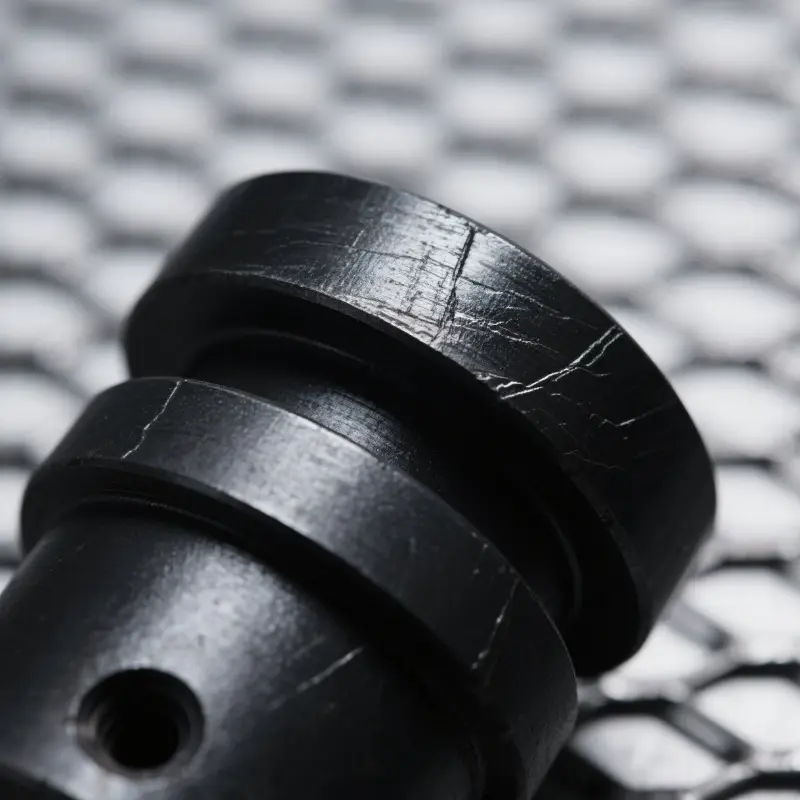
Enhanced Mechanical Performance Characteristics
The mechanical performance enhancement achieved through treatment and coating of metals transforms ordinary materials into high-performance components capable of withstanding extreme operational conditions while maintaining dimensional accuracy and functional reliability. Surface hardening processes within treatment and coating of metals create wear-resistant layers that dramatically reduce friction coefficients, extend service intervals, and improve overall system efficiency through reduced energy losses and maintenance requirements. These enhancements operate at the molecular level where controlled diffusion processes create gradient hardness profiles that combine tough cores with ultra-hard surfaces, optimizing load distribution while preventing brittle failure modes common in traditional hardening methods. Tribological improvements from specialized treatment and coating of metals reduce operating temperatures in mechanical systems, extending lubricant life and reducing thermal stress on adjacent components, ultimately improving system reliability and performance consistency. The precision control available in modern treatment and coating of metals processes enables engineers to specify exact surface roughness values, hardness profiles, and friction characteristics tailored to specific applications, whether requiring low-friction bearing surfaces or high-grip tool interfaces. Fatigue resistance improvements through treatment and coating of metals address one of the primary failure mechanisms in cyclic loading applications, with properly treated components demonstrating fatigue life extensions of 300% or more compared to untreated alternatives. This mechanical enhancement proves particularly valuable in automotive transmissions, aerospace actuators, and industrial machinery where component failure results in costly downtime and safety concerns. The dimensional stability maintained through treatment and coating of metals prevents wear-induced clearance changes that compromise system performance, ensuring consistent operation throughout extended service periods while reducing the need for adjustment and calibration procedures that consume valuable maintenance resources and operational time.
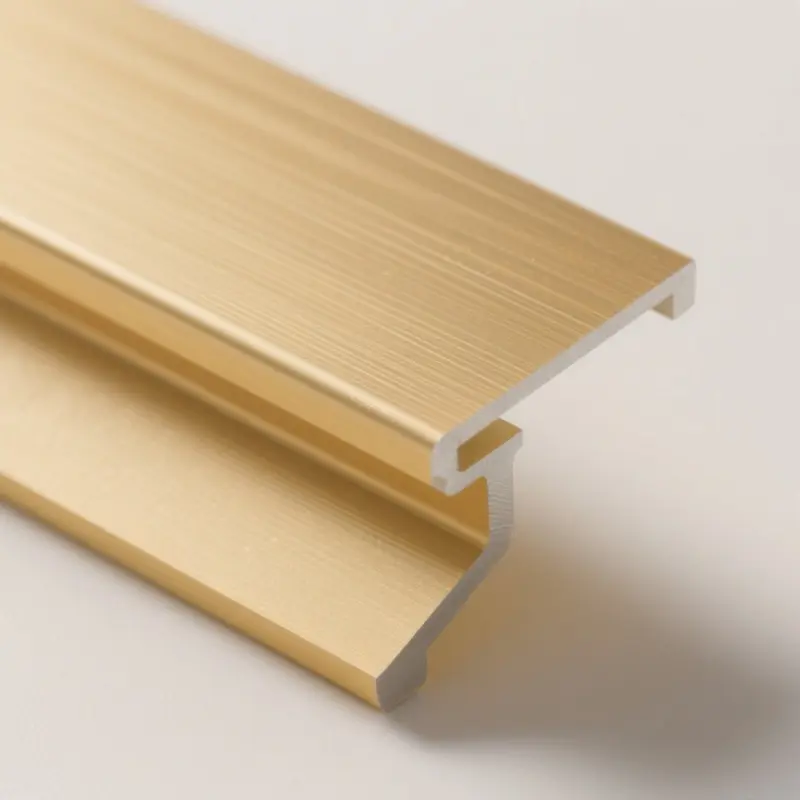
Advanced Functional Property Modification
Functional property modification through treatment and coating of metals enables unprecedented control over electrical, thermal, optical, and chemical characteristics of metallic surfaces, creating opportunities for innovative applications and enhanced system performance across diverse technological domains. Electrical conductivity enhancement or insulation properties can be precisely tailored through treatment and coating of metals processes, enabling the development of components that serve dual functions such as structural support combined with electrical pathway management in electronic assemblies and power distribution systems. Thermal management capabilities achieved through specialized treatment and coating of metals include enhanced heat dissipation for electronic cooling applications, thermal barrier properties for high-temperature environments, and controlled thermal expansion characteristics that maintain dimensional stability across operating temperature ranges. Optical properties modification enables treatment and coating of metals to create surfaces with specific reflectivity, absorptivity, or transmission characteristics essential for solar energy systems, optical instruments, and architectural applications requiring controlled light management. Chemical resistance properties developed through treatment and coating of metals provide compatibility with aggressive media including acids, bases, solvents, and reactive gases, enabling material selection optimization while maintaining surface functionality in challenging chemical environments. Biocompatibility modifications achieved through specialized treatment and coating of metals create surfaces suitable for medical implants and food processing equipment, meeting stringent regulatory requirements while maintaining mechanical performance and durability characteristics. The precision available in modern treatment and coating of metals processes enables multi-functional surface designs where single components exhibit multiple enhanced properties simultaneously, reducing system complexity and cost while improving overall performance and reliability. Smart surface technologies incorporating treatment and coating of metals can provide self-monitoring capabilities through embedded sensors or color-change indicators that signal maintenance requirements or environmental condition changes, enabling predictive maintenance strategies that optimize operational efficiency and prevent unexpected failures.