
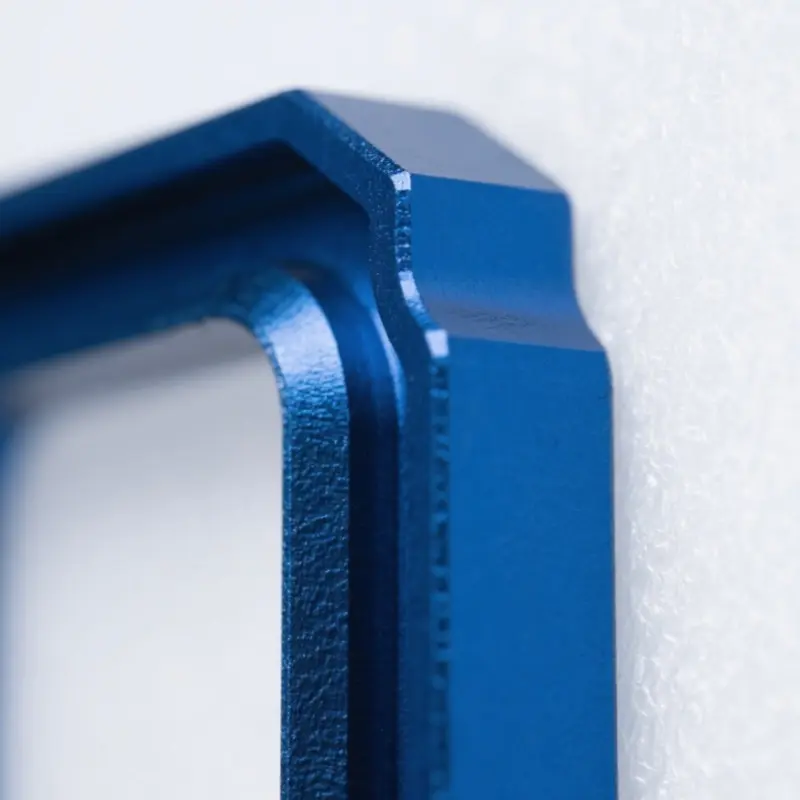
A treated surface represents a revolutionary advancement in material engineering that transforms ordinary substrates into high-performance solutions through specialized chemical, physical, or mechanical processes. These surfaces undergo precise modifications at the molecular or microscopic level to enhance their inherent properties and create entirely new functionalities that exceed the limitations of untreated materials. The treated surface technology encompasses various methodologies including plasma treatment, chemical vapor deposition, electrochemical processing, and nano-coating applications that fundamentally alter surface characteristics while maintaining the structural integrity of the base material. The primary functions of treated surfaces include enhanced corrosion resistance, improved adhesion properties, increased hardness and wear resistance, superior chemical stability, and optimized friction coefficients. These modifications enable materials to withstand harsh environmental conditions, extreme temperatures, aggressive chemicals, and mechanical stress that would typically cause degradation or failure in conventional surfaces. Technological features of treated surfaces incorporate advanced polymer matrices, ceramic coatings, metallic alloys, and hybrid composite structures that create multi-layered protective barriers. The precision engineering involved in creating treated surfaces utilizes cutting-edge equipment such as ion beam systems, magnetron sputtering devices, and controlled atmosphere chambers that ensure uniform treatment distribution and consistent quality results. Applications for treated surfaces span across aerospace components requiring lightweight yet durable solutions, automotive parts demanding superior performance under extreme conditions, medical devices needing biocompatible and sterile properties, industrial machinery requiring extended operational lifespans, and consumer electronics seeking enhanced durability and aesthetic appeal. The versatility of treated surface technology allows customization for specific industry requirements, enabling manufacturers to optimize performance characteristics according to their unique operational demands while maintaining cost-effectiveness and production efficiency.
Treated surfaces deliver exceptional value through their ability to dramatically extend product lifecycles while reducing maintenance costs and operational downtime. The enhanced durability characteristics mean equipment and components last significantly longer than their untreated counterparts, providing substantial cost savings over time through reduced replacement frequency and lower total ownership expenses. These surfaces resist corrosion, oxidation, and chemical degradation that typically plague standard materials, maintaining their functional integrity even in challenging industrial environments where exposure to acids, alkalis, salt water, and extreme temperatures would normally cause rapid deterioration. The improved performance capabilities allow treated surfaces to operate efficiently under higher stress loads, increased temperatures, and more demanding conditions than conventional materials can handle, enabling engineers to design more compact and lightweight solutions without sacrificing reliability or safety margins. Superior adhesion properties ensure that coatings, paints, and bonding agents adhere more effectively to treated surfaces, creating stronger joints and more durable finishes that resist peeling, chipping, and delamination over extended periods. The enhanced wear resistance significantly reduces friction-related damage, minimizing the need for frequent lubrication and preventing premature component failure in moving parts and high-contact applications. These surfaces also provide better electrical conductivity or insulation properties depending on treatment specifications, making them ideal for electronic applications where precise electrical characteristics are critical for optimal performance. The biocompatibility improvements achieved through specific surface treatments enable safe use in medical applications, food processing equipment, and consumer products where human contact or ingestion risks must be eliminated. Environmental benefits include reduced waste generation through longer product lifespans, decreased need for hazardous lubricants and protective chemicals, and improved energy efficiency through reduced friction losses and better thermal management properties. Manufacturing advantages encompass easier processing, improved quality control, and consistent performance characteristics that streamline production processes and reduce defect rates, ultimately leading to higher customer satisfaction and stronger brand reputation.
Advanced Molecular Bonding Technology Creates Permanent Surface Enhancement
The molecular bonding technology utilized in treated surface applications represents a groundbreaking approach that creates permanent, irreversible improvements to material properties through atomic-level modifications. This sophisticated process involves the strategic manipulation of surface molecules to form new chemical bonds that integrate treatment materials directly into the substrate structure, rather than simply applying a superficial coating that can wear away or delaminate over time. The technology employs specialized activation techniques including plasma bombardment, ion implantation, and controlled chemical reactions that break existing molecular bonds and create reactive sites for enhanced material integration. These reactive sites then form covalent bonds with treatment compounds, creating a hybrid surface layer that combines the best characteristics of both the original substrate and the enhancement materials. The permanent nature of this bonding ensures that treated surface properties remain stable throughout the entire product lifecycle, maintaining consistent performance even under extreme mechanical stress, temperature fluctuations, and chemical exposure. Unlike traditional surface treatments that may fade, chip, or wear away with use, molecular bonding creates an integral part of the material structure that cannot separate from the base substrate. This technology enables the creation of gradient properties where surface characteristics transition gradually from the enhanced outer layer to the original material core, eliminating weak interfaces that often cause failure in layered systems. The precision control available through molecular bonding allows engineers to fine-tune surface properties for specific applications, adjusting parameters such as hardness, friction coefficient, chemical resistance, and electrical conductivity to meet exact performance requirements. This level of customization ensures optimal performance in specialized applications while maintaining compatibility with existing manufacturing processes and assembly procedures, making it an ideal solution for industries requiring reliable, long-term performance from their treated surface components.
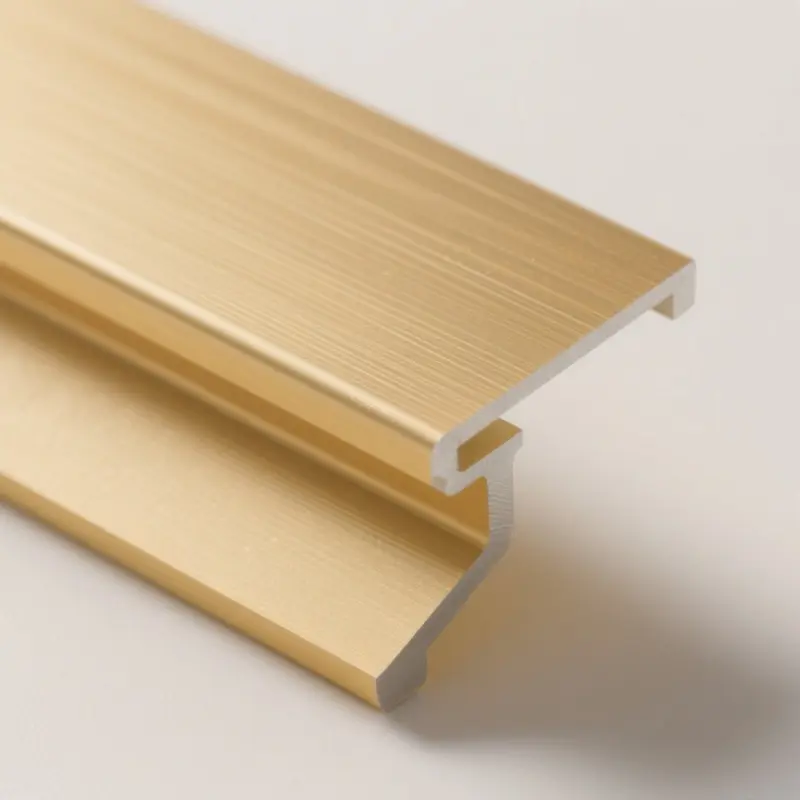
Multi-Functional Protection System Delivers Comprehensive Performance Enhancement
The multi-functional protection system incorporated into advanced treated surfaces provides comprehensive enhancement across multiple performance parameters simultaneously, eliminating the need for separate treatments and creating synergistic effects that exceed the sum of individual improvements. This integrated approach combines corrosion resistance, wear protection, thermal stability, and chemical inertness into a single treatment process that addresses the complex challenges faced by modern industrial applications. The system utilizes carefully engineered material combinations that work together to create barriers against different types of degradation mechanisms, ensuring that protection against one threat does not compromise resistance to others. Corrosion protection is achieved through the formation of passive oxide layers and barrier coatings that prevent moisture, oxygen, and corrosive chemicals from reaching the substrate surface, while maintaining electrical conductivity where required for specific applications. Wear resistance is enhanced through the incorporation of hard ceramic particles and self-lubricating compounds that reduce friction and prevent material loss during sliding, rolling, and impact contact scenarios. Thermal stability is maintained through heat-resistant polymer matrices and ceramic components that preserve surface integrity at elevated temperatures while providing thermal barrier properties that protect underlying materials from heat damage. Chemical resistance is achieved through inert surface compositions that resist attack from acids, bases, solvents, and reactive gases commonly encountered in industrial processes. The protection system also incorporates self-healing properties through encapsulated repair agents that activate when surface damage occurs, automatically filling minor scratches and preventing crack propagation that could lead to catastrophic failure. This comprehensive approach reduces the complexity and cost of surface treatment while improving overall reliability and performance consistency across diverse operating conditions. The multi-functional nature of the treated surface protection system enables simplified inventory management, reduced maintenance requirements, and improved system reliability through the elimination of multiple treatment layers that could potentially fail independently.
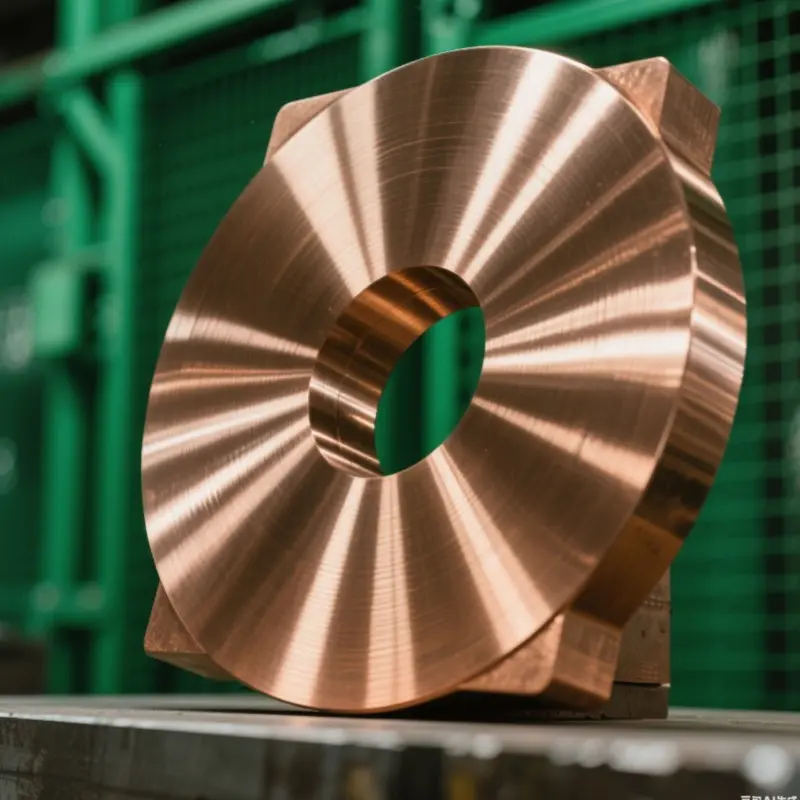
Environmentally Sustainable Solution Promotes Green Manufacturing Practices
The environmentally sustainable characteristics of modern treated surface technology align perfectly with green manufacturing initiatives and environmental responsibility goals while delivering superior performance compared to traditional chemical-intensive surface treatments. This eco-friendly approach utilizes water-based formulations, eliminates volatile organic compounds, and reduces hazardous waste generation throughout the manufacturing and application processes. The treatment technology incorporates bio-compatible materials and renewable resource components that minimize environmental impact without compromising performance standards or durability requirements. Energy efficiency improvements result from optimized processing temperatures and reduced curing times that lower overall energy consumption during manufacturing while maintaining consistent quality and performance characteristics. The longevity benefits of treated surfaces contribute significantly to sustainability goals by extending product lifecycles, reducing replacement frequency, and minimizing the environmental burden associated with manufacturing and disposing of short-lived components. Waste reduction is achieved through improved yield rates, reduced scrap generation, and elimination of secondary finishing processes that typically require additional materials and energy consumption. The treated surface technology also enables the use of lighter-weight base materials without sacrificing strength or durability, contributing to transportation fuel savings and reduced carbon footprints in mobile applications. Recycling compatibility is enhanced through the use of separable treatment layers and environmentally neutral compounds that do not interfere with material recovery and reprocessing operations at end-of-life. Water conservation benefits result from closed-loop processing systems and reduced cleaning requirements that minimize wastewater generation and treatment costs. Air quality improvements are achieved through the elimination of spray booth applications and solvent-based treatments that generate harmful emissions during application and curing processes. The sustainable approach to treated surface technology demonstrates that environmental responsibility and high performance are not mutually exclusive, enabling manufacturers to meet increasingly stringent environmental regulations while maintaining competitive advantages through superior product performance and reduced operational costs.