
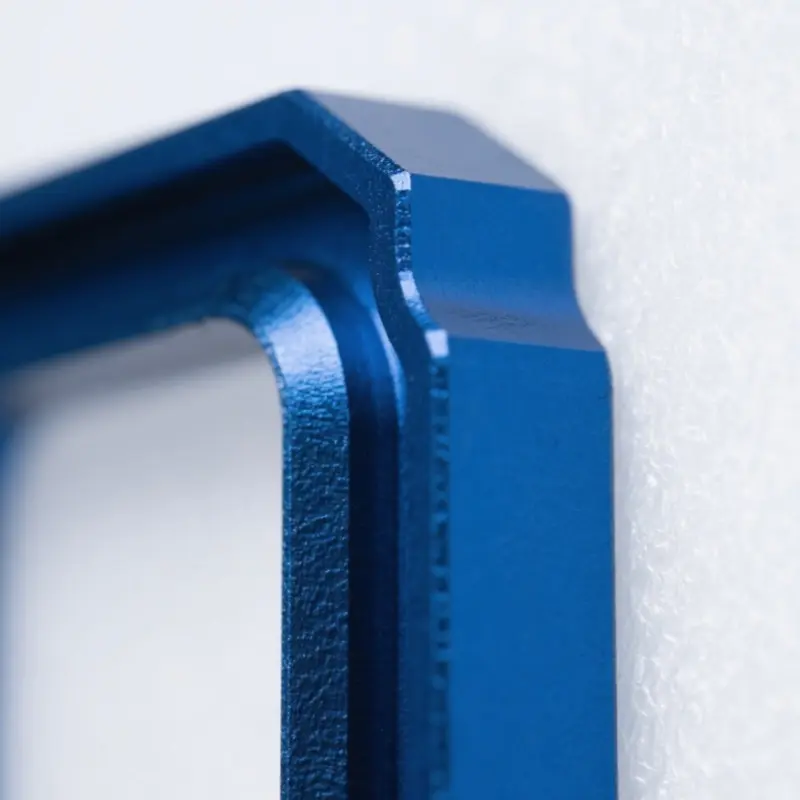
Stainless steel surface treatment represents a comprehensive approach to enhancing the performance, durability, and aesthetic appeal of stainless steel components across numerous industrial and commercial applications. This specialized process encompasses various mechanical, chemical, and electrochemical techniques designed to modify the surface characteristics of stainless steel materials, creating superior protection against environmental factors while improving functional properties. The primary functions of stainless steel surface treatment include corrosion resistance enhancement, surface hardness improvement, aesthetic refinement, and contamination prevention. These treatments work by creating protective layers, modifying surface topography, or altering chemical composition at the molecular level. Technological features of modern stainless steel surface treatment methods incorporate advanced precision control systems, environmentally conscious processing parameters, and quality assurance protocols that ensure consistent results. Popular treatment methods include electropolishing, which removes surface impurities through controlled electrolytic processes, passivation treatments that strengthen the natural oxide layer, mechanical polishing for mirror-like finishes, and specialized coating applications for enhanced performance characteristics. The applications for stainless steel surface treatment span across diverse industries including pharmaceutical manufacturing, food processing, architectural construction, automotive production, aerospace engineering, medical device fabrication, and marine equipment development. In pharmaceutical environments, treated surfaces prevent bacterial adhesion and facilitate thorough cleaning procedures. Food processing facilities benefit from smooth, non-porous surfaces that meet strict hygiene standards. Architectural applications utilize surface treatments to achieve desired aesthetic effects while maintaining long-term durability against weather exposure. The versatility of stainless steel surface treatment technologies allows customization for specific operational requirements, making it an essential consideration for projects demanding superior performance, longevity, and reliability in challenging environments where standard materials might fail to meet exacting specifications.
Stainless steel surface treatment delivers exceptional value through measurable improvements in material performance and operational efficiency. Enhanced corrosion resistance stands as the most significant advantage, extending equipment lifespan by decades compared to untreated alternatives. This protection saves substantial replacement costs and reduces maintenance frequency, directly impacting your bottom line. Treated surfaces resist chemical attacks from acids, bases, and industrial solvents, maintaining structural integrity under harsh operating conditions that would deteriorate standard materials. The improved cleanability of treated stainless steel surfaces streamlines maintenance procedures, reducing labor costs and ensuring compliance with stringent hygiene requirements. Smooth, non-porous finishes eliminate microscopic crevices where contaminants accumulate, making thorough cleaning faster and more effective. This characteristic proves invaluable in pharmaceutical, food processing, and medical applications where contamination control directly affects product quality and safety. Enhanced aesthetic appeal through professional surface treatment creates lasting visual impact while maintaining functional benefits. Polished and refined surfaces project quality and attention to detail, important factors in customer-facing applications and architectural installations. The durability of these aesthetic improvements means surfaces retain their appearance for years without degradation, protecting your investment in visual appeal. Reduced maintenance requirements translate into lower operational costs and increased productivity. Treated surfaces resist staining, scratching, and environmental damage that typically requires frequent intervention. This reliability allows focus on core business activities rather than constant equipment maintenance. The longevity benefits of stainless steel surface treatment create exceptional return on investment through extended service life and consistent performance. Treated components maintain their properties longer, reducing replacement frequency and associated downtime costs. Environmental benefits include reduced waste generation through extended product lifecycles and decreased need for harsh cleaning chemicals due to improved surface properties. The versatility of treatment options allows customization for specific applications, ensuring optimal performance characteristics for unique operational requirements while maintaining cost-effectiveness and practical benefits that enhance overall project success.
Superior Corrosion Protection and Longevity
Stainless steel surface treatment provides unparalleled corrosion protection that significantly extends the operational lifespan of components and equipment in demanding environments. This enhanced protection works through multiple mechanisms that strengthen the material’s natural resistance to environmental degradation. The treatment process creates a uniform, dense protective layer that acts as a barrier against moisture, chemicals, and atmospheric contaminants that typically cause corrosion damage. Advanced electropolishing techniques remove surface impurities and microscopic irregularities that serve as initiation points for corrosion processes, resulting in a smooth, homogeneous surface with superior resistance properties. Passivation treatments enhance the chromium oxide layer naturally present on stainless steel, creating a more robust and self-healing protective barrier. This enhanced layer automatically repairs minor damage through exposure to oxygen, maintaining continuous protection without manual intervention. The superior corrosion protection translates directly into exceptional longevity benefits for treated components. Equipment and installations featuring properly treated stainless steel surfaces regularly achieve service lives exceeding 20-30 years in challenging environments where untreated materials might fail within months or years. This extended lifespan provides tremendous value through reduced replacement costs, minimized downtime, and improved operational reliability. Industries operating in marine environments, chemical processing facilities, and outdoor installations particularly benefit from this enhanced durability. Salt spray, industrial chemicals, and weather exposure pose significant challenges to standard materials, but treated stainless steel maintains its integrity and performance characteristics throughout extended exposure periods. The economic impact of this longevity extends beyond simple replacement cost savings. Reduced maintenance requirements, fewer emergency repairs, and decreased inventory needs for replacement parts create operational efficiencies that compound over time. Additionally, the reliability of treated components reduces the risk of unexpected failures that could disrupt production schedules or compromise safety systems, providing peace of mind and operational stability that supports business continuity and long-term planning confidence.
Enhanced Hygiene and Cleanability for Critical Applications
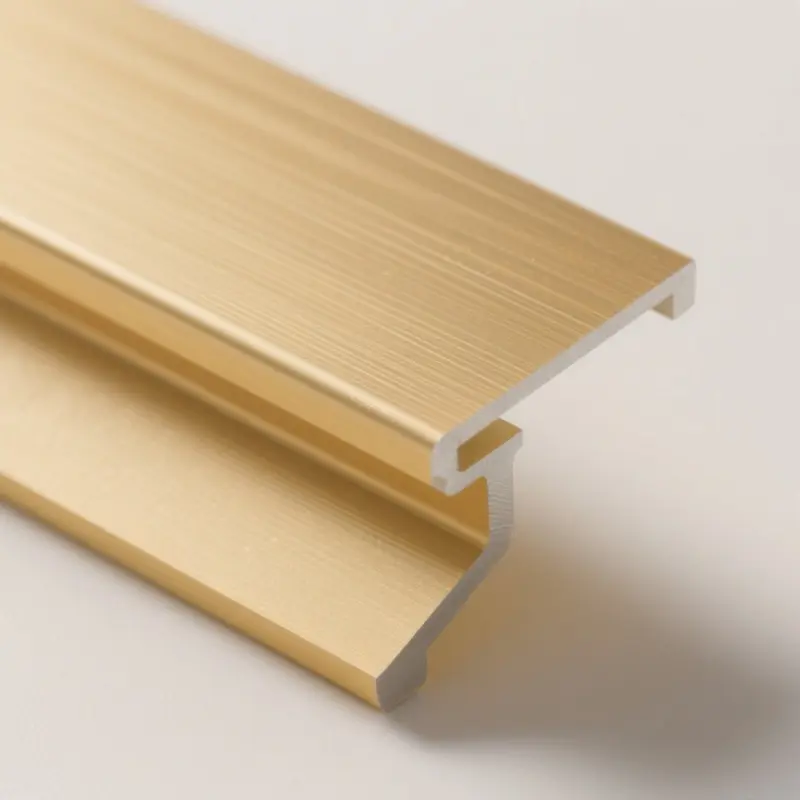
Stainless steel surface treatment delivers exceptional hygiene benefits through advanced surface modification techniques that create ultra-smooth, non-porous finishes essential for applications requiring stringent cleanliness standards. These treated surfaces eliminate microscopic surface irregularities, cracks, and pores where bacteria, contaminants, and residues typically accumulate and proliferate. The resulting smooth topography prevents biofilm formation and makes thorough cleaning significantly more effective and efficient. Electropolishing and specialized finishing processes reduce surface roughness to extremely low levels, measured in microinches, creating mirror-like finishes that facilitate complete removal of contaminants during cleaning procedures. This smoothness eliminates hidden areas where traditional cleaning methods might fail to reach, ensuring comprehensive sanitation in critical applications. The enhanced cleanability translates into substantial operational advantages for industries with strict hygiene requirements. Pharmaceutical manufacturing facilities benefit from surfaces that support validation of cleaning procedures, enabling compliance with FDA and international regulatory standards. The ability to achieve and verify complete cleaning reduces contamination risks and supports product quality assurance programs. Food processing operations gain significant value from treated surfaces that resist bacterial adhesion and facilitate rapid, thorough cleaning between production runs. This capability supports HACCP programs and helps maintain the food safety standards essential for consumer protection and regulatory compliance. Medical device manufacturing and healthcare facilities utilize treated stainless steel surfaces to minimize infection risks and support sterile processing requirements. The superior cleanability reduces the time and resources required for effective sanitation while improving confidence in cleaning efficacy. Laboratory environments benefit from surfaces that won’t harbor contaminants between experiments or compromise analytical results through cross-contamination. The economic benefits of enhanced cleanability include reduced cleaning time, lower consumption of cleaning chemicals, and decreased labor costs associated with maintenance procedures. The reliability of achieving thorough cleaning reduces the risk of contamination events that could result in product recalls, regulatory violations, or safety incidents, protecting both reputation and financial stability while supporting operational excellence.
Customizable Aesthetic Enhancement and Professional Appearance
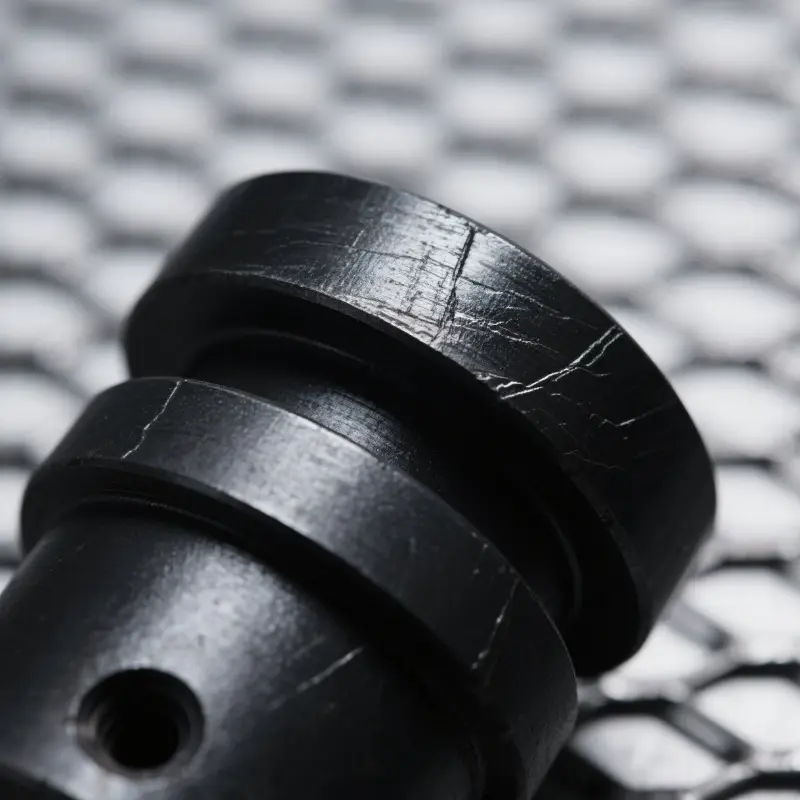
Stainless steel surface treatment offers remarkable flexibility in achieving desired aesthetic outcomes while maintaining the functional benefits essential for demanding applications. Professional surface treatment processes can create an extensive range of visual effects, from mirror-bright polished finishes to sophisticated brushed textures, specialized patterns, and even custom coloration options through advanced techniques. This aesthetic versatility allows designers and engineers to achieve specific visual goals without compromising the performance characteristics that make stainless steel the preferred choice for critical applications. The aesthetic enhancement capabilities extend far beyond simple appearance improvements, creating lasting visual impact that maintains its quality over extended periods. Unlike painted or coated surfaces that may fade, chip, or deteriorate, properly treated stainless steel surfaces retain their appearance for decades while continuing to provide functional benefits. This durability ensures that the investment in aesthetic treatment delivers long-term value through sustained visual appeal. Architectural applications particularly benefit from the ability to create striking visual effects that complement building design while providing weather resistance and low maintenance requirements. Polished surfaces reflect light beautifully, creating bright, clean appearances that enhance interior and exterior spaces. Brushed finishes provide sophisticated texture that hides minor scratches while maintaining an upscale appearance appropriate for commercial and residential applications. The customization options available through advanced stainless steel surface treatment allow perfect integration with design themes and brand requirements. Specialized texturing can create unique patterns that serve as distinctive design elements while maintaining cleanability and corrosion resistance. Custom finishing options enable matching existing architectural elements or creating signature appearances that distinguish projects and installations. The professional appearance achieved through quality surface treatment communicates attention to detail and commitment to excellence, important factors in customer-facing applications and high-visibility installations. This visual quality helps establish credibility and reinforces brand values while providing practical benefits. The combination of aesthetic appeal and functional performance creates exceptional value for applications where both appearance and performance matter, ensuring that treated stainless steel surfaces continue to impress visually while delivering reliable service throughout their extended operational lifespan, making them ideal for applications ranging from luxury residential installations to demanding industrial environments.