
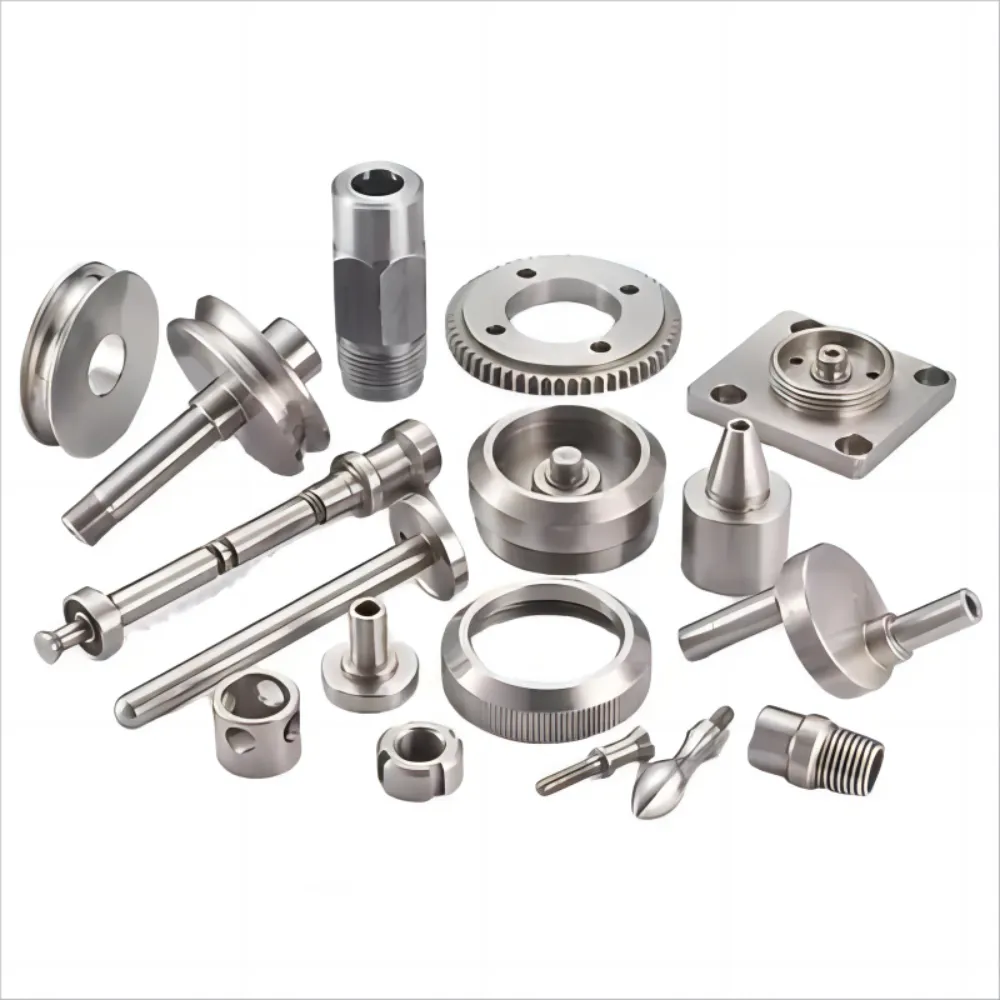
The aerospace industry has always been at the forefront of technological innovation, pushing the boundaries of what’s possible in engineering and manufacturing. Today, computer numerical control machining stands as one of the most transformative technologies reshaping how aircraft and spacecraft components are produced. This precision manufacturing process has become indispensable for creating the complex, lightweight, and ultra-reliable parts that modern aerospace applications demand.
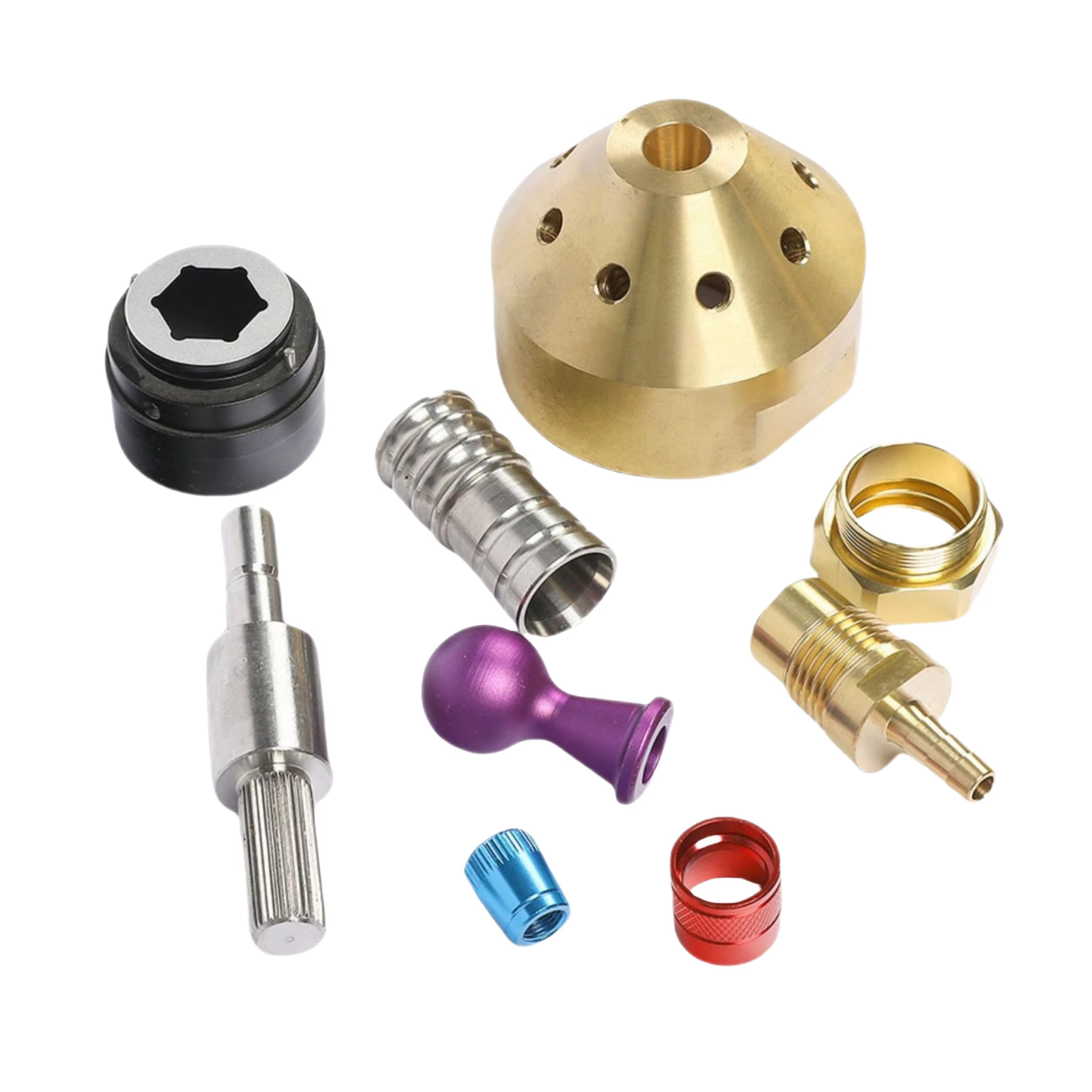
The evolution of aerospace manufacturing has been marked by an increasing need for precision, efficiency, and material optimization. Traditional manufacturing methods often fell short of meeting the stringent requirements for aerospace components, which must withstand extreme temperatures, pressures, and stress loads while maintaining minimal weight profiles. The integration of computer-controlled machining systems has fundamentally changed this landscape, enabling manufacturers to achieve tolerances previously thought impossible while significantly reducing production times and waste.
Modern aerospace projects require components that exhibit exceptional strength-to-weight ratios, complex geometries, and flawless surface finishes. The ability to work with advanced materials such as titanium alloys, carbon fiber composites, and specialized aluminum grades has become crucial for next-generation aircraft and space vehicles. These requirements have positioned automated precision manufacturing as the cornerstone of contemporary aerospace production capabilities.
Advanced Materials Processing in Aerospace Manufacturing
Titanium Alloy Machining Capabilities
Titanium alloys represent some of the most challenging yet essential materials in aerospace applications. These super-alloys offer exceptional strength, corrosion resistance, and temperature stability, making them ideal for critical components such as engine parts, structural elements, and landing gear systems. However, titanium’s unique properties also make it notoriously difficult to machine using conventional methods.
Computer-controlled precision manufacturing has revolutionized titanium processing through advanced tooling strategies, optimized cutting parameters, and sophisticated cooling systems. Modern five-axis systems can maintain consistent cutting speeds and feeds while managing the heat generation that typically occurs when machining titanium. This capability has enabled aerospace manufacturers to produce complex titanium components with superior surface finishes and dimensional accuracy.
The economic impact of improved titanium machining cannot be overstated. Previously, titanium components often required extensive post-processing operations, multiple setups, and significant material waste. Today’s cnc machining systems can produce near-net-shape titanium parts in single setups, dramatically reducing both production time and material costs while improving overall component quality.
Composite Material Integration
Carbon fiber composites and other advanced composite materials have become increasingly prevalent in aerospace applications due to their exceptional strength-to-weight ratios and design flexibility. These materials present unique machining challenges, including delamination risks, tool wear issues, and the need for specialized cutting strategies to prevent fiber pullout and edge quality problems.
Advanced numerical control systems have adapted to meet these challenges through the development of specialized tooling, optimized cutting parameters, and precision spindle control. High-speed machining capabilities allow for the processing of composite materials at optimal cutting speeds while maintaining excellent edge quality and preventing heat-related damage to the composite matrix.
The integration of composite machining capabilities has enabled aerospace manufacturers to produce complex hybrid structures that combine metallic and composite elements in single operations. This capability has proven particularly valuable for producing aircraft structural components, interior panels, and aerodynamic surfaces that require precise dimensional control and superior surface quality.
Precision Manufacturing for Critical Aerospace Components
Engine Component Production
Aerospace engines represent some of the most demanding applications for precision manufacturing technology. Engine components must operate reliably under extreme conditions, including high temperatures, rotational speeds, and mechanical stresses. The tolerances required for these components often measure in the thousandths of an inch, with surface finishes that must meet stringent aerospace specifications.
Modern computer-controlled machining systems excel at producing complex engine components such as turbine blades, compressor wheels, and combustion chamber elements. Multi-axis capabilities enable the production of intricate cooling passages, aerodynamic profiles, and complex internal geometries that would be impossible to achieve through conventional manufacturing methods.
The ability to maintain consistent quality across large production runs has made automated precision manufacturing indispensable for engine manufacturers. Statistical process control integration allows for real-time quality monitoring and adjustment, ensuring that every component meets the exacting standards required for aerospace applications while minimizing scrap rates and production delays.
Structural Component Manufacturing
Aircraft structural components require exceptional precision and reliability, as they form the backbone of aerospace vehicles and must withstand enormous stress loads throughout their operational life. These components often feature complex geometries, multiple attachment points, and weight-optimized designs that challenge traditional manufacturing approaches.
Five-axis machining capabilities have proven particularly valuable for structural component production, enabling manufacturers to access complex surfaces and internal features in single setups. This capability reduces the need for multiple fixtures and setups, improving both dimensional accuracy and production efficiency while reducing the risk of errors associated with part repositioning.
The integration of advanced CAD/CAM software with precision machining systems has streamlined the transition from design to production for structural components. Automated toolpath generation, collision detection, and optimization algorithms ensure that even the most complex structural elements can be manufactured efficiently and accurately, meeting the demanding requirements of modern aerospace applications.
Quality Control and Certification Standards
Aerospace Quality Management Systems
The aerospace industry operates under some of the most stringent quality control standards in manufacturing, with regulations such as AS9100 and DO-178C governing every aspect of production. Computer numerical control machining systems must integrate seamlessly with these quality management frameworks, providing comprehensive documentation and traceability for every manufactured component.
Modern precision manufacturing systems incorporate advanced quality control features including in-process measurement, statistical process control, and automated documentation generation. These capabilities ensure that every machined component meets specification requirements while providing the detailed records necessary for aerospace certification and regulatory compliance.
The implementation of Industry 4.0 technologies has further enhanced quality control capabilities, enabling real-time monitoring of machining parameters, tool condition, and part quality. This data-driven approach allows manufacturers to identify and address potential quality issues before they impact production, maintaining the high reliability standards essential for aerospace applications.
Traceability and Documentation Requirements
Aerospace components must maintain complete traceability throughout their lifecycle, from raw material procurement through final assembly and field service. This requirement places significant demands on manufacturing systems, which must capture and maintain detailed records of every production operation, tool change, and quality check.
Advanced machining systems address these requirements through integrated data management platforms that automatically capture machining parameters, tool usage data, and quality measurements. This information is linked to unique part identification codes, creating a comprehensive digital record that accompanies each component throughout its operational life.
The ability to maintain complete traceability has become increasingly important as aerospace manufacturers adopt more complex supply chains and global production networks. Digital manufacturing platforms enable seamless information sharing between facilities while maintaining the security and integrity of critical production data.
Future Innovations and Industry Trends
Additive Manufacturing Integration
The convergence of traditional subtractive manufacturing with additive manufacturing technologies is creating new possibilities for aerospace component production. Hybrid systems that combine computer-controlled machining with 3D printing capabilities enable the production of components with internal geometries and material properties that would be impossible to achieve through either technology alone.
This integration is particularly valuable for producing lightweight structural components with complex internal lattice structures, cooling passages, and material optimization features. The ability to add material where needed and remove it where it’s not required enables unprecedented design freedom while maintaining the precision and surface quality requirements of aerospace applications.
The development of qualified additive manufacturing processes for aerospace materials continues to expand the possibilities for hybrid manufacturing approaches. As material certifications and process qualifications mature, we can expect to see increased adoption of these integrated manufacturing strategies for critical aerospace components.
Artificial Intelligence and Machine Learning
The integration of artificial intelligence and machine learning technologies with precision manufacturing systems is opening new frontiers in process optimization, predictive maintenance, and quality control. These technologies can analyze vast amounts of production data to identify patterns and optimize machining parameters in ways that would be impossible for human operators to achieve.
Predictive maintenance capabilities powered by machine learning algorithms can analyze tool wear patterns, spindle vibration data, and cutting force measurements to predict when maintenance will be required. This proactive approach minimizes unexpected downtime while ensuring optimal machining performance throughout production runs.
Advanced AI systems are also being developed to optimize cutting parameters in real-time based on material properties, tool condition, and part geometry. This dynamic optimization capability promises to further improve machining efficiency while maintaining the high quality standards required for aerospace applications.
FAQ
What makes computer numerical control machining essential for aerospace manufacturing
Computer numerical control machining has become essential for aerospace manufacturing due to its ability to achieve extremely tight tolerances, work with advanced materials like titanium and composites, and produce complex geometries that traditional manufacturing methods cannot handle. The aerospace industry requires components that can withstand extreme conditions while maintaining minimal weight, which demands precision manufacturing capabilities that only modern automated systems can provide consistently and efficiently.
How does five-axis machining benefit aerospace component production
Five-axis machining provides significant benefits for aerospace component production by enabling access to complex surfaces and internal features in single setups, reducing the need for multiple fixtures and improving dimensional accuracy. This capability is particularly valuable for producing turbine blades, structural components with complex geometries, and parts requiring multiple angled surfaces, as it eliminates the positioning errors that can occur when parts must be repositioned between operations.
What quality standards must aerospace machining operations meet
Aerospace machining operations must meet stringent quality standards including AS9100 certification, which covers quality management systems specific to the aerospace industry. These standards require comprehensive documentation, traceability, statistical process control, and adherence to specific tolerances and surface finish requirements. Additionally, components must meet material specifications and undergo rigorous inspection processes to ensure they can perform reliably under the extreme conditions encountered in aerospace applications.
How are advanced materials like titanium alloys processed in aerospace manufacturing
Advanced materials like titanium alloys require specialized machining approaches due to their unique properties, including high strength, low thermal conductivity, and tendency to work-harden. Modern precision manufacturing systems address these challenges through optimized cutting parameters, specialized tooling, advanced cooling systems, and careful heat management. The use of high-speed machining techniques and appropriate tool geometries enables efficient processing of these materials while maintaining the surface quality and dimensional accuracy required for aerospace applications.