
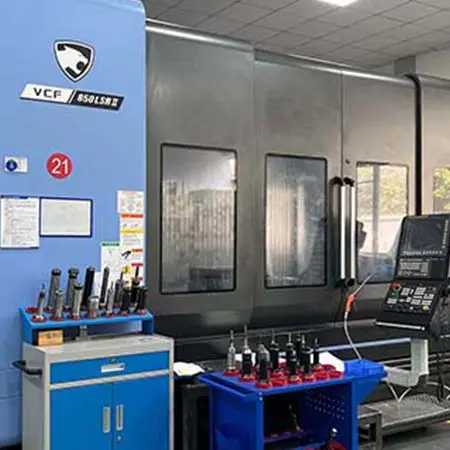
The manufacturing landscape continues to evolve at breakneck speed, with cnc machining leading the charge into 2025. Advanced technologies, automation innovations, and sustainability initiatives are reshaping how precision parts are produced across industries from aerospace to medical devices. This transformation brings unprecedented opportunities for manufacturers to enhance quality, reduce costs, and accelerate production timelines while meeting increasingly complex customer demands.
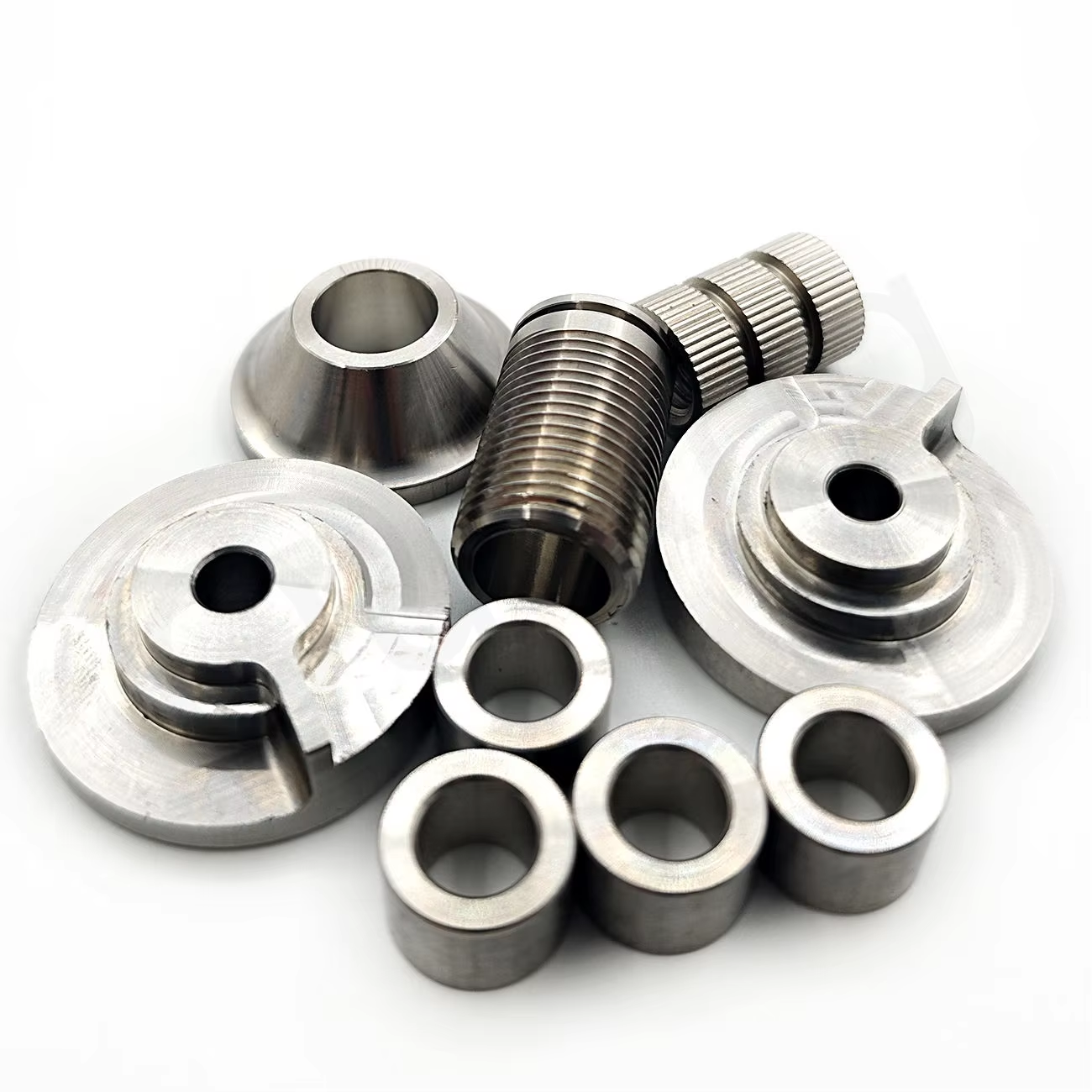
Modern manufacturing facilities are investing heavily in next-generation cnc machining systems that integrate artificial intelligence, predictive maintenance, and real-time quality monitoring. These sophisticated platforms enable manufacturers to achieve tighter tolerances, faster cycle times, and more consistent results across large production runs. The convergence of multiple technologies creates new possibilities for custom manufacturing solutions that were previously impossible or economically unfeasible.
Artificial Intelligence Integration in CNC Operations
Machine Learning for Process Optimization
Machine learning algorithms are revolutionizing how cnc machining operations optimize cutting parameters, tool paths, and material utilization. These intelligent systems analyze vast amounts of production data to identify patterns and recommend adjustments that improve efficiency and reduce waste. Advanced AI models can predict optimal spindle speeds, feed rates, and cutting depths based on material properties, part geometry, and desired surface finishes.
Predictive analytics powered by machine learning help manufacturers anticipate potential quality issues before they occur. By monitoring vibration patterns, temperature fluctuations, and acoustic signatures, AI systems can detect early signs of tool wear or machine drift. This proactive approach minimizes scrap rates and prevents costly production delays that traditionally plagued manufacturing operations.
Automated Programming and Path Generation
Intelligent programming systems are streamlining the transition from CAD models to finished parts by automatically generating optimized machining strategies. These advanced platforms analyze part geometry and select appropriate tools, cutting parameters, and machining sequences without extensive human intervention. The result is faster programming cycles and more consistent machining outcomes across different operators and shifts.
Adaptive control systems continuously monitor cutting conditions and adjust parameters in real-time to maintain optimal performance. When the system detects changes in material hardness or tool wear patterns, it automatically modifies cutting speeds and feeds to preserve part quality. This dynamic optimization reduces manual interventions and ensures consistent results throughout extended production runs.
Advanced Materials and Specialized Applications
Exotic Alloy Processing Capabilities
The aerospace and medical device industries are driving demand for cnc machining capabilities that can handle increasingly challenging materials. Superalloys, titanium variants, and advanced composites require specialized cutting tools and machining strategies that push the boundaries of conventional manufacturing processes. Modern CNC systems incorporate advanced cooling systems and high-torque spindles specifically designed for these demanding applications.
Temperature management becomes critical when processing exotic materials that generate significant heat during cutting operations. Cryogenic cooling systems and through-tool coolant delivery ensure consistent cutting conditions while extending tool life. These technological advances enable manufacturers to produce complex components for jet engines, medical implants, and high-performance automotive applications with exceptional precision and reliability.
Multi-Material Component Manufacturing
Hybrid manufacturing approaches combine different materials within single components to optimize performance characteristics. Advanced cnc machining centers can seamlessly transition between aluminum, steel, and polymer sections while maintaining precise dimensional tolerances. This capability opens new design possibilities for lightweight structures that combine strength, durability, and weight savings.
Additive manufacturing integration allows manufacturers to create complex internal geometries through 3D printing, then finish critical surfaces through precision cnc machining. This hybrid approach leverages the strengths of both technologies to produce components that would be impossible using either process alone. The result is expanded design freedom and improved part functionality across various industrial applications.
Sustainability and Environmental Considerations
Energy Efficiency Improvements
Environmental sustainability has become a primary concern for manufacturers seeking to reduce their carbon footprint and operational costs. Modern cnc machining centers incorporate energy-efficient motors, intelligent power management systems, and optimized cutting strategies that minimize electricity consumption. These improvements can reduce energy usage by up to thirty percent compared to older generation equipment.
Regenerative braking systems capture kinetic energy during spindle deceleration and feed back power to the electrical grid. Smart scheduling algorithms coordinate machine operations to minimize peak power demand and take advantage of off-peak electricity rates. These innovations help manufacturers achieve sustainability goals while maintaining competitive production costs in global markets.
Waste Reduction and Material Recovery
Advanced material utilization strategies maximize the value extracted from raw materials while minimizing waste generation. Intelligent nesting algorithms optimize part layouts to reduce material consumption, while chip recycling systems capture and process metal shavings for reuse. These circular manufacturing approaches align with environmental regulations and corporate sustainability initiatives.
Coolant management systems filter and recycle cutting fluids to extend their useful life and reduce disposal requirements. Closed-loop systems maintain fluid quality through continuous filtration and additive management, significantly reducing the environmental impact of cnc machining operations. These sustainable practices appeal to environmentally conscious customers and help manufacturers meet increasingly stringent environmental regulations.
Industry 4.0 Connectivity and Data Analytics
Real-Time Production Monitoring
Internet of Things connectivity enables comprehensive monitoring of cnc machining operations through networked sensors and data collection systems. Manufacturers can track machine utilization, production rates, and quality metrics in real-time across multiple facilities. This visibility supports data-driven decision making and enables rapid response to production issues or customer demands.
Cloud-based analytics platforms aggregate production data from multiple sources to identify optimization opportunities and predict maintenance requirements. These insights help manufacturers improve overall equipment effectiveness and reduce unplanned downtime. Advanced dashboards provide managers with actionable information about production performance, quality trends, and resource utilization patterns.
Digital Twin Technology Implementation
Digital twin platforms create virtual representations of cnc machining operations that enable simulation and optimization without disrupting actual production. These sophisticated models incorporate real-time sensor data to accurately reflect current machine conditions and performance characteristics. Engineers can test new programming strategies and evaluate potential improvements in a risk-free virtual environment.
Virtual commissioning capabilities allow manufacturers to validate new machining programs and troubleshoot potential issues before deploying them to production equipment. This approach reduces setup times and minimizes the risk of costly mistakes during new product introductions. Digital twins also support remote monitoring and troubleshooting capabilities that improve maintenance efficiency and reduce service costs.
FAQ
What are the most significant technological advances in cnc machining for 2025?
The most impactful advances include artificial intelligence integration for process optimization, advanced materials processing capabilities, and comprehensive Industry 4.0 connectivity. These technologies work together to improve precision, reduce costs, and enable new manufacturing possibilities that were previously unattainable.
How does machine learning improve cnc machining efficiency?
Machine learning algorithms analyze production data to optimize cutting parameters, predict maintenance needs, and identify quality issues before they impact production. This intelligence enables automatic adjustments that improve efficiency while maintaining consistent part quality across extended production runs.
What role does sustainability play in modern cnc machining operations?
Sustainability considerations drive the adoption of energy-efficient equipment, waste reduction strategies, and material recovery systems. These initiatives help manufacturers reduce environmental impact while often providing cost savings through improved resource utilization and reduced waste disposal requirements.
How do digital twins benefit cnc machining operations?
Digital twins enable virtual testing and optimization of machining processes without disrupting actual production. This technology supports faster program development, reduced setup times, and improved troubleshooting capabilities while providing valuable insights into machine performance and optimization opportunities.