
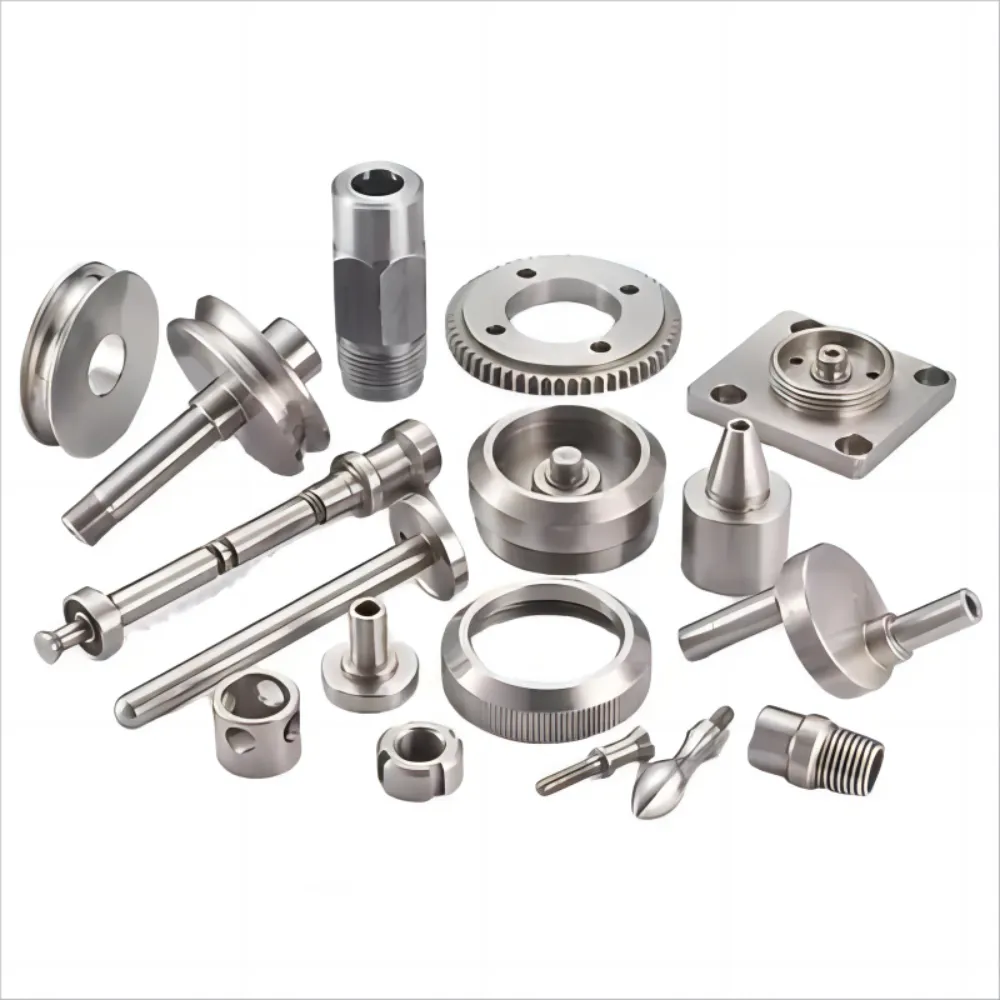
Manufacturing industries worldwide rely heavily on precision and material quality when producing critical components for aerospace, automotive, medical devices, and industrial machinery. The selection of appropriate materials for cnc machining operations directly impacts product performance, durability, and cost-effectiveness. Understanding the properties and applications of different materials enables manufacturers to make informed decisions that optimize both production efficiency and end-product quality. Material characteristics such as machinability, strength-to-weight ratios, corrosion resistance, and thermal properties play crucial roles in determining the success of manufacturing projects.
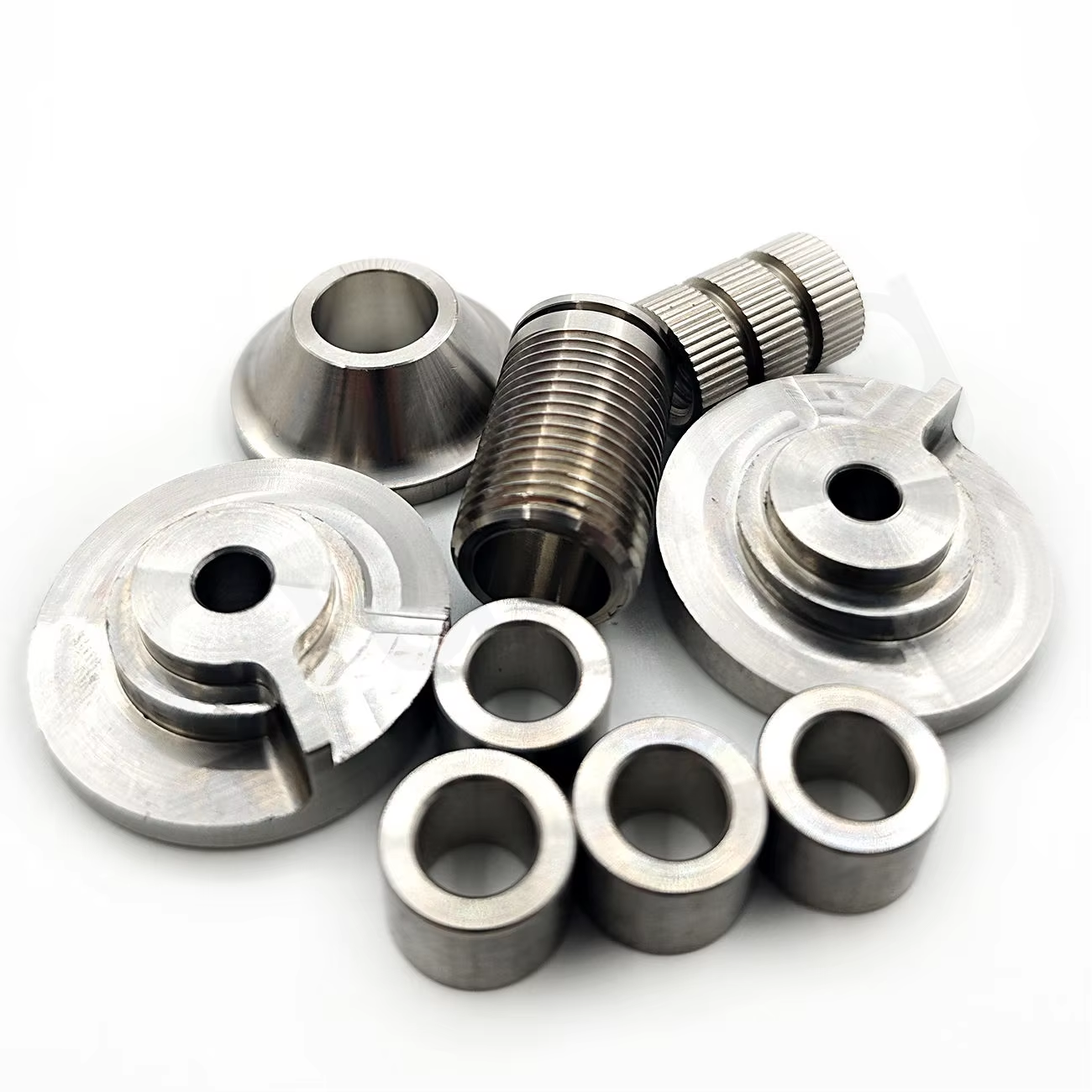
Aluminum Alloys in Precision Manufacturing
6061 Aluminum Properties and Applications
Aluminum 6061 stands as one of the most versatile and widely used materials in cnc machining operations across multiple industries. This heat-treatable alloy offers excellent machinability characteristics, allowing for high-speed cutting operations with minimal tool wear. The material’s lightweight properties combined with good strength make it ideal for aerospace components, automotive parts, and structural applications where weight reduction is critical. Its corrosion resistance and weldability further enhance its appeal for outdoor applications and multi-component assemblies.
The alloy’s magnesium and silicon content provides optimal hardness levels while maintaining workability during machining processes. Manufacturers appreciate its consistent chip formation and surface finish quality, which reduces secondary operations and improves production efficiency. Common applications include aircraft frames, marine hardware, bicycle components, and precision instrument housings where dimensional stability and reliability are paramount.
7075 Aluminum for High-Stress Applications
When projects demand superior strength characteristics, 7075 aluminum becomes the material of choice for critical applications. This zinc-aluminum alloy delivers exceptional tensile strength approaching that of steel while maintaining aluminum’s inherent weight advantages. The material excels in applications requiring high fatigue resistance and structural integrity under dynamic loading conditions. Aircraft structural components, military hardware, and high-performance automotive parts frequently utilize this premium aluminum grade.
Manufacturing considerations for 7075 include slightly reduced machinability compared to 6061, requiring careful attention to cutting parameters and tool selection. The material’s work-hardening characteristics demand proper feed rates and cutting speeds to maintain dimensional accuracy. Despite these considerations, the superior mechanical properties justify its use in applications where performance outweighs cost considerations.
Stainless Steel Varieties and Manufacturing Benefits
304 Stainless Steel Versatility
Stainless steel 304 represents the most commonly specified austenitic stainless steel grade in cnc machining applications due to its balanced combination of corrosion resistance, formability, and cost-effectiveness. The chromium-nickel composition provides excellent resistance to oxidation and chemical attack while maintaining good mechanical properties across a wide temperature range. Food processing equipment, medical devices, and architectural components commonly utilize this grade for its hygienic properties and aesthetic appeal.
Machining characteristics of 304 stainless steel require careful consideration of work-hardening tendencies and heat generation during cutting operations. Proper coolant application and sharp cutting tools help maintain surface quality and dimensional accuracy. The material’s non-magnetic properties in the annealed condition make it suitable for electronic applications where magnetic interference must be minimized.
316 Stainless Steel for Demanding Environments
Marine environments and chemical processing applications often specify 316 stainless steel for its enhanced corrosion resistance properties. The addition of molybdenum significantly improves the alloy’s resistance to chloride attack and pitting corrosion compared to 304 grade. This makes it indispensable for offshore equipment, pharmaceutical manufacturing, and chemical processing components exposed to aggressive environments.
Manufacturing considerations include slightly increased work-hardening rates and higher cutting forces compared to 304 stainless steel. Tool selection and cutting parameters must account for these characteristics to achieve optimal surface finishes and dimensional tolerances. The material’s biocompatibility makes it particularly valuable for medical implants and surgical instruments requiring long-term body compatibility.
Brass and Copper Alloys for Specialized Applications
Free-Cutting Brass Advantages
Free-cutting brass, typically containing lead additions for improved machinability, offers exceptional chip formation characteristics that enable high-speed production operations. This material machines readily with excellent surface finishes and tight tolerances achievable without secondary operations. Plumbing fixtures, electrical connectors, and decorative hardware frequently utilize brass for its combination of workability, corrosion resistance, and attractive appearance.
The material’s thermal and electrical conductivity properties make it valuable for heat exchangers and electrical applications where efficient heat or current transfer is required. Environmental considerations regarding lead content have led to development of lead-free alternatives that maintain similar machining characteristics while meeting modern environmental standards.
Copper Applications in Electrical Components
Pure copper and copper alloys serve critical roles in electrical and thermal management applications where high conductivity is essential. The material’s excellent machinability allows for complex geometries in heat sinks, electrical busbars, and welding electrodes. Copper’s antimicrobial properties have created new applications in healthcare environments and high-touch surfaces where bacterial growth must be minimized.
Machining copper requires attention to its soft, gummy characteristics that can lead to built-up edge formation on cutting tools. Sharp tools with positive rake angles and proper chip evacuation help maintain surface quality and dimensional accuracy. The material’s high thermal conductivity aids in heat dissipation during machining but may require flood coolant for optimal results.
Engineering Plastics and Advanced Materials
PEEK Performance Characteristics
Polyetheretherketone represents one of the highest-performance thermoplastics available for precision machining applications. Its exceptional chemical resistance, high-temperature stability, and biocompatibility make it indispensable for aerospace, medical, and chemical processing applications. The material maintains mechanical properties at temperatures exceeding 200°C while resisting attack from virtually all industrial chemicals and solvents.
Machining PEEK requires specialized tooling and techniques to achieve optimal results due to its tendency to melt and smear under excessive heat generation. Sharp carbide tools with appropriate geometry and controlled cutting speeds help maintain dimensional accuracy and surface quality. The material’s low friction coefficient and wear resistance make it ideal for bearing applications and sliding components.
Delrin Acetal for Precision Components
Acetal copolymer, commonly known as Delrin, offers exceptional dimensional stability and machinability among engineering plastics. Its low moisture absorption and excellent fatigue resistance make it suitable for precision mechanical components requiring long-term dimensional stability. Gears, bushings, and valve components frequently utilize acetal for its combination of strength, stiffness, and chemical resistance.
The material machines exceptionally well with standard metalworking tools, producing excellent surface finishes and tight tolerances. Its self-lubricating properties reduce friction in moving assemblies while maintaining structural integrity under cyclic loading conditions. Food-grade formulations enable use in food processing equipment where direct food contact is required.
Titanium Alloys for Critical Applications
Grade 2 Titanium Benefits
Commercially pure titanium Grade 2 provides the optimal balance of strength, ductility, and corrosion resistance for many industrial applications. Its biocompatibility makes it the material of choice for medical implants and surgical instruments requiring long-term body contact. The aerospace industry values its high strength-to-weight ratio and corrosion resistance in demanding environmental conditions.
Machining titanium requires specialized techniques due to its low thermal conductivity and work-hardening characteristics. Sharp tools with positive geometry and flood coolant help manage heat generation and maintain surface quality. The material’s tendency to gall requires careful attention to cutting speeds and feed rates to prevent tool damage and workpiece defects.
Ti-6Al-4V for Aerospace Applications
The most widely used titanium alloy in aerospace applications, Ti-6Al-4V combines excellent mechanical properties with moderate machinability. Its alpha-beta microstructure provides high strength while maintaining adequate ductility for complex component geometries. Critical aircraft components such as engine mounts, landing gear parts, and structural elements commonly specify this alloy for its proven performance record.
Manufacturing considerations include careful heat management during machining operations to prevent microstructural changes that could affect mechanical properties. The material’s high reactivity with oxygen at elevated temperatures requires inert atmosphere protection during welding operations and careful coolant selection during machining.
Tool Steels and Hardened Materials
O1 Tool Steel Applications
Oil-hardening tool steel O1 serves applications requiring high hardness and wear resistance while maintaining reasonable machinability in the annealed condition. Cutting tools, dies, and wear-resistant components commonly utilize this material for its ability to achieve hardness levels exceeding 60 HRC after proper heat treatment. The material’s relatively simple composition enables predictable heat treatment responses and consistent mechanical properties.
Machining operations typically occur in the annealed condition followed by heat treatment to achieve final hardness levels. The material’s carbon content requires careful attention to heating rates and cooling methods during heat treatment to prevent cracking and distortion. Proper stress relief operations help maintain dimensional stability throughout the manufacturing process.
A2 Air-Hardening Steel Properties
Air-hardening tool steel A2 offers superior dimensional stability during heat treatment due to its ability to harden in still air rather than requiring oil quenching. This characteristic reduces distortion and cracking risks while achieving excellent wear resistance and toughness. Die applications and precision tooling frequently specify A2 for its predictable heat treatment response and mechanical property consistency.
The chromium content provides moderate corrosion resistance while maintaining machinability in the annealed condition. Carbide formation during heat treatment contributes to excellent wear resistance but requires careful control of heating parameters to optimize mechanical properties. Secondary hardening characteristics enable achievement of optimal hardness through tempering operations.
FAQ
What factors determine the best material choice for cnc machining projects
Material selection depends on multiple factors including mechanical property requirements, environmental conditions, cost constraints, and production volumes. Engineers must evaluate strength requirements, corrosion resistance needs, temperature exposure, and aesthetic considerations when specifying materials. Machinability characteristics also influence selection, as some materials require specialized tooling or extended cycle times that impact production costs. Regulatory requirements in industries such as aerospace, medical devices, and food processing may mandate specific material certifications or traceability documentation.
How does material hardness affect machining operations and tool life
Material hardness directly impacts cutting forces, tool wear rates, and achievable surface finishes during machining operations. Harder materials typically require lower cutting speeds, higher feed rates, and more rigid machine setups to maintain dimensional accuracy. Tool selection becomes critical as harder materials may require carbide or ceramic cutting tools instead of high-speed steel options. Coolant application and chip evacuation also become more important with harder materials to manage heat generation and prevent tool failure.
What are the key considerations when machining stainless steel materials
Stainless steel machining requires attention to work-hardening characteristics, heat generation, and tool selection to achieve optimal results. Sharp cutting tools with positive rake angles help reduce cutting forces and heat generation. Consistent feed rates prevent work hardening in localized areas that can cause tool breakage or dimensional inaccuracies. Flood coolant application helps manage temperatures while proper chip evacuation prevents recutting and surface damage. Different stainless steel grades have varying machinability ratings that influence cutting parameter selection.
Why is aluminum preferred for lightweight applications in cnc machining
Aluminum offers an exceptional strength-to-weight ratio that makes it ideal for applications where weight reduction is critical without sacrificing structural integrity. Its excellent machinability enables high-speed production with minimal tool wear and good surface finishes. Corrosion resistance properties eliminate the need for protective coatings in many applications, reducing manufacturing costs and complexity. The material’s thermal conductivity helps dissipate heat during machining operations, contributing to dimensional stability and tool life. Various aluminum alloys provide options for different strength and performance requirements while maintaining weight advantages.