
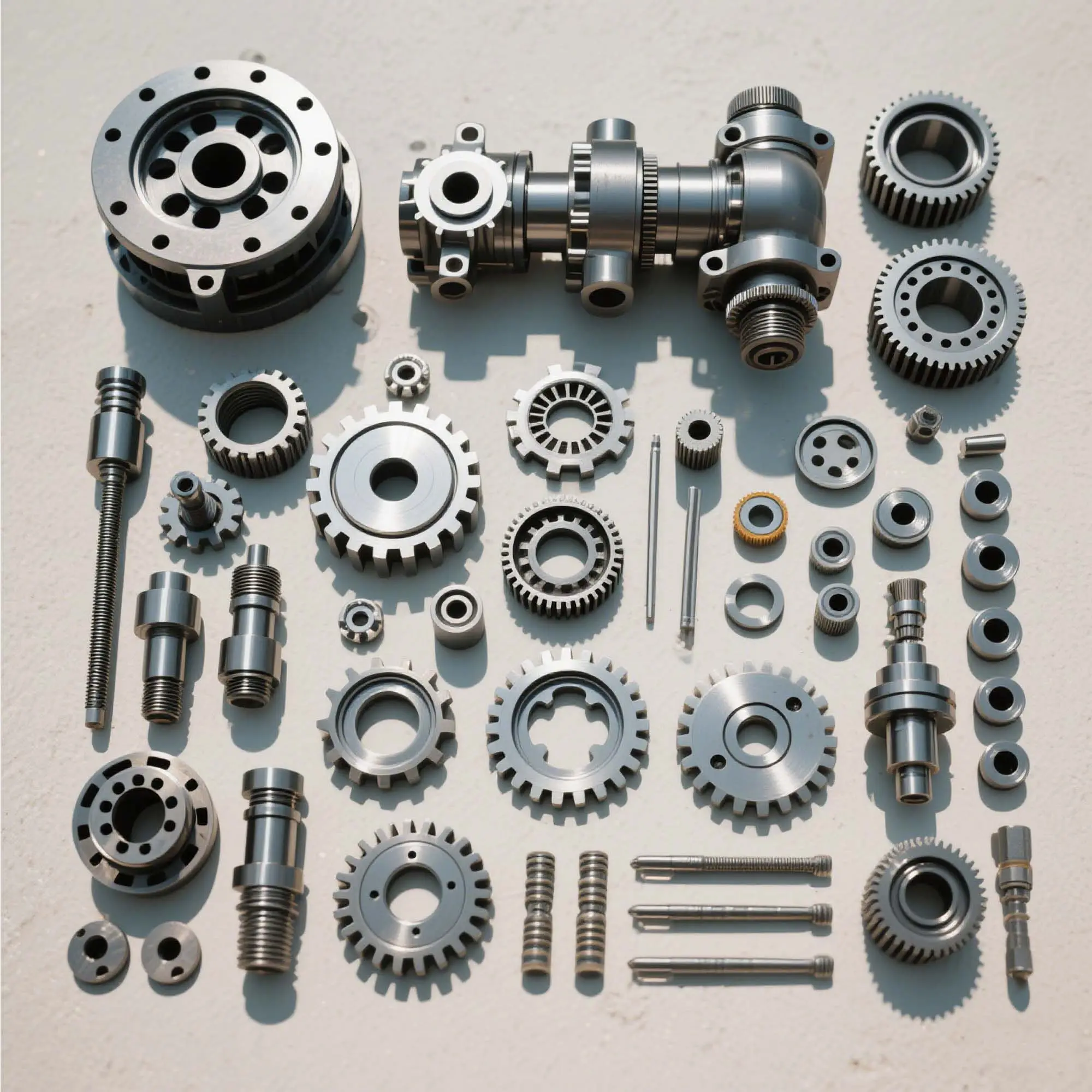
Manufacturing precision components requires careful selection of the right production methods, and cnc lathe machining stands as one of the most versatile and accurate solutions available today. Whether you’re developing prototypes or scaling up for mass production, understanding how to evaluate and choose the appropriate machining service provider can significantly impact your project’s success, timeline, and budget. The complexity of modern manufacturing demands expertise that goes beyond basic machining capabilities, encompassing material knowledge, quality control systems, and advanced technical proficiency.
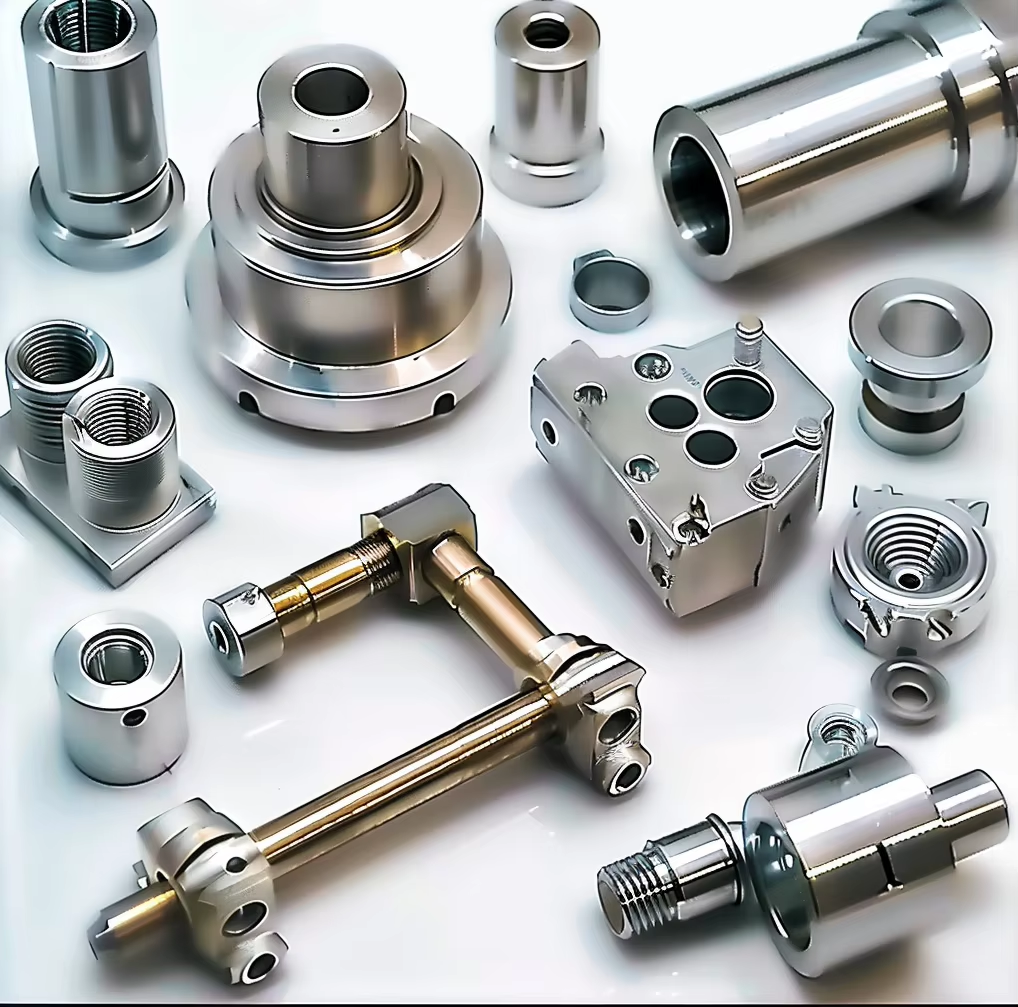
The decision-making process for selecting machining services involves multiple technical and business considerations that extend far beyond initial cost estimates. Successful partnerships with machining providers require thorough evaluation of their capabilities, quality systems, and ability to meet specific project requirements. Understanding these factors will help you make informed decisions that ensure optimal results for your manufacturing needs.
Understanding CNC Lathe Machining Capabilities
Core Machining Operations and Precision Standards
CNC lathe machining encompasses a wide range of operations including turning, facing, threading, grooving, and drilling, each requiring specific expertise and equipment configurations. Modern CNC lathes can achieve tolerances as tight as ±0.0001 inches, making them suitable for aerospace, medical, and precision instrument applications. The ability to maintain consistent accuracy across large production runs distinguishes professional machining services from basic manufacturing operations.
Advanced lathe systems incorporate live tooling capabilities, allowing for milling operations, cross-drilling, and complex geometries that would traditionally require multiple setups. This integration reduces handling time, improves accuracy, and minimizes the potential for dimensional variations between operations. When evaluating providers, consider their equipment’s age, maintenance protocols, and capability to handle your specific geometric requirements.
Material Compatibility and Processing Expertise
Different materials present unique challenges in cnc lathe machining, from work hardening stainless steels to the thermal sensitivity of plastics and composites. Experienced providers understand cutting parameters, tool selection, and coolant strategies specific to each material family. This expertise directly impacts surface finish quality, dimensional accuracy, and tool life, ultimately affecting both cost and delivery timelines.
Specialty materials such as Inconel, titanium alloys, and hardened steels require sophisticated programming techniques and specialized tooling systems. The machining service provider should demonstrate proven experience with your specific materials, including proper work holding strategies and thermal management during cutting operations. Request examples of similar work and ask about their approach to challenging material characteristics.
Quality Control and Certification Requirements
Inspection Equipment and Measurement Capabilities
Professional machining services invest in advanced metrology equipment including coordinate measuring machines (CMMs), optical comparators, and surface finish measurement systems. The sophistication of their inspection capabilities should align with your project’s quality requirements and documentation needs. ISO 9001 certification indicates systematic quality management, while AS9100 or ISO 13485 certifications demonstrate specialized aerospace or medical device expertise.
Real-time inspection capabilities during machining operations help prevent costly rejections and ensure consistent quality throughout production runs. Advanced providers utilize in-process monitoring systems that detect tool wear, dimensional drift, and surface finish variations before they result in non-conforming parts. Understanding their inspection protocols and documentation practices helps ensure compatibility with your quality requirements.
Traceability and Documentation Standards
Comprehensive documentation becomes critical for regulated industries and complex assemblies where component history affects overall system performance. Professional machining services maintain detailed records including material certifications, process parameters, inspection results, and environmental conditions during manufacturing. This level of documentation supports root cause analysis, continuous improvement initiatives, and regulatory compliance requirements.
Digital documentation systems enable rapid access to historical data, supporting warranty claims, design modifications, and production optimization efforts. When selecting a cnc lathe machining service provider, evaluate their documentation capabilities and data retention policies to ensure long-term support for your projects.
Production Capacity and Scalability Considerations
Equipment Fleet and Operational Flexibility
Production capacity evaluation requires understanding both machine count and operational flexibility within the machining facility. Multiple identical machines provide redundancy and scaling capability, while diverse equipment sizes accommodate varying part dimensions and production volumes. The provider’s ability to balance prototype work with production runs indicates sophisticated scheduling and resource management capabilities.
Operational flexibility extends beyond equipment to include programming capabilities, fixture design, and setup optimization. Providers with strong engineering support can often reduce cycle times through improved programming techniques, custom fixture development, and process optimization. This expertise becomes particularly valuable for complex geometries or challenging production requirements.
Lead Time Management and Delivery Reliability
Consistent delivery performance requires robust planning systems, realistic capacity assessment, and contingency planning for unexpected challenges. Professional machining services utilize advanced scheduling software that considers machine availability, operator skills, and material lead times when committing to delivery dates. Their track record of on-time delivery provides insight into operational maturity and customer service priorities.
Rush order capabilities and expedited processing options become crucial during product development phases or when responding to unexpected demand fluctuations. Understanding the provider’s policies for expedited work, including associated costs and realistic timelines, helps in planning and budgeting for urgent requirements.
Cost Structure and Value Engineering Support
Pricing Transparency and Cost Optimization
Transparent pricing structures help establish realistic budgets and enable accurate cost comparisons between potential providers. Professional machining services provide detailed quotes that separate material costs, machining time, setup charges, and secondary operations. This transparency enables informed decision-making and identifies opportunities for cost optimization through design modifications or alternative approaches.
Value engineering support from experienced machinists can significantly reduce production costs while maintaining or improving part functionality. Recommendations might include material substitutions, tolerance relaxation where appropriate, or design modifications that simplify machining operations. This collaborative approach often results in substantial cost savings and improved manufacturability.
Volume-Based Pricing and Long-Term Partnerships
Volume-based pricing structures reward larger quantities and long-term commitments while providing predictable costs for budget planning. Understanding the provider’s pricing tiers and volume thresholds helps optimize order quantities and timing to achieve the best economic value. Some providers offer annual agreements that lock in pricing for predictable cost management.
Long-term partnership benefits extend beyond pricing to include priority scheduling, dedicated technical support, and collaborative improvement initiatives. Established relationships often result in better communication, faster response times, and proactive problem-solving that benefits both parties throughout the partnership duration.
Technical Support and Engineering Collaboration
Design for Manufacturability Guidance
Experienced machining providers offer valuable design for manufacturability (DFM) guidance that can improve part functionality while reducing production costs and complexity. This expertise encompasses optimal feature placement, appropriate tolerancing strategies, and material selection considerations specific to cnc lathe machining processes. Early collaboration during design phases prevents costly redesigns and manufacturing challenges.
DFM recommendations often address surface finish requirements, geometric tolerancing applications, and feature accessibility for machining operations. Professional providers can suggest alternative approaches that achieve the same functional requirements through more efficient manufacturing methods, potentially reducing costs and improving quality consistency.
Problem-Solving Capabilities and Technical Innovation
Manufacturing challenges inevitably arise during production, making the provider’s problem-solving capabilities and technical innovation essential factors in provider selection. Experienced teams can often develop creative solutions for difficult machining requirements, unusual geometries, or challenging material combinations. Their ability to think beyond standard approaches distinguishes exceptional providers from basic machining services.
Technical innovation might include custom tooling development, specialized work holding solutions, or novel programming approaches that enable previously impossible geometries. Providers who invest in research and development often bring cutting-edge capabilities that benefit their customers’ projects and competitive positioning.
FAQ
What factors most significantly impact cnc lathe machining costs
Material costs, complexity of geometry, required tolerances, and production volume are the primary cost drivers in cnc lathe machining. Setup time, programming complexity, and secondary operations such as heat treating or specialized surface finishes also contribute significantly to overall costs. Optimizing these factors through design collaboration can result in substantial cost reductions.
How do I evaluate the quality capabilities of a machining service provider
Review their certifications, inspection equipment capabilities, and request examples of similar work with documented quality results. Ask about their quality management systems, inspection procedures, and how they handle non-conforming parts. Visiting their facility provides valuable insight into their operational standards and quality culture.
What lead times should I expect for prototype versus production quantities
Prototype parts typically require 1-3 weeks depending on complexity and current workload, while production quantities can range from 2-8 weeks based on volume and part complexity. Rush services may be available at premium pricing. Always discuss realistic timelines during the quoting process and understand their capacity constraints.
How important is geographic proximity when selecting a machining service provider
Geographic proximity offers advantages for complex projects requiring frequent communication, design iterations, or quality inspections. However, specialized capabilities, competitive pricing, and superior quality may justify working with distant providers. Consider shipping costs, communication requirements, and the importance of face-to-face collaboration for your specific project needs.