
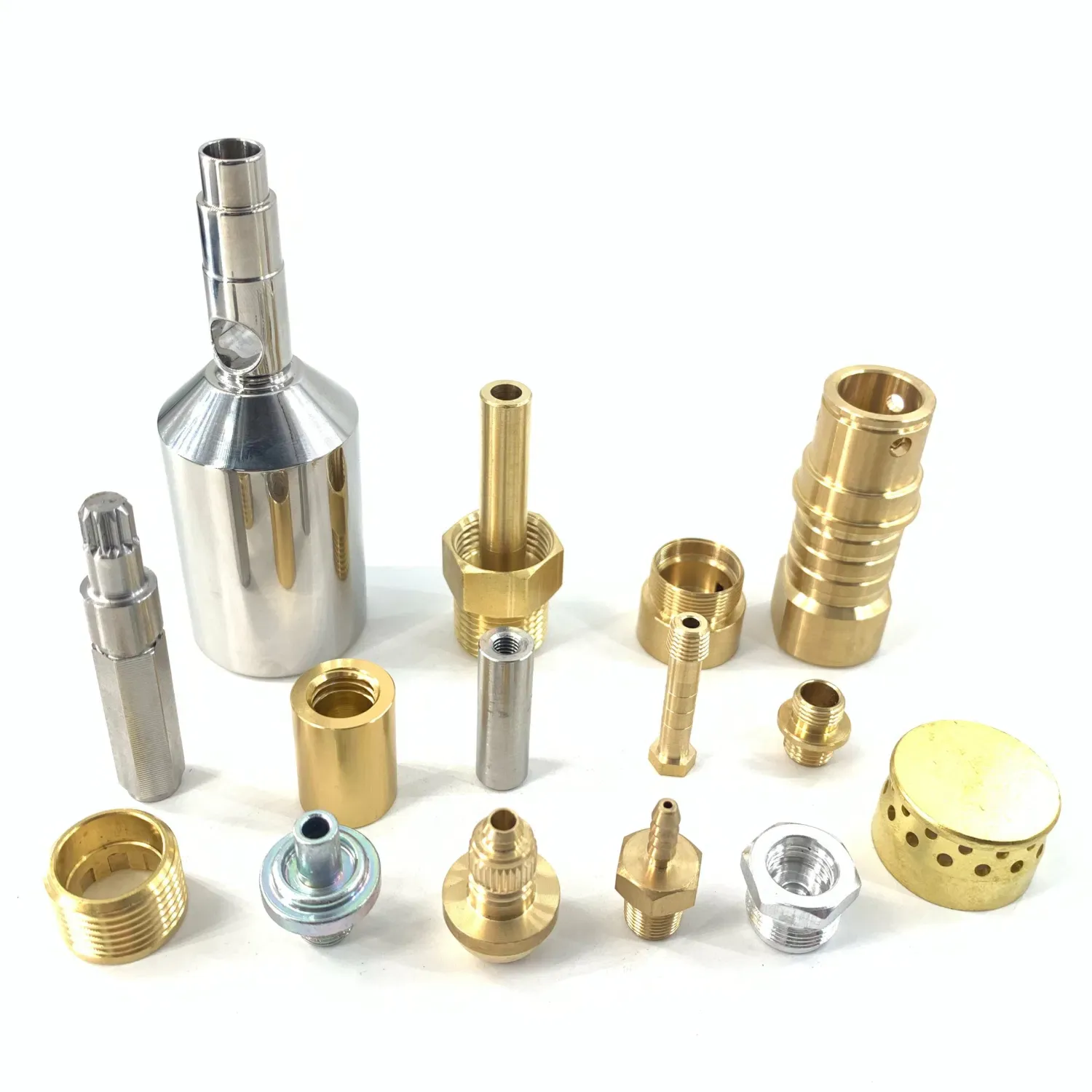
Modern manufacturing demands precision, efficiency, and consistency in every production cycle. CNC lathe machining has revolutionized the way manufacturers approach component production, offering unparalleled accuracy and repeatability. Whether you’re working with aluminum, stainless steel, or specialized alloys, implementing proven best practices can significantly enhance your machining outcomes. These industry-tested strategies help optimize tool life, reduce waste, and maintain the highest quality standards while maximizing productivity across your operations.
Essential Preparation and Setup Procedures
Workpiece Mounting and Fixture Selection
Proper workpiece mounting forms the foundation of successful cnc lathe machining operations. The choice between chuck, collet, or fixture mounting depends on part geometry, material properties, and required tolerances. Three-jaw chucks work well for round stock, while four-jaw chucks accommodate irregular shapes and provide independent jaw adjustment capabilities. Collet systems offer superior concentricity and grip strength for smaller diameter parts, minimizing runout and vibration during high-speed operations.
Fixture design must account for machining forces, part accessibility, and clamping pressure distribution. Soft jaws can be machined to match specific part contours, ensuring even pressure distribution and preventing workpiece distortion. When working with thin-walled components, consider using expanding mandrels or hydraulic fixtures to maintain dimensional stability throughout the machining process.
Tool Selection and Preparation
Cutting tool selection directly impacts surface finish, dimensional accuracy, and production efficiency. Carbide inserts excel in high-speed applications and offer excellent wear resistance, while high-speed steel tools provide versatility for interrupted cuts and complex geometries. Tool geometry parameters including rake angle, clearance angle, and nose radius must align with material properties and machining conditions.
Tool preparation involves proper insert indexing, torque specifications, and coolant delivery verification. Inspect cutting edges for chips, cracks, or excessive wear before installation. Maintain consistent tool overhang lengths to minimize vibration and ensure repeatable results. Document optimal tool combinations for specific materials and operations to streamline setup procedures for recurring jobs.
Programming Excellence and Code Optimization
Efficient G-Code Development
Well-structured CNC programs form the backbone of efficient lathe operations. Begin with proper coordinate system establishment using G54 through G59 work offsets to maintain consistency across multiple setups. Implement canned cycles for repetitive operations such as threading, grooving, and drilling to reduce programming time and minimize code complexity.
Optimize feed rates and spindle speeds based on material properties and tool recommendations. Variable feed programming allows for adaptive cutting conditions, reducing cycle times while maintaining surface finish requirements. Include appropriate dwell times for threading operations and ensure smooth transitions between cutting passes to prevent tool breakage.
Advanced Programming Techniques
Modern CNC controllers offer sophisticated features that enhance machining capabilities. Constant surface speed programming maintains optimal cutting conditions as diameter changes during facing and contouring operations. Look-ahead processing prevents sudden deceleration at sharp corners, maintaining consistent surface finish across complex profiles.
Implement macro programming for parametric part families, enabling rapid program modification for similar components with varying dimensions. Subroutine calls streamline code structure and facilitate troubleshooting. Advanced features like tool life management and adaptive feed override help optimize production efficiency while extending tool life.
Cutting Parameter Optimization
Speed and Feed Calculations
Proper cutting parameter selection balances productivity with tool life and surface finish requirements. Calculate surface feet per minute based on material machinability ratings and tool manufacturer recommendations. Adjust spindle speed as workpiece diameter changes to maintain consistent cutting conditions throughout the operation.
Feed rates must accommodate chip formation characteristics and workpiece rigidity. Lighter feeds work better for finishing operations and thin-walled parts, while heavier feeds increase productivity during roughing cycles. Monitor chip formation to ensure proper evacuation and prevent work hardening in difficult-to-machine materials like stainless steel.
Depth of Cut Considerations
Depth of cut selection affects tool life, surface finish, and dimensional accuracy. Roughing operations benefit from maximum material removal rates within machine power limits, while finishing passes require lighter cuts for optimal surface quality. Consider part rigidity when selecting cut depths, as excessive forces can cause deflection and dimensional errors.
Variable depth cutting strategies help manage heat generation and tool wear. Progressive depth reduction during finishing operations ensures consistent surface finish as part stiffness changes. For interrupted cuts or challenging materials, reduce depth of cut and increase feed rate to maintain productivity while protecting cutting edges.
Quality Control and Measurement Strategies
In-Process Monitoring
Real-time quality monitoring prevents defects and reduces scrap rates. Tool wear monitoring systems track cutting forces and vibration patterns to predict tool failure before it occurs. Acoustic emission sensors detect chip formation changes that may indicate tool wear or workpiece material variations.
Implement statistical process control to track dimensional trends and identify process drift before parts fall outside tolerance limits. Regular measurement intervals depend on production volume and part criticality. Document measurement results to establish process capability and support continuous improvement initiatives.
Post-Process Inspection Techniques
Comprehensive inspection protocols ensure consistent part quality and customer satisfaction. Coordinate measuring machines provide high-accuracy dimensional verification for critical features. Surface roughness measurements validate finish requirements and help optimize cutting parameters.
Develop sampling plans appropriate for production volumes and quality requirements. First article inspection establishes process capability, while periodic checks maintain process control. Document inspection results to support traceability requirements and identify opportunities for process improvement.
Maintenance and Troubleshooting
Preventive Maintenance Protocols
Regular maintenance prevents costly breakdowns and ensures consistent machining accuracy. Lubrication system maintenance includes filter replacement, fluid analysis, and delivery system inspection. Spindle maintenance requires periodic cleaning, bearing inspection, and alignment verification to maintain precision.
Chuck and tailstock maintenance involves jaw adjustment, cleaning, and lubrication to ensure proper workpiece retention. Way system maintenance includes cleaning, lubrication, and wear inspection to maintain positioning accuracy. Establish maintenance schedules based on operating hours and manufacturer recommendations.
Common Issue Resolution
Dimensional inaccuracy often stems from thermal effects, tool wear, or setup errors. Temperature stabilization protocols and thermal compensation help maintain accuracy during extended production runs. Tool wear monitoring and replacement schedules prevent gradual dimensional drift.
Surface finish problems typically result from inappropriate cutting parameters, tool wear, or vibration issues. Systematic parameter adjustment and vibration analysis help identify root causes. cnc lathe machining operations benefit from comprehensive troubleshooting procedures that address both mechanical and process-related issues.
Frequently Asked Questions
What factors determine optimal spindle speed for different materials
Optimal spindle speed depends on material machinability, tool material, and workpiece diameter. Harder materials typically require lower surface speeds to prevent excessive tool wear, while softer materials can accommodate higher speeds for increased productivity. Carbide tools generally allow higher cutting speeds than high-speed steel tools. Calculate surface feet per minute based on material recommendations, then adjust spindle RPM as diameter changes during operations.
How can I minimize workpiece distortion during thin-wall machining
Workpiece distortion results from clamping forces, thermal effects, and cutting forces. Use soft jaws or specialized fixtures to distribute clamping pressure evenly across the workpiece surface. Reduce cutting forces by using sharp tools, lighter depths of cut, and appropriate feed rates. Consider climb milling techniques and flood coolant to minimize heat buildup. Support thin sections with tailstock pressure or steady rests when possible.
What are the key indicators of excessive tool wear
Tool wear indicators include increased cutting forces, dimensional drift, surface finish deterioration, and unusual noise or vibration. Built-up edge formation creates poor surface finish and dimensional inaccuracy. Flank wear causes gradual size growth in turning operations, while crater wear affects surface finish. Monitor power consumption and spindle load to detect increasing cutting forces that indicate tool degradation.
How do I select appropriate coolant for specific materials and operations
Coolant selection depends on material properties, cutting speeds, and environmental requirements. Water-based coolants provide excellent heat removal for high-speed operations but may cause corrosion in some materials. Oil-based coolants offer superior lubrication for low-speed, high-torque operations and provide rust protection. Synthetic coolants combine cooling and lubrication properties while offering longer service life. Consider material compatibility, disposal requirements, and operator safety when selecting coolant systems.