
Manufacturing companies across industries increasingly rely on specialized partners to handle their sheet metal processing services requirements. The decision to outsource these critical operations demands careful evaluation of potential suppliers, as the quality and reliability of your chosen partner directly impacts your production timelines, product quality, and overall business success. Understanding the key factors that distinguish exceptional service providers from mediocre ones becomes essential for making informed sourcing decisions.

The global sheet metal processing market continues expanding as manufacturers seek cost-effective solutions without compromising quality standards. Large-scale projects present unique challenges that require specialized expertise, advanced equipment, and proven track records. Companies must evaluate multiple dimensions of potential partners to ensure successful project outcomes and long-term collaborative relationships.
Technical Capabilities Assessment
Equipment and Technology Infrastructure
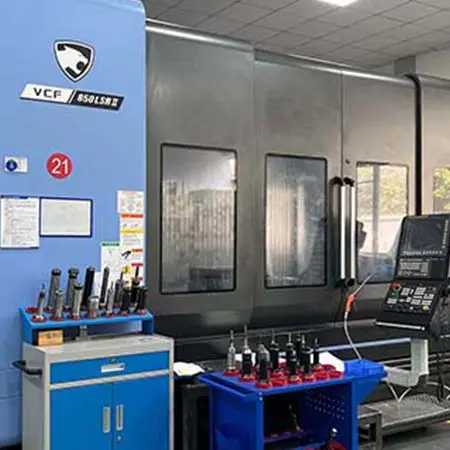
Modern sheet metal processing services require state-of-the-art equipment capable of handling various materials, thicknesses, and complex geometries. Evaluate potential partners based on their machinery inventory, including laser cutting systems, CNC punching machines, press brakes, and welding equipment. The age and condition of equipment directly influence precision, efficiency, and production capacity for large-scale orders.
Advanced technology integration separates leading providers from competitors in the sheet metal processing services sector. Look for partners utilizing automated material handling systems, computer-aided design software, and quality control technologies. These investments demonstrate commitment to efficiency and quality consistency across high-volume production runs.
Manufacturing floor layout and workflow optimization reflect operational sophistication levels among sheet metal processing services providers. Well-organized facilities with logical material flow, dedicated quality inspection areas, and efficient inventory management systems indicate professional operations capable of handling complex projects successfully.
Material Handling and Processing Expertise
Different materials require specialized processing techniques and equipment configurations for optimal results. Assess potential partners’ experience with your specific material requirements, including stainless steel, aluminum, carbon steel, and exotic alloys. Material-specific expertise ensures proper handling, processing parameters, and finishing techniques for superior end products.
Large-scale sheet metal processing services often involve multiple processing steps requiring careful coordination and sequencing. Evaluate providers’ capabilities across cutting, forming, welding, finishing, and assembly operations. Integrated capabilities reduce lead times, minimize handling damage risks, and improve overall project coordination efficiency.
Surface treatment and finishing capabilities represent critical differentiators among sheet metal processing services providers. Comprehensive finishing options including powder coating, anodizing, plating, and painting allow partners to deliver complete solutions rather than requiring additional subcontracting arrangements that complicate project management and quality control.
Quality Management Systems
Certification Standards and Compliance
Industry certifications provide objective validation of quality management capabilities among sheet metal processing services providers. ISO 9001 certification demonstrates systematic quality management approaches, while industry-specific certifications like AS9100 for aerospace or ISO 13485 for medical devices indicate specialized expertise in regulated sectors.
Documentation and traceability systems become increasingly important for large-scale projects requiring detailed quality records. Evaluate potential partners’ documentation capabilities, including material certifications, process control records, inspection reports, and non-conformance tracking systems. Comprehensive documentation supports quality investigations and continuous improvement initiatives.
Third-party audits and customer assessments provide additional validation of quality management effectiveness. Request references from similar large-scale projects and conduct on-site evaluations to assess actual implementation of quality systems beyond certification requirements.
Inspection and Testing Capabilities
Dimensional accuracy verification requires appropriate measuring equipment and trained personnel capable of validating complex geometries and tight tolerances. Coordinate measuring machines, optical comparators, and precision measuring tools demonstrate commitment to quality verification throughout the sheet metal processing services workflow.
Material testing capabilities including tensile strength, hardness, and chemical composition analysis ensure conformance to specification requirements. In-house testing capabilities reduce lead times and provide immediate feedback for process adjustments, while third-party testing relationships demonstrate commitment to independent verification when required.
Statistical process control implementation indicates advanced quality management approaches among sheet metal processing services providers. Real-time monitoring of critical process parameters enables proactive quality management and reduces the likelihood of non-conforming products reaching customers.
Production Capacity and Scalability
Volume Handling Capabilities
Large-scale projects demand significant production capacity and efficient workflow management to meet delivery requirements. Assess potential partners’ current capacity utilization, available expansion capabilities, and historical performance on similar volume projects. Understanding capacity constraints helps establish realistic delivery expectations and identifies potential bottlenecks.
Workforce size and skill levels directly impact production capacity for sheet metal processing services. Evaluate staffing levels across different shifts, cross-training programs, and employee retention rates. Stable, experienced workforces provide consistency and reliability essential for large-scale project success.
Multiple facility locations or expansion capabilities provide flexibility for accommodating varying project requirements and geographic preferences. Distributed operations can reduce shipping costs, provide backup capacity during peak periods, and offer specialized capabilities optimized for different product types or market segments.
Supply Chain Management
Raw material procurement capabilities directly influence project timelines and cost management for large-scale sheet metal processing services. Evaluate suppliers’ relationships with material vendors, inventory management practices, and ability to secure materials during supply chain disruptions or market shortages.
Vendor qualification and management processes ensure consistent material quality and delivery performance throughout project duration. Established supplier relationships, alternate sourcing strategies, and material forecasting capabilities demonstrate supply chain sophistication necessary for complex project management.
Logistics coordination becomes critical for large-scale projects involving multiple shipments and delivery locations. Assess partners’ shipping capabilities, packaging expertise, and coordination with freight carriers to ensure timely delivery without damage during transportation.
Communication and Project Management
Customer Service and Responsiveness
Effective communication throughout project duration ensures alignment between customer expectations and delivery outcomes. Evaluate potential partners’ communication protocols, response times to inquiries, and escalation procedures for addressing issues promptly. Regular updates and proactive communication demonstrate professional project management approaches.
Technical support capabilities including engineering assistance, design optimization recommendations, and problem-solving expertise add significant value beyond basic sheet metal processing services. Partners offering design for manufacturability guidance can reduce costs and improve product performance through collaborative development approaches.
Customer portal access and real-time project visibility enable effective collaboration and reduce communication overhead. Online ordering systems, project status tracking, and document sharing capabilities streamline interactions and improve overall project coordination efficiency.
Project Planning and Execution
Detailed project planning capabilities including timeline development, resource allocation, and risk assessment demonstrate professional project management competency. Comprehensive project plans with clear milestones, deliverables, and contingency strategies provide confidence in successful project completion.
Change management processes become essential for large-scale projects where modifications may be required during production. Evaluate potential partners’ flexibility in accommodating design changes, pricing adjustments, and schedule modifications while maintaining quality standards and delivery commitments.
Performance measurement and reporting systems provide visibility into project progress and identify opportunities for improvement. Regular performance reviews, metrics tracking, and corrective action implementation demonstrate commitment to continuous improvement and customer satisfaction.
Financial Stability and Pricing Structure
Financial Health Assessment
Financial stability evaluation becomes critical when selecting partners for large-scale sheet metal processing services projects involving significant investments and extended timelines. Review financial statements, credit ratings, and payment history to assess long-term viability and ability to complete contracted work successfully.
Insurance coverage including general liability, professional liability, and product liability protection provides additional security for large-scale projects. Adequate insurance demonstrates financial responsibility and protects customers from potential liabilities arising from processing errors or quality issues.
Investment in facility improvements, equipment upgrades, and technology advancement indicates financial health and commitment to long-term market participation. Companies making significant capital investments demonstrate confidence in their business prospects and ability to support customer growth requirements.
Pricing Transparency and Value
Transparent pricing structures with detailed cost breakdowns enable accurate project budgeting and cost management throughout large-scale sheet metal processing services engagements. Clear pricing for materials, processing, finishing, and additional services prevents unexpected charges and supports financial planning accuracy.
Value-based pricing considering total project benefits rather than solely focusing on unit costs provides better long-term value. Partners offering design optimization, quality improvements, or delivery acceleration may justify premium pricing through overall project value enhancement.
Volume pricing incentives and long-term contract benefits reward customer loyalty and provide cost predictability for ongoing projects. Structured pricing agreements with clear terms and conditions support budget planning and reduce procurement complexity for repeat orders.
Risk Management and Contingency Planning
Quality Risk Mitigation
Comprehensive quality management systems minimize risks of non-conforming products reaching customers during large-scale sheet metal processing services projects. Preventive quality measures including design reviews, process validation, and statistical monitoring reduce the likelihood of quality issues and associated project delays.
Corrective action procedures and non-conformance management processes demonstrate systematic approaches to addressing quality issues when they occur. Rapid problem resolution capabilities minimize impact on project schedules and maintain customer confidence throughout project duration.
Product liability protection and recall procedures provide additional security for customers concerned about downstream quality risks. Comprehensive traceability systems enable rapid identification and isolation of affected products if quality issues are discovered after delivery.
Operational Risk Management
Business continuity planning including backup facilities, alternate suppliers, and disaster recovery procedures ensures project completion even during unexpected disruptions. Robust contingency plans demonstrate professional risk management and provide confidence in delivery reliability for critical projects.
Equipment maintenance programs and backup capacity reduce risks of production delays due to mechanical failures or capacity constraints. Preventive maintenance schedules, spare parts inventory, and alternate processing capabilities ensure consistent production capacity throughout project duration.
Supply chain risk management including alternate material sources, inventory buffers, and supplier diversification strategies protect against material shortages or quality issues. Comprehensive supply chain planning ensures project continuity even during market disruptions or supplier problems.
FAQ
What minimum production capacity should sheet metal processing services providers demonstrate for large-scale projects
Large-scale projects typically require partners capable of processing significant monthly volumes while maintaining quality standards and delivery schedules. Evaluate providers based on their equipment capacity, workforce availability, and historical performance on similar volume projects. Most successful large-scale partnerships involve providers with dedicated production lines, multiple shifts capability, and proven track records handling comparable project scales.
How important are industry certifications when selecting sheet metal processing services partners
Industry certifications provide objective validation of quality management capabilities and demonstrate commitment to professional standards. ISO 9001 certification represents baseline quality management requirements, while industry-specific certifications indicate specialized expertise in regulated sectors. However, certifications should be evaluated alongside actual performance records, facility assessments, and customer references for comprehensive partner evaluation.
What role does geographic location play in sheet metal processing services partner selection
Geographic proximity can reduce transportation costs, enable easier facility visits, and provide faster response times for urgent requirements. However, location should be balanced against other critical factors including technical capabilities, quality standards, and pricing competitiveness. Many successful partnerships involve remote providers offering superior value propositions that offset transportation considerations through improved quality, pricing, or service levels.
How can customers verify the technical capabilities of potential sheet metal processing services providers
Technical capability verification requires comprehensive evaluation including facility tours, equipment inspections, sample part production, and reference checks with existing customers. Request detailed capability statements, equipment lists, and quality certifications while conducting on-site assessments to validate actual capabilities. Sample part production using your specifications provides direct evidence of technical competency and quality standards implementation.