
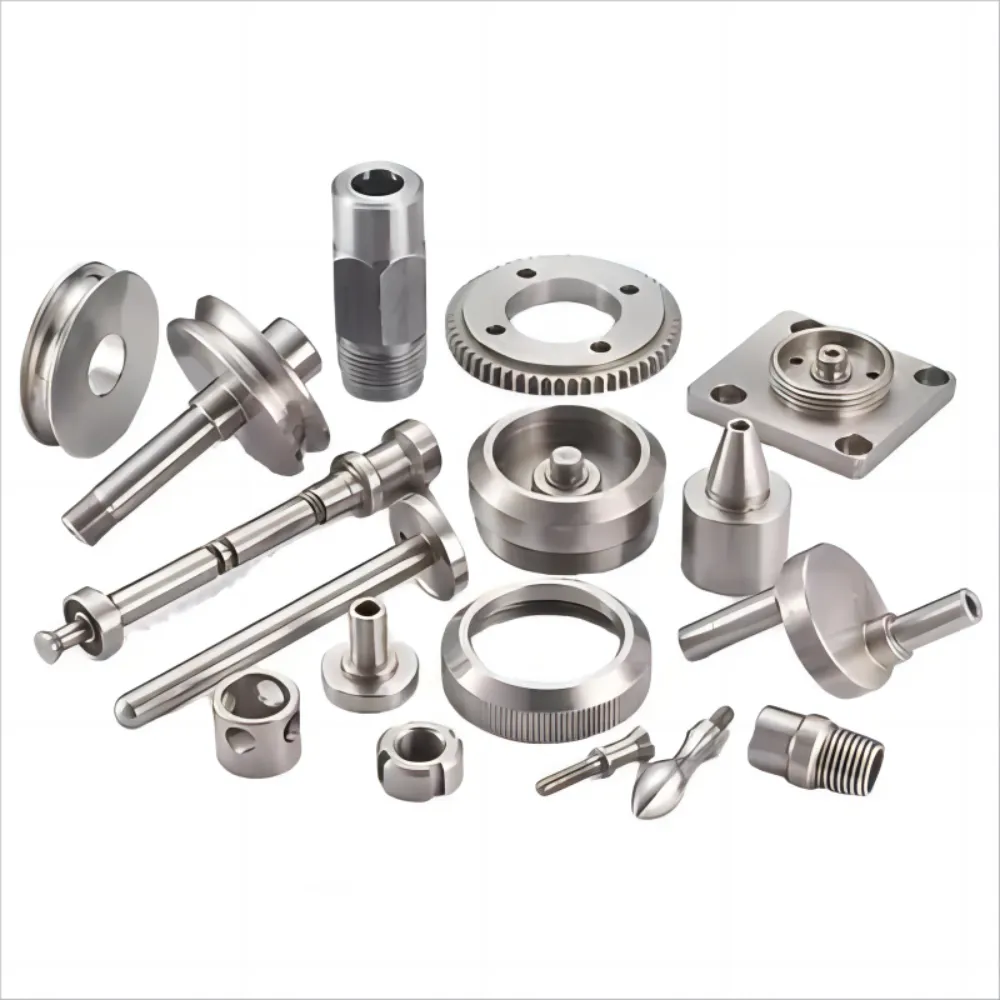
The medical device industry demands exceptional precision and quality standards that go beyond conventional manufacturing requirements. When developing medical prototypes, selecting the right machining services becomes a critical decision that can determine the success or failure of your entire project. Medical prototype machining requires specialized expertise, advanced equipment, and strict adherence to regulatory standards that ensure patient safety and device efficacy. Understanding the key factors that distinguish superior machining providers from average ones will help you make informed decisions that protect your investment and accelerate your time to market.
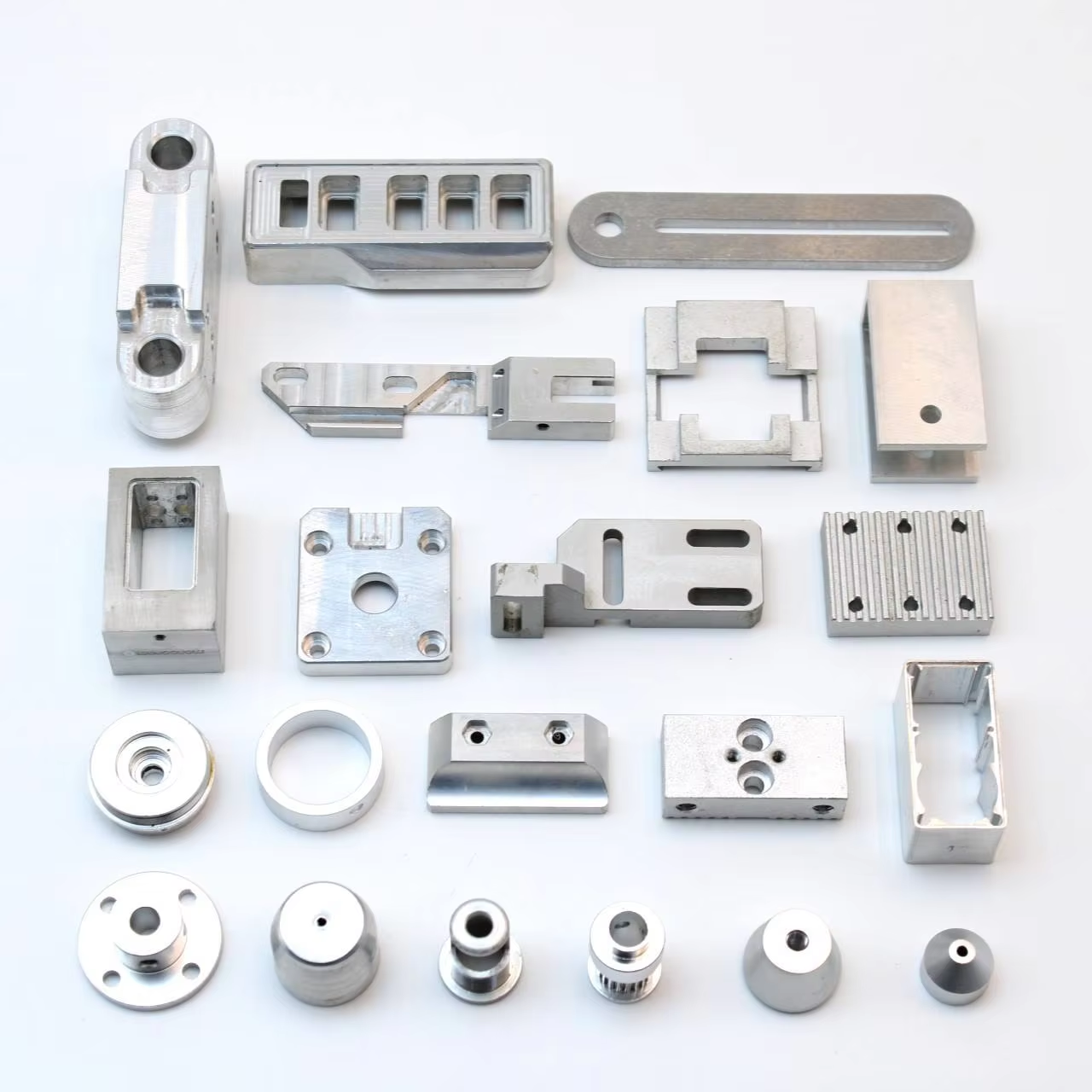
Understanding Medical Device Manufacturing Requirements
Regulatory Compliance Standards
Medical prototype machining must comply with stringent regulatory frameworks including FDA guidelines, ISO 13485 standards, and Good Manufacturing Practices. These regulations govern every aspect of the manufacturing process from material selection to final inspection procedures. Machining service providers must demonstrate their understanding of these requirements through proper documentation, traceability systems, and quality management protocols. The complexity of medical device regulations means that only experienced providers should be considered for critical prototype development projects.
Quality management systems in medical prototype machining extend beyond basic manufacturing practices to include comprehensive risk management and validation procedures. Service providers must maintain detailed records of all processes, materials, and personnel involved in prototype production. This level of documentation ensures that any issues can be traced back to their source and corrected before they impact patient safety or device performance.
Material Specifications and Biocompatibility
The selection of appropriate materials for medical prototypes requires deep understanding of biocompatibility requirements and long-term performance characteristics. Medical prototype machining often involves working with specialized alloys, medical-grade stainless steels, titanium, and advanced polymers that have been specifically approved for medical applications. Each material presents unique machining challenges that require specialized tooling, cutting parameters, and environmental controls.
Biocompatibility testing and certification add another layer of complexity to material selection in medical prototype machining. Service providers must be able to source certified materials and maintain proper chain of custody documentation throughout the manufacturing process. This ensures that the final prototypes will meet all necessary biocompatibility standards when they undergo clinical testing and regulatory review.
Evaluating Technical Capabilities and Equipment
Precision Machining Technology
Medical prototypes often require tolerances measured in micrometers, demanding state-of-the-art machining equipment and exceptional operator skill. The best medical prototype machining services invest in multi-axis CNC machines, coordinate measuring machines, and specialized tooling designed for medical applications. These advanced systems enable the production of complex geometries and intricate features that are common in medical device designs.
Temperature control and environmental stability play crucial roles in achieving the precision required for medical prototype machining. Leading service providers maintain climate-controlled facilities with vibration isolation systems that ensure consistent machining accuracy. The ability to maintain tight tolerances across multiple prototype iterations is essential for validating design concepts and preparing for full-scale production.
Quality Control and Inspection Systems
Comprehensive quality control systems distinguish excellent medical prototype machining providers from their competitors. Advanced inspection equipment including CMMs, optical comparators, and surface finish analyzers ensure that every dimension and feature meets specified requirements. Statistical process control methods help identify trends and prevent defects before they occur.
Documentation and traceability systems in medical prototype machining must capture every aspect of the manufacturing process. From initial material certification through final inspection reports, comprehensive records provide the foundation for regulatory submissions and quality audits. The best service providers implement digital quality management systems that streamline documentation while ensuring complete traceability.
Assessing Experience and Industry Expertise
Medical Device Portfolio and Case Studies
Evaluating a provider’s experience in medical prototype machining requires careful review of their portfolio and demonstrated capabilities across different medical device categories. Providers with extensive experience in cardiovascular devices, orthopedic implants, surgical instruments, or diagnostic equipment bring valuable insights that can improve prototype design and manufacturability. Case studies that demonstrate problem-solving capabilities and innovative approaches to complex machining challenges provide evidence of technical competence.
The diversity of medical applications handled by a machining service provider indicates their ability to adapt to different requirements and regulatory environments. Medical prototype machining specialists who have worked across multiple device categories understand the nuances of different applications and can provide valuable design feedback during the prototyping phase.
Regulatory Knowledge and Compliance History
A proven track record of regulatory compliance demonstrates a provider’s commitment to quality and their understanding of medical device manufacturing requirements. Medical prototype machining services should be able to provide evidence of successful FDA inspections, ISO certifications, and customer audits. This compliance history indicates their ability to maintain the quality standards required for medical device development.
Ongoing training and certification programs for personnel involved in medical prototype machining ensure that knowledge remains current with evolving regulations and best practices. Providers who invest in continuous education demonstrate their commitment to maintaining the highest standards of quality and compliance throughout their organization.
Comparing Service Offerings and Capabilities
Prototyping Speed and Flexibility
The ability to rapidly produce high-quality prototypes while maintaining flexibility for design iterations is crucial for medical device development timelines. Medical prototype machining providers should offer expedited services without compromising quality standards. Quick turnaround times enable faster design validation cycles and accelerate the overall development process.
Flexibility in accommodating design changes and multiple prototype iterations distinguishes superior medical prototype machining services from rigid production-focused providers. The iterative nature of medical device development requires providers who can efficiently implement design modifications and produce updated prototypes with minimal lead times. This adaptability is essential for optimizing device performance before committing to full-scale production.
Additional Value-Added Services
Comprehensive medical prototype machining services extend beyond basic manufacturing to include design for manufacturability reviews, material recommendations, and process optimization suggestions. Providers who offer engineering support during the prototyping phase can help identify potential issues early in the development process, saving time and costs in later stages.
Secondary operations such as heat treatment, surface finishing, and assembly services provided by medical prototype machining specialists can streamline the prototype development process. Having these capabilities under one roof reduces coordination complexity and ensures better quality control throughout the entire prototype production cycle.
Cost Analysis and Value Considerations
Total Cost of Ownership Evaluation
Evaluating medical prototype machining services requires analysis beyond initial quoted prices to consider the total cost of ownership throughout the development process. Factors such as quality consistency, delivery reliability, and technical support can significantly impact overall project costs. Providers who deliver consistent quality reduce the risk of costly rework and project delays.
The value proposition of experienced medical prototype machining providers often justifies premium pricing through reduced development risks and faster time to market. Their expertise in navigating regulatory requirements and optimizing manufacturability can prevent expensive design changes and manufacturing issues that might arise with less experienced providers.
Long-term Partnership Potential
Establishing relationships with medical prototype machining providers who can support the transition from prototyping to full-scale production offers significant advantages. Providers with both prototyping and production capabilities can ensure continuity in quality standards and process knowledge throughout the product lifecycle. This seamless transition reduces risks and maintains the integrity of validated manufacturing processes.
The ability to scale production capacity and maintain consistent quality standards as volumes increase is a critical consideration when selecting medical prototype machining partners. Providers who demonstrate scalability can support your business growth while maintaining the quality and compliance standards established during the prototyping phase.
FAQ
What certifications should I look for in medical prototype machining providers?
Look for ISO 13485 certification, which specifically addresses quality management systems for medical devices. FDA registration and compliance with Good Manufacturing Practices are also essential. Many providers also maintain AS9100 certification for aerospace applications, which demonstrates additional quality system capabilities that benefit medical prototype machining projects.
How do material costs impact medical prototype machining pricing?
Medical-grade materials typically cost significantly more than standard industrial materials due to certification requirements and specialized processing. Titanium, medical-grade stainless steels, and biocompatible polymers command premium prices. However, using certified materials from the beginning ensures that prototypes accurately represent the properties of production devices and reduces risks during clinical testing phases.
What lead times should I expect for complex medical prototypes?
Complex medical prototype machining projects typically require 2-6 weeks depending on the complexity of geometries, material requirements, and inspection needs. Rush orders may be available for an additional fee, but quality should never be compromised for speed. Establish realistic timelines that allow for proper quality control and documentation while meeting your development schedule requirements.
How important is geographic proximity when selecting machining services?
While geographic proximity can facilitate communication and site visits, the expertise and capabilities of the medical prototype machining provider are more important factors. Many successful partnerships operate across significant distances using digital communication tools and comprehensive documentation systems. Focus on finding providers with the right expertise and quality standards rather than limiting options based solely on location.