
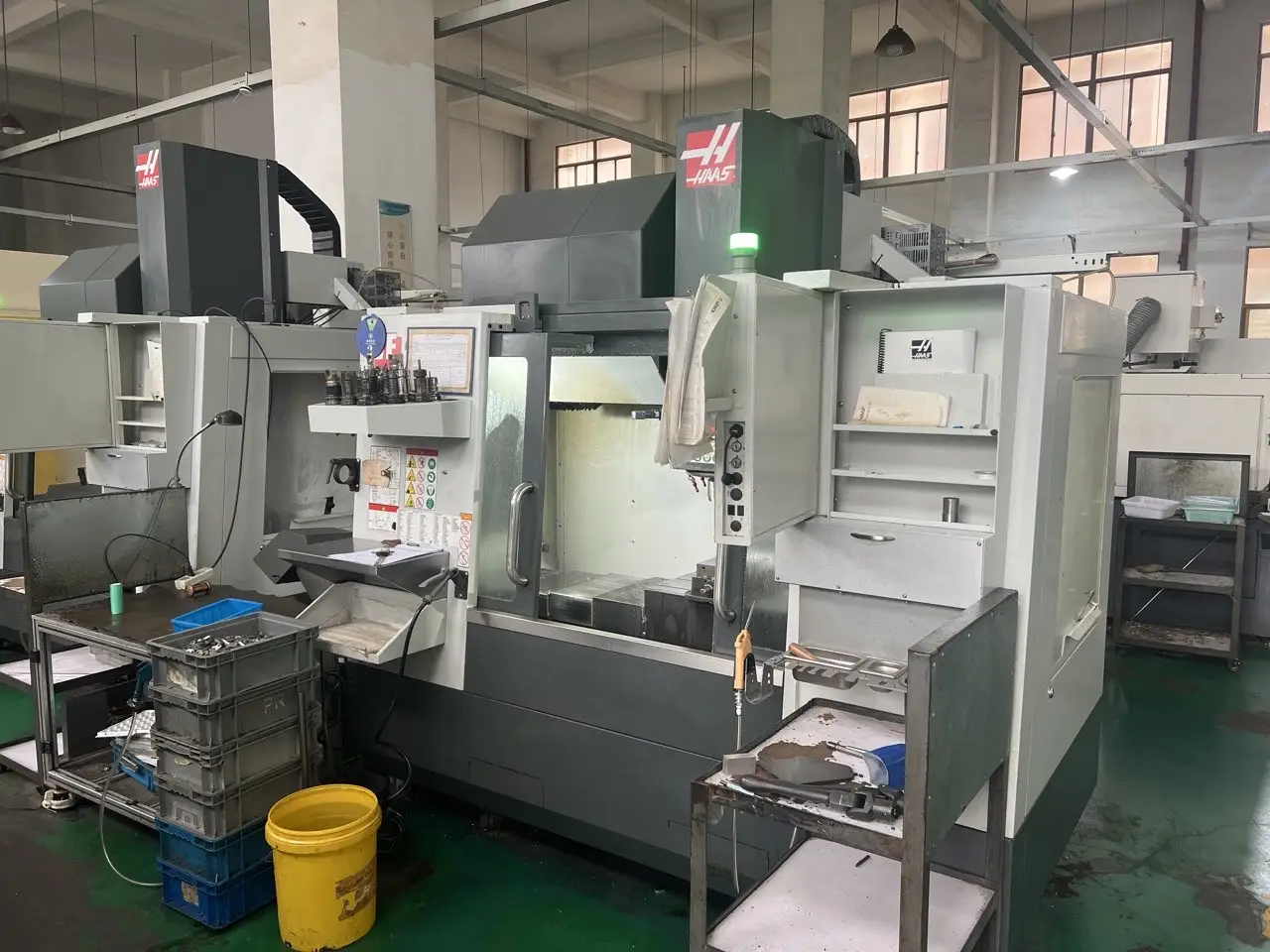
Modern manufacturing demands unprecedented levels of precision and efficiency, making high-speed cnc lathe machining an essential technology for industries ranging from aerospace to medical devices. This advanced manufacturing process combines the rotational cutting capabilities of traditional lathes with computer-controlled precision, delivering exceptional accuracy while significantly reducing production times. The integration of high-speed spindles and sophisticated control systems enables manufacturers to achieve tolerances previously thought impossible while maintaining consistent quality across large production runs.
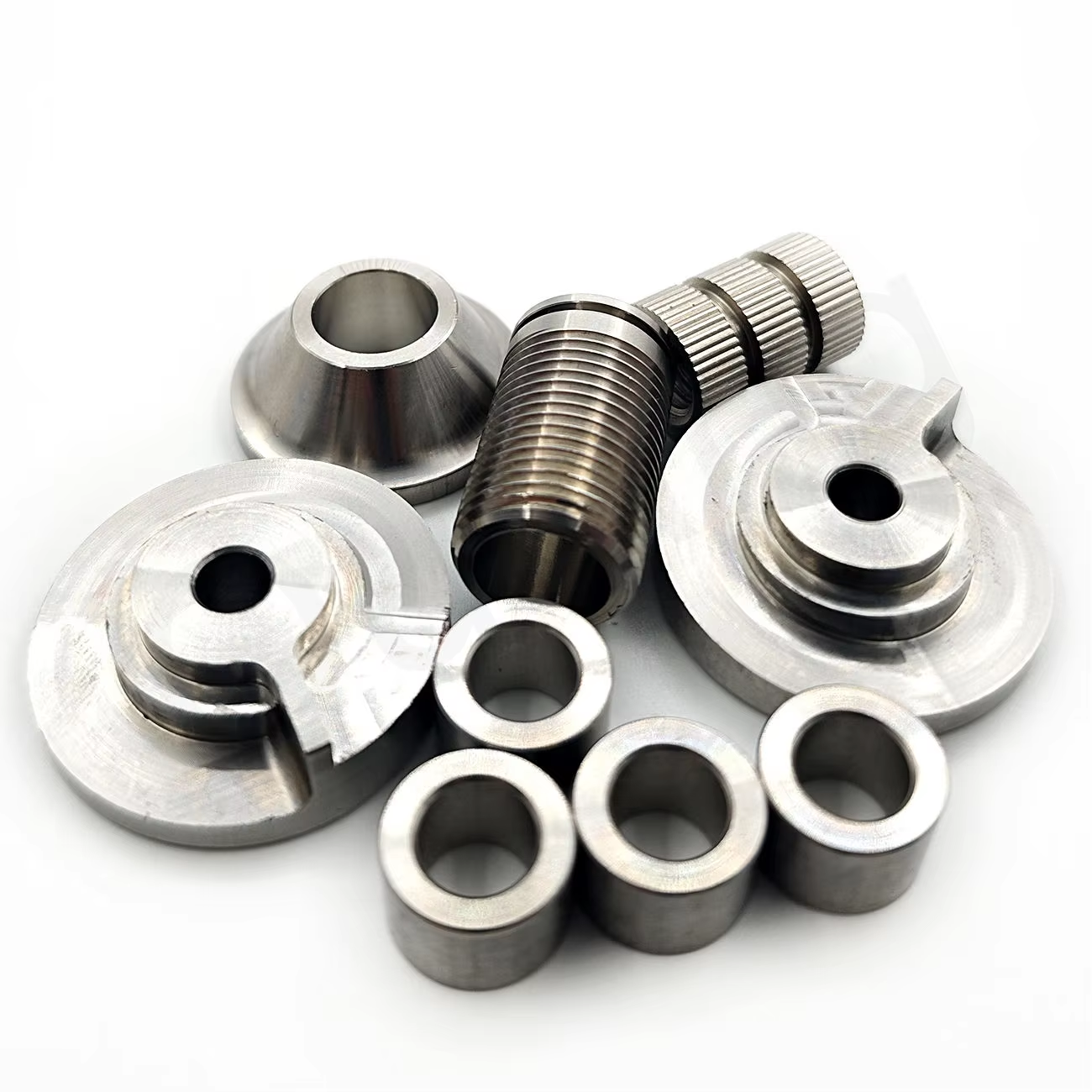
The evolution of machining technology has transformed how manufacturers approach precision component production. High-speed cnc lathe machining represents a significant leap forward from conventional turning operations, offering superior dimensional accuracy, surface finish quality, and production efficiency. This technology enables the creation of complex geometries with minimal setup time while maintaining the tight tolerances required for critical applications.
Enhanced Precision Through Advanced Control Systems
Real-Time Monitoring and Adjustment Capabilities
High-speed cnc lathe machining systems incorporate sophisticated feedback mechanisms that continuously monitor cutting conditions and part dimensions during production. These real-time monitoring systems detect minute variations in cutting forces, spindle temperature, and tool wear, automatically adjusting parameters to maintain optimal precision. The integration of laser measurement systems and touch probes enables immediate dimensional verification, ensuring each component meets specified tolerances before completion.
Advanced control algorithms process thousands of data points per second, making micro-adjustments to cutting parameters that human operators could never achieve manually. This continuous optimization process results in consistently superior precision across extended production runs, eliminating the dimensional drift commonly associated with conventional machining methods.
Thermal Stability and Compensation
Temperature fluctuations pose significant challenges to precision machining, as thermal expansion can cause dimensional variations that compromise part quality. Modern high-speed cnc lathe machining systems address this challenge through comprehensive thermal management and compensation strategies. Sophisticated temperature monitoring networks track thermal conditions throughout the machine structure, spindle, and cutting zone.
Real-time thermal compensation algorithms adjust tool positioning and cutting parameters to counteract the effects of temperature variations. This proactive approach maintains dimensional stability even during extended machining cycles or when processing materials that generate significant heat during cutting operations.
Superior Surface Finish Achievement
Optimized Cutting Parameters for Surface Quality
The precision advantages of high-speed cnc lathe machining extend beyond dimensional accuracy to include exceptional surface finish quality. High spindle speeds enable the use of smaller cutting increments and optimized feed rates that produce smoother surface textures. The ability to maintain consistent cutting conditions throughout the machining process eliminates the surface irregularities often created by manual parameter adjustments.
Advanced tool path optimization algorithms calculate the most efficient cutting sequences while prioritizing surface finish requirements. These intelligent systems consider material properties, cutting tool geometry, and desired surface roughness to automatically select optimal parameters for each machining operation.
Vibration Reduction and Stability Enhancement
Vibrations during machining operations can significantly impact surface finish quality and dimensional precision. High-speed cnc lathe machining systems incorporate active vibration damping technologies that detect and counteract unwanted oscillations in real-time. These systems use accelerometers and piezoelectric actuators to identify vibration patterns and apply corrective forces to maintain cutting stability.
The rigid construction of modern high-speed cnc lathes, combined with optimized spindle designs and advanced bearing systems, minimizes vibration generation at the source. This comprehensive approach to vibration control results in superior surface finishes that often eliminate the need for secondary finishing operations.
Increased Production Efficiency and Repeatability
Reduced Cycle Times Through Optimized Operations
High-speed cnc lathe machining dramatically reduces production cycle times through intelligent operation sequencing and rapid traverse capabilities. Modern systems can achieve cutting speeds and feed rates that were previously impossible while maintaining precision requirements. The ability to perform multiple operations in a single setup eliminates time-consuming part repositioning and reduces the cumulative effect of setup tolerances.
Automated tool changing systems and multi-turret configurations enable seamless transitions between different machining operations without manual intervention. These capabilities allow high-speed cnc lathe machining to achieve productivity levels that significantly exceed conventional turning methods while maintaining superior precision standards.
Consistent Quality Across Production Runs
The repeatability advantages of high-speed cnc lathe machining stem from the elimination of human variability in the machining process. Once optimal parameters are established and programmed, the system can reproduce identical results across thousands of parts without degradation in quality or precision. This consistency is particularly valuable for industries requiring statistical process control and documented quality assurance.
Automated quality monitoring systems track dimensional variations and surface finish characteristics throughout production runs, providing immediate alerts when parameters drift outside acceptable ranges. This proactive approach to quality control ensures that precision standards are maintained while minimizing scrap and rework costs.
Material Versatility and Application Range
Advanced Capabilities for Difficult Materials
High-speed cnc lathe machining excels in processing challenging materials that pose difficulties for conventional turning operations. The precise control over cutting parameters enables effective machining of hardened steels, exotic alloys, and composite materials while maintaining dimensional accuracy. Advanced cooling systems and optimized cutting strategies prevent material degradation and ensure consistent results across diverse material types.
The ability to adjust cutting parameters dynamically allows high-speed cnc lathe machining systems to adapt to varying material properties within a single workpiece. This flexibility is particularly valuable when processing materials with inconsistent hardness or when creating components that combine different material zones.
Complex Geometry Production Capabilities
Modern high-speed cnc lathe machining systems can produce increasingly complex geometries while maintaining precision standards. Multi-axis capabilities and live tooling options enable the creation of features that traditionally required multiple setups or secondary operations. The integration of milling capabilities with turning operations allows for the production of complex parts in a single machining cycle.
Advanced CAM software optimizes tool paths for complex geometries, ensuring that precision is maintained even in challenging areas such as deep bores, intricate contours, and intersecting features. This capability significantly expands the range of applications where high-speed cnc lathe machining can provide precision advantages over alternative manufacturing methods.
Quality Assurance and Process Control
Integrated Measurement and Verification Systems
High-speed cnc lathe machining systems incorporate comprehensive measurement and verification capabilities that ensure precision requirements are met throughout the production process. In-process measurement systems verify dimensions and surface characteristics without removing parts from the machine, eliminating errors associated with part handling and repositioning.
Statistical process control integration allows high-speed cnc lathe machining systems to track quality trends and predict when maintenance or adjustment may be required. This predictive approach to quality management helps maintain consistent precision while minimizing production disruptions.
Traceability and Documentation Features
Modern high-speed cnc lathe machining systems provide comprehensive documentation and traceability features that support quality assurance requirements in regulated industries. Detailed logs of cutting parameters, tool usage, and measurement results create a complete record of each component’s production history.
Automated reporting systems generate quality certificates and process documentation that demonstrate compliance with precision requirements. This documentation capability is particularly valuable for aerospace, medical, and automotive applications where traceability is essential for regulatory compliance.
Cost Effectiveness and Return on Investment
Reduced Labor Requirements and Human Error
The automation inherent in high-speed cnc lathe machining significantly reduces labor requirements while improving precision consistency. Skilled machinists can focus on programming, setup, and quality oversight rather than manual cutting operations, increasing overall productivity and reducing the risk of human error. The ability to operate unmanned during extended production runs further enhances cost effectiveness.
Training requirements for high-speed cnc lathe machining operators focus on programming and system management rather than manual machining skills, making it easier to maintain consistent precision across different operators and shifts. This standardization of operations contributes to improved quality and reduced variability in precision outcomes.
Tool Life Optimization and Maintenance Efficiency
Advanced tool management systems in high-speed cnc lathe machining optimize cutting tool performance and extend tool life through intelligent monitoring and replacement scheduling. Predictive maintenance algorithms analyze cutting forces, vibration patterns, and surface finish data to determine optimal tool replacement intervals, minimizing both tool costs and quality risks.
The precision control capabilities of high-speed cnc lathe machining systems reduce tool wear through optimized cutting conditions and consistent cutting environments. This improved tool utilization contributes to lower per-part costs while maintaining the precision advantages that make the technology valuable for critical applications.
FAQ
What tolerances can be achieved with high-speed cnc lathe machining?
High-speed cnc lathe machining can consistently achieve tolerances of ±0.0001 inches (±0.0025 mm) on diameter and ±0.0005 inches (±0.013 mm) on length measurements under optimal conditions. The actual achievable tolerance depends on factors such as part geometry, material properties, machine condition, and environmental controls. Advanced systems with thermal compensation and real-time monitoring can maintain these tight tolerances across extended production runs.
How does cutting speed affect precision in high-speed cnc lathe machining?
Optimal cutting speeds in high-speed cnc lathe machining improve precision by reducing cutting forces and minimizing workpiece deflection. Higher speeds enable smaller chip loads and smoother cutting action, resulting in better surface finishes and reduced tool chatter. However, excessive speeds can generate heat and cause thermal expansion, so advanced systems automatically optimize speed parameters based on material properties and cooling capabilities to maintain maximum precision.
What maintenance is required to maintain precision in high-speed cnc lathe machining systems?
Maintaining precision in high-speed cnc lathe machining requires regular calibration of measurement systems, spindle alignment checks, and verification of thermal compensation accuracy. Preventive maintenance schedules typically include bearing lubrication, way oil system maintenance, and cutting tool inspection. Most modern systems provide automated maintenance reminders and diagnostic capabilities that help identify potential precision issues before they affect part quality.
Can high-speed cnc lathe machining handle both prototype and production quantities while maintaining precision?
Yes, high-speed cnc lathe machining excels in both prototype and production applications due to its rapid setup capabilities and consistent precision performance. For prototypes, the technology enables quick program development and immediate precision verification. In production quantities, the automated operation and real-time monitoring ensure that the same precision standards are maintained across thousands of parts without degradation in quality or dimensional accuracy.