
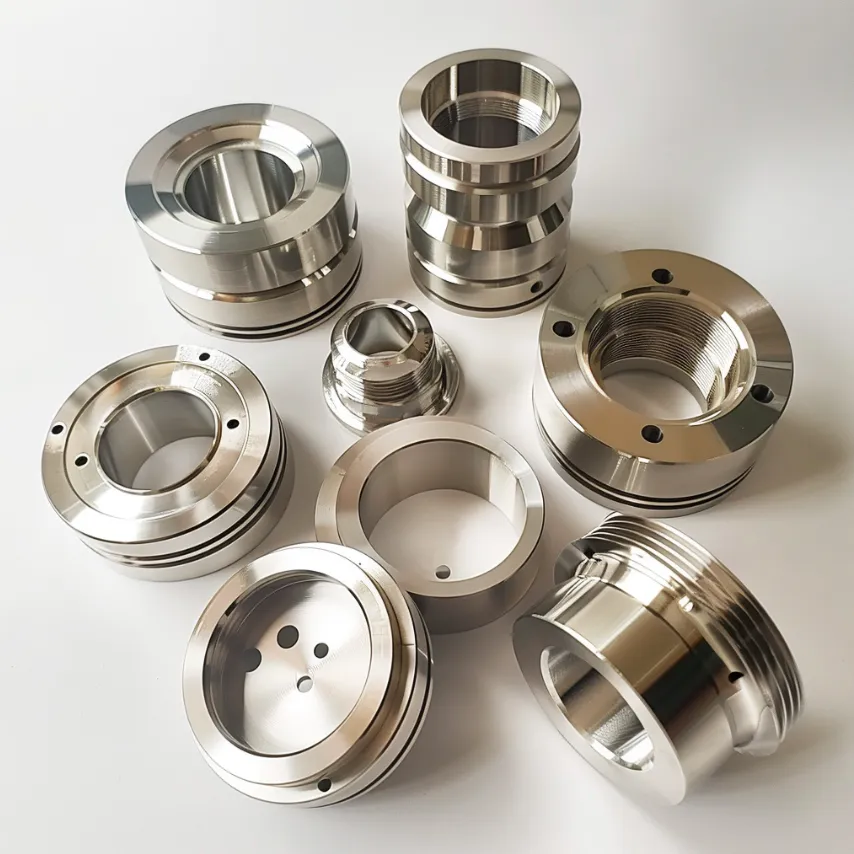
In today’s competitive manufacturing landscape, the process of sourcing parts for cnc operations has become increasingly complex and critical to business success. Manufacturing companies across industries are discovering that the quality of their CNC components directly impacts production efficiency, product reliability, and overall profitability. The decision to work with certified factories rather than unverified suppliers can mean the difference between seamless operations and costly production delays that ripple throughout the entire supply chain.
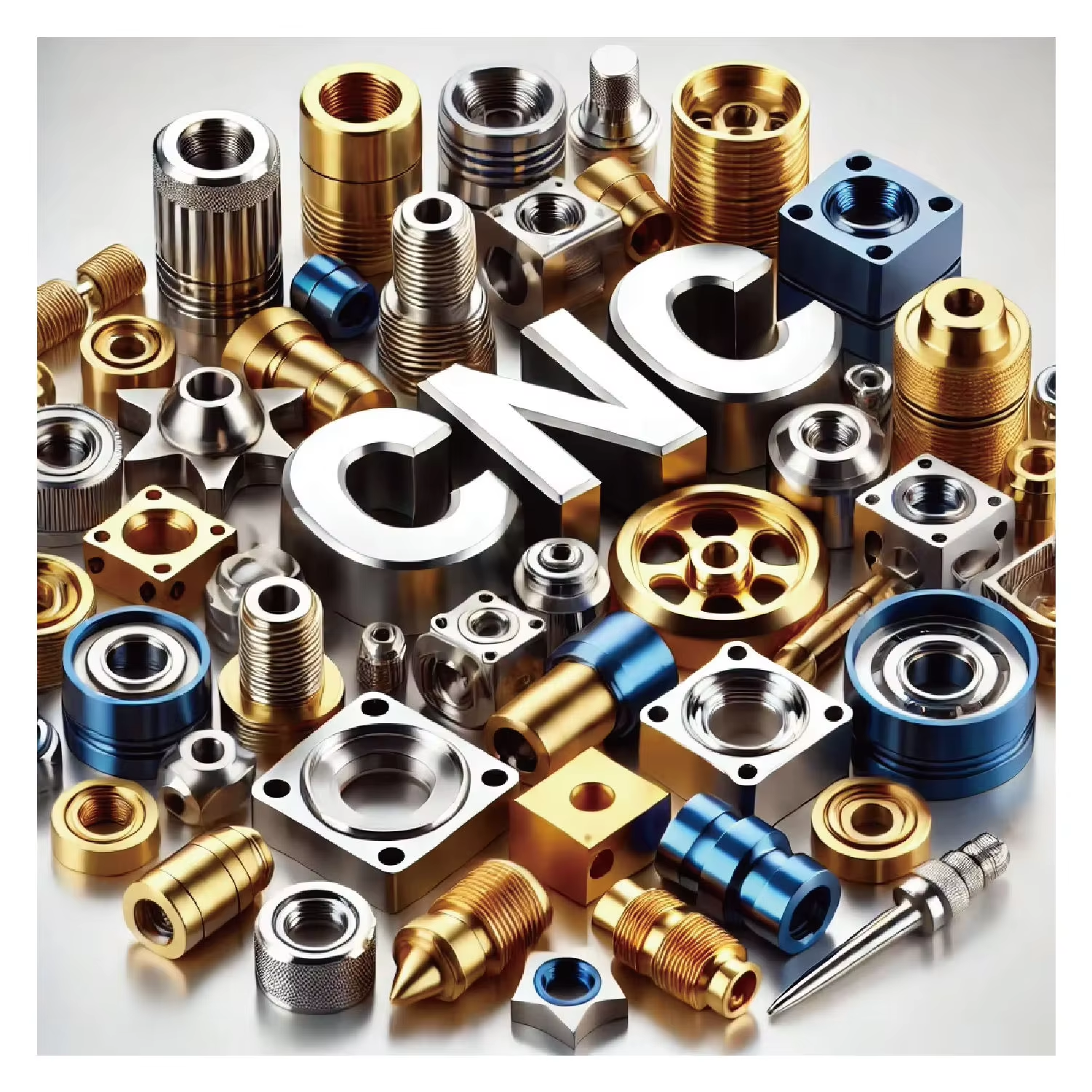
The manufacturing sector has witnessed unprecedented growth in precision requirements and quality standards over the past decade. Companies that prioritize sourcing parts for cnc from established, certified manufacturers position themselves for long-term success and reduced operational risks. This strategic approach to component procurement has proven essential for maintaining competitive advantages in an increasingly demanding marketplace where precision and reliability are non-negotiable.
Understanding Certification Standards in CNC Manufacturing
International Quality Management Systems
Certified factories operating in the CNC manufacturing space typically adhere to internationally recognized quality management systems such as ISO 9001, AS9100 for aerospace applications, and ISO/TS 16949 for automotive components. These certifications represent comprehensive frameworks that govern every aspect of the manufacturing process, from initial design review through final product delivery. When sourcing parts for cnc applications, working with factories that maintain these certifications ensures that established quality protocols are consistently followed throughout production cycles.
The implementation of these quality management systems requires significant investment in training, equipment, and process documentation. Certified factories must undergo regular audits by independent third-party organizations to maintain their certification status. This ongoing oversight creates a culture of continuous improvement and accountability that directly benefits customers who rely on consistent part quality. The rigorous documentation requirements inherent in these systems also provide valuable traceability, enabling rapid identification and resolution of any quality issues that may arise.
Industry-Specific Compliance Requirements
Different industries impose unique compliance requirements that extend beyond general quality management certifications. Medical device manufacturers must work with suppliers who understand FDA regulations and ISO 13485 requirements, while aerospace companies require partners familiar with AS9100 standards and ITAR compliance protocols. The process of sourcing parts for cnc applications in these regulated industries demands suppliers who not only understand technical specifications but also maintain detailed documentation and process controls that satisfy regulatory authorities.
Certified factories specializing in regulated industries invest heavily in specialized training and equipment to meet these stringent requirements. They maintain dedicated quality assurance teams who understand the nuances of different regulatory frameworks and ensure that all manufacturing processes align with applicable standards. This expertise proves invaluable when navigating complex compliance landscapes and avoiding costly regulatory issues that can disrupt supply chains and damage brand reputation.
Quality Assurance and Process Control Advantages
Advanced Inspection and Testing Capabilities
Certified CNC manufacturing facilities typically maintain sophisticated inspection and testing capabilities that far exceed those found in uncertified operations. These facilities invest in coordinate measuring machines, optical comparators, surface roughness testers, and other precision measurement equipment that ensures every component meets specified tolerances. When sourcing parts for cnc applications, access to these advanced inspection capabilities provides confidence that dimensional accuracy and surface finish requirements will be consistently achieved across production runs.
The measurement data generated by these advanced inspection systems creates valuable documentation that supports quality verification and process improvement initiatives. Certified factories often provide detailed inspection reports with statistical process control data that demonstrates capability and consistency over time. This level of documentation proves essential for customers who must validate supplier performance and demonstrate quality compliance to their own customers or regulatory authorities.
Statistical Process Control Implementation
Certified manufacturing facilities implement comprehensive statistical process control systems that monitor key process parameters in real-time. These systems enable early detection of process variations before they result in nonconforming parts, reducing waste and ensuring consistent quality output. The data collected through these monitoring systems also supports predictive maintenance programs that minimize unexpected equipment downtime and maintain production schedules. Companies focused on sourcing parts for cnc applications benefit significantly from suppliers who proactively manage process stability through statistical methods.
The implementation of statistical process control requires substantial investment in data collection systems, analysis software, and operator training. Certified factories typically employ quality engineers who specialize in statistical analysis and process optimization, bringing expertise that smaller uncertified suppliers often cannot provide. This specialized knowledge enables continuous improvement initiatives that drive cost reduction and quality enhancement over time, creating value for both the supplier and their customers.
Supply Chain Reliability and Risk Management
Supplier Qualification and Auditing Programs
Certified CNC manufacturing facilities typically maintain comprehensive supplier qualification and auditing programs that extend quality assurance throughout their supply chains. These programs ensure that raw materials, tooling, and secondary services meet established quality standards before they are incorporated into the manufacturing process. When sourcing parts for cnc operations, working with certified suppliers provides additional assurance that every element of the supply chain contributes to final product quality.
The supplier auditing process conducted by certified facilities often mirrors the requirements they must meet for their own certifications. This creates a network of qualified suppliers who understand and implement similar quality management practices. The resulting supply chain stability reduces the risk of quality issues and delivery delays that can disrupt production schedules and impact customer satisfaction.
Business Continuity Planning
Certified manufacturing facilities typically maintain comprehensive business continuity plans that address potential disruptions to production operations. These plans include backup supplier arrangements, alternative production capabilities, and emergency response procedures that minimize the impact of unexpected events. Companies engaged in sourcing parts for cnc applications benefit from working with suppliers who have invested in business continuity planning and can maintain delivery schedules even during challenging circumstances.
The development and maintenance of effective business continuity plans requires ongoing investment in risk assessment, contingency planning, and supplier relationship management. Certified factories often maintain strategic inventory levels, backup equipment arrangements, and alternative sourcing options that enable rapid response to supply chain disruptions. This level of preparation provides customers with confidence that their production schedules will be protected even during unforeseen circumstances.
Technology Integration and Innovation Capabilities
Advanced Manufacturing Technologies
Certified CNC manufacturing facilities typically invest in the latest machining technologies, including multi-axis machining centers, automated tool changing systems, and integrated quality inspection equipment. These technological investments enable the production of complex geometries with tight tolerances while maintaining high productivity levels. When sourcing parts for cnc applications, access to advanced manufacturing technologies ensures that even the most challenging component designs can be produced efficiently and cost-effectively.
The integration of advanced technologies also enables certified facilities to offer value-added services such as design optimization, manufacturability analysis, and cost reduction recommendations. These capabilities prove particularly valuable during new product development phases when design modifications can significantly impact manufacturing costs and lead times. The technical expertise available at certified facilities often extends beyond basic machining operations to include engineering support that enhances overall project success.
Digital Manufacturing and Industry 4.0 Implementation
Leading certified manufacturing facilities are implementing Industry 4.0 technologies that integrate digital systems throughout their operations. These implementations include real-time production monitoring, predictive maintenance systems, and automated quality data collection that enhance operational efficiency and quality consistency. Companies focused on sourcing parts for cnc applications increasingly value suppliers who can provide real-time visibility into production status and quality metrics through digital interfaces.
The adoption of digital manufacturing technologies requires significant investment in software systems, sensor networks, and data analytics capabilities. Certified facilities that successfully implement these technologies can offer customers enhanced transparency, improved delivery predictability, and reduced total cost of ownership through optimized production processes. The data generated by these systems also supports continuous improvement initiatives that drive long-term value creation for both suppliers and customers.
Cost Considerations and Total Value Analysis
Hidden Costs of Working with Uncertified Suppliers
While uncertified suppliers may initially appear to offer lower piece prices, the total cost of ownership often proves significantly higher due to quality issues, delivery delays, and increased inspection requirements. Companies engaged in sourcing parts for cnc applications frequently discover that the apparent cost savings from working with uncertified suppliers are quickly eroded by increased quality control expenses, rework costs, and production disruptions caused by nonconforming parts.
The hidden costs associated with uncertified suppliers often extend beyond direct manufacturing expenses to include increased inventory carrying costs, expedited shipping charges, and opportunity costs associated with production delays. These indirect costs can be difficult to quantify but often represent substantial expenses that significantly impact overall project profitability. The risk of major quality failures that result in product recalls or warranty claims presents additional financial exposure that must be considered when evaluating supplier options.
Long-term Partnership Value
Certified manufacturing facilities typically focus on developing long-term partnerships with their customers rather than pursuing short-term transactional relationships. These partnerships often result in volume-based pricing improvements, priority scheduling arrangements, and collaborative cost reduction initiatives that provide ongoing value over time. When sourcing parts for cnc applications, the stability and predictability offered by certified suppliers enables more effective production planning and inventory management.
The partnership approach adopted by certified facilities often includes sharing of technical expertise, market intelligence, and innovation capabilities that extend beyond basic manufacturing services. These value-added contributions can significantly impact product development cycles, time-to-market objectives, and overall competitive positioning. The long-term relationships developed with certified suppliers also provide stability during market fluctuations and economic uncertainty.
FAQ
What specific certifications should I look for when sourcing parts for cnc manufacturing
The most important certifications to consider include ISO 9001 for general quality management, AS9100 for aerospace applications, ISO/TS 16949 for automotive components, and ISO 13485 for medical devices. Additionally, look for industry-specific certifications such as NADCAP for aerospace and defense applications, or FDA registration for medical device manufacturing. These certifications demonstrate that the supplier has implemented comprehensive quality management systems and undergoes regular third-party auditing to maintain their certification status.
How can I verify that a CNC manufacturing facility is truly certified
Always request to see current certification certificates and verify their authenticity by checking with the issuing certification body. Most certification organizations maintain online databases where you can confirm the current status of a facility’s certifications. Additionally, consider conducting on-site audits to personally verify that the quality management systems described in their certifications are actually implemented and functioning effectively throughout their operations.
What are the typical lead time differences between certified and uncertified CNC suppliers
While certified suppliers may initially quote slightly longer lead times due to their comprehensive quality control processes, they typically deliver more consistently to promised schedules. Uncertified suppliers often provide optimistic lead time estimates but frequently experience delays due to quality issues, equipment problems, or supply chain disruptions. The predictability offered by certified suppliers enables more effective production planning and reduces the need for safety stock or expedited shipping.
How do certification requirements impact pricing for CNC machined parts
Certified suppliers typically charge premium pricing that reflects their investment in quality systems, advanced equipment, and specialized training. However, the total cost of ownership often proves lower due to reduced quality issues, fewer delivery delays, and elimination of incoming inspection requirements. When evaluating pricing, consider all costs associated with the sourcing parts for cnc process, including quality control expenses, potential rework costs, and the risk of production disruptions caused by nonconforming parts.