
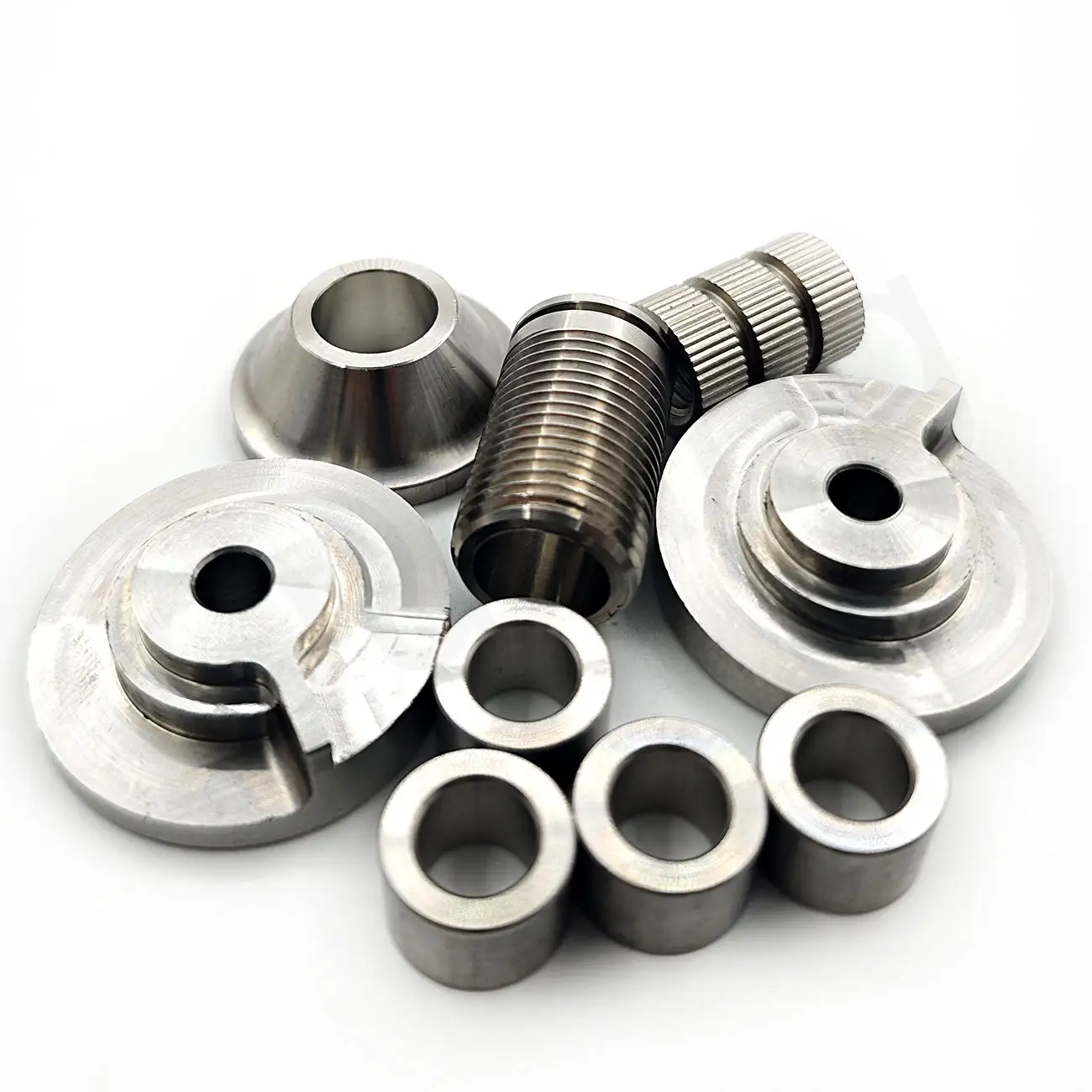
The automotive industry demands precision, reliability, and consistency in every component that goes into vehicle manufacturing. When automotive brands need specialized parts that meet exact specifications, they turn to custom cnc machining services that can deliver exceptional quality and dimensional accuracy. This manufacturing process has become the backbone of modern automotive production, enabling manufacturers to create complex geometries and tight tolerances that traditional manufacturing methods simply cannot achieve.
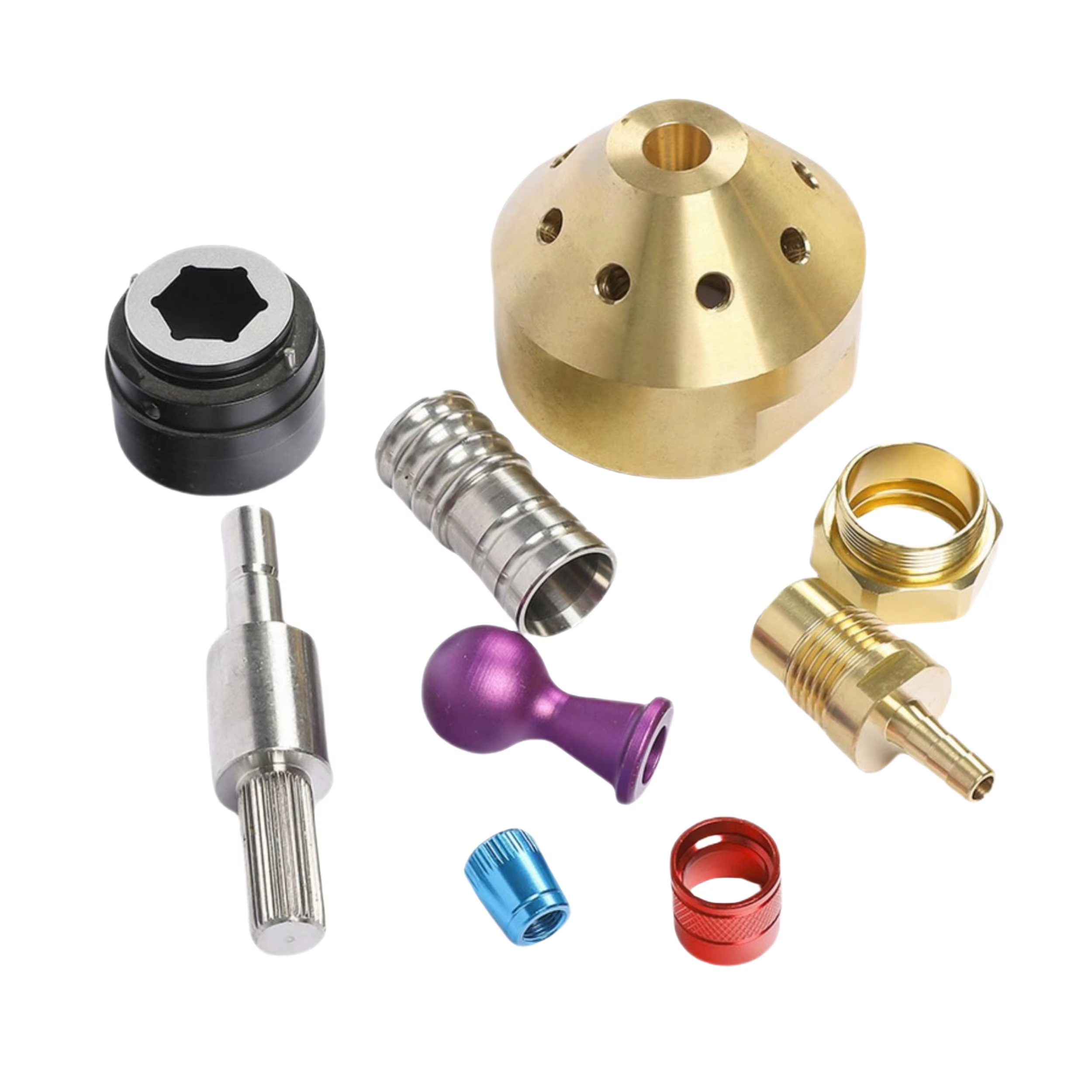
The relationship between automotive manufacturers and custom cnc machining providers is built on trust, technical expertise, and proven performance. Leading automotive brands understand that their reputation depends on the quality of every single component, from engine blocks to transmission housings, from brake components to suspension parts. This understanding drives them to partner with machining specialists who can consistently deliver parts that meet or exceed their stringent quality standards.
Precision Engineering for Automotive Excellence
Dimensional Accuracy Standards
Automotive applications require dimensional tolerances that often measure in micrometers, where even the smallest deviation can result in component failure or performance issues. Custom cnc machining operations utilize advanced measurement systems and quality control protocols to ensure that every part meets these exacting standards. The precision achieved through computer-controlled machining processes eliminates the variability that can occur with manual operations, providing automotive manufacturers with the consistency they need for mass production.
Modern cnc machines are equipped with sophisticated feedback systems that continuously monitor tool position, spindle speed, and cutting parameters. This real-time monitoring ensures that parts maintain their specified dimensions throughout the entire production run, regardless of material variations or environmental factors. The result is a level of repeatability that automotive manufacturers can depend on for their most critical applications.
Material Versatility and Performance
The automotive industry utilizes a diverse range of materials, from lightweight aluminum alloys to high-strength steel, from exotic titanium components to specialized plastics and composites. Custom cnc machining services must demonstrate expertise in working with all these materials, understanding their unique properties and machining characteristics. Each material requires specific cutting tools, speeds, feeds, and coolant strategies to achieve optimal results.
Experienced machining providers maintain extensive tooling inventories and develop specialized programs for different material types. This expertise allows them to optimize cycle times while maintaining surface finish requirements and dimensional accuracy. The ability to work with emerging automotive materials, such as carbon fiber composites and advanced high-strength steels, positions these machining partners as valuable resources for automotive innovation.
Advanced Technology Integration
Multi-Axis Machining Capabilities
Modern automotive components often feature complex geometries that require simultaneous machining from multiple angles. Five-axis and multi-axis cnc machines enable the production of these intricate parts in single setups, reducing handling time and improving accuracy. This capability is particularly important for components like turbocharger housings, intake manifolds, and cylinder heads that feature internal passages and complex external surfaces.
The integration of multi-axis technology in custom cnc machining operations allows automotive manufacturers to consolidate multiple operations into single machining cycles. This consolidation not only reduces production time but also eliminates the potential for errors that can occur when parts are transferred between different machines or setups. The result is improved quality and reduced manufacturing costs.
Automation and Industry 4.0 Implementation
Leading custom cnc machining providers are embracing Industry 4.0 technologies to enhance their automotive manufacturing capabilities. Automated loading systems, robotic part handling, and integrated quality inspection systems work together to create highly efficient production environments. These automated systems can operate continuously, providing automotive manufacturers with the production capacity they need to meet demanding delivery schedules.
Data collection and analysis systems provide real-time insights into machining performance, tool wear patterns, and quality trends. This information enables proactive maintenance scheduling and continuous process improvement, ensuring that automotive components are produced with maximum efficiency and minimum downtime. The predictive capabilities of these systems help prevent quality issues before they occur, maintaining the high standards that automotive applications require.
Quality Assurance and Certification
Automotive Industry Standards Compliance
Automotive manufacturers require their suppliers to maintain strict quality management systems that comply with industry standards such as ISO/TS 16949 and IATF 16949. Custom cnc machining providers that serve the automotive industry must demonstrate their commitment to these standards through comprehensive documentation, process control, and continuous improvement initiatives.
The certification processes required by automotive manufacturers are rigorous and comprehensive, covering everything from supplier qualification to ongoing performance monitoring. Machining providers must maintain detailed records of their processes, conduct regular internal audits, and participate in customer audits to maintain their approved supplier status. This level of oversight ensures that automotive components meet the highest quality standards throughout their production lifecycle.
Advanced Inspection and Testing Protocols
Quality assurance in automotive custom cnc machining goes beyond dimensional inspection to include material verification, surface finish analysis, and functional testing. Coordinate measuring machines, optical comparators, and surface roughness testers are standard equipment in automotive machining facilities. These instruments provide the measurement capabilities needed to verify that parts meet all specified requirements.
Statistical process control methods are employed to monitor machining processes and identify trends that could affect part quality. Control charts, capability studies, and process validation activities ensure that custom cnc machining operations remain stable and predictable. This systematic approach to quality management provides automotive manufacturers with the confidence they need to integrate machined components into their production lines.
Supply Chain Integration and Logistics
Just-in-Time Manufacturing Support
Automotive manufacturers operate on lean manufacturing principles that require precise timing and coordination throughout their supply chains. Custom cnc machining providers must be able to support just-in-time delivery requirements while maintaining buffer stocks for unexpected demand changes. This requires sophisticated planning systems and flexible production capabilities that can respond quickly to changing requirements.
The integration of custom cnc machining operations with automotive production schedules requires real-time communication and coordination. Electronic data interchange systems, supplier portals, and automated scheduling tools enable seamless information flow between machining providers and their automotive customers. This connectivity ensures that production plans are synchronized and that potential issues are identified and resolved before they impact delivery schedules.
Global Manufacturing Network Capabilities
Modern automotive manufacturers operate global production networks that require machining support in multiple locations worldwide. Custom cnc machining providers that serve the automotive industry must be able to provide consistent quality and service regardless of geographic location. This often requires establishing manufacturing facilities in key automotive regions or developing partnerships with qualified local suppliers.
The challenges of managing global custom cnc machining networks include maintaining consistent quality standards, coordinating technical support, and managing logistics across multiple time zones. Successful providers invest in standardized processes, common quality systems, and integrated communication platforms that enable seamless coordination between facilities. This global capability is essential for automotive manufacturers that need reliable machining support for their worldwide operations.
Innovation and Future Technology Trends
Additive Manufacturing Integration
The integration of additive manufacturing technologies with traditional custom cnc machining is creating new possibilities for automotive component production. Hybrid manufacturing approaches combine the speed and design freedom of 3D printing with the precision and surface finish capabilities of cnc machining. This combination enables the production of components with internal features that would be impossible to machine using traditional methods.
Automotive manufacturers are exploring the use of hybrid manufacturing for prototype development, low-volume production, and customized components. Custom cnc machining providers that invest in additive manufacturing capabilities position themselves to support these emerging applications and provide automotive customers with expanded design possibilities. The combination of these technologies represents a significant opportunity for innovation in automotive manufacturing.
Artificial Intelligence and Machine Learning Applications
Artificial intelligence and machine learning technologies are being integrated into custom cnc machining operations to optimize cutting parameters, predict tool life, and identify quality issues before they occur. These systems analyze vast amounts of machining data to identify patterns and relationships that human operators might miss. The insights generated by these systems enable continuous improvement in machining efficiency and part quality.
The application of artificial intelligence in custom cnc machining is particularly valuable for automotive applications where consistency and reliability are paramount. Machine learning algorithms can adapt machining parameters in real-time based on material variations, tool condition, and environmental factors. This adaptive capability ensures that automotive components maintain their specified quality characteristics throughout extended production runs.
Cost Optimization and Value Engineering
Design for Manufacturability Collaboration
Experienced custom cnc machining providers work closely with automotive engineers during the design phase to optimize components for manufacturing efficiency. This collaboration, known as design for manufacturability, can significantly reduce production costs while maintaining or improving part performance. Machining experts provide input on material selection, feature design, and tolerance specifications that can streamline production processes.
The value of design for manufacturability collaboration extends beyond initial cost savings to include improved quality, reduced lead times, and enhanced producibility. Custom cnc machining providers that participate in these early design discussions become valuable partners in the automotive product development process. Their manufacturing expertise helps ensure that new components can be produced efficiently and cost-effectively at full production volumes.
Continuous Improvement Initiatives
Leading custom cnc machining providers implement continuous improvement programs that focus on reducing waste, improving efficiency, and enhancing quality. These programs often involve cross-functional teams that include machining technicians, quality engineers, and customer representatives. The collaborative approach ensures that improvement initiatives address real customer needs and provide measurable benefits.
Kaizen events, value stream mapping, and statistical analysis are common tools used in continuous improvement initiatives. These methodologies help identify opportunities for cost reduction and quality enhancement in custom cnc machining operations. The systematic approach to improvement ensures that gains are sustained over time and that lessons learned are applied to similar processes and applications.
FAQ
What makes custom cnc machining ideal for automotive applications?
Custom cnc machining is ideal for automotive applications because it provides the precision, repeatability, and material versatility that modern vehicles require. The computer-controlled nature of cnc machining ensures consistent dimensional accuracy across large production runs, while the ability to work with diverse materials from aluminum to titanium meets the varied needs of automotive components. Additionally, custom cnc machining can produce complex geometries and tight tolerances that are essential for critical automotive systems like engines, transmissions, and safety components.
How do automotive manufacturers ensure quality when working with custom cnc machining providers?
Automotive manufacturers ensure quality through rigorous supplier qualification processes, ongoing audits, and comprehensive quality management systems. Suppliers must demonstrate compliance with automotive industry standards such as IATF 16949 and maintain detailed process documentation. Regular inspections, statistical process control, and continuous monitoring of key performance indicators help maintain quality standards throughout the production relationship. Many automotive manufacturers also require suppliers to participate in continuous improvement programs and implement advanced quality control technologies.
What role does technology play in modern custom cnc machining for automotive applications?
Technology plays a crucial role in modern custom cnc machining for automotive applications through advanced machine capabilities, automation systems, and quality control equipment. Multi-axis machining centers enable the production of complex components in single setups, while automated systems improve consistency and reduce human error. Real-time monitoring systems track machining parameters and quality metrics, enabling predictive maintenance and process optimization. Integration with Industry 4.0 technologies provides data-driven insights that support continuous improvement and enhanced customer service.
How do custom cnc machining providers support automotive manufacturers’ global operations?
Custom cnc machining providers support global automotive operations through distributed manufacturing networks, standardized processes, and integrated communication systems. Many providers establish facilities in key automotive regions or develop partnerships with qualified local suppliers to provide consistent service worldwide. Standardized quality systems, common processes, and shared technical resources ensure that parts produced at different locations meet the same exacting standards. Advanced planning and logistics systems coordinate production activities across multiple facilities to support just-in-time delivery requirements and manage global supply chain complexities.