
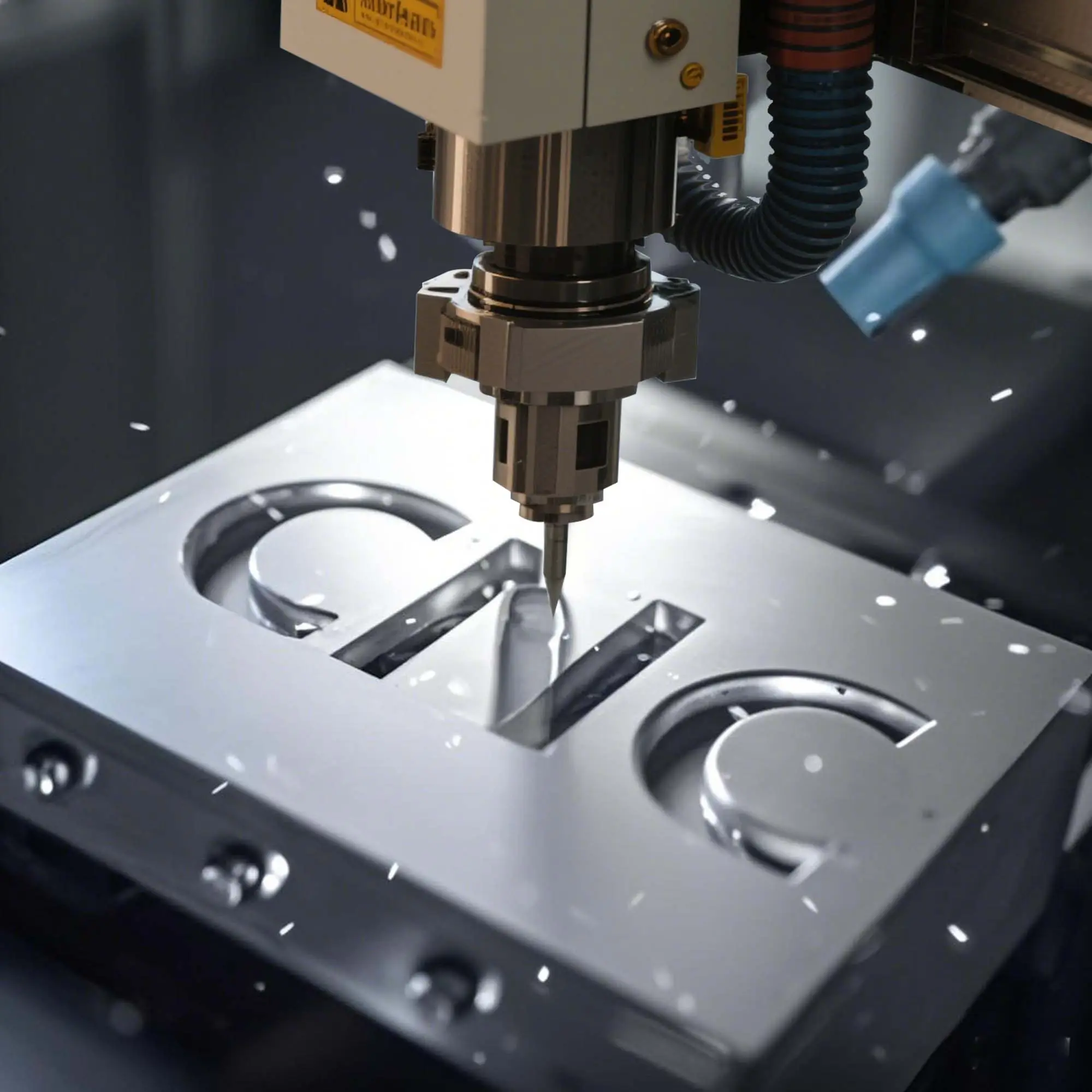
Manufacturing industries today demand precision components with increasingly complex geometries that traditional machining methods struggle to produce efficiently. The evolution from conventional 3-axis systems to advanced multi-axis cnc machining has revolutionized how manufacturers approach intricate part production. This technological advancement enables the creation of sophisticated components in fewer setups while maintaining exceptional accuracy and surface finish quality. The superior capabilities of multi-axis cnc machining systems have made them indispensable for industries requiring high-precision parts with complex three-dimensional features.
Understanding Multi-Axis CNC Machining Technology
Core Principles of Multi-Axis Systems
Multi-axis cnc machining systems operate on the fundamental principle of simultaneous movement across multiple axes, typically ranging from four to nine axes depending on the application requirements. Unlike traditional three-axis machines that move only along X, Y, and Z coordinates, these advanced systems incorporate rotational axes that allow the cutting tool to approach the workpiece from virtually any angle. The additional degrees of freedom enable manufacturers to machine complex geometries that would otherwise require multiple setups or prove impossible to achieve with conventional methods.
The sophisticated control systems governing multi-axis cnc machining coordinate all movements simultaneously, ensuring smooth tool paths and optimal cutting conditions throughout the machining process. Advanced interpolation algorithms calculate the precise positioning of each axis in real-time, maintaining consistent chip loads and surface speeds even when machining complex three-dimensional surfaces. This level of coordination results in superior surface finishes and dimensional accuracy compared to traditional sequential machining approaches.
Types of Multi-Axis Configurations
Five-axis machining represents the most common multi-axis cnc machining configuration, featuring three linear axes plus two rotational axes that provide complete access to all surfaces of a workpiece except the clamping area. This configuration excels in producing complex aerospace components, medical devices, and automotive parts with intricate geometries. The ability to maintain optimal tool angles throughout the machining process significantly reduces cycle times while improving surface quality and tool life.
Six-axis and higher configurations extend the capabilities further by adding additional rotational axes or incorporating specialized features like live tooling and sub-spindles. These advanced multi-axis cnc machining systems can perform complete part manufacturing in a single setup, including turning operations, drilling, milling, and complex contouring. The integration of multiple machining processes reduces handling time, eliminates setup errors, and ensures superior geometric accuracy across all part features.
Advantages for Complex Geometry Manufacturing
Single Setup Efficiency
The most significant advantage of multi-axis cnc machining for complex geometries lies in the ability to complete intricate parts in a single setup, eliminating the need for multiple fixtures and repositioning operations. This capability dramatically reduces manufacturing lead times while improving dimensional accuracy by maintaining consistent datum references throughout the entire machining process. Complex aerospace components that previously required five or six separate setups can now be completed in one operation, reducing both labor costs and the potential for cumulative tolerance stack-up.
Single-setup manufacturing through multi-axis cnc machining also eliminates the risk of positioning errors that commonly occur when transferring parts between different machines or fixtures. Each repositioning operation introduces potential sources of variation that can compromise the final part quality, particularly when dealing with tight tolerance requirements. By maintaining the workpiece in a single fixture throughout the entire manufacturing process, multi-axis systems ensure consistent accuracy and repeatability across production runs.
Superior Surface Quality Achievement
Multi-axis cnc machining systems excel at producing superior surface finishes on complex geometries through optimized tool orientation and cutting parameters. The ability to maintain optimal rake and clearance angles throughout the machining process results in improved chip evacuation and reduced cutting forces, leading to better surface quality and extended tool life. This capability proves particularly valuable when machining difficult materials like titanium alloys, hardened steels, and exotic superalloys commonly used in aerospace and medical applications.
The continuous tool path capabilities of multi-axis cnc machining eliminate the tool marks and surface discontinuities that typically result from conventional machining approaches. Smooth, flowing tool paths reduce vibration and chatter while maintaining consistent surface speeds across complex three-dimensional contours. This results in uniform surface textures that often eliminate the need for secondary finishing operations, reducing overall manufacturing costs and lead times.
Technical Capabilities and Applications
Complex Contour Machining
Multi-axis cnc machining systems demonstrate exceptional capability when producing parts with complex three-dimensional contours, such as turbine blades, impellers, and sculptured surfaces found in automotive body panels. The simultaneous coordination of multiple axes enables the cutting tool to follow smooth, continuous paths along curved surfaces while maintaining optimal cutting conditions. This capability eliminates the faceted surfaces and tool marks that result from linear interpolation methods used in conventional three-axis machining.
Advanced CAM software packages optimize tool paths for multi-axis cnc machining by analyzing surface geometry and generating efficient cutting strategies that minimize cycle time while maximizing surface quality. These sophisticated algorithms consider factors such as tool deflection, machine dynamics, and material properties to generate optimal feed rates and cutting parameters for each segment of the tool path. The result is consistent, high-quality surfaces that meet stringent dimensional and surface finish requirements.
Undercut and Internal Feature Access
The rotational capabilities inherent in multi-axis cnc machining systems provide unprecedented access to undercuts, internal cavities, and complex internal geometries that prove impossible to machine with conventional methods. Deep cavities with varying wall angles, internal cooling passages, and complex port geometries can be machined directly without the need for specialized fixtures or secondary operations. This capability proves particularly valuable in aerospace applications where internal cooling passages and weight reduction features are critical design requirements.
Intricate internal features benefit significantly from the precise tool control offered by multi-axis cnc machining systems, which can maintain consistent wall thicknesses and surface finishes throughout complex internal geometries. The ability to approach features from optimal angles reduces cutting forces and improves tool life while ensuring dimensional accuracy even in hard-to-reach areas. This level of control enables the production of parts that would otherwise require costly and time-consuming fabrication techniques such as casting or forging followed by extensive machining operations.
Material Considerations and Optimization
Advanced Material Compatibility
Multi-axis cnc machining systems excel when working with challenging materials that require specific cutting approaches for optimal results. Titanium alloys, commonly used in aerospace applications, benefit from the ability to maintain optimal cutting angles throughout complex geometries, reducing the work hardening and tool wear typically associated with these materials. The continuous cutting action possible with multi-axis systems prevents the dwell time that can cause work hardening in temperature-sensitive materials.
Hardened tool steels and exotic superalloys also respond favorably to multi-axis cnc machining techniques, as the ability to maintain consistent chip loads and cutting speeds throughout complex contours prevents the thermal cycling that can cause premature tool failure. The smooth tool paths generated by sophisticated CAM systems minimize the acceleration and deceleration cycles that create thermal stress in cutting tools, resulting in extended tool life and improved surface quality even when machining extremely difficult materials.
Cutting Parameter Optimization
The sophisticated control systems governing multi-axis cnc machining enable dynamic optimization of cutting parameters throughout the machining process, automatically adjusting feed rates, spindle speeds, and cutting depths based on local geometry conditions. This adaptive control capability ensures optimal material removal rates while maintaining surface quality and tool life, particularly important when machining parts with varying wall thicknesses or geometric complexity. Advanced systems can even compensate for tool deflection and machine compliance in real-time, maintaining dimensional accuracy throughout the cutting process.
Chip evacuation strategies also benefit from the enhanced accessibility provided by multi-axis cnc machining systems, as cutting tools can be oriented to promote optimal chip flow away from sensitive surfaces and tight clearances. Proper chip management becomes critical when machining complex internal geometries where chip accumulation can cause surface damage or dimensional inaccuracies. The ability to approach features from multiple angles allows operators to select tool orientations that promote effective chip evacuation while maintaining optimal cutting conditions.
Industry Applications and Case Studies
Aerospace Component Manufacturing
The aerospace industry has embraced multi-axis cnc machining as an essential technology for producing critical components such as turbine blades, structural brackets, and engine casings. Complex turbine blade geometries featuring twisted airfoils and internal cooling passages require the simultaneous five-axis capabilities that only advanced multi-axis systems can provide. These components demand exceptional dimensional accuracy and surface finish quality to ensure optimal aerodynamic performance and fatigue resistance under extreme operating conditions.
Structural aerospace components benefit from the ability of multi-axis cnc machining systems to produce complex lightweighting features such as ribs, pockets, and organic shapes that optimize strength-to-weight ratios. The single-setup capability eliminates the tolerance stack-up issues that can compromise critical fit interfaces between mating components. Many aerospace manufacturers have reported significant reductions in manufacturing lead times and improved part quality since implementing multi-axis machining strategies for complex structural components.
Medical Device Production
Medical device manufacturing represents another industry where multi-axis cnc machining provides significant advantages for complex geometry production. Orthopedic implants featuring complex three-dimensional surfaces that must conform to human anatomy benefit from the smooth surface finishes and precise dimensional control achievable with advanced multi-axis systems. Hip and knee replacement components require exceptional surface quality to ensure proper biocompatibility and long-term performance in demanding biological environments.
Surgical instruments with intricate geometries and tight tolerance requirements also leverage multi-axis cnc machining capabilities to achieve the precision and surface quality necessary for critical medical applications. The ability to machine complex internal passages and undercuts enables the production of innovative instrument designs that would be impossible to manufacture using conventional machining methods. Many medical device manufacturers have adopted multi-axis systems specifically to enable new product designs and improve manufacturing efficiency for existing product lines.
Future Developments and Technology Trends
Automation Integration
The future of multi-axis cnc machining includes increased integration with automated material handling systems and robotic workpiece manipulation to further reduce setup times and labor requirements. Advanced systems are beginning to incorporate machine learning algorithms that optimize cutting parameters based on real-time feedback from sensors monitoring cutting forces, vibration, and surface quality. These intelligent systems can adapt to varying material conditions and tool wear states to maintain optimal performance throughout extended production runs.
Predictive maintenance capabilities are also being integrated into modern multi-axis cnc machining systems, using sensor data and advanced analytics to predict component failures before they occur. This proactive approach to maintenance reduces unexpected downtime while ensuring consistent part quality throughout the production cycle. The integration of Industrial Internet of Things technologies enables remote monitoring and optimization of machining operations, allowing manufacturers to maximize productivity while minimizing operational costs.
Advanced Control Technologies
Next-generation multi-axis cnc machining systems incorporate advanced control algorithms that provide even more precise coordination between multiple axes, enabling the production of increasingly complex geometries with tighter tolerances. Adaptive control systems continuously monitor cutting conditions and automatically adjust parameters to maintain optimal performance, even when machining parts with highly variable geometry or material properties. These sophisticated control systems represent a significant advancement over traditional feed-forward control methods.
Virtual reality and augmented reality technologies are beginning to find applications in multi-axis cnc machining setup and operation, providing operators with intuitive interfaces for program verification and machine setup. These immersive technologies can dramatically reduce setup times while improving operator confidence and reducing the potential for programming errors. The visualization capabilities offered by these systems enable operators to better understand complex tool paths and identify potential collision risks before beginning machining operations.
FAQ
What makes multi-axis CNC machining superior to traditional 3-axis systems for complex parts?
Multi-axis cnc machining systems provide superior capabilities for complex geometries through simultaneous movement across multiple axes, enabling single-setup completion of intricate parts that would require multiple operations on traditional machines. The additional rotational axes allow cutting tools to approach workpieces from optimal angles, resulting in better surface finishes, reduced cycle times, and improved dimensional accuracy. This capability eliminates the tolerance stack-up issues associated with multiple setups while providing access to undercuts and complex internal features impossible to machine with conventional methods.
How does multi-axis machining improve surface quality on complex geometries?
Multi-axis cnc machining achieves superior surface quality through optimized tool orientation and continuous cutting paths that eliminate the tool marks and surface discontinuities common in conventional machining. The ability to maintain optimal rake and clearance angles throughout complex contours reduces cutting forces and improves chip evacuation, resulting in smoother surfaces with consistent texture. Advanced CAM software generates flowing tool paths that minimize vibration and chatter while maintaining consistent surface speeds across three-dimensional surfaces.
What types of industries benefit most from multi-axis CNC machining capabilities?
Aerospace, medical device manufacturing, and automotive industries derive the greatest benefits from multi-axis cnc machining due to their requirements for complex geometries with tight tolerances. Aerospace components such as turbine blades and structural brackets require the simultaneous multi-axis capabilities for producing twisted airfoils and internal cooling passages. Medical device manufacturers utilize these systems for orthopedic implants and surgical instruments requiring exceptional surface quality and precise dimensional control. The automotive industry leverages multi-axis machining for engine components and body panels with complex three-dimensional surfaces.
How do multi-axis systems handle challenging materials like titanium and hardened steels?
Multi-axis cnc machining systems excel with challenging materials by maintaining optimal cutting conditions throughout complex geometries, preventing the work hardening and thermal stress that commonly affect difficult-to-machine materials. The continuous cutting action and ability to maintain consistent chip loads reduce the thermal cycling that causes premature tool failure in materials like titanium alloys and hardened steels. Advanced control systems automatically optimize cutting parameters based on local geometry conditions, ensuring effective material removal while preserving tool life and surface quality even in demanding applications.