
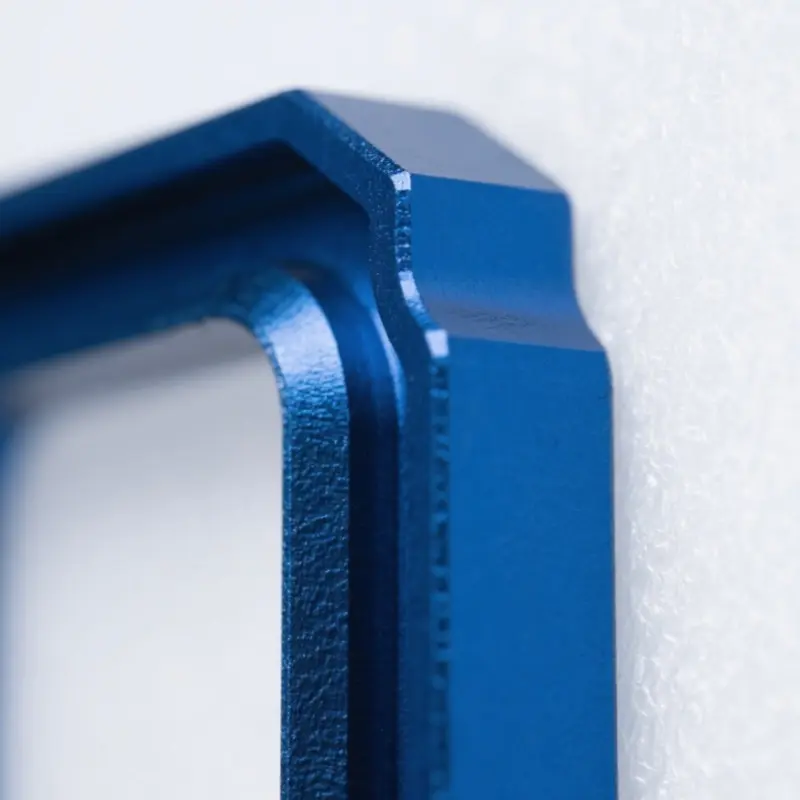
Choosing the right material is one of the most consequential decisions in manufacturing, particularly when producing parts for CNC assembly. The material you select directly determines how a finished component behaves under mechanical stress, thermal exposure, chemical contact, and long-term operational loads. A poor material choice can compromise the integrity of an entire assembly, shorten service life, and inflate maintenance costs—factors no serious manufacturer can afford to overlook. Understanding which materials are suitable for specific performance environments is the foundation of durable, precision-driven production.
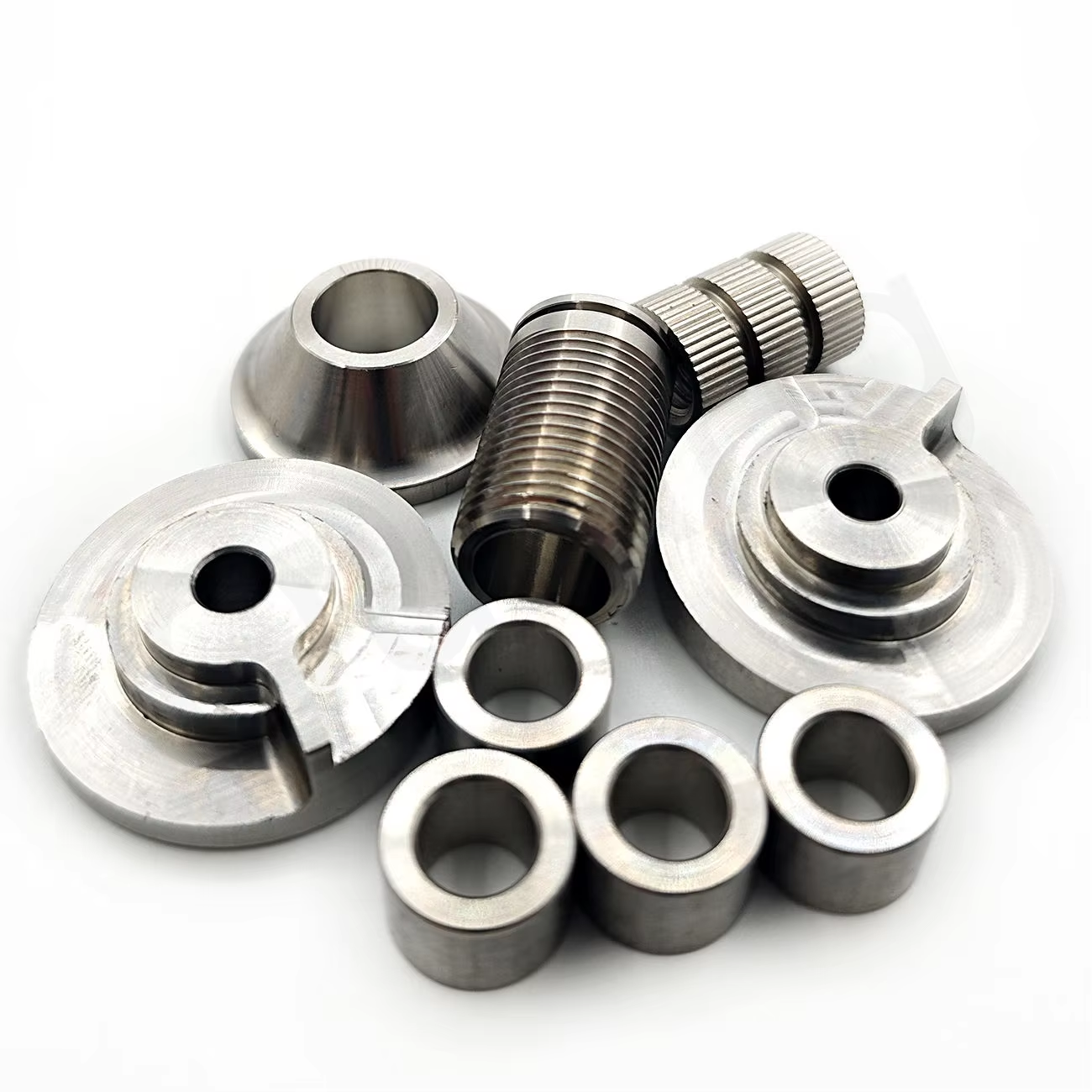
This guide is designed to walk engineers, procurement professionals, and product developers through the key material categories used when manufacturing parts for CNC assembly. From aluminum and stainless steel to brass and engineering plastics, each material brings distinct mechanical, thermal, and chemical properties that make it more or less suitable depending on the application context. Rather than a generic overview, this guide focuses on decision-making criteria that align with real-world CNC machining requirements—helping you make smarter, more cost-effective selections from the outset.
Why Material Properties Drive the Performance of Parts for CNC Assembly
Mechanical Strength and Load-Bearing Capacity
When designing parts for CNC assembly, the mechanical strength of the chosen material sets the performance ceiling for the final product. Tensile strength, yield strength, and fatigue resistance all determine how well a component withstands dynamic and static loads over time. Materials with insufficient strength will deform, crack, or fail prematurely, especially in high-cycle applications such as automotive drivetrains or industrial machinery.
Hardness also plays a critical role. A material that is too soft may not maintain dimensional accuracy under clamping force or mechanical engagement, while an overly hard material can increase tooling wear during CNC machining. The ideal material strikes a balance—providing enough hardness to function reliably in service while remaining machinable at reasonable production costs. This balance is a central challenge in material selection for any precision CNC application.
Engineers should evaluate mechanical property data across the operating temperature range rather than relying solely on room-temperature specifications. Many materials exhibit significantly reduced strength at elevated temperatures, which is critical to consider when parts for CNC assembly will operate near heat-generating components or in thermally demanding environments.
Dimensional Stability and Tight Tolerance Requirements
CNC machining is defined by its ability to produce components with extremely tight dimensional tolerances—often within a few microns. However, achieving and maintaining those tolerances depends not just on the machine but on the material’s inherent stability. Materials with high thermal expansion coefficients may shift dimensionally during or after machining, creating fit and function problems in final assembly.
For parts for CNC assembly that require interference fits, precision bores, or mating surfaces, dimensional stability during and after machining is non-negotiable. Stress-relieved metals and thermally stable engineering plastics are frequently selected precisely because they hold their geometry reliably from the machining stage through to assembled service. Pre-treatment processes such as annealing further reduce the risk of residual stress-driven distortion.
Aluminum: The Preferred Material for Lightweight Parts for CNC Assembly
Machinability and Weight Advantages
Aluminum remains one of the most popular material choices for producing parts for CNC assembly, and for good reason. Its excellent machinability translates directly into shorter cycle times, longer tool life, and lower per-part costs—advantages that are especially significant in high-volume production runs. Aluminum alloys such as 6061-T6 and 7075-T6 offer a compelling combination of strength, lightweight profile, and corrosion resistance that suits a wide range of industrial applications.
The density of aluminum is roughly one-third that of steel, making it ideal for aerospace, electronics, automotive, and consumer product sectors where weight reduction is a design priority. Despite its light weight, properly alloyed aluminum can achieve tensile strengths that rival lower-grade steels, ensuring that parts for CNC assembly made from aluminum perform reliably under moderate mechanical loads. The material also responds exceptionally well to anodizing and other surface treatments, extending its functional life further.
Grade Selection Considerations for Aluminum CNC Parts
Not all aluminum alloys are created equal. Grade 6061 is the most widely used, offering good strength, weldability, and corrosion resistance at a reasonable cost. Grade 7075 provides higher tensile strength and is favored in aerospace and high-stress applications, though it is slightly harder to machine and more expensive. Grade 2024 is another option for applications requiring fatigue resistance, though its corrosion resistance is lower without protective coatings.
When specifying parts for CNC assembly in aluminum, the thermal treatment state of the alloy—such as T4, T5, or T6—should be clearly specified, as these designations indicate how the material has been heat-treated and directly affect its mechanical properties in service. Misspecification of temper can lead to significant performance shortfalls that are difficult to detect until failure occurs in the field.
Stainless Steel: Durability and Corrosion Resistance for Demanding Applications
Mechanical Properties That Justify Its Use
Stainless steel is the material of choice when parts for CNC assembly must operate in corrosive environments, high-temperature conditions, or applications demanding long service life without surface degradation. Grades such as 304 and 316 offer excellent corrosion resistance, while 17-4 PH and 316L are commonly used in medical, food processing, and marine applications where both strength and hygiene requirements must be satisfied simultaneously.
The trade-off with stainless steel is its machinability. Compared to aluminum, stainless steel generates more heat during cutting, requires sharper tooling, and demands careful control of cutting parameters to avoid work hardening—a phenomenon where the material becomes progressively harder as it is machined, making continued cutting more difficult. Despite these challenges, modern CNC machining centers equipped with appropriate tooling strategies can achieve excellent surface finishes and tight tolerances on stainless parts for CNC assembly consistently.
When to Specify Stainless Steel Over Other Metals
The selection of stainless steel over aluminum or carbon steel should be driven by specific application requirements rather than general preference. If a component will be exposed to saltwater, chemicals, blood, food ingredients, or persistent moisture, stainless steel offers a durability advantage that other metals simply cannot match without heavy coating systems. For structural parts for CNC assembly that carry high loads in demanding environments, stainless steel grades with precipitation hardening capabilities offer a powerful performance profile.
Cost is always a consideration. Stainless steel is more expensive than aluminum on both a material and machining cost basis, so it should be reserved for applications where its properties are genuinely required. Over-specifying stainless steel in low-stress or dry-environment applications adds unnecessary cost without meaningful performance benefit. The decision should always be grounded in a structured material requirement analysis.
Brass and Copper Alloys: Precision and Conductivity in CNC Components
Why Brass Is Valued in CNC Machining
Brass, a copper-zinc alloy, holds a special position in precision CNC machining due to its outstanding machinability rating—often rated among the best of all metals. This translates to fast cutting speeds, excellent surface finishes, and minimal tool wear, making it highly economical for producing intricate parts for CNC assembly that require fine detail and smooth surface conditions. Common grades such as C360 (free-machining brass) are routinely used for fittings, connectors, valve components, and decorative hardware.
Beyond machinability, brass offers inherent corrosion resistance in many environments, good thermal conductivity, and non-sparking properties—characteristics that are especially valuable in gas handling, electrical, and HVAC systems. When producing parts for CNC assembly for these sectors, brass provides a combination of practical benefits that few other materials can replicate at comparable cost.
Copper and Its Alloys for Electrical and Thermal Applications
Pure copper and its alloys, including beryllium copper and phosphor bronze, are selected for CNC-machined components where electrical conductivity or thermal dissipation is paramount. Copper’s conductivity far exceeds that of aluminum and steel, making it the natural choice for bus bars, electrical contacts, and heat sink components within electronic assemblies. These parts for CNC assembly must maintain not only dimensional accuracy but also surface integrity that preserves conductivity at mating interfaces.
Beryllium copper (BeCu) combines the conductivity of copper with mechanical properties approaching those of steel, including excellent spring characteristics and fatigue strength. It is frequently used in connector springs, precision instruments, and safety tools for hazardous environments. The material requires careful handling due to the toxicity of beryllium particles during machining, which means shop safety protocols must be rigorously followed when this alloy is processed into parts for CNC assembly.
Engineering Plastics: When Non-Metal Parts for CNC Assembly Are the Right Choice
Performance Characteristics of CNC-Machinable Plastics
Engineering plastics such as Delrin (POM), PEEK, Nylon (PA), and UHMW-PE are increasingly common in precision CNC machining. These materials offer electrical insulation, chemical resistance, low friction coefficients, and significantly lower weight compared to metals. For parts for CNC assembly that need to avoid galvanic corrosion, reduce electromagnetic interference, or withstand aggressive chemical exposure without coating, plastics provide targeted solutions that metals cannot.
Delrin (POM) is widely used for gears, bushings, and sliding components because of its low friction and high dimensional stability. PEEK is reserved for demanding high-temperature and chemical-resistance applications—it maintains its properties up to 250°C continuously, making it suitable for aerospace and medical parts for CNC assembly where metals might introduce weight or corrosion risks. The machining of these plastics requires attention to chip clearance, coolant use, and fixturing to prevent heat buildup and dimensional drift.
Key Limitations to Account For in Plastic CNC Parts
While engineering plastics offer significant advantages in specific contexts, they come with limitations that must be clearly understood before specifying them for parts for CNC assembly. Plastics generally have much lower mechanical strength than metals, limiting their use in high-load applications. Thermal expansion coefficients are also significantly higher, which means dimensional changes with temperature fluctuations can affect fit and function in precision assemblies.
Creep—the slow permanent deformation of a material under sustained mechanical stress—is another concern with plastics, particularly at elevated temperatures. Long-term load-bearing applications require careful selection of plastic grades and operating condition analysis to avoid progressive dimensional change over time. For parts for CNC assembly that involve sustained clamping, fastener loads, or bearing surfaces, creep behavior should be explicitly evaluated during the material selection process.
FAQ
What is the most important factor when selecting materials for parts for CNC assembly?
The most important factor is aligning the material’s mechanical, thermal, and chemical properties with the specific operating conditions the component will face. This includes load type, temperature range, corrosive exposure, and required dimensional stability. Machinability and cost are secondary but still critical considerations that influence both production efficiency and total part cost for parts for CNC assembly.
Is aluminum strong enough for structural parts for CNC assembly?
Yes, high-strength aluminum alloys such as 6061-T6 and 7075-T6 provide sufficient strength for a wide range of structural applications. While they are not as strong as steel, their high strength-to-weight ratio makes them highly effective for structural parts for CNC assembly in aerospace, automotive, and electronics industries where weight reduction is a design priority alongside mechanical performance.
When should stainless steel be chosen over aluminum for CNC machined components?
Stainless steel should be chosen when parts for CNC assembly will be exposed to corrosive environments, high temperatures, or applications requiring superior surface hardness and longevity. If the application involves food contact, medical use, marine environments, or aggressive chemical exposure, stainless steel’s corrosion resistance justifies its higher material and machining cost compared to aluminum.
Can engineering plastics be used for precision parts for CNC assembly?
Yes, engineering plastics like PEEK, Delrin, and Nylon can be CNC machined to tight tolerances and are suitable for parts for CNC assembly that require electrical insulation, low friction, or chemical resistance. However, they are best suited for low-to-moderate load applications due to their lower mechanical strength compared to metals. Creep and thermal expansion must be carefully evaluated when specifying plastics in precision assemblies. For high-quality parts for CNC assembly across all major material types, working with an experienced precision machining partner ensures both material suitability and dimensional accuracy are consistently achieved.