
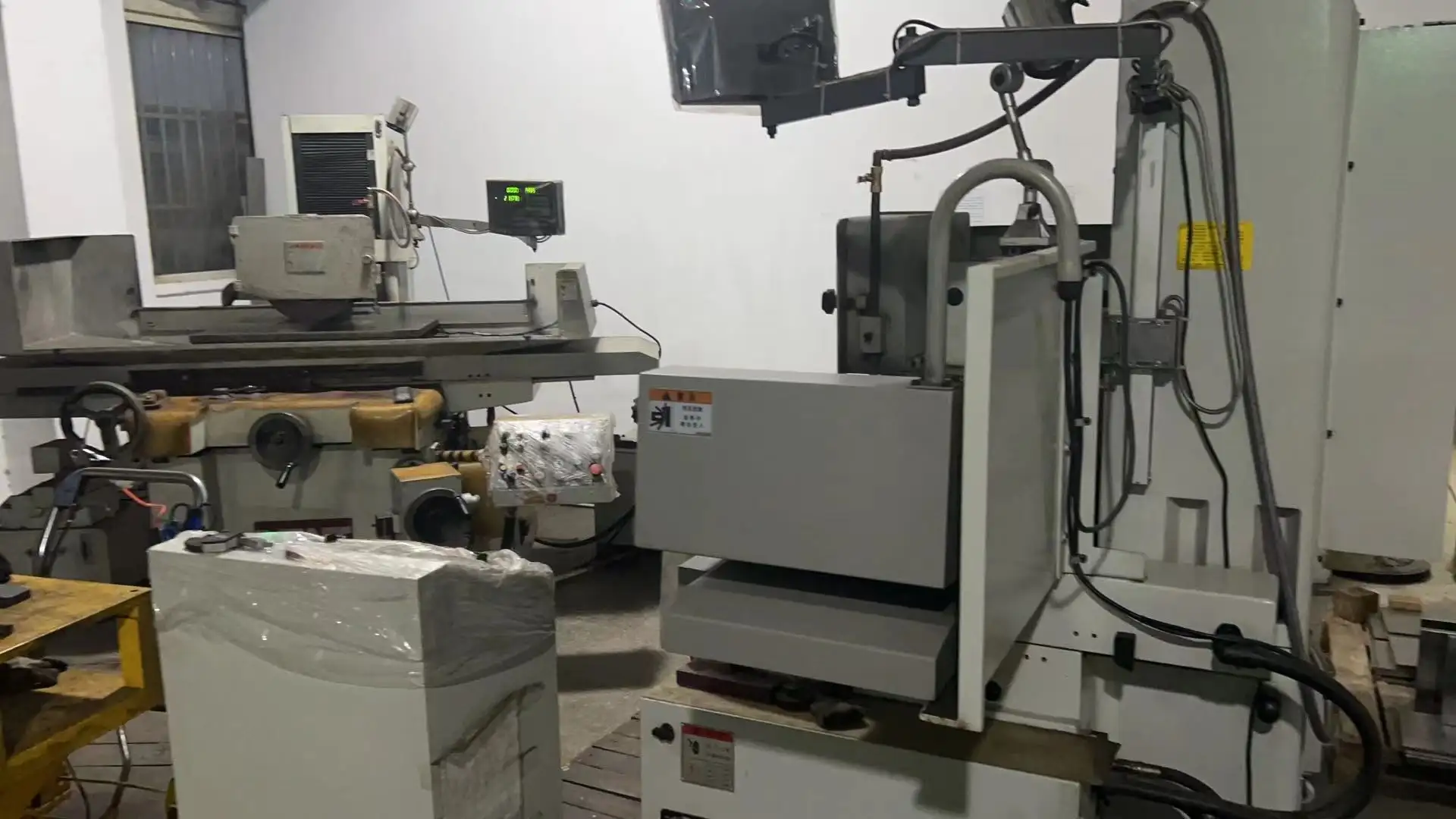
Custom CNC machining serves as the backbone of modern automotive prototyping, enabling engineers to transform digital designs into precise physical components with unprecedented accuracy and speed. In the automotive industry, where innovation cycles are increasingly compressed and performance standards continue to rise, custom CNC machining provides the manufacturing flexibility necessary to test new concepts, validate designs, and refine components before committing to expensive production tooling.
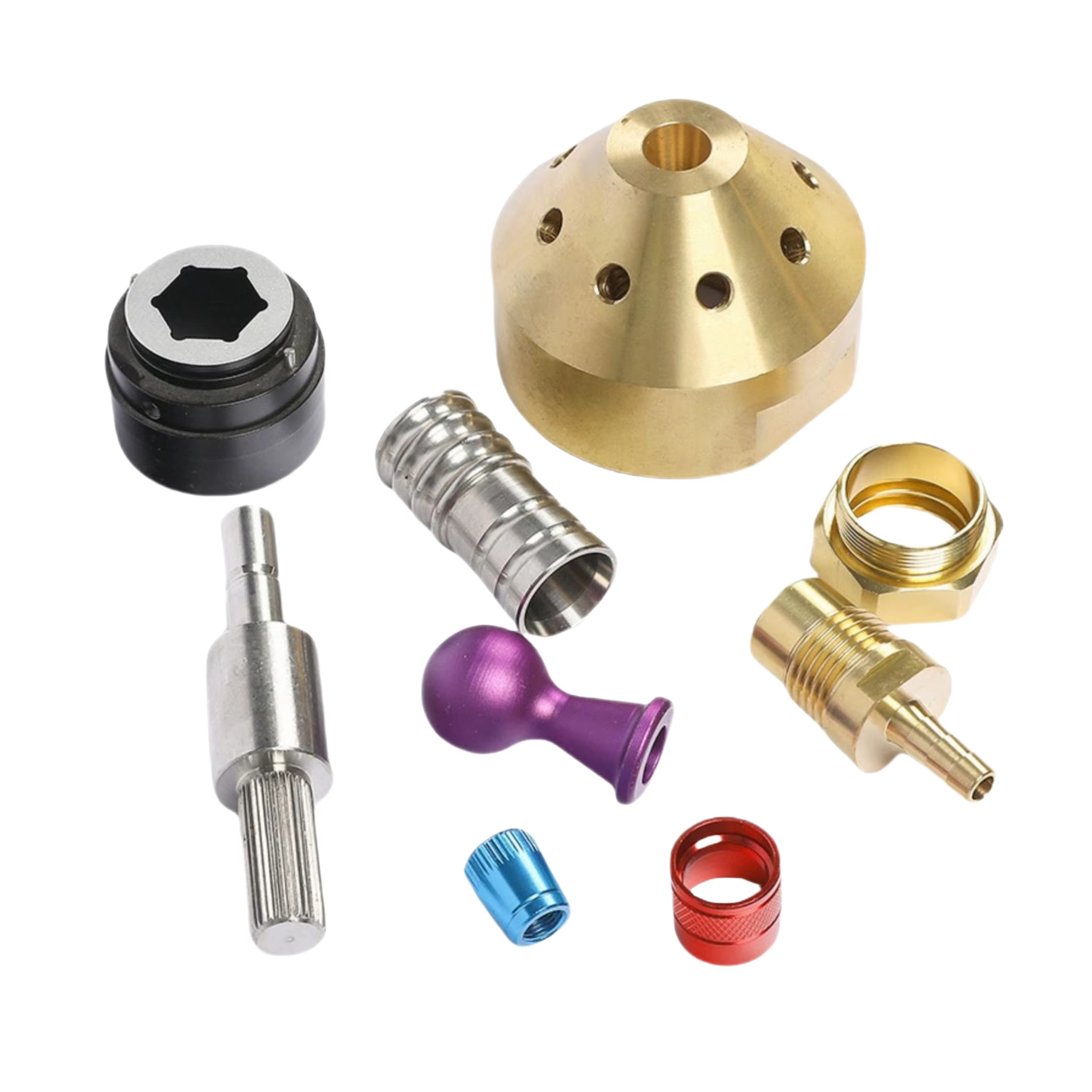
The automotive prototyping process relies heavily on custom CNC machining to bridge the gap between theoretical design and practical implementation. This manufacturing approach allows automotive engineers to produce functional prototypes that accurately represent the material properties, dimensional tolerances, and mechanical characteristics of final production parts. Unlike additive manufacturing or casting methods, custom CNC machining delivers prototypes with identical metallurgical properties to production components, making it an indispensable tool for automotive development teams.
Precision Requirements in Automotive Prototype Development
Dimensional Accuracy Standards
Automotive prototyping demands exceptional dimensional accuracy, typically requiring tolerances within ±0.001 to ±0.005 inches depending on component function and assembly requirements. Custom CNC machining excels in meeting these stringent standards through computer-controlled cutting operations that eliminate human error and ensure consistent repeatability across multiple prototype iterations. The ability to maintain tight tolerances is particularly critical for powertrain components, suspension parts, and precision assemblies where dimensional variations can significantly impact performance characteristics.
Modern custom CNC machining centers equipped with advanced measurement systems provide real-time feedback during the manufacturing process, automatically adjusting cutting parameters to maintain dimensional accuracy throughout the entire machining cycle. This level of precision control enables automotive engineers to create prototypes that accurately represent the fit, form, and function of production components, reducing the risk of design issues being discovered late in the development process.
Surface Finish Requirements
Surface finish quality plays a crucial role in automotive prototype functionality, particularly for components that will experience friction, sealing requirements, or aesthetic considerations. Custom CNC machining processes can achieve surface finishes ranging from rough machined surfaces for structural components to mirror-like finishes for critical sealing surfaces or aesthetic elements. The ability to specify and control surface finish parameters ensures that prototypes accurately simulate the performance characteristics of production parts.
Different automotive applications require varying surface finish specifications, from Ra 125 microinches for general mechanical components to Ra 16 microinches or better for precision sealing surfaces. Custom CNC machining operations can be tailored to achieve these specific requirements through careful selection of cutting tools, speeds, feeds, and finishing passes, ensuring that prototype testing results translate accurately to production expectations.
Material Versatility in Automotive Applications
Engineering Grade Metals
The automotive industry utilizes an extensive range of engineering materials, from lightweight aluminum alloys to high-strength steels and exotic materials like titanium and Inconel. Custom CNC machining provides the versatility to work with virtually any machinable material used in automotive applications, allowing prototyping teams to test components using the exact materials specified for production. This material fidelity is essential for validating mechanical properties, thermal behavior, and durability characteristics during prototype testing phases.
Aluminum alloys such as 6061-T6 and 7075-T6 are frequently used in automotive prototyping for lightweight structural components, engine blocks, and suspension parts. Custom CNC machining excels in processing these materials, delivering excellent surface finish and dimensional accuracy while maintaining the material’s inherent strength-to-weight advantages. Steel grades including 4140, 8620, and various stainless steel alloys are equally well-suited to custom CNC machining processes for applications requiring high strength, wear resistance, or corrosion protection.
Specialized Automotive Materials
Modern automotive applications increasingly incorporate specialized materials designed to meet specific performance requirements, including advanced high-strength steels, titanium alloys, and various composite materials with metal inserts. Custom CNC machining capabilities extend to these challenging materials, enabling prototype development using the exact material specifications intended for production. This capability is particularly valuable for electric vehicle components, where lightweight yet strong materials are essential for optimizing battery range and performance.
The ability to machine specialized materials during prototyping provides automotive engineers with crucial insights into manufacturability challenges that may arise during production. Custom CNC machining processes can be optimized for specific material characteristics, identifying optimal cutting parameters, tooling requirements, and quality control measures that will be essential for successful production implementation.
Complex Geometry Capabilities
Multi-Axis Machining Advantages
Automotive components frequently feature complex three-dimensional geometries that cannot be effectively manufactured using conventional three-axis machining approaches. Custom CNC machining utilizing four-axis and five-axis capabilities enables the production of intricate prototype parts with undercuts, angled features, and compound curves in a single setup. This multi-axis capability is particularly valuable for engine components, transmission parts, and suspension elements where complex internal passages and precise angular relationships are critical to functionality.
Five-axis custom CNC machining eliminates the need for multiple setups and fixture changes, reducing the potential for accumulation of tolerances and improving overall part accuracy. This approach is especially beneficial for automotive prototypes requiring precise relationships between features oriented at different angles, such as cylinder heads with angled port configurations or transmission housings with complex internal geometries.
Integrated Feature Manufacturing
Custom CNC machining excels at producing prototypes with integrated features that would typically require assembly of multiple components in production scenarios. This capability allows automotive engineers to test design concepts that incorporate multiple functions within a single prototype part, providing valuable insights into potential design optimization opportunities. Integrated features such as internal cooling passages, mounting bosses, and precision bores can be machined simultaneously, ensuring optimal dimensional relationships and eliminating potential assembly tolerance issues.
The ability to create complex integrated features during prototyping also enables exploration of design consolidation opportunities that can reduce part count, assembly complexity, and overall system weight in production applications. Custom CNC machining provides the flexibility to experiment with various feature configurations and optimize designs before committing to production tooling investments.
Speed and Iteration Benefits
Rapid Prototype Development
Time-to-market pressures in the automotive industry demand rapid prototype development capabilities that can keep pace with accelerated design cycles. Custom CNC machining offers significant speed advantages over traditional prototyping methods such as casting or forging, which require extensive tooling development time. CNC programs can be generated directly from CAD models, enabling prototype production to begin immediately upon design completion without waiting for specialized tooling or setup fixtures.
Modern custom CNC machining centers equipped with high-speed spindles and advanced cutting tool technologies can produce automotive prototypes in hours rather than days or weeks. This rapid turnaround capability enables automotive engineers to quickly evaluate design concepts, identify potential issues, and implement modifications without significant project delays. The ability to produce multiple iterations quickly supports an iterative design approach that leads to optimized final designs.
Design Modification Flexibility
Custom CNC machining provides unparalleled flexibility for implementing design modifications during the prototyping process. Unlike methods requiring new tooling for each design change, CNC programs can be quickly modified to accommodate design revisions, allowing engineers to test multiple variations of a component without significant time or cost penalties. This flexibility is particularly valuable during the early stages of automotive development when design concepts are still evolving based on testing results and performance requirements.
The programmable nature of custom CNC machining also enables systematic exploration of design variables such as wall thickness, feature sizes, and geometric relationships. Engineers can produce series of prototypes with controlled variations to understand the impact of specific design parameters on component performance, leading to more informed design decisions and optimized final specifications.
Quality Control and Validation
Measurement and Inspection Integration
Quality control is paramount in automotive prototyping, where prototype performance must accurately predict production part behavior. Custom CNC machining operations can be integrated with advanced measurement and inspection systems that provide comprehensive dimensional verification throughout the manufacturing process. In-process probing systems, coordinate measuring machines, and optical measurement technologies ensure that every prototype meets specified dimensional and geometric requirements before testing begins.
The ability to implement rigorous quality control measures during custom CNC machining operations provides automotive engineers with confidence in prototype test results. Documented dimensional verification ensures that any performance issues discovered during testing can be attributed to design characteristics rather than manufacturing variations, leading to more accurate design conclusions and development decisions.
Traceability and Documentation
Automotive prototyping requires comprehensive documentation and traceability to support regulatory compliance and design validation requirements. Custom CNC machining operations generate detailed records of machining parameters, tool changes, inspection results, and material certifications that provide complete traceability for each prototype component. This documentation is essential for understanding the relationship between manufacturing parameters and component performance during testing phases.
The digital nature of custom CNC machining processes enables automatic generation of manufacturing records and quality documentation that can be easily stored, retrieved, and analyzed. This capability supports statistical analysis of prototype performance data and enables identification of correlations between manufacturing parameters and test results that can inform production process development.
FAQ
How does custom CNC machining compare to 3D printing for automotive prototypes?
Custom CNC machining provides superior material properties and dimensional accuracy compared to 3D printing, making it ideal for functional automotive prototypes that must accurately represent production part performance. While 3D printing offers faster turnaround for concept models, custom CNC machining delivers prototypes with identical metallurgical properties to production parts, enabling more reliable testing and validation results.
What tolerance levels can be achieved with custom CNC machining for automotive prototypes?
Custom CNC machining can routinely achieve tolerances of ±0.001 to ±0.0005 inches for automotive prototypes, depending on part geometry and material characteristics. Critical features such as bearing surfaces and precision fits can achieve even tighter tolerances when required, ensuring that prototypes accurately represent the dimensional requirements of production components.
Can custom CNC machining handle the specialized materials used in electric vehicle components?
Yes, custom CNC machining is well-suited for processing the specialized materials commonly used in electric vehicle applications, including lightweight aluminum alloys, high-strength steels, and various composite materials. Advanced CNC equipment and cutting tool technologies enable efficient machining of these challenging materials while maintaining the dimensional accuracy and surface finish requirements typical of automotive applications.
How quickly can automotive prototypes be produced using custom CNC machining?
Custom CNC machining can produce automotive prototypes in timeframes ranging from hours to days, depending on part complexity and material requirements. Simple components can often be completed within 24 hours, while complex multi-axis parts may require several days. This rapid turnaround significantly accelerates the automotive development process compared to traditional prototyping methods requiring specialized tooling.