
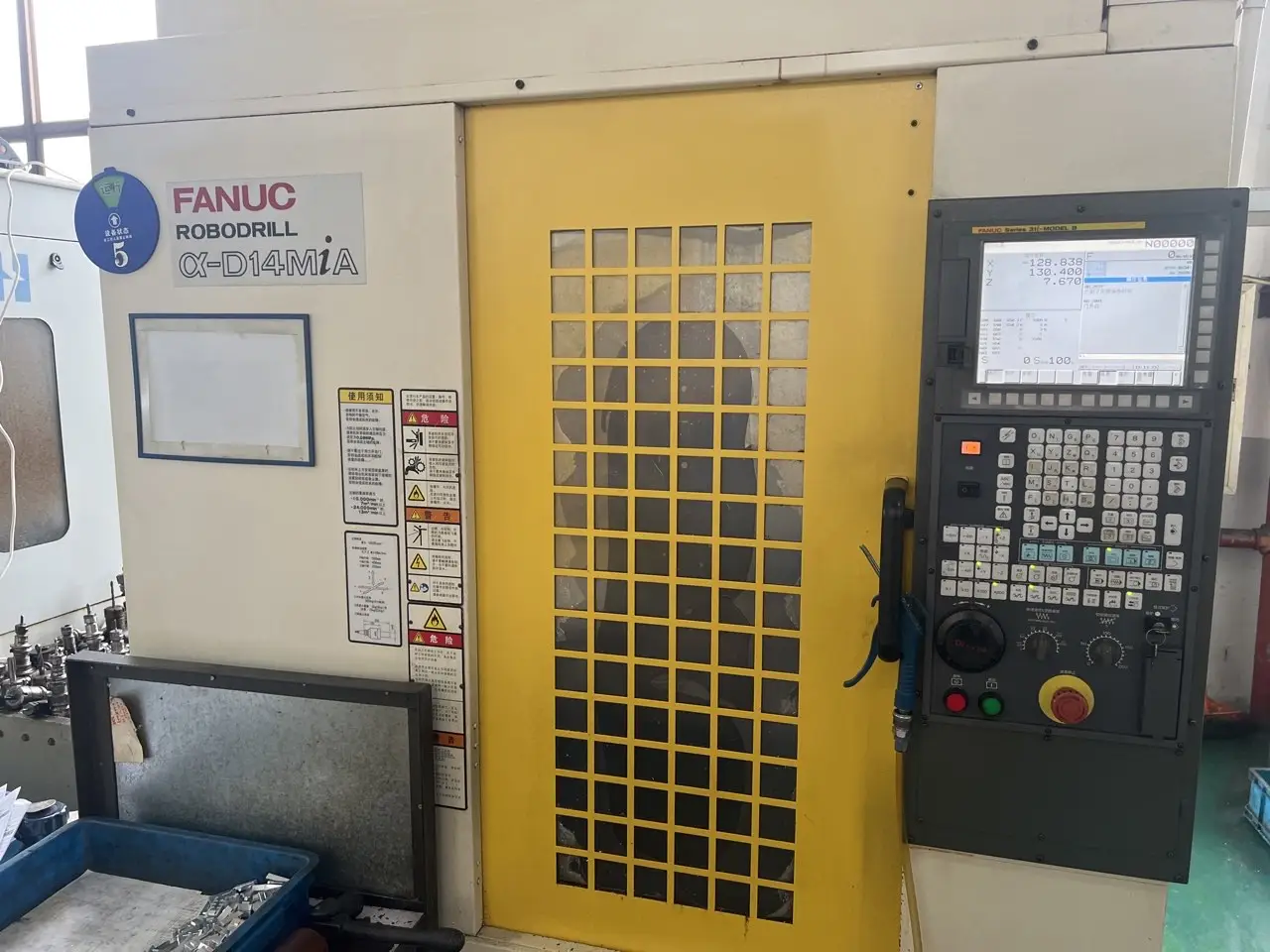
B2B procurement professionals face mounting pressure to secure high-tolerance manufacturing partners that can deliver precision-engineered components consistently and cost-effectively. The complexity of sourcing reliable custom CNC machining services requires a strategic approach that balances technical specifications, quality assurance protocols, supplier capabilities, and long-term partnership potential. Understanding the procurement landscape for precision machining services enables purchasing teams to make informed decisions that support operational excellence and competitive advantage.
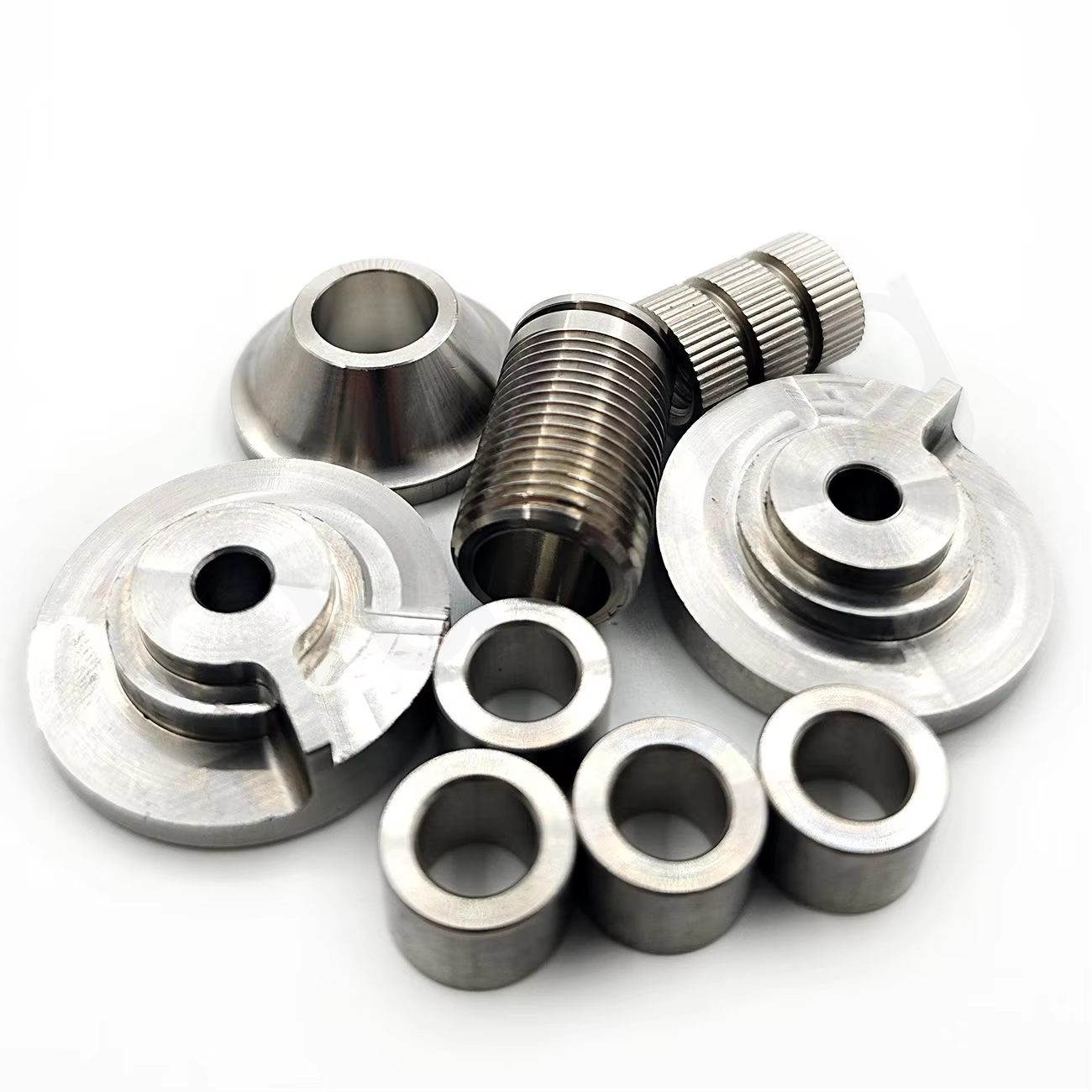
Effective procurement of custom CNC machining services demands comprehensive evaluation criteria that extend beyond traditional cost considerations to encompass technical competency, quality management systems, production capacity, and collaborative capabilities. This procurement guide provides B2B buyers with the framework necessary to identify, evaluate, and engage high-tolerance machining partners that align with specific project requirements and organizational objectives. The strategic sourcing process for precision manufacturing services requires careful attention to supplier qualification protocols, technical specification validation, and performance monitoring systems.
Understanding High-Tolerance Custom CNC Machining Requirements
Technical Specification Development
Successful procurement of custom CNC machining services begins with precise definition of technical requirements that communicate project expectations clearly to potential suppliers. Engineering specifications must include detailed dimensional tolerances, surface finish requirements, material specifications, and geometric dimensioning and tolerancing (GD&T) callouts that guide machining operations. The complexity of high-tolerance components demands comprehensive documentation that eliminates ambiguity and enables accurate cost estimation from qualified machining partners.
Material selection criteria significantly impact the procurement process for custom CNC machining projects, as different alloys and grades present varying machinability characteristics that influence production timelines and costs. Aluminum alloys offer excellent machining properties and corrosion resistance, while stainless steel grades provide superior strength and chemical resistance at the expense of increased tool wear and processing complexity. Brass materials deliver exceptional machinability and electrical conductivity, making them ideal for precision electronic components and decorative applications.
Tolerance requirements directly influence supplier selection criteria, as achieving tight dimensional control demands advanced equipment capabilities, environmental controls, and measurement systems. Standard machining tolerances typically range from ±0.005 inches to ±0.002 inches, while high-precision applications may require tolerances as tight as ±0.0001 inches for critical dimensions. Understanding the relationship between tolerance requirements and production costs enables procurement teams to optimize specifications for both performance and economic efficiency.
Quality Assurance Framework
Quality management systems serve as fundamental evaluation criteria for custom CNC machining suppliers, as consistent production of high-tolerance components requires systematic control of manufacturing processes and measurement protocols. ISO 9001 certification provides baseline quality assurance, while AS9100 certification demonstrates aerospace industry compliance and advanced quality management capabilities. Medical device manufacturing may require ISO 13485 certification, ensuring adherence to stringent regulatory standards for healthcare applications.
Inspection and measurement capabilities represent critical supplier qualification factors that directly impact the ability to verify component conformance to specification requirements. Coordinate measuring machines (CMM) provide three-dimensional measurement accuracy necessary for complex geometric verification, while surface roughness testers validate finish requirements. Advanced measurement technologies such as laser scanning and optical measurement systems enable rapid inspection of complex geometries without physical contact that could damage delicate features.
Statistical process control (SPC) implementation demonstrates supplier commitment to continuous improvement and proactive quality management that reduces variability and defect rates. Effective SPC programs monitor critical process parameters in real-time, enabling immediate corrective action when process drift occurs. Documentation of control charts, capability studies, and corrective action responses provides procurement teams with objective evidence of supplier quality performance and improvement initiatives.
Supplier Evaluation and Selection Criteria
Technical Capability Assessment
Equipment sophistication and technological capabilities form the foundation of effective custom CNC machining supplier evaluation, as precision manufacturing demands advanced machine tools with appropriate accuracy, repeatability, and stability characteristics. Multi-axis machining centers enable complex geometry production in single setups, reducing handling errors and improving dimensional consistency. Swiss-type lathes excel at high-precision small-diameter components, while horizontal machining centers optimize productivity for prismatic parts requiring multiple machining operations.
Programming and engineering support capabilities indicate supplier readiness to collaborate effectively on complex projects that require design optimization and manufacturing engineering input. Computer-aided manufacturing (CAM) software proficiency enables efficient toolpath generation and cycle time optimization, while finite element analysis (FEA) capabilities support design validation and material optimization. Engineering teams with rapid prototyping experience can accelerate product development cycles and identify potential manufacturing challenges early in the design phase.
Production capacity and scheduling flexibility determine supplier ability to meet project delivery requirements while maintaining quality standards under varying demand conditions. Dedicated production lines for high-tolerance work ensure consistent setup procedures and operator expertise, while flexible scheduling accommodates urgent requirements and prototype iterations. Understanding supplier loading patterns and capacity allocation strategies helps procurement teams assess delivery risk and negotiate appropriate lead times for critical projects.
Financial and Operational Stability
Financial stability assessment protects against supply chain disruption risk while ensuring long-term partnership viability for ongoing custom CNC machining requirements. Credit ratings, financial statements, and payment history provide insights into supplier financial health and operational sustainability. Diversified customer bases reduce concentration risk, while investment in modern equipment demonstrates commitment to technological advancement and competitive capability maintenance.
Operational efficiency metrics reveal supplier ability to deliver consistent performance while controlling costs and maintaining profitability necessary for continued investment in capabilities and capacity. On-time delivery performance, first-pass yield rates, and customer satisfaction scores provide objective measures of operational excellence. Lean manufacturing implementation, including 5S workplace organization and value stream mapping, indicates systematic approach to waste elimination and continuous improvement.
Risk management and business continuity planning demonstrate supplier preparedness for unexpected disruptions that could impact production schedules and delivery commitments. Backup power systems, redundant equipment, and documented emergency procedures minimize production interruption risk during facility emergencies. Supply chain diversification and inventory management strategies reduce material availability risks that could delay custom CNC machining projects.
Cost Analysis and Value Optimization
Comprehensive Cost Structure Understanding
Total cost of ownership analysis for custom CNC machining services extends beyond unit pricing to encompass setup costs, tooling expenses, quality-related costs, and supply chain management overhead that impacts project economics. Initial setup charges cover programming, fixture design, and first-article inspection activities that establish production readiness. Tooling costs include cutting tools, workholding fixtures, and measuring equipment specific to component requirements, with amortization schedules affecting unit costs based on production volumes.
Material costs represent significant cost components that vary based on alloy specifications, market conditions, and supplier purchasing power that influences raw material pricing. Premium grades and specialty alloys command higher prices while offering enhanced performance characteristics for demanding applications. Understanding material utilization rates and scrap factors enables accurate cost comparison between suppliers with different manufacturing approaches and efficiency levels.
Value engineering opportunities emerge through collaborative relationships with custom CNC machining suppliers who contribute design optimization recommendations that reduce manufacturing complexity while maintaining performance requirements. Feature consolidation, material substitution, and tolerance relaxation can significantly reduce production costs without compromising functionality. Supplier expertise in design for manufacturability (DFM) principles adds value beyond basic machining services through improved cost-effectiveness and production efficiency.
Contract Structure and Terms
Pricing mechanisms for custom CNC machining contracts require careful consideration of volume commitments, price stability periods, and cost adjustment provisions that protect both parties from market volatility while enabling competitive pricing. Fixed pricing provides budget certainty for stable production requirements, while cost-plus arrangements offer transparency for development projects with uncertain scope. Volume-based pricing tiers reward larger commitments with reduced unit costs while maintaining flexibility for demand fluctuations.
Payment terms and conditions impact cash flow management for both buyers and suppliers while influencing overall project costs through early payment discounts or extended payment periods. Net 30 payment terms represent industry standard practice, while early payment discounts of 2% for 10-day payment can provide significant cost savings for high-volume purchases. Progress payment schedules for large projects reduce supplier working capital requirements while providing milestone-based payment security.
Performance guarantees and quality commitments establish clear expectations for custom CNC machining delivery while providing recourse for non-conformance issues that impact production schedules. Delivery performance metrics with penalty clauses incentivize on-time performance while compensating for schedule disruptions. Quality guarantees covering dimensional accuracy, surface finish, and material properties provide confidence in supplier capabilities while establishing clear responsibility for rework or replacement costs.
Implementation and Partnership Management
Onboarding and Process Integration
Successful implementation of custom CNC machining partnerships requires systematic onboarding procedures that establish clear communication protocols, technical documentation standards, and performance monitoring systems. Initial project kickoff meetings align expectations, review technical requirements, and establish project timelines with key milestone dates. Documentation standardization ensures consistent information exchange while reducing miscommunication risks that could impact quality or delivery performance.
Technical collaboration platforms facilitate efficient information sharing and project management for complex custom CNC machining projects that require ongoing coordination between design teams, procurement specialists, and manufacturing engineers. Cloud-based project management systems enable real-time status updates, document version control, and collaborative problem-solving capabilities. Standardized reporting formats provide consistent project visibility while enabling proactive issue identification and resolution.
Quality control integration establishes shared responsibility for component verification and acceptance procedures that ensure specification compliance while streamlining inspection processes. Supplier quality agreements define inspection requirements, documentation standards, and non-conformance reporting procedures. Certificate of compliance (CoC) documentation provides traceability for critical applications while reducing incoming inspection requirements for qualified suppliers with proven performance records.
Performance Monitoring and Continuous Improvement
Key performance indicator (KPI) tracking systems provide objective measurement of custom CNC machining supplier performance across quality, delivery, cost, and service dimensions that support data-driven partnership management decisions. Quality metrics include first-pass yield rates, defect rates, and customer return frequencies that indicate process control effectiveness. Delivery performance measures on-time delivery rates, lead time consistency, and schedule adherence that impact production planning and inventory management.
Regular business reviews create structured opportunities for performance assessment, issue resolution, and improvement planning that strengthen supplier relationships while driving operational excellence. Quarterly reviews examine performance trends, discuss upcoming requirements, and identify collaborative improvement opportunities. Annual strategic reviews evaluate partnership effectiveness, market positioning, and long-term capability development needs that support business growth objectives.
Continuous improvement initiatives leverage supplier expertise and internal feedback to optimize custom CNC machining processes, reduce costs, and enhance quality performance through systematic problem-solving approaches. Kaizen events focus cross-functional teams on specific improvement opportunities with measurable results. Best practice sharing between multiple suppliers creates competitive pressure for innovation while accelerating improvement adoption across the supply base.
FAQ
What tolerance levels can be achieved with high-precision custom CNC machining?
High-precision custom CNC machining can achieve tolerances ranging from ±0.001 inches for standard precision work to ±0.0001 inches for ultra-precision applications requiring specialized equipment and environmental controls. Achievable tolerances depend on part geometry, material properties, machining processes, and measurement capabilities. Swiss-type lathes excel at achieving tight tolerances on small-diameter features, while multi-axis machining centers provide excellent geometric accuracy for complex prismatic components.
How should procurement teams evaluate custom CNC machining supplier quality systems?
Procurement teams should evaluate supplier quality systems through certification review (ISO 9001, AS9100, ISO 13485), facility audits focusing on process controls and measurement capabilities, and performance history analysis including customer references and quality metrics. Assessment should include statistical process control implementation, corrective action procedures, and continuous improvement initiatives. Documented quality manuals, calibration programs, and traceability systems provide evidence of systematic quality management commitment.
What factors influence pricing for high-tolerance custom CNC machining services?
Pricing for high-tolerance custom CNC machining services is influenced by part complexity, tolerance requirements, material selection, production volume, setup costs, tooling requirements, and inspection intensity. Tighter tolerances require more precise equipment, longer cycle times, and additional inspection steps that increase costs. Material machinability affects tool life and processing speeds, while complex geometries may require specialized fixtures and programming time. Volume commitments enable setup cost amortization and improved unit pricing through economies of scale.
How can procurement teams mitigate supply chain risks when sourcing custom CNC machining?
Supply chain risk mitigation strategies for custom CNC machining include supplier diversification across geographic regions, financial stability assessment through credit analysis and audits, business continuity planning evaluation, and performance monitoring systems that provide early warning of potential issues. Dual sourcing for critical components reduces dependency risk while maintaining competitive pressure. Long-term partnership agreements with proven suppliers provide stability while enabling collaborative improvement initiatives that strengthen supply chain resilience.