
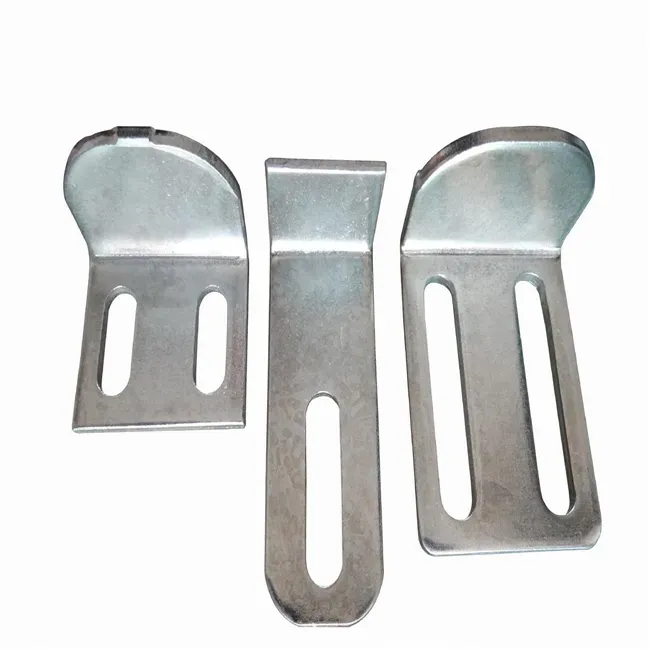
Selecting the right custom CNC machining partner for medical device manufacturing is a critical decision that directly impacts product quality, regulatory compliance, and time-to-market success. The medical device industry demands exceptional precision, strict quality standards, and comprehensive documentation that goes far beyond typical manufacturing requirements. When evaluating potential machining partners, medical device manufacturers must consider factors ranging from precision capabilities and material expertise to regulatory compliance and supply chain reliability.
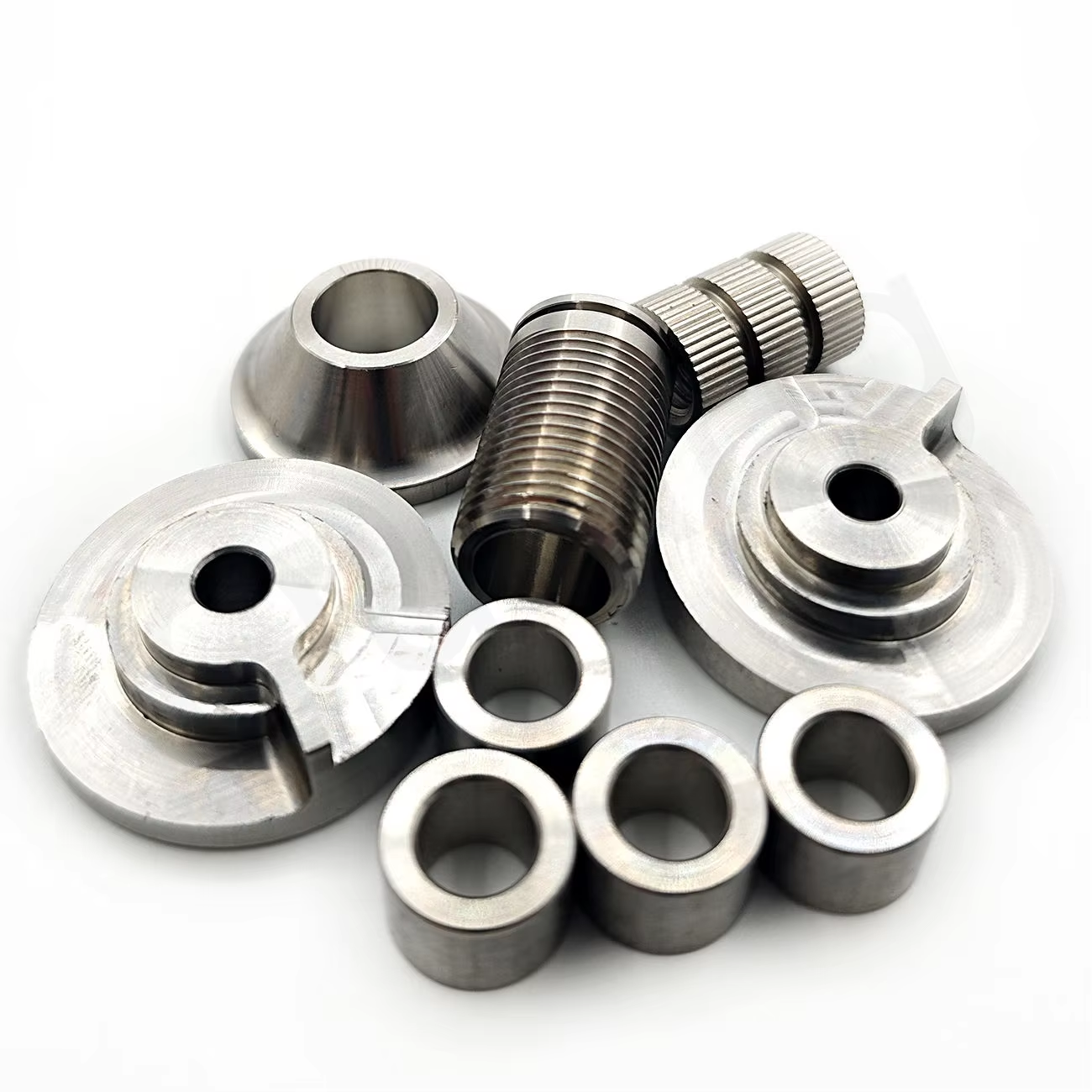
The complexity of medical device components requires custom CNC machining partners who understand the unique challenges of this highly regulated industry. From surgical instruments requiring mirror finishes to implantable devices demanding biocompatible materials, each project presents specific requirements that must be met with unwavering consistency. This comprehensive guide will walk you through the essential criteria and evaluation process for selecting a custom CNC machining partner capable of supporting your medical device development and production goals.
Essential Technical Capabilities for Medical Device Machining
Precision and Tolerance Requirements
Medical device components often require tolerances measured in microns, making precision capability the foundation of any suitable custom CNC machining partnership. Your chosen partner must demonstrate consistent ability to achieve tolerances of ±0.0001 inches or tighter, depending on your specific applications. This level of precision requires advanced machine tools, environmental controls, and skilled operators who understand the critical nature of dimensional accuracy in medical applications.
Beyond basic tolerance capabilities, evaluate the machining partner’s approach to process control and repeatability. Medical device manufacturing demands that every part meets specifications consistently across production runs, whether producing prototypes or high-volume batches. Look for partners who utilize statistical process control methods and can provide detailed capability studies demonstrating their ability to maintain tight tolerances over extended production periods.
The custom CNC machining partner should also possess advanced measurement and inspection capabilities, including coordinate measuring machines (CMMs), optical comparators, and surface finish measurement equipment. These tools are essential for verifying that machined components meet the exacting standards required for medical device applications and for providing the detailed documentation necessary for regulatory submissions.
Material Expertise and Biocompatibility
Medical device applications require expertise in machining specialized materials that offer biocompatibility, corrosion resistance, and specific mechanical properties. Your custom CNC machining partner must demonstrate proven experience with materials such as titanium alloys, stainless steel grades 316L and 17-4 PH, PEEK, and other medical-grade polymers. Each material presents unique machining challenges that require specific tooling, cutting parameters, and handling procedures.
Understanding material traceability is equally important, as medical device regulations require complete documentation of material sources and certifications. Your machining partner should maintain detailed records of material certificates, heat lot numbers, and chain of custody documentation. This traceability extends to understanding how different materials interact with various sterilization methods and ensuring that machining processes do not compromise material integrity or biocompatibility.
The partner’s material handling procedures must prevent contamination and ensure cleanliness throughout the machining process. This includes proper storage of materials, use of appropriate cutting fluids or dry machining techniques, and implementation of clean room protocols where necessary. The ability to maintain material purity and surface cleanliness directly impacts the performance and safety of the finished medical device components.
Quality Systems and Regulatory Compliance
ISO 13485 Certification and Quality Management
A fundamental requirement for any custom CNC machining partner serving the medical device industry is ISO 13485 certification, which demonstrates implementation of a quality management system specifically designed for medical devices. This certification indicates that the machining partner understands the regulatory requirements, documentation standards, and quality processes essential for medical device manufacturing. Verify that the certification is current and covers the scope of services you require.
Beyond certification, evaluate the depth and maturity of the partner’s quality management system implementation. This includes examining their approach to design controls, risk management, corrective and preventive actions (CAPA), and supplier management. The quality system should demonstrate a culture of continuous improvement and proactive risk mitigation that aligns with medical device manufacturing best practices.
Document control and change management processes are particularly critical in medical device manufacturing. Your custom CNC machining partner must maintain detailed records of all processes, procedures, and changes that could affect product quality. This includes maintaining approved vendor lists, validated processes, and comprehensive training records for all personnel involved in medical device component manufacturing.
FDA and International Regulatory Understanding
The ideal custom CNC machining partner possesses deep understanding of FDA regulations, including 21 CFR Part 820 Quality System Regulation, and relevant international standards such as European Medical Device Regulation (MDR). This knowledge enables them to provide appropriate documentation and support for your regulatory submissions, including Design History Files (DHF) and Device Master Records (DMR).
Regulatory compliance extends to understanding validation requirements for manufacturing processes and equipment qualification protocols. Your machining partner should be prepared to support Installation Qualification (IQ), Operational Qualification (OQ), and Performance Qualification (PQ) activities as needed. This capability becomes particularly important when scaling from prototype to production volumes or when introducing new processes or equipment.
Consider the partner’s experience with regulatory inspections and their ability to support audit activities. A mature medical device machining partner will have established procedures for handling regulatory inquiries, maintaining inspection readiness, and providing necessary documentation to support your compliance obligations. Their track record with regulatory agencies can provide valuable insight into their capability and reliability.
Manufacturing Capabilities and Scalability
Equipment and Technology Assessment
Evaluate the custom CNC machining partner’s equipment portfolio to ensure it aligns with your current and future production requirements. Modern medical device manufacturing often requires multi-axis machining centers capable of complex geometries in single setups, reducing handling and improving accuracy. The partner should maintain a diverse fleet of equipment including 3, 4, and 5-axis machining centers, Swiss-type turning machines, and specialized equipment for micro-machining applications.
Technology integration and automation capabilities indicate a partner’s commitment to efficiency and consistency. Look for implementation of advanced CAM software, tool management systems, and automated inspection equipment. These technologies enable better process control, reduce human error, and support the documentation requirements essential for medical device manufacturing. The partner’s approach to preventive maintenance and equipment qualification also impacts their ability to maintain consistent quality.
Consider the partner’s investment in emerging technologies that may benefit your future projects. This might include additive manufacturing capabilities for rapid prototyping, advanced surface treatments, or specialized coating applications. A forward-thinking custom CNC machining partner will continuously evaluate and invest in technologies that enhance their medical device manufacturing capabilities.
Capacity Planning and Production Flexibility
Medical device development typically involves transitioning from low-volume prototypes to medium or high-volume production, requiring a machining partner with scalable capacity. Assess the partner’s ability to accommodate volume fluctuations and their approach to capacity planning. This includes understanding their current utilization levels, expansion capabilities, and relationships with qualified subcontractors for overflow work.
Production flexibility extends to accommodating urgent requirements and engineering changes that commonly occur during medical device development. Your custom CNC machining partner should demonstrate ability to prioritize critical projects while maintaining quality standards across all work. This requires effective project management systems and clear communication protocols that keep you informed of production status and any potential delays.
Evaluate the partner’s approach to inventory management and supply chain coordination. Medical device manufacturers often require just-in-time delivery to minimize carrying costs while ensuring availability of critical components. The machining partner’s ability to maintain appropriate raw material inventory, coordinate with your procurement schedules, and provide reliable delivery performance directly impacts your production efficiency and customer satisfaction.
Partnership Evaluation and Selection Process
Due Diligence and Capability Assessment
Conducting thorough due diligence involves more than reviewing marketing materials and capability statements. Plan comprehensive facility visits to observe operations firsthand, meet key personnel, and evaluate the working environment. During these visits, assess the organization’s commitment to quality through observation of work practices, facility cleanliness, and attention to detail in daily operations.
Request detailed capability demonstrations using your specific requirements or similar applications. A qualified custom CNC machining partner will be prepared to showcase their equipment, demonstrate their quality processes, and provide examples of similar medical device components they have successfully produced. This hands-on evaluation provides better insight than written documentation alone.
Financial stability and business continuity planning are crucial considerations for long-term partnerships. Medical device development cycles often span multiple years, requiring confidence in your machining partner’s ability to support your programs throughout their lifecycle. Review financial statements, insurance coverage, and business continuity plans to ensure your partner can weather potential challenges while maintaining service levels.
Pilot Project and Performance Validation
Before committing to a full partnership, consider implementing a pilot project that allows evaluation of the machining partner’s capabilities under real production conditions. This pilot should include representative components that test key requirements such as tolerance capabilities, material handling, quality documentation, and delivery performance. The pilot project provides opportunity to validate the partner’s processes while establishing working relationships and communication protocols.
During the pilot phase, pay particular attention to the partner’s problem-solving approach and communication effectiveness. Medical device manufacturing inevitably involves challenges that require collaborative resolution. Evaluate how the machining partner identifies issues, communicates concerns, and works with your team to develop solutions. This collaboration capability often proves more valuable than technical capabilities alone.
Use the pilot project to establish performance metrics and service level agreements that will govern the ongoing partnership. These might include quality metrics such as first-pass yield and defect rates, delivery performance measures, and communication standards. Clear expectations and measurement criteria provide the foundation for successful long-term partnerships in custom CNC machining for medical devices.
FAQ
What certifications are essential when choosing a custom CNC machining partner for medical devices?
The most critical certification is ISO 13485, which demonstrates implementation of a quality management system specifically designed for medical devices. Additionally, look for AS9100 certification if working on aerospace medical applications, and ensure the partner maintains current calibration certificates for all measurement equipment. Some applications may also require FDA registration or specific country certifications depending on your target markets.
How can I verify a machining partner’s capability to meet tight tolerances consistently?
Request capability studies and statistical process control data for similar components and tolerances. Ask for examples of first article inspection reports and ongoing quality data. During facility visits, observe their measurement equipment, environmental controls, and operator training programs. A capable partner will readily provide documentation demonstrating their ability to maintain required tolerances over extended production runs.
What should I expect in terms of documentation and traceability for medical device components?
Comprehensive documentation should include material certificates with heat lot traceability, dimensional inspection reports, process traveler records, and certificates of compliance. The machining partner should maintain detailed records of all processing parameters, tool changes, and operator qualifications. This documentation must be readily available and organized to support regulatory submissions and audit activities.
How do I evaluate a potential partner’s understanding of medical device regulations?
Ask specific questions about their experience with FDA regulations, Design History Files, and Device Master Records. Request examples of how they have supported customer regulatory submissions or audit activities. Evaluate their change control processes and understanding of design control requirements. A qualified partner will demonstrate clear knowledge of medical device regulations and their impact on manufacturing processes.