
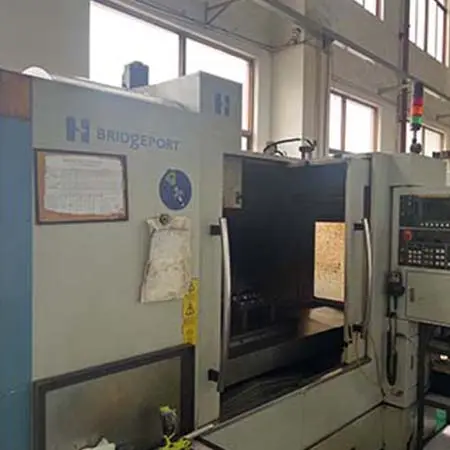
Outdoor CNC machined components face relentless environmental challenges that can rapidly degrade unprotected metal surfaces, making galvanizing an essential post-processing consideration for manufacturers and engineers. The combination of moisture, temperature fluctuations, UV exposure, and atmospheric pollutants creates a corrosive environment that can compromise structural integrity, aesthetic appeal, and functional performance of precision-machined parts within months or even weeks of installation.
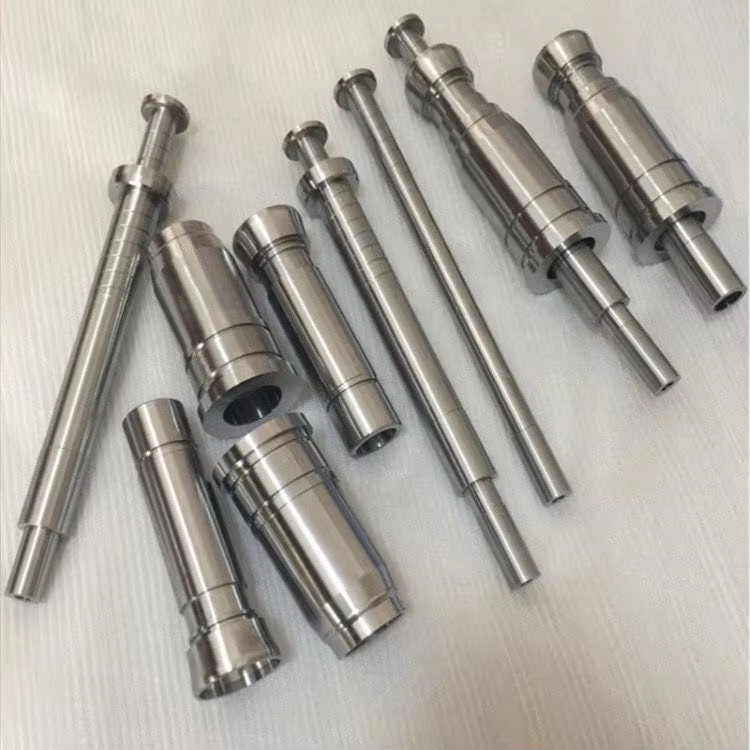
Understanding why galvanizing becomes critical for outdoor CNC applications requires examining the fundamental mechanisms of environmental degradation and how this protective coating process addresses each vulnerability. From architectural hardware to industrial equipment components, the decision to implement galvanizing as a post-processing step directly impacts long-term performance, maintenance costs, and operational reliability in demanding outdoor environments.
Environmental Threats That Demand Galvanizing Protection
Atmospheric Corrosion Mechanisms
Atmospheric corrosion represents the primary threat to outdoor CNC parts, occurring through electrochemical reactions between metal surfaces and environmental elements. Oxygen and moisture create the basic conditions for oxidation, while pollutants like sulfur dioxide, chlorides, and industrial emissions accelerate the corrosion process exponentially. The galvanizing process creates a protective zinc barrier that intercepts these corrosive agents before they reach the underlying steel substrate.
Temperature cycling intensifies corrosion rates by causing expansion and contraction cycles that create micro-cracks in surface oxide layers. These microscopic openings provide pathways for moisture and contaminants to penetrate deeper into the metal structure. Galvanizing addresses this vulnerability by forming a metallurgically bonded coating that moves with the substrate material, maintaining protective integrity even under thermal stress conditions.
Humidity levels above 60% create conditions where thin moisture films can persist on metal surfaces for extended periods, establishing electrolytic cells that drive continuous corrosion reactions. The sacrificial nature of galvanizing means that even if the protective layer experiences minor damage, the zinc coating continues protecting the underlying metal through cathodic protection mechanisms.
UV Radiation and Thermal Degradation
Ultraviolet radiation from sunlight catalyzes photochemical reactions that break down organic coatings and accelerate metal oxidation processes in exposed CNC components. While galvanizing itself remains stable under UV exposure, it protects the underlying metal from photo-enhanced corrosion that can occur when other coating systems fail or degrade under continuous solar exposure.
Thermal cycling between day and night temperatures creates stress patterns that can cause coating delamination in many protective systems. The intermetallic bond formation during the galvanizing process creates a coating system that expands and contracts at rates compatible with the steel substrate, preventing the thermal stress failures common in applied coating systems.
Surface temperature variations in outdoor environments can reach extremes that challenge the adhesion and flexibility of many protective coatings. Galvanizing maintains its protective properties across temperature ranges from sub-zero conditions to elevated temperatures exceeding 200°F, making it suitable for diverse climatic conditions and seasonal variations.
How Galvanizing Creates Superior Long-Term Protection
Sacrificial Protection Mechanisms
The fundamental protection mechanism of galvanizing operates through sacrificial corrosion, where the zinc coating corrodes preferentially to protect the underlying steel substrate. This electrochemical process means that even when the galvanizing layer experiences localized damage or wear, the surrounding zinc continues to provide cathodic protection to exposed steel areas through galvanic action.
The corrosion rate of zinc in atmospheric conditions is significantly slower than steel, typically providing protection ratios of 20:1 or greater depending on environmental conditions. This means that outdoor CNC parts with proper galvanizing can achieve service lives measured in decades rather than years, even in challenging environmental conditions where unprotected steel would fail rapidly.
Zinc corrosion products form stable, adherent layers that actually enhance protection over time by creating additional barrier properties. These patina layers develop naturally and provide self-healing characteristics that maintain protective effectiveness throughout the service life of outdoor installations.
Metallurgical Bonding Advantages
The hot-dip galvanizing process creates intermetallic layers between the zinc coating and steel substrate that form permanent metallurgical bonds stronger than the base materials themselves. This bonding mechanism ensures that the protective coating cannot delaminate, peel, or separate from the CNC machined surface under mechanical stress, thermal cycling, or environmental exposure.
Coating adhesion in galvanizing occurs at the molecular level through iron-zinc alloy formation, creating a graduated transition from pure steel to pure zinc that distributes stress across multiple intermetallic phases. This structure provides superior impact resistance and flexibility compared to applied coating systems that rely on mechanical or chemical adhesion to the substrate surface.
The thickness uniformity achieved through hot-dip galvanizing ensures consistent protection across complex CNC part geometries, including internal corners, threaded sections, and intricate surface details where applied coatings often exhibit thickness variations or coverage gaps that create vulnerability points for corrosion initiation.
Economic and Operational Benefits for Outdoor Applications
Lifecycle Cost Optimization
Galvanizing delivers superior lifecycle economics for outdoor CNC parts by eliminating recurring maintenance cycles required with alternative protection systems. While the initial galvanizing cost may exceed some coating alternatives, the maintenance-free service life typically provides return on investment within the first five years of outdoor exposure.
Maintenance cost avoidance becomes particularly significant for outdoor CNC components installed in remote or difficult-access locations where inspection, cleaning, and recoating operations involve substantial labor and equipment costs. Galvanizing eliminates these recurring expenses while ensuring consistent protection performance throughout the design service life.
Replacement cost avoidance represents another major economic benefit, as galvanizing can extend component service life by 25-50 years in typical atmospheric conditions. This longevity reduces the total number of replacement cycles required over facility lifespans, minimizing both material costs and installation disruption for critical outdoor equipment.
Performance Reliability Factors
Dimensional stability of galvanizing ensures that precision-machined tolerances remain within specification throughout environmental exposure cycles. Unlike organic coatings that can swell, shrink, or develop surface irregularities, the stable zinc coating maintains the original CNC surface profile essential for proper fit and function in mechanical assemblies.
Galvanizing provides predictable performance characteristics that allow engineers to specify components with confidence in long-term reliability. The extensive database of galvanizing performance in diverse environments enables accurate service life predictions and warranty period determinations for outdoor installations.
Inspection and monitoring requirements for galvanizing are minimal compared to other coating systems, as the visible condition of the zinc surface provides reliable indication of remaining protective life. This transparency in protection status allows for informed maintenance planning and component replacement scheduling.
Technical Considerations for CNC Part Galvanizing
Design Optimization for Galvanizing
CNC part design must accommodate the galvanizing process requirements to achieve optimal protection and aesthetic results. Proper drainage design ensures complete coating coverage by allowing molten zinc to flow freely over all surfaces and drain completely from internal cavities or recessed areas during the dipping process.
Vent hole placement becomes critical for hollow or enclosed CNC geometries to prevent trapped air or moisture that could cause coating defects or incomplete coverage. Strategic positioning of these openings ensures proper galvanizing bath penetration while maintaining structural integrity and aesthetic appearance of the finished components.
Surface preparation requirements for galvanizing are less stringent than many coating systems, as the chemical cleaning and flux treatment steps remove mill scale, rust, and contaminants that would compromise other protection methods. This compatibility with typical CNC surface finishes reduces pre-treatment costs and processing complexity.
Quality Control and Specification Standards
Galvanizing quality control follows established industry standards that specify minimum coating thickness, adhesion requirements, and surface finish criteria for different component categories and environmental exposure conditions. These specifications ensure consistent protection performance across production batches and different galvanizing facilities.
Coating thickness measurement using magnetic gauges provides immediate verification of galvanizing adequacy, with minimum thickness requirements ranging from 2.0 to 5.0 mils depending on steel thickness and intended service environment. This measurable quality parameter enables acceptance testing and quality assurance protocols essential for critical outdoor applications.
Visual inspection criteria identify surface conditions that could affect long-term performance, including bare spots, flux residue, or drainage marks that might compromise protective effectiveness. Professional galvanizing operations maintain quality systems that address these factors through process control and corrective action procedures.
FAQ
How long does galvanizing protection last on outdoor CNC parts?
Galvanizing typically provides 25-50 years of maintenance-free protection for outdoor CNC parts in normal atmospheric conditions, with service life varying based on environmental factors like humidity, pollution levels, and chloride exposure. Industrial and marine environments may reduce this timeframe to 15-25 years, while rural environments often exceed 50 years of effective protection.
Can precision tolerances be maintained through the galvanizing process?
Yes, precision tolerances can be maintained when CNC parts are designed with appropriate allowances for galvanizing coating thickness, typically adding 2-5 mils per surface. Critical dimensions may require post-galvanizing machining operations, though this should be minimized to preserve coating integrity in functional areas.
What happens if galvanizing gets damaged during installation or service?
Minor galvanizing damage provides continued protection through sacrificial corrosion mechanisms, where surrounding zinc protects exposed steel areas. Larger damage areas can be repaired using zinc-rich primers or cold galvanizing compounds, though these repairs typically provide shorter service life than the original hot-dip coating.
Is galvanizing suitable for all types of CNC machined materials?
Galvanizing is specifically designed for ferrous metals and provides optimal protection for carbon steel and some alloy steel CNC parts. Stainless steel, aluminum, and other non-ferrous materials require alternative protection methods, as they either don’t bond properly with zinc or already possess inherent corrosion resistance properties.