
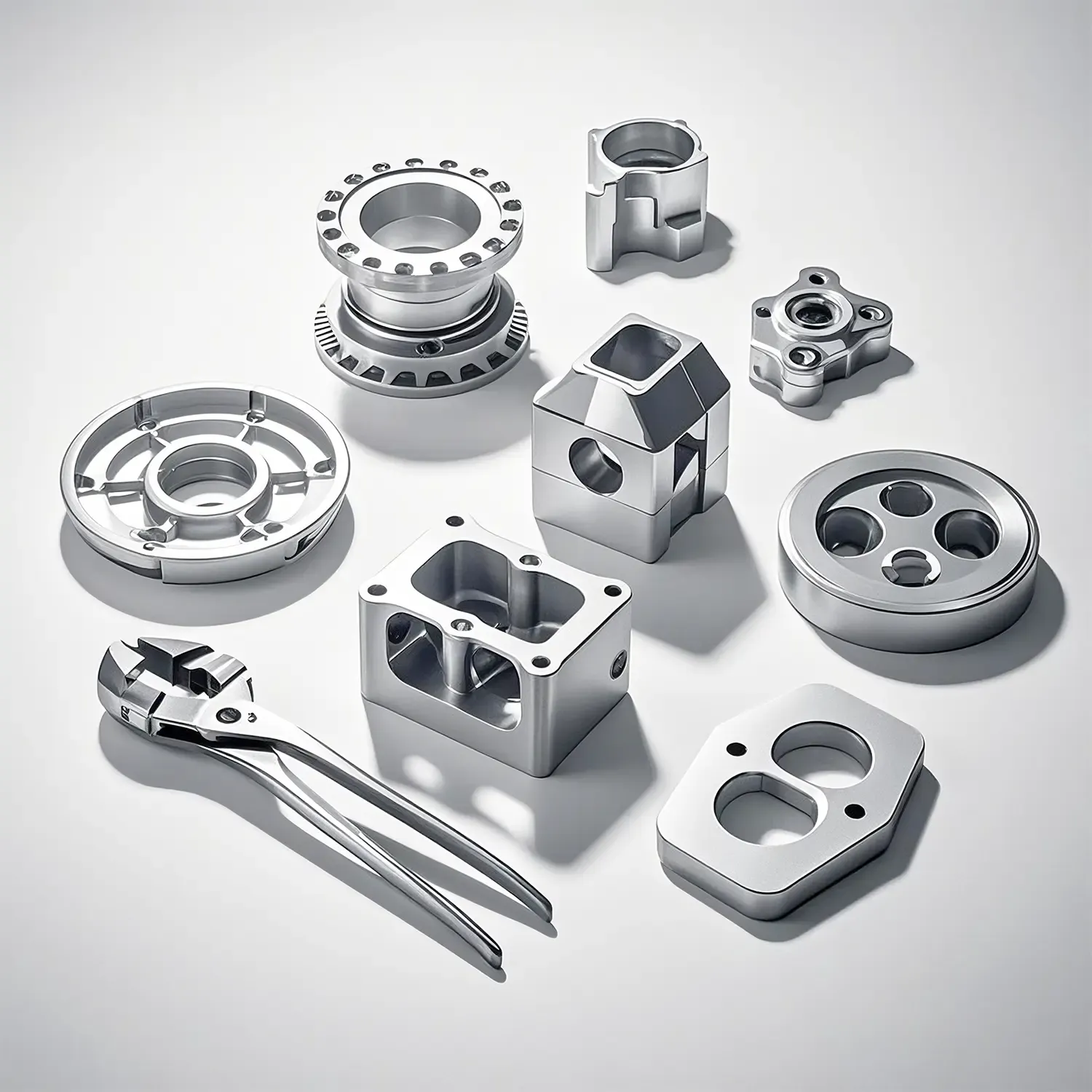
Acrylic PMMA CNC processing represents a sophisticated manufacturing technique that transforms polymethyl methacrylate sheets into precise, custom-designed components through computer numerical control machining. This advanced fabrication method combines the exceptional properties of acrylic materials with the accuracy of automated cutting technology to deliver superior results across numerous industries. The main functions of acrylic PMMA CNC processing encompass cutting, drilling, milling, engraving, and shaping operations that achieve tolerances as tight as 0.05mm. The process utilizes specialized cutting tools and controlled feed rates to prevent material stress cracking while maintaining smooth edge finishes. Technological features include multi-axis machining capabilities that enable complex three-dimensional geometries, automated tool changing systems for efficient production runs, and sophisticated cooling methods that prevent thermal damage to the thermoplastic material. The CNC programming allows for repeatable precision across large production volumes while maintaining consistent quality standards. Applications span architectural glazing panels, medical device housings, automotive lighting components, display cases for retail environments, protective barriers for industrial settings, and decorative elements for interior design projects. The versatility of acrylic PMMA CNC processing makes it ideal for prototyping new product designs as well as full-scale manufacturing operations. Industries such as aerospace, marine, electronics, and signage rely heavily on this processing method to create lightweight yet durable components that require optical clarity and weather resistance. The process accommodates various acrylic thicknesses ranging from thin sheets of 1mm to thick blocks exceeding 100mm, enabling manufacturers to address diverse project requirements with a single machining solution.
Acrylic PMMA CNC processing delivers exceptional precision that traditional fabrication methods cannot match, ensuring your projects meet exact specifications every time. The computer-controlled cutting eliminates human error and provides consistent results across production runs, whether you need one prototype or thousands of identical parts. This reliability translates directly into cost savings by reducing waste and eliminating the need for extensive quality control measures. The speed of acrylic PMMA CNC processing significantly reduces lead times compared to conventional manufacturing approaches. Complex designs that would require multiple manual operations can be completed in a single automated setup, allowing faster project completion and quicker time-to-market for your products. This efficiency becomes particularly valuable when working with tight deadlines or sudden design changes that require rapid turnaround. Material optimization represents another major advantage, as the precise cutting capabilities minimize waste generation and maximize material utilization rates. The clean cuts produced by acrylic PMMA CNC processing often eliminate secondary finishing operations, further reducing production costs and processing time. The smooth edges and surfaces achieved directly from the machine require minimal post-processing work. Flexibility in design execution allows for easy modifications without expensive tooling changes. Unlike injection molding or other fixed-tooling processes, acrylic PMMA CNC processing adapts quickly to design revisions, making it perfect for custom projects or evolving product requirements. This adaptability proves especially beneficial during product development phases when multiple iterations are common. The process handles complex geometries including intricate internal cutouts, precise holes, threaded features, and detailed surface textures that would be difficult or impossible to achieve through other methods. Quality consistency remains superior throughout production runs, with each piece meeting the same high standards regardless of batch size. Environmental benefits include reduced chemical usage compared to traditional fabrication methods, as the dry cutting process eliminates the need for harsh solvents or chemical etching solutions commonly used in alternative approaches.
Unmatched Dimensional Accuracy and Surface Quality
The dimensional accuracy achieved through acrylic PMMA CNC processing stands as a defining characteristic that sets this manufacturing method apart from all conventional alternatives. Modern CNC machines equipped with precision spindles and advanced control systems can maintain tolerances within ±0.025mm across the entire workpiece, ensuring that critical dimensions remain consistent regardless of part complexity or production volume. This level of accuracy proves essential for applications requiring tight fits, such as medical device assemblies, optical components, and precision instrumentation housings where even minor deviations can compromise functionality. The surface quality produced by acrylic PMMA CNC processing eliminates the need for extensive secondary finishing operations in most applications. Properly optimized cutting parameters and tool selection result in surfaces with roughness values as low as Ra 0.8μm straight from the machine, comparable to polished surfaces achieved through time-consuming manual processes. The elimination of tool marks, chatter patterns, and other surface defects commonly associated with conventional machining translates into significant cost savings and shortened production cycles. Furthermore, the consistent surface quality across all machined features ensures uniform optical properties when transparency is required, making this process ideal for architectural glazing, display panels, and lighting applications. Edge quality represents another crucial aspect where acrylic PMMA CNC processing excels, producing clean, straight cuts without the micro-cracking or stress whitening that can occur with less sophisticated cutting methods. The controlled cutting environment prevents thermal damage that could compromise material properties or create weak points prone to failure under stress. This superior edge quality becomes particularly important for structural applications where the full strength of the acrylic material must be maintained throughout the component lifecycle.
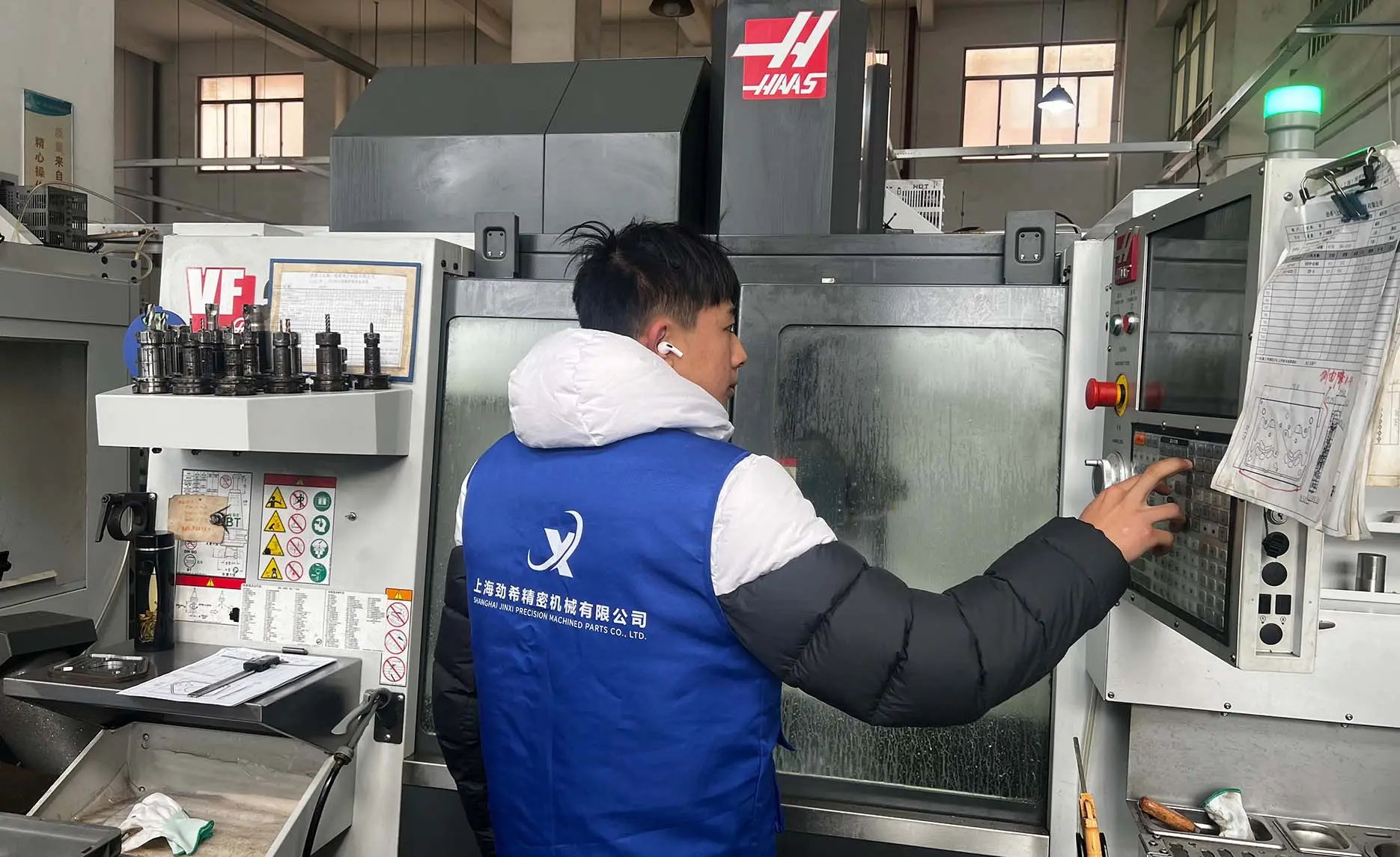
Exceptional Design Flexibility and Rapid Prototyping Capabilities
Acrylic PMMA CNC processing provides unparalleled design flexibility that empowers engineers and designers to realize even the most complex geometric concepts without the constraints imposed by traditional manufacturing methods. The multi-axis capabilities of modern CNC equipment enable the creation of intricate three-dimensional forms, undercuts, and internal features that would be impossible to achieve through conventional fabrication techniques. This flexibility proves invaluable during the product development process, where design iterations and refinements are essential for optimizing performance and functionality. The rapid prototyping capabilities inherent in acrylic PMMA CNC processing allow for quick design validation and testing, significantly accelerating the development timeline from concept to market-ready product. Unlike tooled processes that require weeks or months for setup and modification, CNC programming can be adjusted within hours to accommodate design changes, enabling real-time collaboration between design teams and immediate implementation of improvements. This agility becomes crucial in competitive markets where speed-to-market often determines commercial success. The process accommodates a vast range of part sizes, from miniature components measuring just a few millimeters to large architectural panels exceeding several meters in dimension. This scalability ensures that acrylic PMMA CNC processing can address diverse project requirements within a single manufacturing platform, simplifying supply chain management and quality control procedures. Complex assemblies can be designed as single integrated components, reducing part counts, assembly time, and potential failure points while improving overall product reliability. The ability to machine multiple features in a single setup eliminates the accumulation of tolerances that occurs when parts require multiple operations or different manufacturing processes, ensuring optimal fit and function of the final assembly. Advanced CAD/CAM integration allows for seamless translation of design intent into machining instructions, maintaining design fidelity throughout the manufacturing process and ensuring that the final product matches the original specifications exactly.
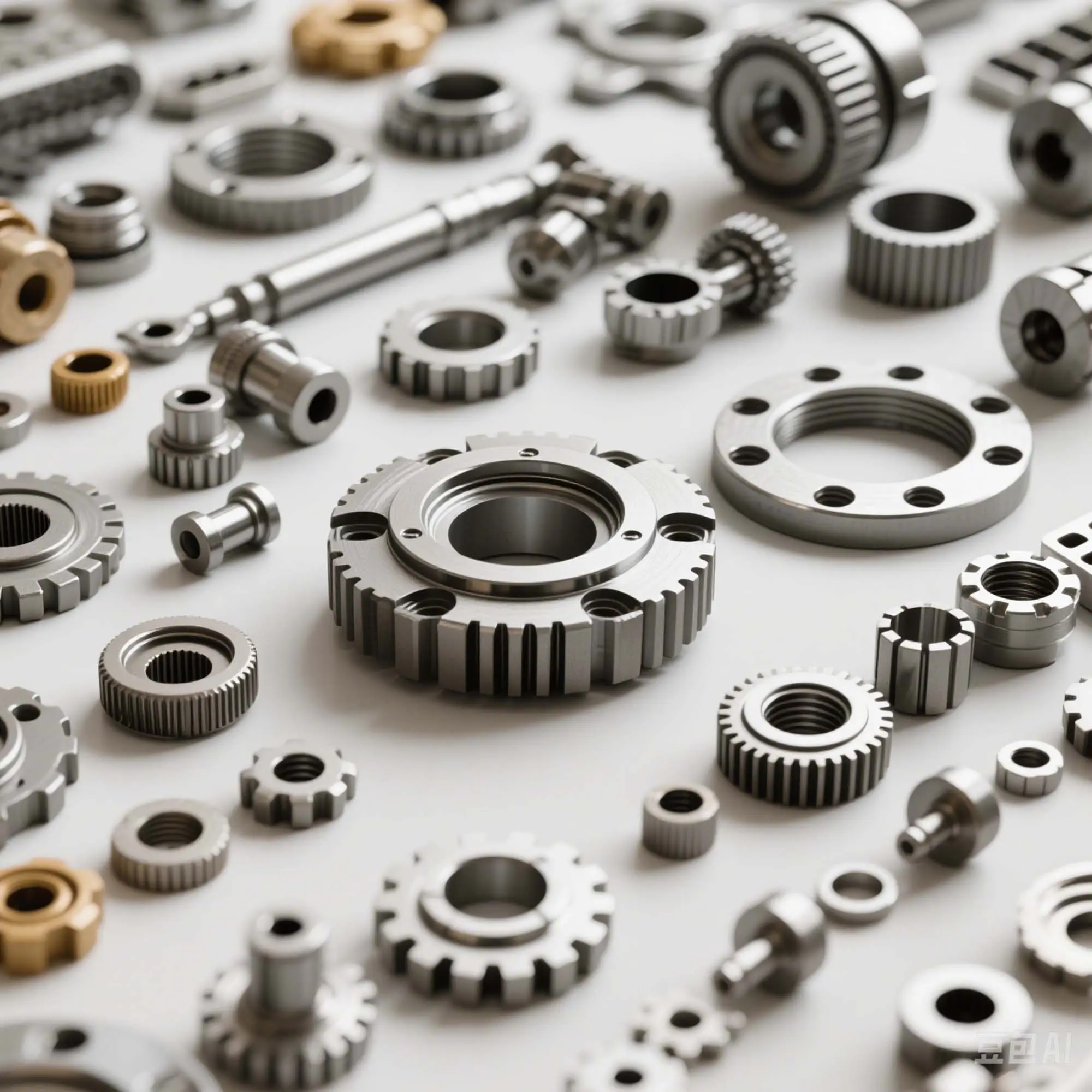
Superior Material Properties and Long-Term Performance
The material properties of acrylic PMMA processed through CNC machining retain their exceptional characteristics while gaining enhanced performance features that make them ideal for demanding applications across multiple industries. Acrylic PMMA CNC processing preserves the material’s inherent optical clarity, which can exceed 92% light transmission, making it superior to glass in many applications while offering significantly better impact resistance and lighter weight. The controlled machining environment ensures that these optical properties remain uniform throughout the processed component, eliminating the distortions and stress concentrations that can occur with other processing methods. Chemical resistance represents another significant advantage, as properly processed acrylic PMMA components resist degradation from exposure to common industrial chemicals, cleaning agents, and environmental contaminants. This resistance, combined with excellent UV stability, ensures long-term performance in outdoor applications without yellowing, cracking, or loss of mechanical properties. The thermal properties of acrylic PMMA CNC processing enable components to maintain dimensional stability across wide temperature ranges, making them suitable for applications in harsh environments where other materials might fail. Weather resistance characteristics prove exceptional, with properly processed components maintaining their appearance and structural integrity for decades when exposed to outdoor conditions. This durability eliminates the need for frequent replacement or maintenance, reducing lifecycle costs and improving overall system reliability. The lightweight nature of acrylic PMMA, approximately half the weight of glass, combined with impact strength up to 17 times greater than glass, creates opportunities for innovative designs that would be impractical with traditional materials. Flame-retardant grades of acrylic PMMA can be processed using the same CNC techniques, extending applications into environments with strict fire safety requirements such as transportation, public buildings, and industrial facilities. The excellent machinability of acrylic PMMA allows for post-processing operations such as threading, welding, and bonding, providing additional assembly options that enhance design flexibility and enable the creation of complex multi-component systems with optimal performance characteristics.