
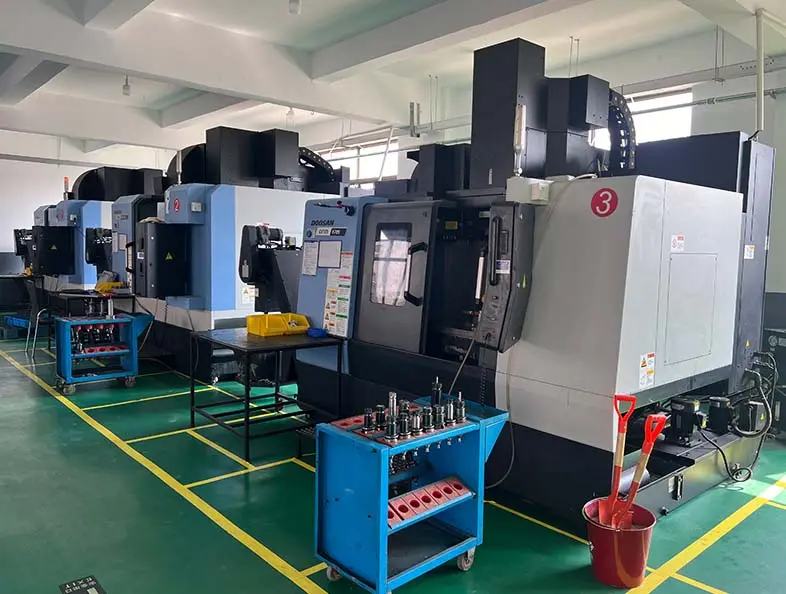
CNC vs manual machining represents one of the most significant decisions manufacturers face when selecting production methods for precision parts and components. Computer Numerical Control (CNC) machining utilizes automated systems controlled by programmed instructions to operate cutting tools, milling machines, lathes, and other equipment with exceptional precision. In contrast, manual machining relies on skilled operators who directly control machine tools through physical manipulation of handles, wheels, and levers. The technological features of CNC vs manual machining showcase distinct approaches to manufacturing. CNC systems employ sophisticated software that translates digital designs into precise tool movements, enabling consistent reproduction of complex geometries with minimal human intervention. These machines feature advanced servo motors, linear encoders, and feedback systems that maintain accuracy within thousandths of an inch. Manual machining depends on the operator’s expertise, experience, and tactile feedback to achieve desired results. Skilled machinists use their knowledge of cutting speeds, feed rates, and tool selection to craft parts through direct machine control. The applications for CNC vs manual machining vary significantly across industries. CNC excels in high-volume production runs, aerospace components requiring tight tolerances, medical devices, automotive parts, and complex three-dimensional shapes that would be challenging to produce manually. Manual machining remains valuable for prototyping, custom one-off parts, repairs, modifications to existing components, and situations where setup time for CNC programming would exceed the benefits. Educational institutions often prefer manual machining for training purposes, as it develops fundamental understanding of machining principles. The choice between CNC vs manual machining ultimately depends on production volume, complexity requirements, budget constraints, timeline considerations, and available skilled workforce. Both methods serve essential roles in modern manufacturing, with many shops utilizing hybrid approaches that leverage the strengths of each technique.
The advantages of CNC vs manual machining become apparent when examining productivity, consistency, and operational efficiency in manufacturing environments. CNC machining delivers superior repeatability, producing identical parts with consistent quality regardless of production volume. This automated precision eliminates human error variables that can affect dimensional accuracy in manual operations. Operators can run CNC machines continuously with minimal supervision, maximizing production output during extended shifts. The technology enables manufacturers to maintain consistent quality standards across large production runs, reducing waste and rework costs significantly. Manual machining offers distinct advantages in flexibility and adaptability that CNC systems cannot match. Skilled operators can make real-time adjustments based on material behavior, tool wear, or unexpected conditions during the machining process. This adaptability proves invaluable when working with challenging materials, prototype development, or custom applications requiring creative problem-solving. Manual machining requires lower initial capital investment compared to CNC equipment, making it accessible for small shops and startups with limited budgets. The cost benefits of CNC vs manual machining vary depending on production requirements. CNC systems justify their higher upfront costs through increased throughput, reduced labor expenses, and improved material utilization over time. However, manual machining remains cost-effective for low-volume work where CNC setup time would exceed production benefits. Training requirements differ significantly between these approaches. CNC operators need programming knowledge and understanding of computer systems, while manual machinists develop hands-on skills through apprenticeships and practical experience. The learning curve for CNC vs manual machining reflects different skill sets, with CNC focusing on technical programming and manual emphasizing craftsmanship and mechanical intuition. Quality control advantages in CNC machining include built-in measurement systems, automated tool compensation, and statistical process control capabilities. Manual machining relies on operator skill and external measurement tools for quality assurance. Both methods can achieve excellent results when properly applied, but CNC provides more consistent outcomes across varying operator skill levels. The speed advantages of CNC vs manual machining become pronounced in complex operations requiring multiple tool changes, precise positioning, or intricate cutting paths that would challenge even experienced manual operators.
Precision and Consistency Excellence
The precision and consistency advantages of CNC vs manual machining represent perhaps the most compelling reason manufacturers choose automated systems for critical applications. CNC machines achieve repeatability levels measured in micrometers, consistently producing parts that meet exacting specifications batch after batch. This extraordinary precision stems from computer-controlled servo systems that position cutting tools with mathematical accuracy, eliminating the natural variations inherent in human operation. Modern CNC systems incorporate sophisticated feedback loops that continuously monitor tool position, spindle speed, and cutting forces, making automatic adjustments to maintain optimal cutting conditions throughout the machining process. The consistency benefits extend beyond dimensional accuracy to include surface finish quality, tool life optimization, and predictable cycle times. When comparing CNC vs manual machining for precision work, CNC systems eliminate operator fatigue factors that can gradually degrade accuracy during long production runs. Manual operators, despite their skill and experience, naturally introduce small variations in feed rates, cutting depths, and tool positioning that accumulate over time. CNC machines maintain identical performance characteristics from the first part to the thousandth, ensuring that critical dimensions, surface finishes, and geometric tolerances remain within specification limits. This consistency proves essential in industries such as aerospace, medical devices, and automotive manufacturing, where component failures can have catastrophic consequences. The precision advantages of CNC machining also enable the production of complex geometries that would be extremely difficult or impossible to achieve manually, including intricate internal channels, precise angular relationships, and smooth curved surfaces that require coordinated multi-axis movements. Quality control benefits multiply when utilizing CNC systems, as statistical process control becomes feasible through consistent, measurable results that enable predictive maintenance scheduling and continuous process improvement initiatives.
Production Speed and Efficiency Optimization
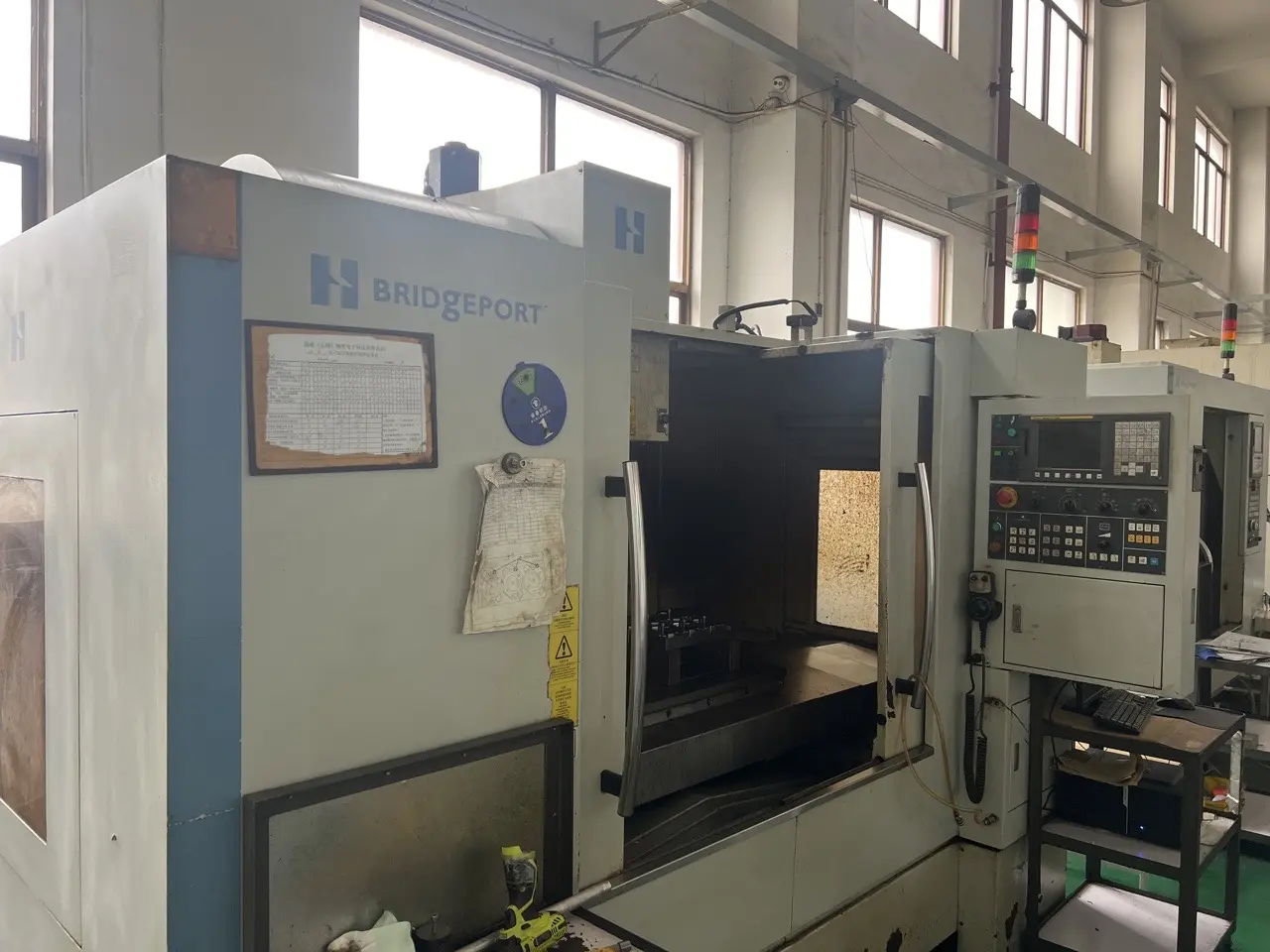
The production speed and efficiency benefits of CNC vs manual machining transform manufacturing operations by dramatically reducing cycle times while simultaneously improving throughput capacity. CNC systems operate at optimal cutting parameters continuously, without the natural variations in pace that characterize human operators. These machines can run unattended during night shifts, weekends, and holidays, effectively tripling or quadrupling production capacity compared to manual operations limited to standard work schedules. The efficiency gains become particularly pronounced in complex parts requiring multiple operations, tool changes, and precise positioning sequences that would consume significant time in manual setups. Modern CNC machines feature automatic tool changers capable of swapping cutting tools in seconds, eliminating the manual tool selection and setup time that can account for substantial portions of manual machining cycles. The speed advantages of CNC vs manual machining extend beyond raw cutting speeds to include reduced setup times through standardized work holding fixtures, programmed tool offsets, and stored machining parameters that eliminate repetitive measurement and adjustment procedures. CNC systems also optimize cutting paths through advanced CAM software that calculates the most efficient tool movements, minimizing air cutting time and maximizing material removal rates while preserving tool life. Operators can simultaneously prepare the next job while the current program runs automatically, creating seamless production flow that manual machining cannot match. The efficiency benefits multiply in high-mix, low-volume environments where CNC programs can be recalled instantly, eliminating the need to recreate complex setups from scratch. Advanced CNC systems incorporate adaptive machining capabilities that automatically adjust cutting parameters based on real-time force feedback, maintaining optimal efficiency even as cutting conditions change due to material variations or tool wear. These technological advantages enable manufacturers to meet tight delivery schedules, reduce work-in-progress inventory, and respond quickly to customer demands while maintaining consistent quality standards throughout high-speed production runs.
Cost-Effectiveness and Long-Term Value
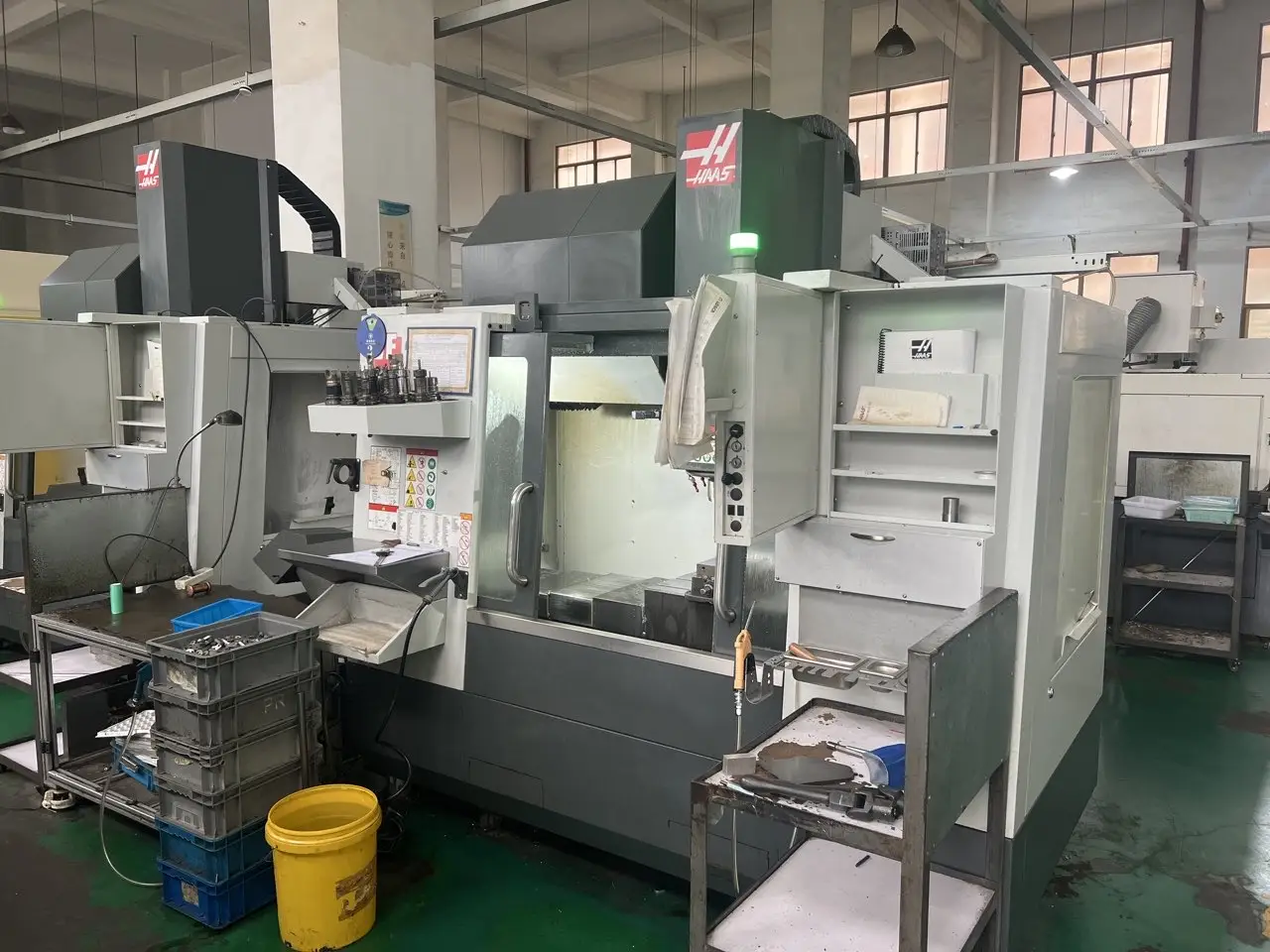
The cost-effectiveness analysis of CNC vs manual machining reveals significant long-term value propositions that extend far beyond initial equipment investments. While CNC systems require higher upfront capital expenditure, the total cost of ownership frequently favors automated machining for medium to high-volume production scenarios. CNC machines reduce direct labor costs by enabling single operators to manage multiple machines simultaneously, effectively multiplying workforce productivity without proportional increases in payroll expenses. The consistency and precision of CNC machining minimize scrap rates and rework requirements, directly improving material utilization and reducing waste disposal costs. Quality improvements inherent in CNC operations translate to reduced warranty claims, customer returns, and reputation risks that can prove costly in competitive markets. The long-term value proposition of CNC vs manual machining becomes evident through improved delivery performance, enhanced customer satisfaction, and expanded market opportunities that justify initial investments. CNC systems also provide superior scalability, allowing manufacturers to increase production volumes without corresponding increases in skilled labor requirements, which can be scarce and expensive in many regions. The programming capabilities of CNC machines enable rapid deployment of proven processes to additional equipment, facilitating business growth without extensive retraining or skill development investments. Energy efficiency advantages often favor CNC systems that optimize cutting parameters for minimum power consumption while maximizing material removal rates. Maintenance costs typically prove lower for CNC machines due to reduced mechanical wear from consistent operating conditions and predictive maintenance capabilities that prevent catastrophic failures. The investment recovery timeline for CNC vs manual machining depends on production volumes, part complexity, and labor rates, but most manufacturers achieve payback within two to four years through improved efficiency, quality, and capacity utilization. Insurance benefits may also favor CNC operations due to enhanced safety features, reduced operator exposure to hazards, and lower accident rates compared to manual machining environments where operator attention and physical interaction create additional risk factors.