
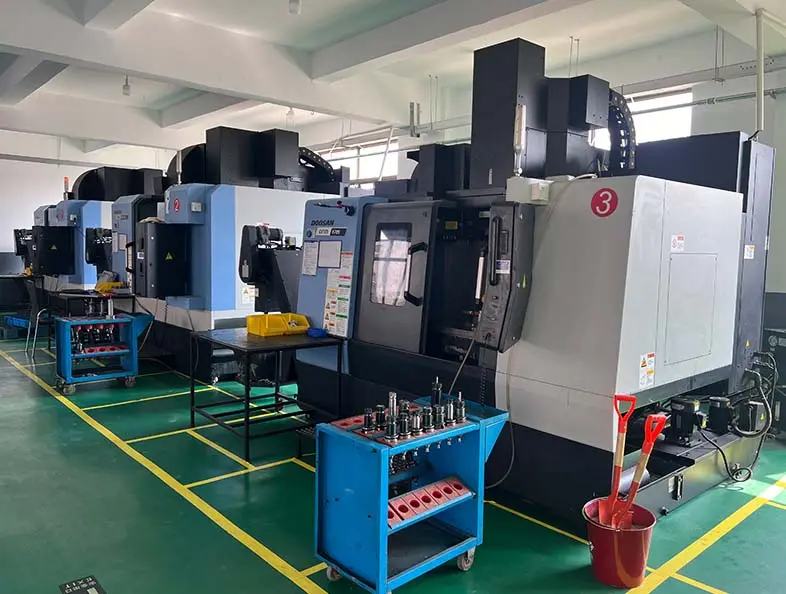
CNC tolerance represents the acceptable deviation range from specified dimensions in computer numerical control machining processes. Understanding what is CNC tolerance involves recognizing it as a critical measurement specification that determines how closely manufactured parts match their intended design dimensions. This precision parameter establishes the permissible variance between the actual machined dimension and the target measurement, ensuring parts meet quality standards and functional requirements. CNC tolerance serves as the foundation for manufacturing excellence, defining acceptable limits for dimensional accuracy in automated machining operations. The concept encompasses various tolerance types including linear, angular, and geometric tolerances, each serving specific manufacturing needs. When examining what is CNC tolerance in practical applications, it becomes evident that these specifications directly impact part functionality, assembly compatibility, and overall product performance. Modern CNC systems utilize advanced measurement technologies to achieve tight tolerance control, incorporating laser measurement systems, coordinate measuring machines, and real-time monitoring capabilities. The technological features of CNC tolerance include automated compensation systems that adjust cutting parameters based on material properties, tool wear, and environmental conditions. These systems employ sophisticated algorithms to maintain dimensional accuracy throughout production runs, ensuring consistent quality output. Temperature compensation mechanisms account for thermal expansion effects on both workpieces and machine components, while vibration dampening systems minimize disturbances that could affect precision. Advanced CNC tolerance control integrates feedback loops that continuously monitor cutting conditions and make real-time adjustments to maintain specified dimensional ranges. Applications of CNC tolerance span across aerospace, automotive, medical device manufacturing, and precision engineering sectors where dimensional accuracy directly correlates with component performance and safety requirements. Understanding what is CNC tolerance enables manufacturers to optimize production processes, reduce waste, improve quality consistency, and meet stringent industry standards while maintaining cost-effective operations.
The advantages of implementing precise CNC tolerance control deliver substantial benefits that transform manufacturing operations and enhance product quality across diverse industrial applications. Understanding what is CNC tolerance reveals how proper tolerance management significantly reduces production costs by minimizing material waste and eliminating the need for extensive rework procedures. Manufacturers experience improved efficiency when CNC tolerance specifications are properly established and maintained, as parts consistently meet quality requirements on the first machining pass. This precision approach eliminates costly secondary operations, reduces inspection time, and streamlines the overall production workflow. Enhanced product reliability emerges as a primary advantage when manufacturers properly implement CNC tolerance standards, ensuring that finished components perform consistently within their intended applications. The predictable dimensional accuracy achieved through controlled CNC tolerance parameters enables manufacturers to guarantee product performance and extend component service life. Customer satisfaction increases dramatically when products manufactured with precise CNC tolerance control demonstrate superior fit, finish, and functional performance compared to components produced with looser tolerance specifications. Competitive advantage develops naturally when companies master what is CNC tolerance implementation, enabling them to bid on high-precision contracts and enter markets requiring stringent quality standards. Manufacturing flexibility improves significantly with proper CNC tolerance control systems, allowing rapid transitions between different product specifications without compromising dimensional accuracy. Quality assurance processes become more streamlined and cost-effective when CNC tolerance parameters are properly established, reducing inspection requirements and enabling automated quality verification systems. Supply chain relationships strengthen when manufacturers consistently deliver parts within specified CNC tolerance ranges, building trust with customers and securing long-term contracts. Innovation opportunities expand as precise CNC tolerance control enables the development of more sophisticated products requiring tighter dimensional specifications. Risk reduction becomes achievable through consistent CNC tolerance implementation, minimizing the possibility of product failures, warranty claims, and potential safety issues related to dimensional variations.
Precision Manufacturing Excellence Through Advanced CNC Tolerance Control Systems
Modern CNC tolerance control systems represent the pinnacle of manufacturing precision, delivering unprecedented dimensional accuracy that transforms how industries approach component production. Understanding what is CNC tolerance in the context of advanced control systems reveals sophisticated technological capabilities that maintain dimensional specifications within incredibly tight ranges, often achieving tolerances measured in thousandths of an inch or hundredths of a millimeter. These systems integrate multiple sensor technologies, including laser interferometry, linear encoders, and rotary encoders, to continuously monitor machine position and ensure cutting operations maintain specified dimensional parameters. The implementation of advanced CNC tolerance control eliminates human error variables that traditionally affected manufacturing precision, replacing manual adjustments with automated systems that respond instantly to dimensional variations. Real-time feedback mechanisms within these systems analyze cutting forces, tool deflection, and thermal effects to make micro-adjustments that preserve dimensional accuracy throughout extended production runs. Machine learning algorithms incorporated into modern CNC tolerance systems analyze historical production data to predict and compensate for factors that could affect dimensional accuracy, creating a self-improving manufacturing environment. The integration of coordinate measuring machines with CNC tolerance control systems enables in-process verification, ensuring that dimensional specifications are maintained without interrupting production workflows. Temperature compensation technologies within advanced CNC tolerance systems account for thermal expansion effects on both workpieces and machine components, maintaining dimensional accuracy across varying environmental conditions. Vibration isolation and dampening systems work in conjunction with CNC tolerance controls to eliminate external disturbances that could compromise precision, creating stable machining environments. The result is manufacturing capability that consistently produces components meeting the most demanding dimensional specifications, enabling companies to pursue high-value contracts in aerospace, medical device, and precision instrumentation markets where dimensional accuracy directly correlates with product performance and safety requirements.
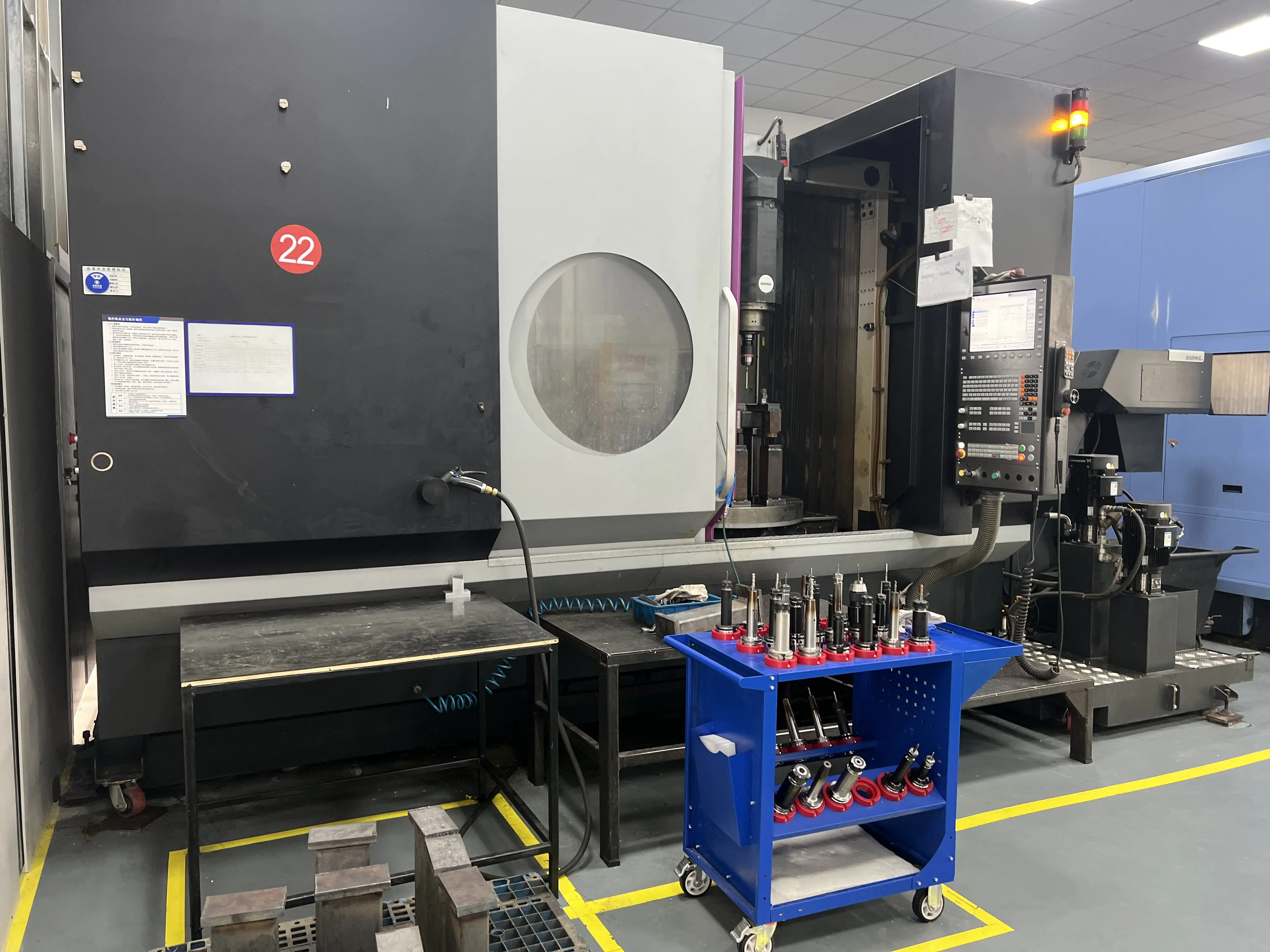
Cost Optimization and Waste Reduction Through Strategic CNC Tolerance Implementation
Strategic implementation of CNC tolerance specifications delivers substantial cost savings and waste reduction benefits that significantly impact manufacturing profitability and environmental sustainability. Understanding what is CNC tolerance from a cost optimization perspective reveals how proper tolerance selection balances dimensional requirements with manufacturing efficiency, preventing over-engineering that unnecessarily increases production costs. Manufacturers who strategically implement CNC tolerance specifications experience dramatic reductions in material waste, as precise dimensional control minimizes the production of parts that fall outside acceptable dimensional ranges. The elimination of rework operations through proper CNC tolerance implementation generates substantial cost savings, as manufacturers avoid the expenses associated with remachining, additional material consumption, and extended production schedules. Quality assurance costs decrease significantly when CNC tolerance parameters are properly established and maintained, reducing inspection requirements and enabling the implementation of statistical process control methods that streamline quality verification procedures. Inventory management becomes more efficient with consistent CNC tolerance implementation, as manufacturers can maintain smaller safety stocks when component dimensions are predictably accurate, reducing carrying costs and minimizing obsolescence risks. Tool life optimization emerges as an unexpected benefit of proper CNC tolerance implementation, as controlled cutting parameters reduce tool wear and extend cutting tool service life, generating substantial savings in tooling costs. Energy consumption reductions result from efficient CNC tolerance implementation, as optimized cutting parameters minimize power requirements while maintaining dimensional accuracy, contributing to both cost savings and environmental sustainability goals. Labor efficiency improvements develop naturally when CNC tolerance systems eliminate the need for manual adjustments and extensive quality inspections, allowing skilled technicians to focus on value-added activities rather than corrective actions. Supplier relationships improve when manufacturers consistently deliver components within specified CNC tolerance ranges, often resulting in preferred supplier status, volume discounts, and long-term contract opportunities that enhance profitability. The cumulative effect of these cost optimization benefits creates sustainable competitive advantages that position manufacturers for long-term success in increasingly competitive markets.
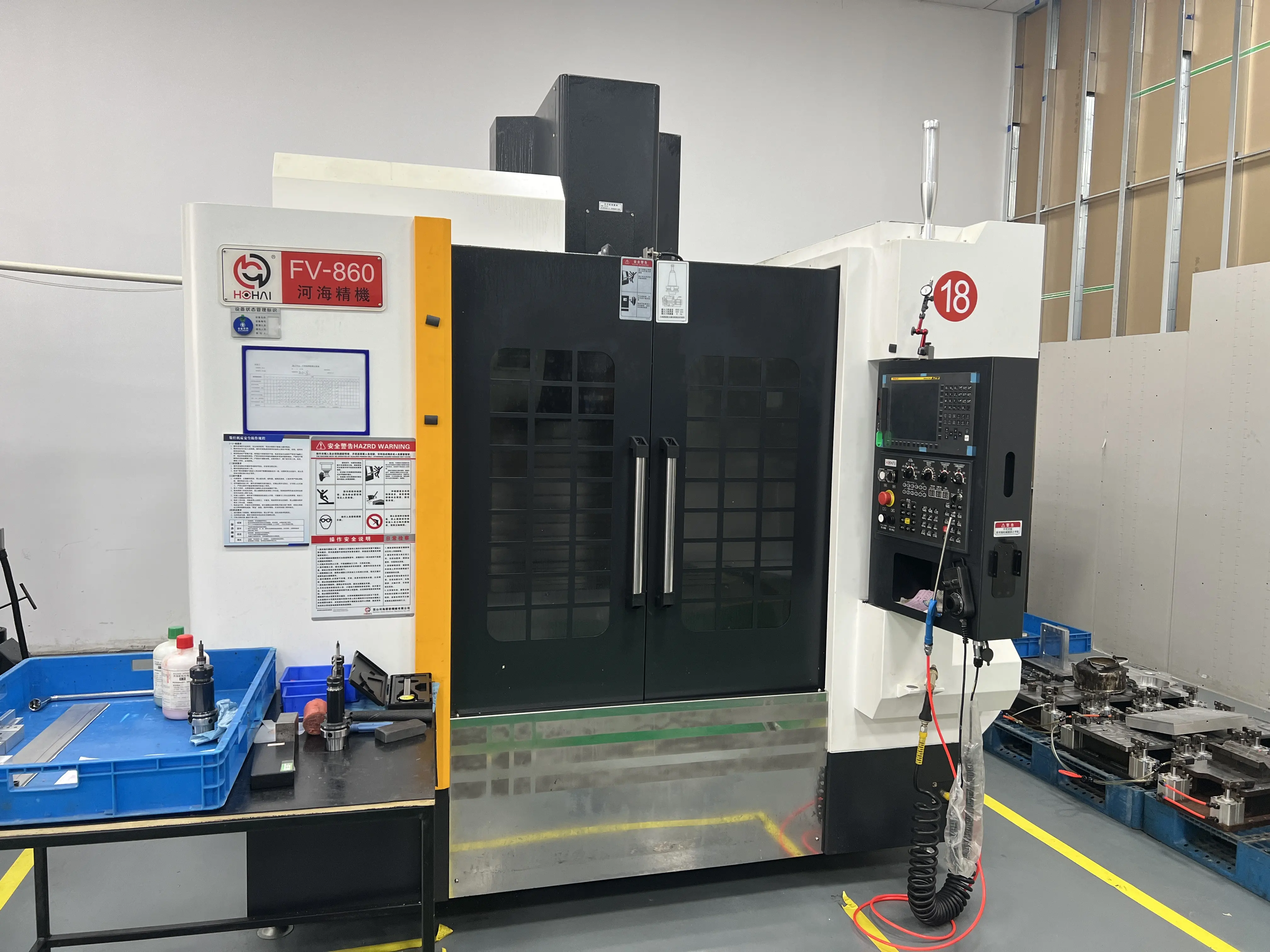
Enhanced Product Performance and Market Competitiveness Through Precise CNC Tolerance Standards
Implementing precise CNC tolerance standards elevates product performance characteristics and market competitiveness, enabling manufacturers to differentiate their offerings through superior dimensional accuracy and functional reliability. Understanding what is CNC tolerance from a market competitiveness perspective reveals how dimensional precision directly correlates with product performance, customer satisfaction, and market positioning across diverse industrial applications. Products manufactured with precise CNC tolerance specifications demonstrate superior operational characteristics, including improved efficiency, extended service life, and enhanced reliability compared to components produced with looser dimensional controls. The competitive advantage gained through precise CNC tolerance implementation enables manufacturers to pursue premium market segments where customers prioritize quality over cost, often resulting in higher profit margins and stronger customer relationships. Innovation opportunities expand significantly when manufacturers master CNC tolerance implementation, enabling the development of more sophisticated products that require tighter dimensional specifications and opening doors to emerging technology markets. Customer confidence increases dramatically when manufacturers consistently deliver products meeting precise CNC tolerance specifications, building reputation and brand recognition that supports premium pricing strategies and market expansion efforts. Regulatory compliance becomes more achievable with precise CNC tolerance control, as many industries including aerospace, medical devices, and automotive require dimensional accuracy certifications that can only be met through controlled manufacturing processes. International market access improves when manufacturers demonstrate CNC tolerance capabilities meeting global quality standards, enabling export opportunities and participation in international supply chains. Partnership opportunities with tier-one suppliers and original equipment manufacturers become available when companies demonstrate consistent CNC tolerance capabilities, often leading to exclusive supplier agreements and long-term revenue streams. Technical differentiation through CNC tolerance expertise enables manufacturers to position themselves as precision specialists, attracting customers seeking high-performance components and sophisticated engineering solutions. The cumulative market advantages gained through precise CNC tolerance implementation create sustainable competitive positioning that supports long-term business growth, market share expansion, and premium pricing strategies in increasingly demanding industrial markets where dimensional accuracy serves as a primary differentiator between suppliers.