
Step 01
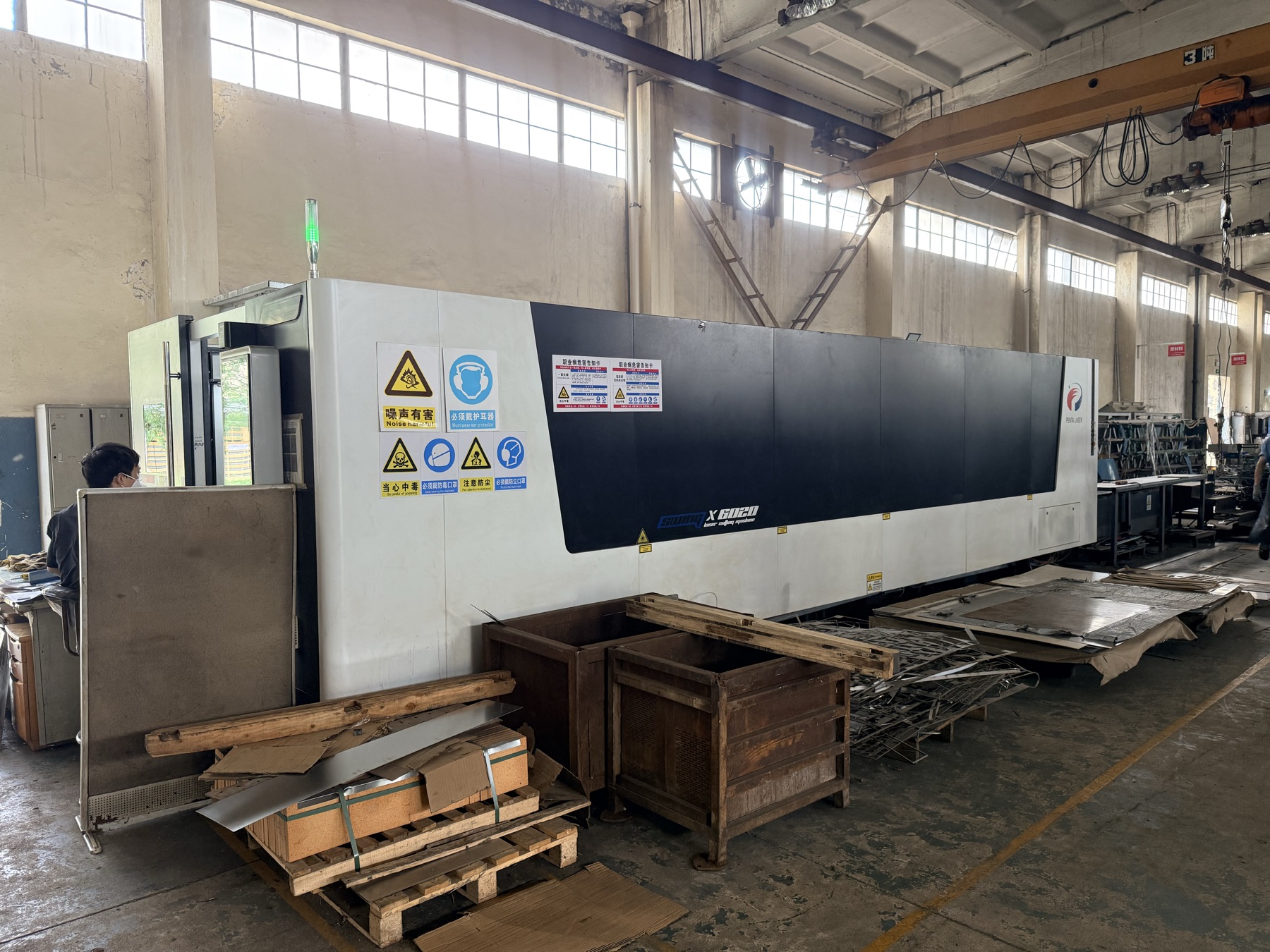
Laser cutting
Machine and shop-floor context for blank preparation.
Sheet metal fabrication
Laser cutting, press-brake bending, welding, polishing, cleaning and assembly are reviewed as one controlled route. Share the formed model, flat pattern, material, thickness, cosmetic surfaces and interfaces so the process can be evaluated against the actual part.
Sheet metal capability at a glance
Jinxi can review sheet metal parts requiring laser cutting, press-brake forming, welding, polishing or grinding, cleaning and final assembly. The process route is selected from the drawing, material, thickness, geometry, cosmetic requirements, quantity and inspection needs. Machine power, working envelope, tonnage and process tolerance must be confirmed against the specific equipment and job before quotation.

View production equipmentReview finishesReview quality documentsRequest a sheet metal review
Fabrication scope
The supplied factory photos document the major operations below. Exact machine model, working envelope, power, tonnage and achievable tolerance remain subject to technical confirmation.
Real process evidence
Photographs show the sheet-metal production route from cutting and bending through welding, surface preparation and cleaning.
Machine and shop-floor context for blank preparation.
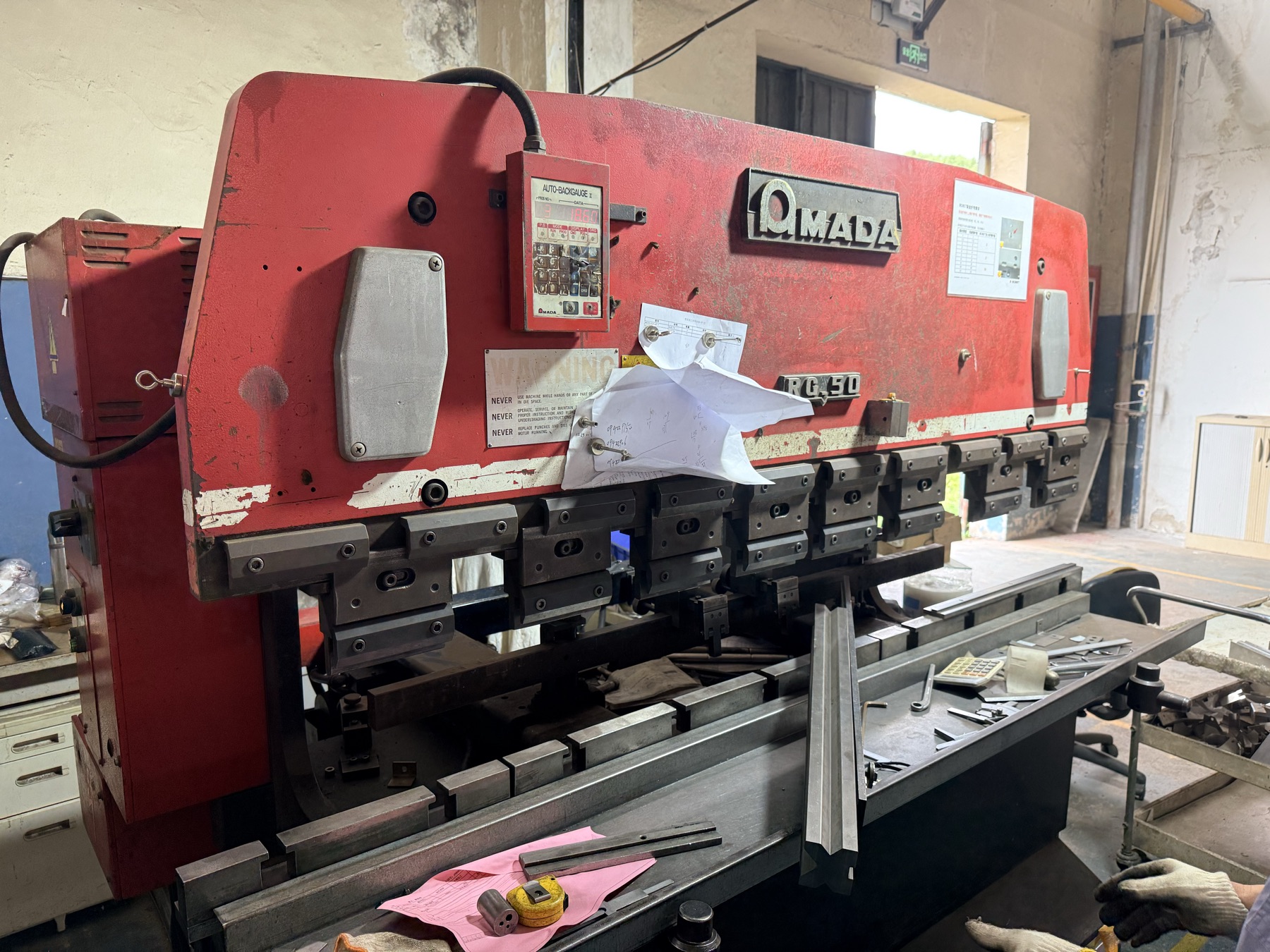
Forming route reviewed against geometry and material behavior.
Assembly, access and distortion controls planned by joint.
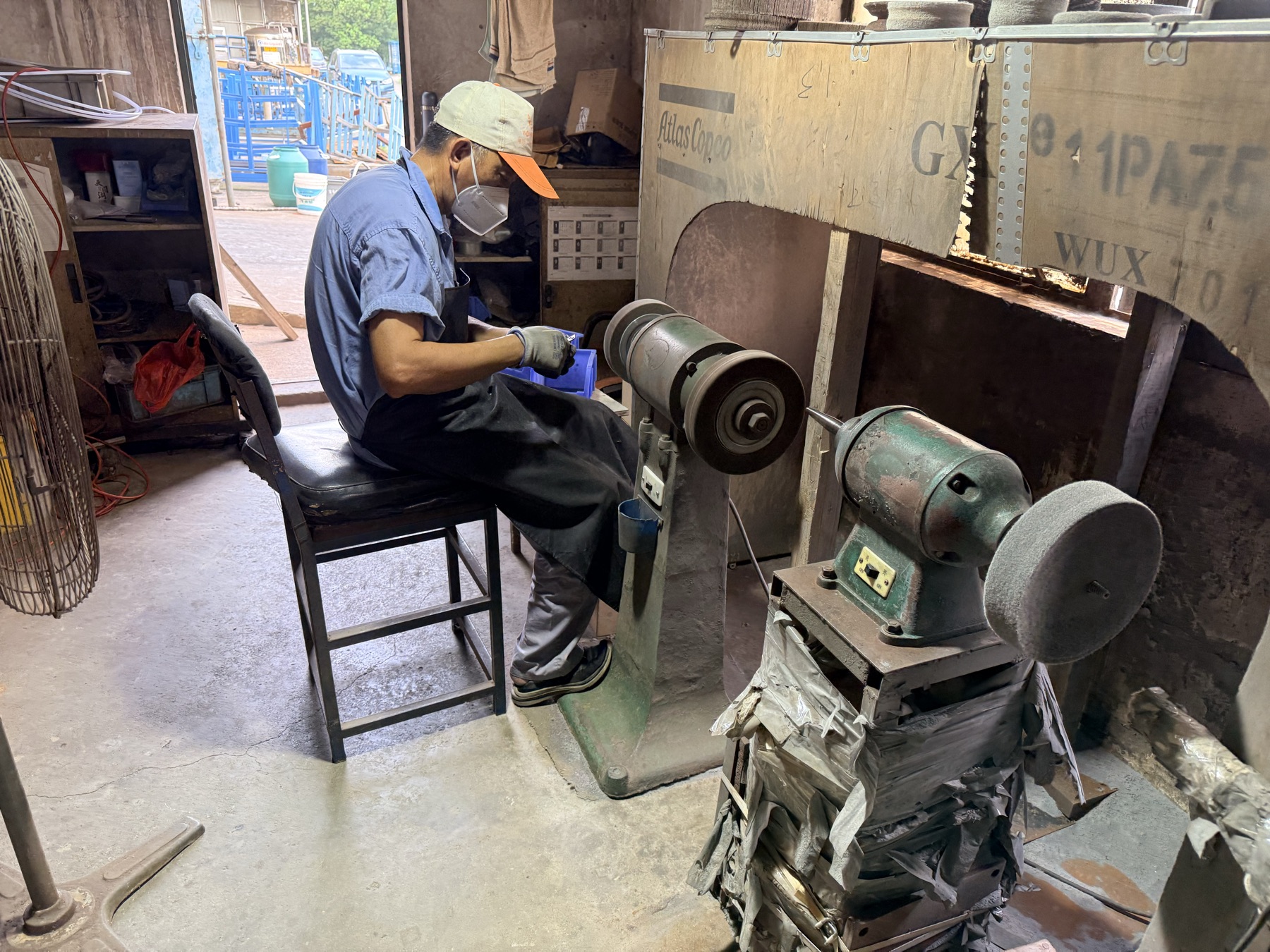
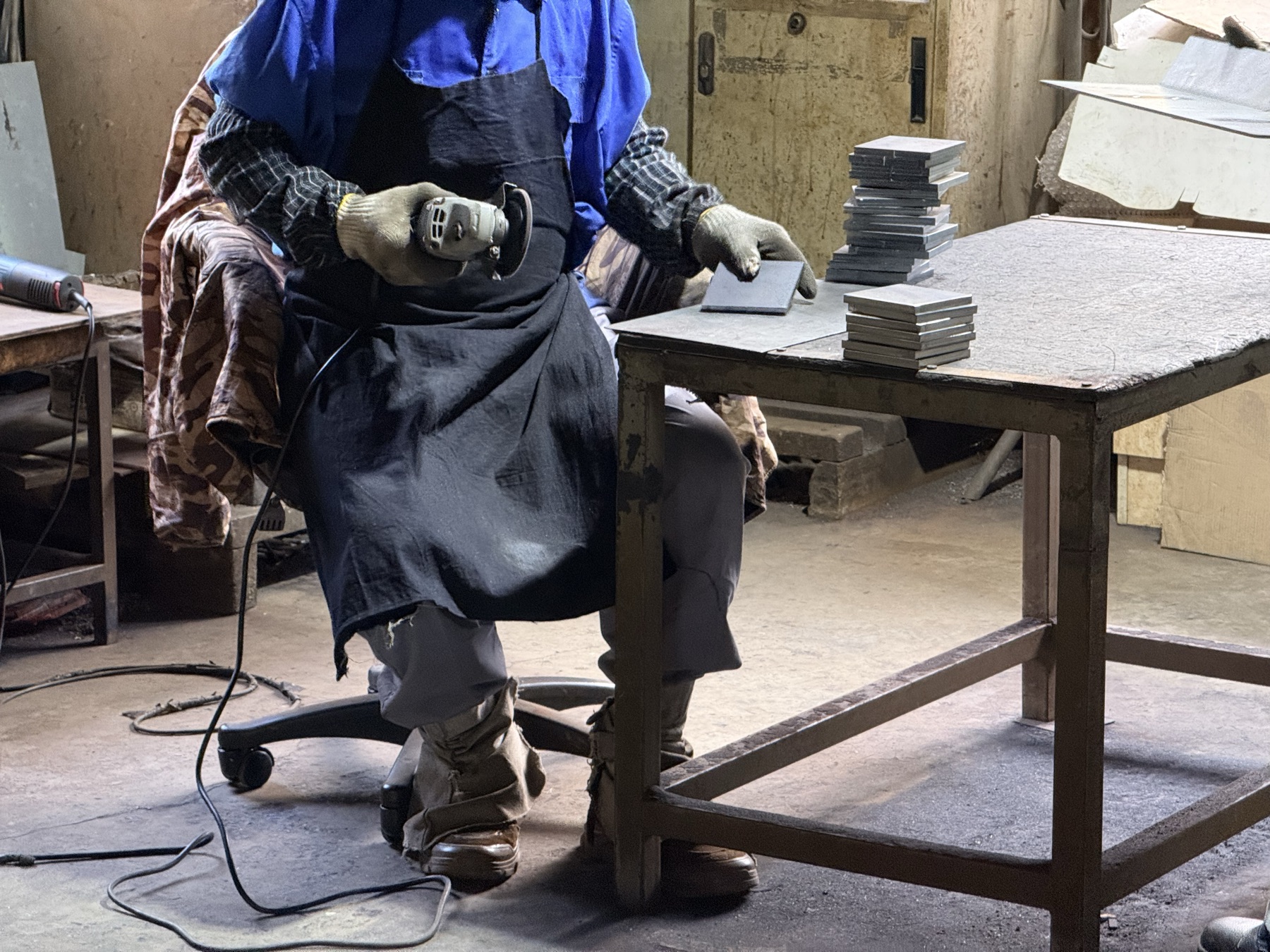
Edge, weld and cosmetic surface preparation.
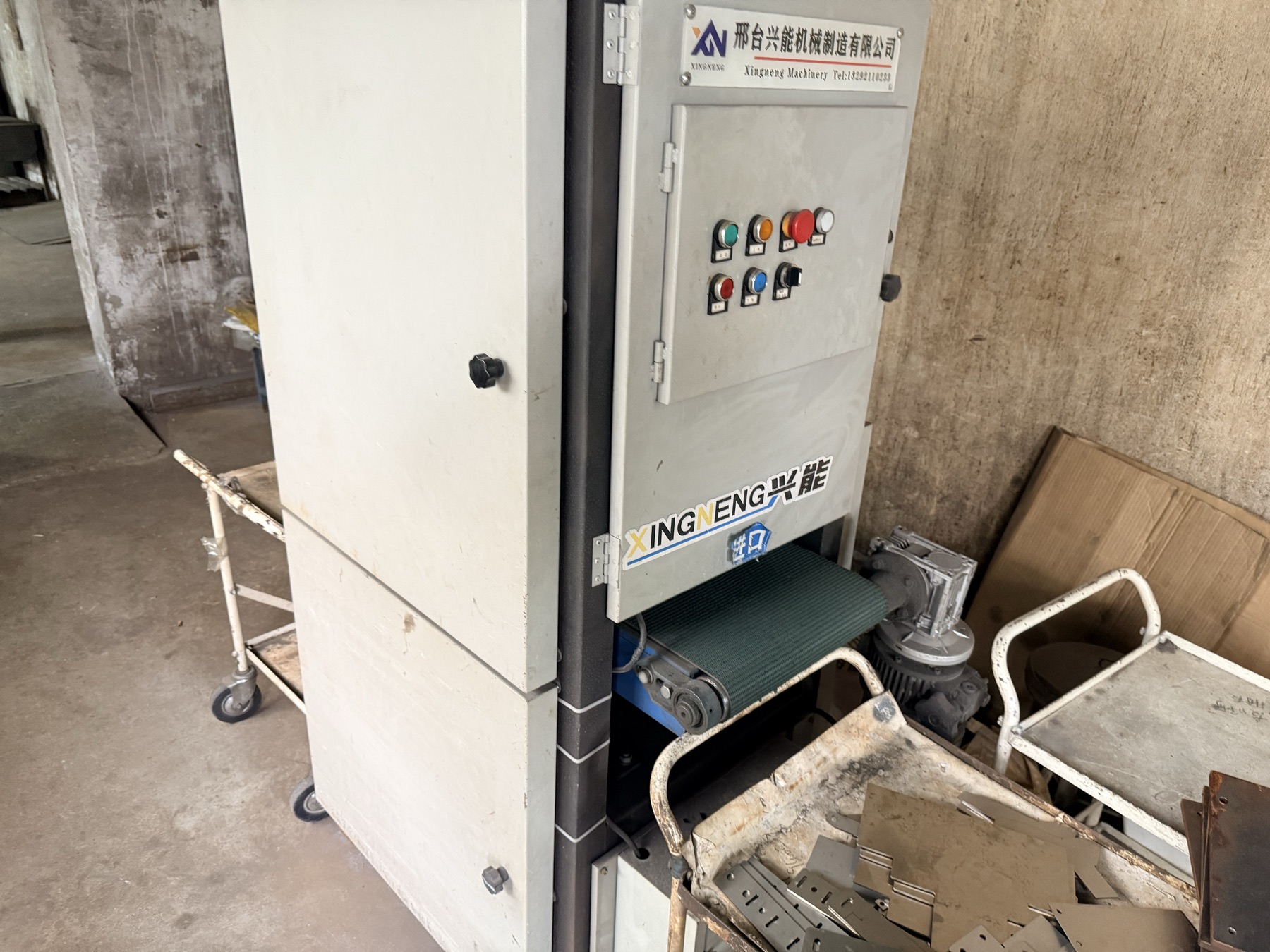
Final process preparation before verification and packing.
Product examples
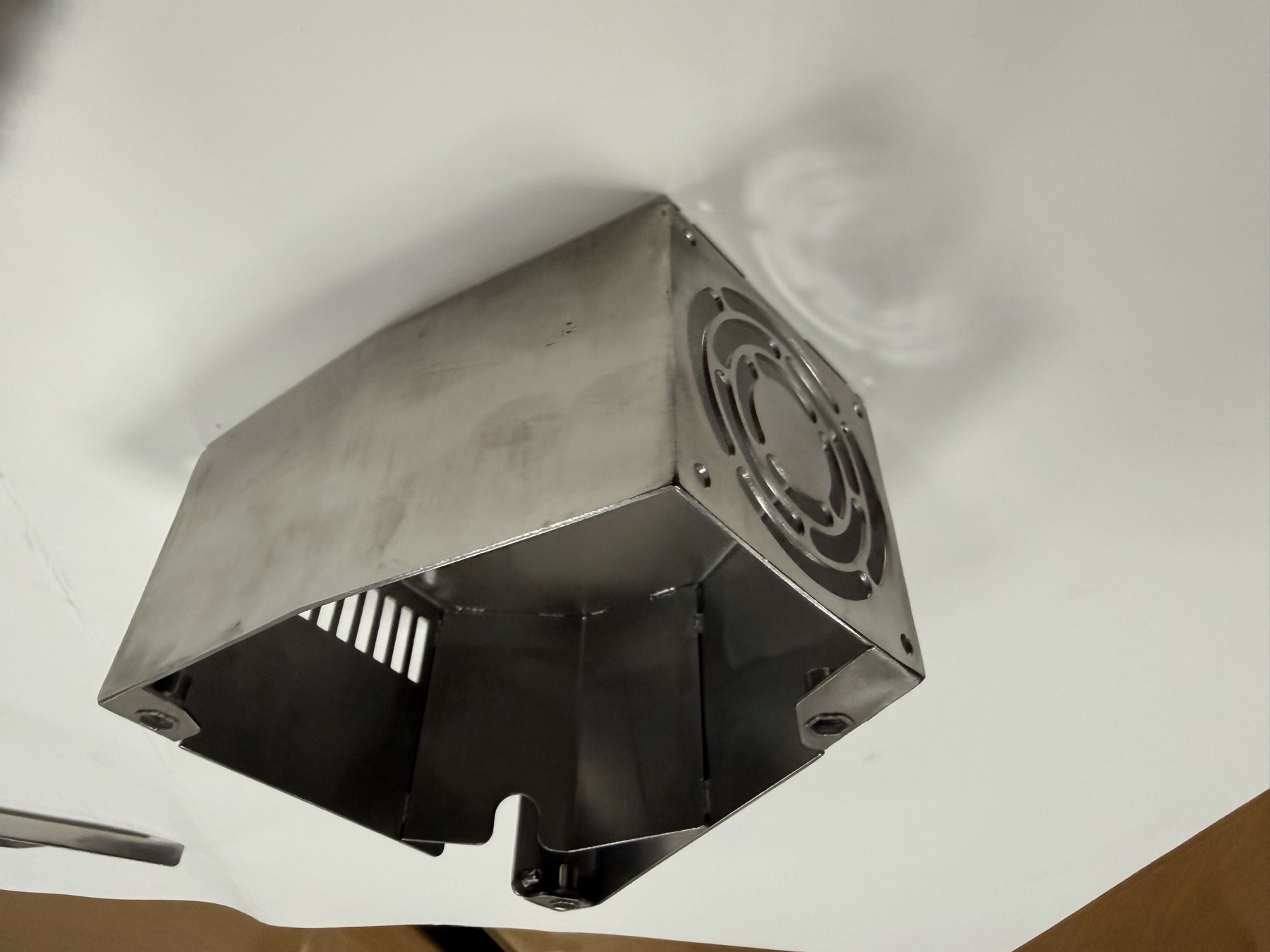
These examples show enclosure, formed cover, tray, bent assembly and batch-production contexts. They do not establish a universal material, tolerance or finish promise.
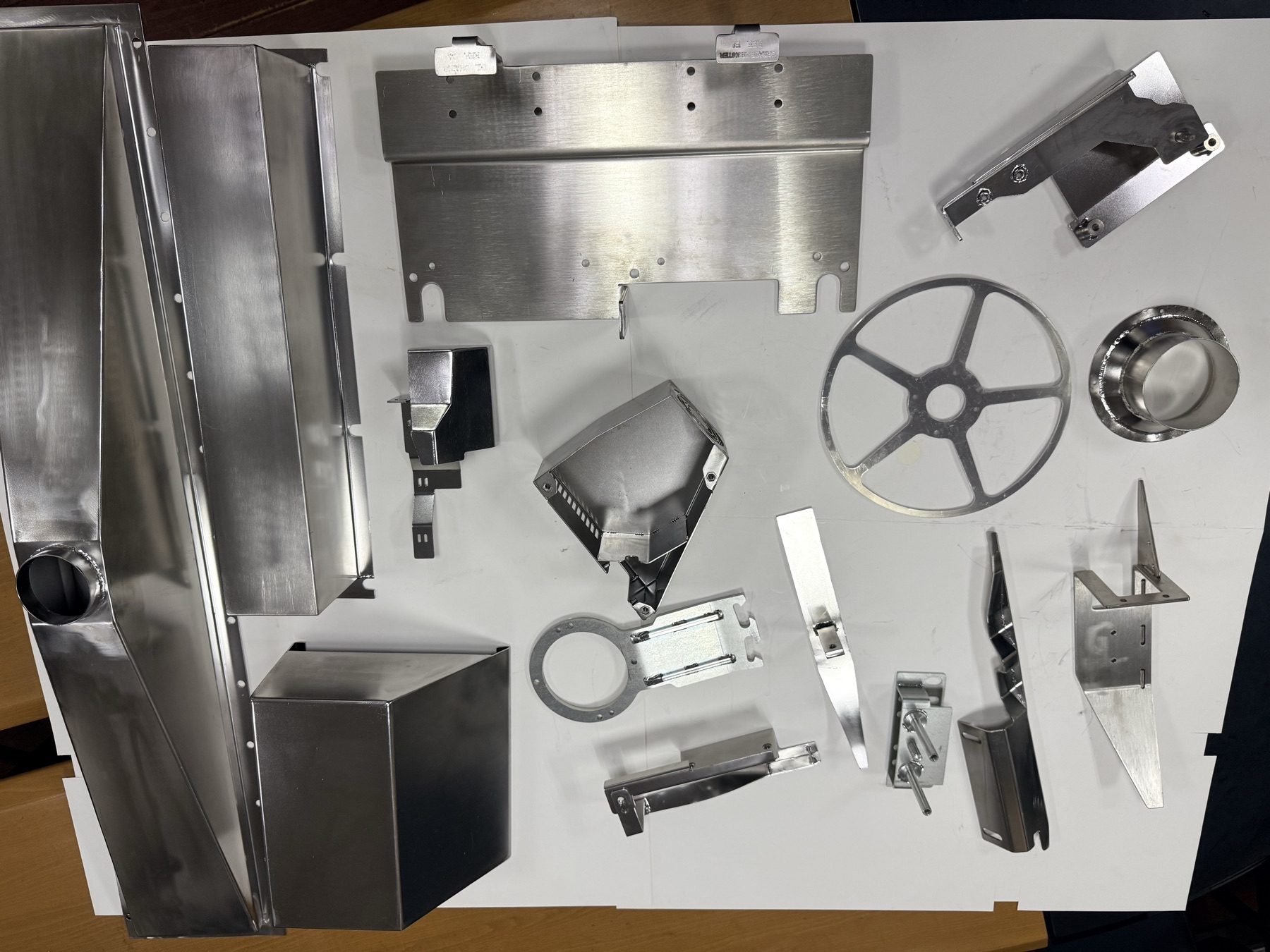
Multiple geometries, formed features and assembly configurations.
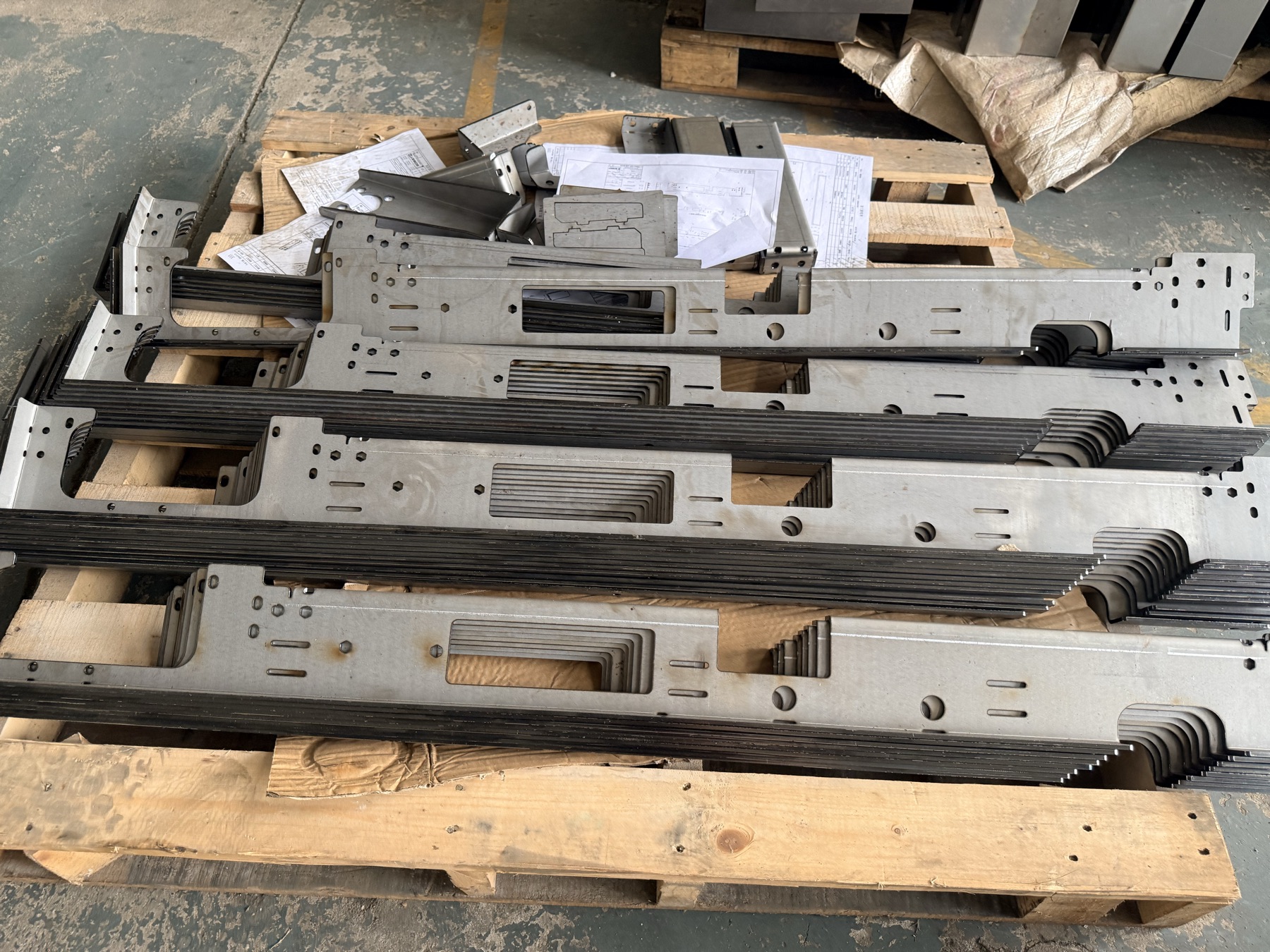
Production-stage blanks and formed components.
Formed panels, ventilation features and joined construction.
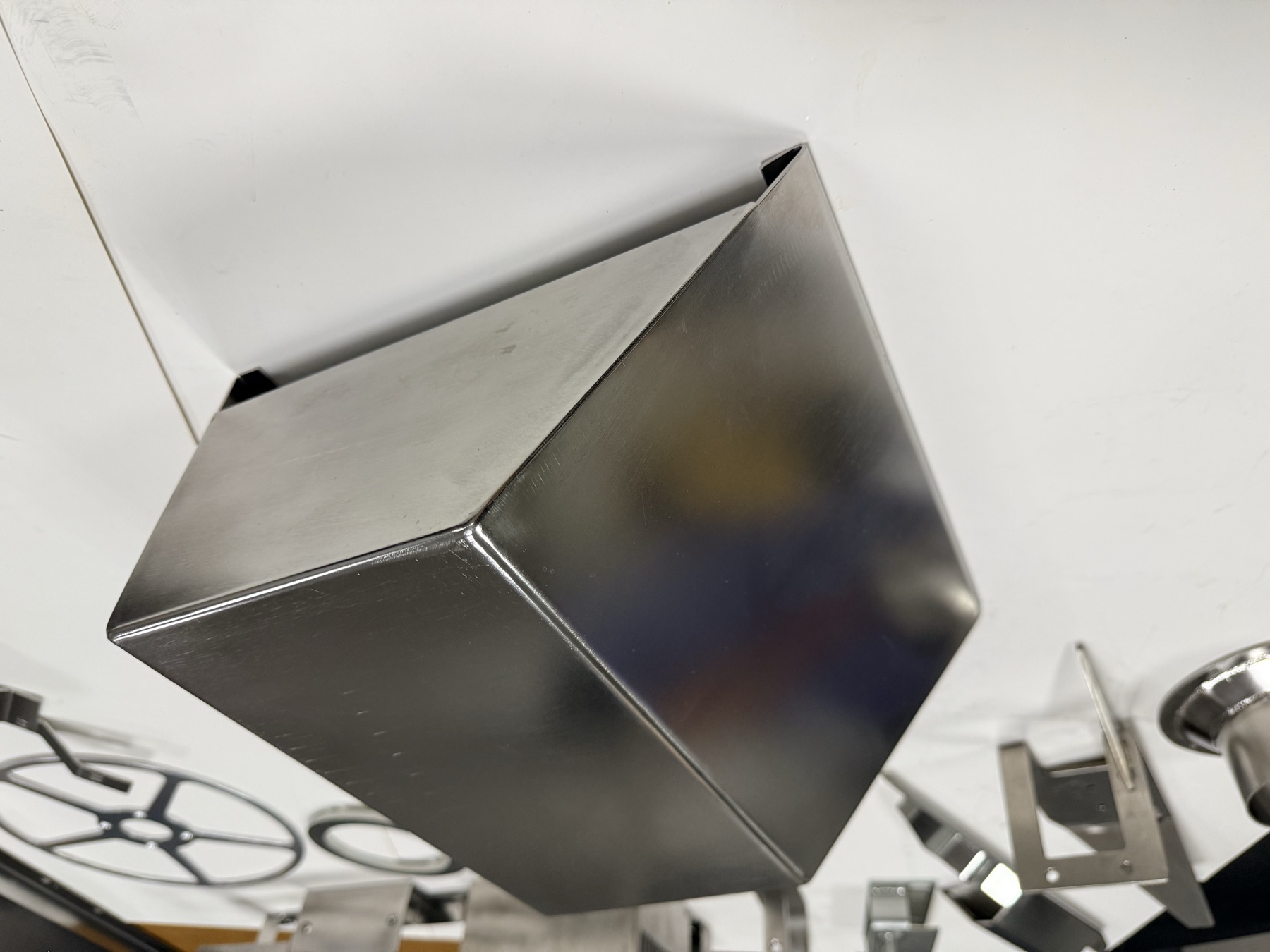
Visible surfaces, transitions and edge conditions.
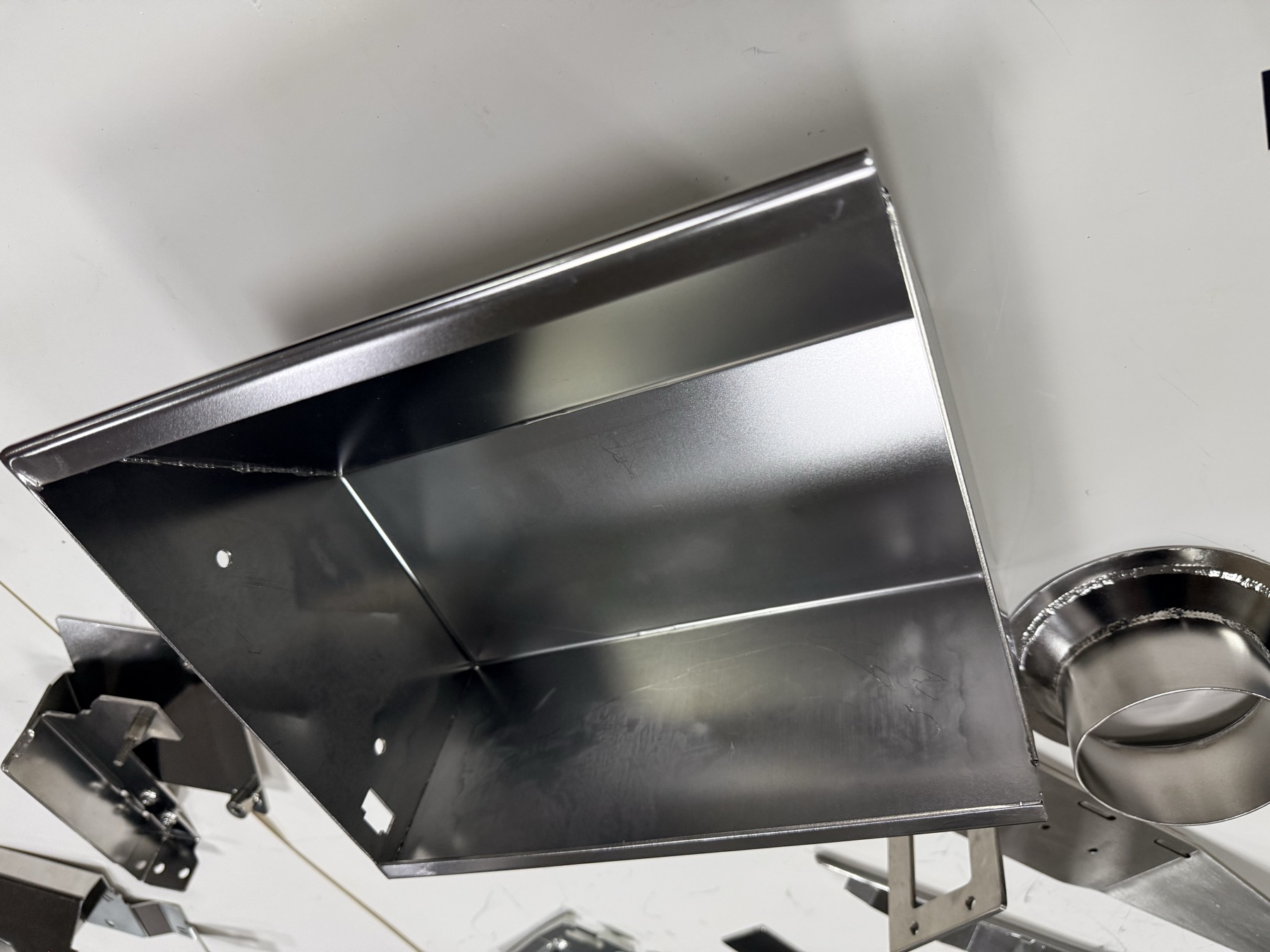
Bend sequencing and assembled geometry.
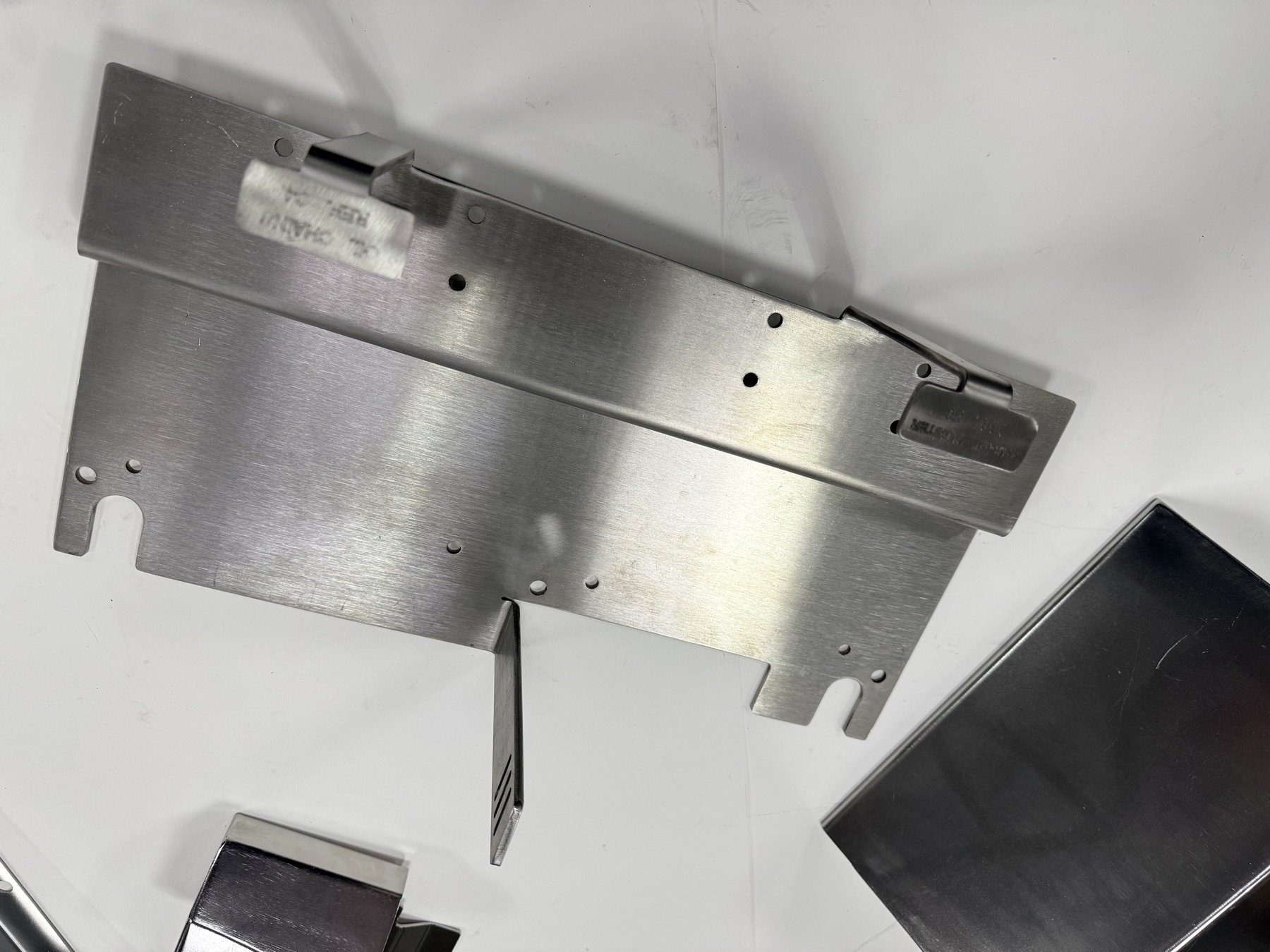
Interfaces, hardware locations and functional formed features.
Buyer inputs
Missing information is surfaced as a question, not converted into an unsupported assumption.
Sheet metal FAQ
Material thickness variation, grain direction, bend deduction, tooling, springback, feature distance from bends and the measurement method all influence the result.
Yes. Mark visible surfaces, grain direction, color or texture references, protected areas, acceptable weld dressing and packaging expectations.
No. The photos document real process categories; exact power, tonnage, working envelope and project capability must be confirmed during technical review.
Next step
Send material, thickness, quantities and critical surfaces with the latest files.