
Aluminum alloys
Lightweight housings, fixtures, heat-management parts and general machined components.
RFQ checksGrade and temper, anodizing response, cosmetic surfaces, distortion and conductivity.
Materials
Jinxi reviews grade, condition, stock form, geometry, finish, inspection and availability together. The groups below are sourcing starting points—not a promise that every grade, size or certification is in stock.
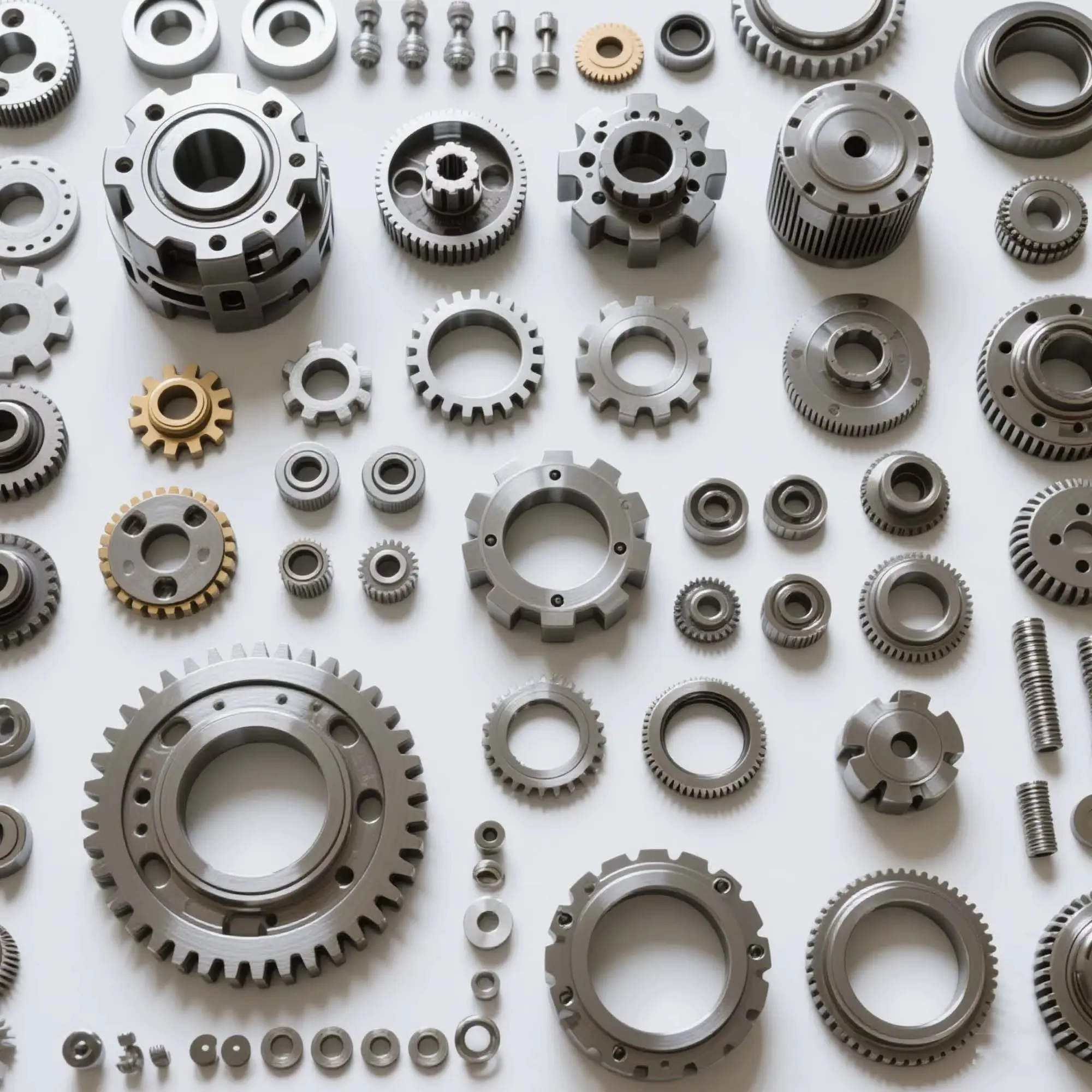
Material and finish planning
Start with the functional requirement, environment and drawing specification, then confirm the exact material grade, condition and compatible finish before quotation. Strength, corrosion resistance, appearance, conductivity, wear, dimensional change and masking needs can all affect the process route. Jinxi reviews the material and finish as one manufacturing decision rather than treating them as separate checklist items.

Compare surface finishesReview CNC machiningReview sheet metal fabricationDefine quality documentsSubmit material and finish requirements
Material groups
Exact grade, temper, hardness, source standard and documentation must appear on the RFQ or drawing.
Lightweight housings, fixtures, heat-management parts and general machined components.
RFQ checksGrade and temper, anodizing response, cosmetic surfaces, distortion and conductivity.
Loaded, wear-sensitive or heat-treated components and tooling.
RFQ checksGrade, condition, heat treatment, hardness depth, grinding allowance and corrosion protection.
Corrosion-resistant, cleanable and appearance-sensitive components.
RFQ checksExact grade, magnetic/corrosion requirement, work hardening, passivation and surface condition.
Conductive parts, fluid components, inserts and decorative applications.
RFQ checksAlloy, conductivity, burr control, joining, plating and material identification.
High-performance parts where weight, heat or corrosion requirements justify the route.
RFQ checksGrade, traceability, tool access, heat generation, contamination control and project-specific capability.
Insulating, low-friction, low-weight or chemically resistant components.
RFQ checksResin grade, moisture/temperature, dimensional stability, stress relief and cosmetic acceptance.
Share the application, environment, mechanical requirements, quantity and finish so alternatives can be compared responsibly.