
Broad coverage across nearly all commonly machinable metals and engineering plastics; confirm the exact grade and condition at RFQ.
CNC milling & turning
CNC custom processing services
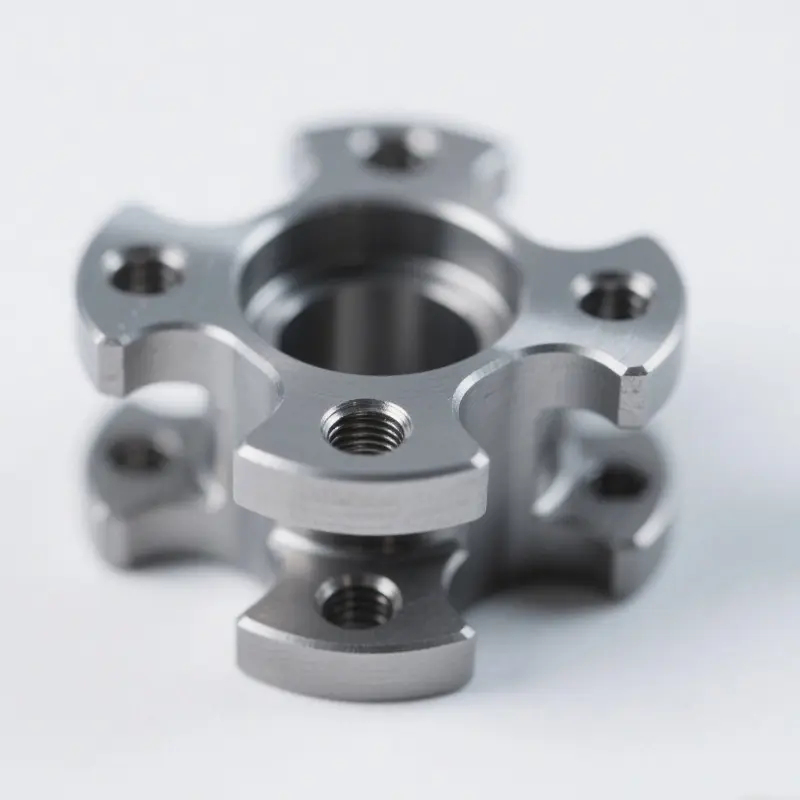
Custom metal and engineering-plastic parts are reviewed from the drawing outward: geometry, material, quantity, critical features, surface finish and inspection evidence determine the manufacturing route.
CNC capability at a glance
What CNC machining work can Jinxi review?
Jinxi reviews CNC machining requirements for nearly all commonly machinable metals and engineering plastics, from approximately 5 mm to 500 mm in overall part size. For selected critical features, tolerance capability can reach ±0.003 mm when the material, geometry, machine route, inspection method and production conditions are suitable. This is a conditional capability, not a blanket tolerance guarantee for every dimension or project.
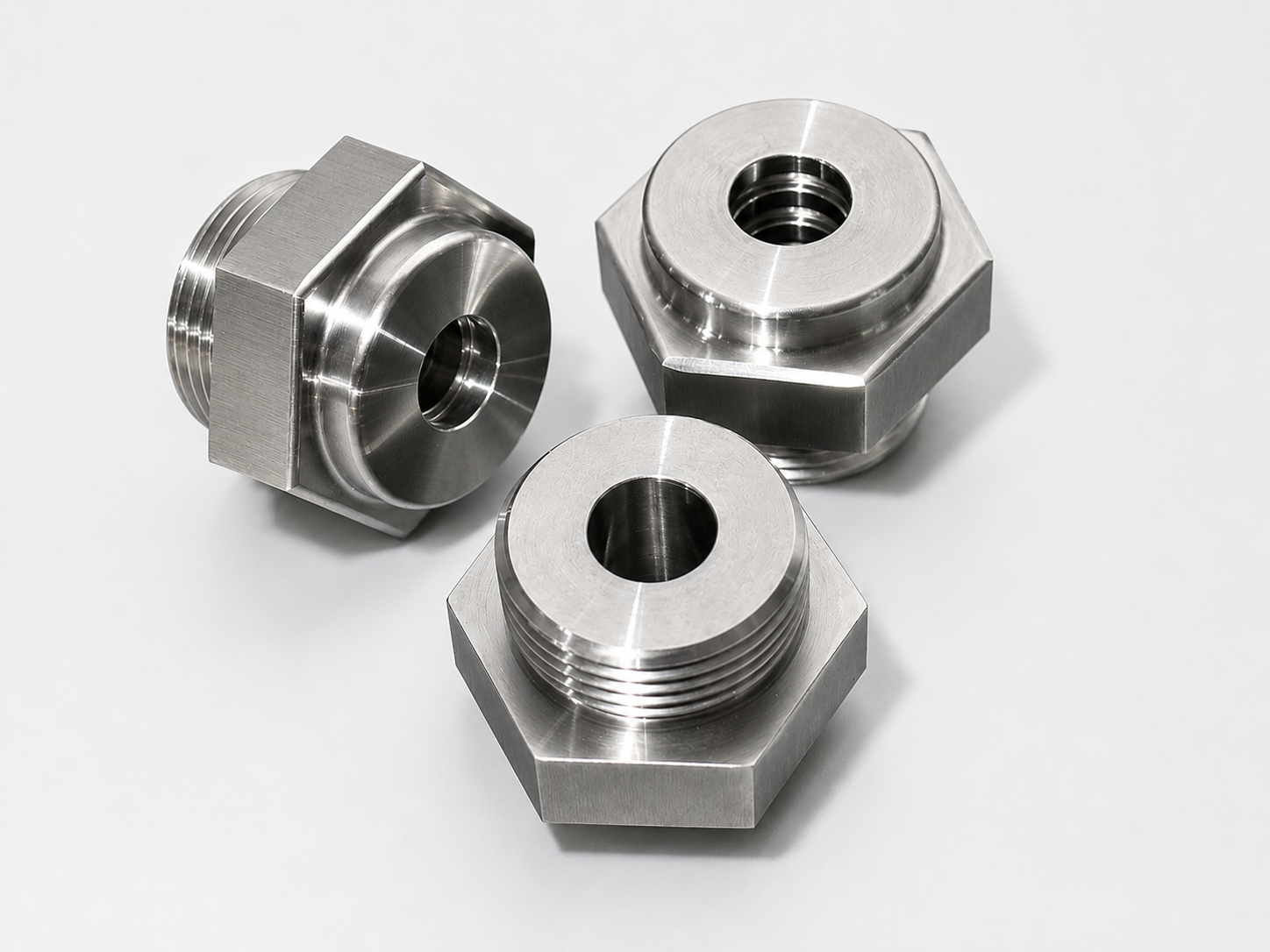
MaterialsCommon metals and engineering plastics; exact grade and condition require drawing review.
Part sizeApproximately 5–500 mm, subject to geometry, fixturing and machine access.
Critical toleranceDown to ±0.003 mm on selected features after engineering and inspection review.
Production decisionMachine route, inspection plan, quantity and delivery are confirmed before commitment.
A Shanghai CNC supplier for ongoing production
CNC machining is Jinxi Precision’s core strength. From our Shanghai factory, we support buyers in Europe and North America with precision manufacturing, quality control and cost-conscious production planning. Our ongoing customer relationships include aerospace businesses in the United States, automotive businesses in Switzerland and shipbuilding businesses in South Korea.
We review requirements from dozens to hundreds of thousands of parts, including repeat orders. This is a project range, not a guarantee that every part or schedule is feasible: material, geometry, tolerances, inspection requirements, production capacity and delivery timing are confirmed for each order. Share your drawing, batch quantity and expected annual demand so we can assess a suitable supply plan.
Review materialsReview finishesReview quality documentsUpload a drawing for review
Processing scope
What this service can include
- CNC milling for prismatic, multi-face and complex 3D features
- CNC turning for rotational, threaded and concentric components
- Multi-axis access review to reduce setups on complex geometry
- Precision mould, EDM, grinding and secondary-operation coordination where applicable
- Prototype, low-volume and repeat-production planning from controlled drawings
Buyer inputs
What to include in the RFQ
- Latest STEP/DWG/PDF and revision
- Exact material grade and condition
- Prototype, batch and annual quantity
- Critical dimensions, datums and reports
- Finish, marking, packaging and destination
Available for suitable features when geometry, material, setup, datum strategy and measurement method support it.
Approximate overall range; final fit depends on part shape, workholding, machine travel and required feature access.
Machinable materials
Broad metal and engineering-plastic coverage
- Metals: aluminum, stainless steel, carbon steel, tool steel, brass, copper, titanium and other machinable alloys.
- Engineering plastics: POM/Delrin, PEEK, nylon, PVC, acrylic, PTFE and other machinable polymers.
- Specialty grades and heat-treated conditions are reviewed against tooling, deformation, finish and inspection risk before quotation.
Products & equipment
Sample evidence must connect to the process.
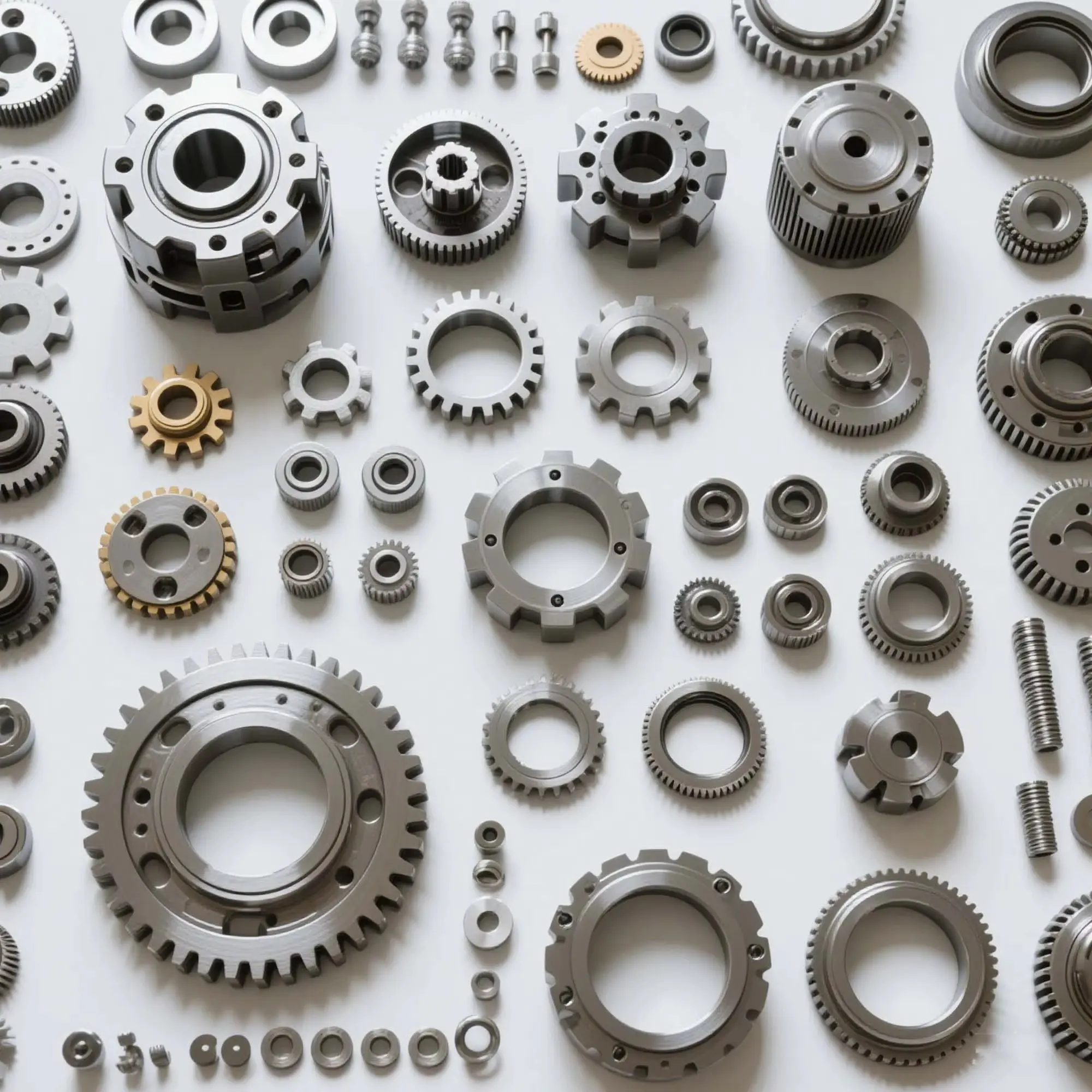
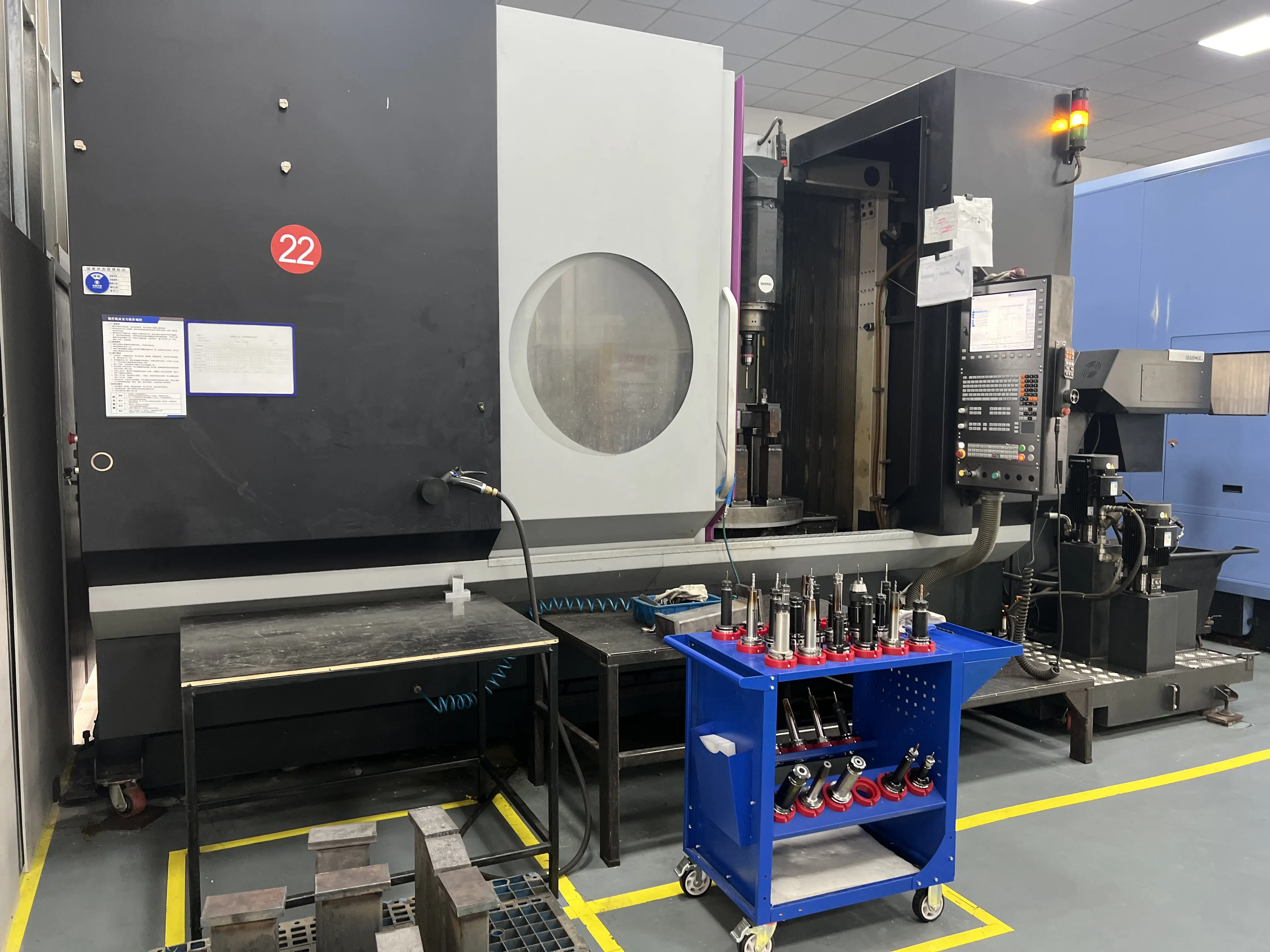
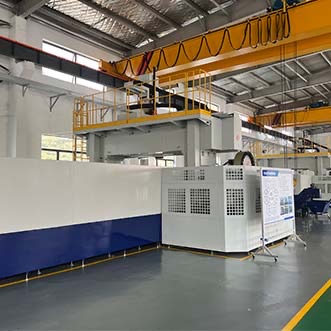
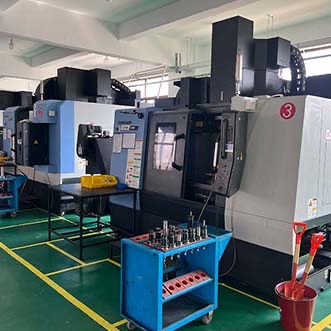
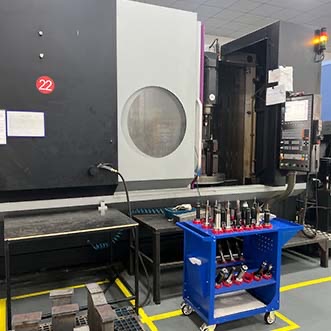
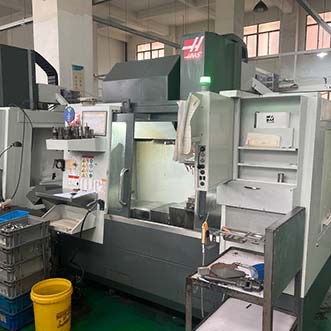
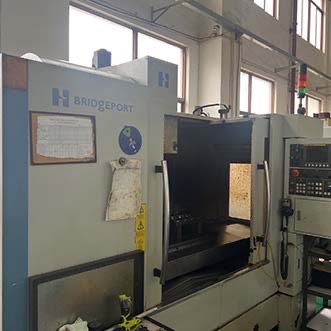
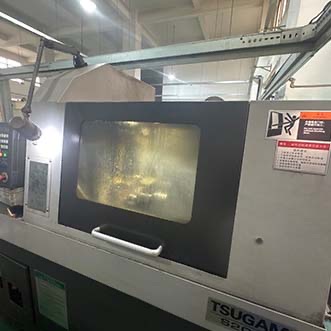
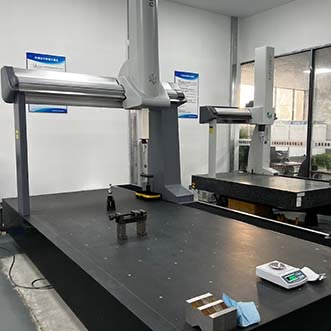
These retained images show product or equipment context available for review. Exact model, travel, force, envelope, quantity and availability will be added after the technical inventory is confirmed.
- Evidence pointMachining centers and multi-axis equipment
- Evidence pointCNC lathes and Swiss-type turning equipment
- Evidence pointCMM and dimensional inspection equipment
- Evidence pointProcess-specific workholding and gauging
CNC equipment evidence
The machines behind our machining range.
Equipment images are retained from Jinxi company materials. Exact model, quantity, travel and current availability remain subject to the controlled equipment register.
Technical data
Project limits must be verified before commitment.
Published ranges help qualify an RFQ; the drawing still determines the approved process and inspection route.
Feature geometry, material condition, setup count, datum structure and measurement uncertainty are reviewed together.
The 5–500 mm range is checked against workholding, travel, tool access, deformation risk and safe handling.
Inspection reports, material records, traceability and first-article requirements are agreed before production.
Manufacturing workflow
One controlled route from RFQ to shipment.
- 01 · Requirement reviewDrawing revision, material, quantity and critical requirements.
- 02 · DFM & process planManufacturing route, open questions, tooling and inspection checkpoints.
- 03 · Production & in-process controlApproved inputs, controlled setup and risk-based checks.
- 04 · Final verificationAgreed dimensions, documentation, finish, marking and packaging.
Service FAQ
Questions to resolve before commitment.
Can Jinxi quote from a 3D model only?
A 3D model can start the review, but a controlled 2D drawing is preferred for tolerances, datums, notes and acceptance criteria.
What tolerance can be achieved?
Jinxi states capability down to ±0.003 mm for suitable features. Confirmation remains project-specific because geometry, material, setup, feature size, datum strategy and measurement method all affect feasibility.
Content accountabilityPrepared by the Jinxi Precision content team. Named technical reviewer and review date will be displayed after capability data is approved.
Next step
Let the drawing determine the answer.
Send the latest files and commercial context so the process and inspection route can be reviewed together.