
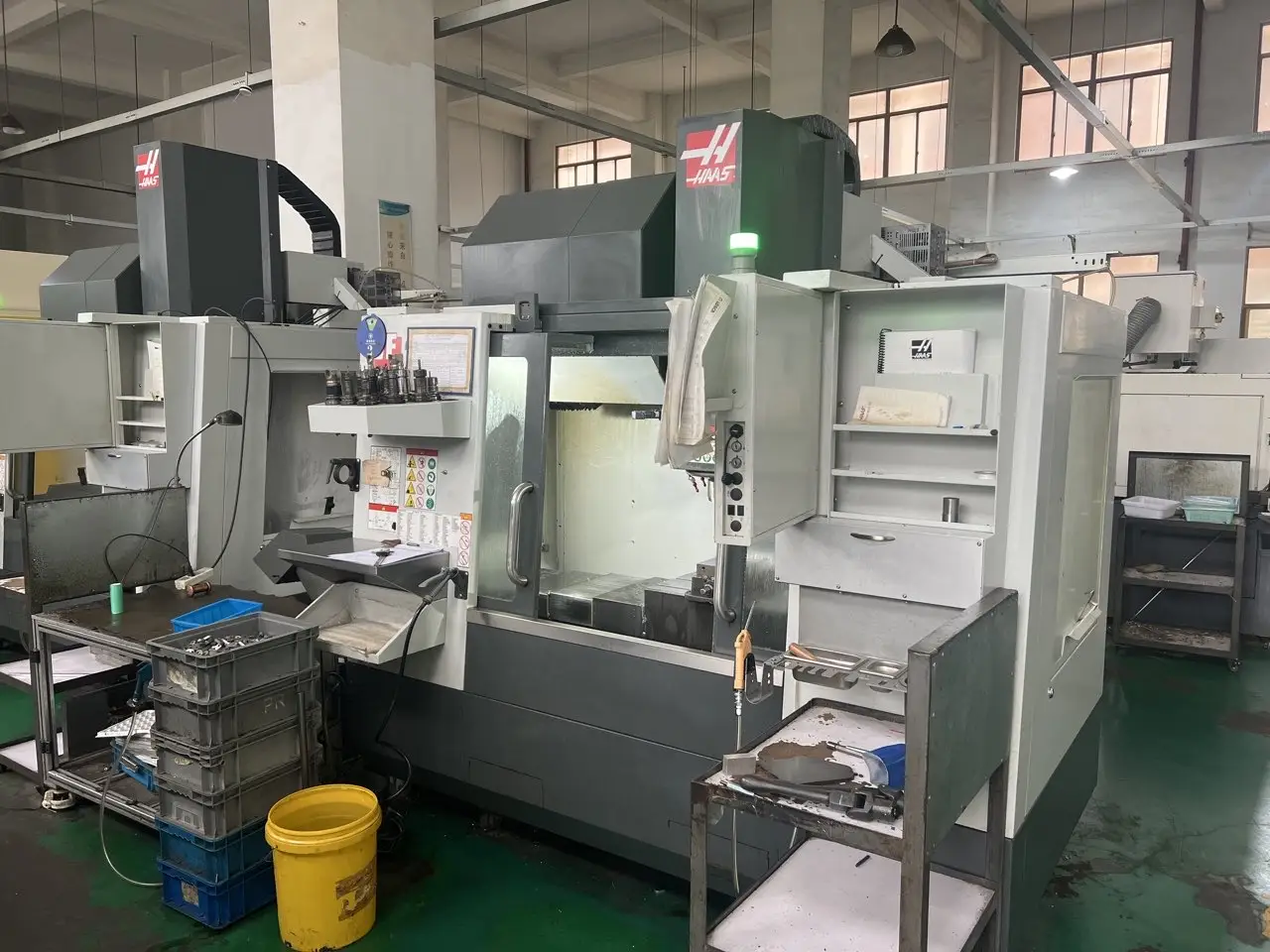
CNC milling stands as one of the most versatile and precise manufacturing processes in modern industrial production. Understanding what is CNC milling begins with recognizing it as a computer-controlled subtractive manufacturing technique that removes material from a workpiece using rotating cutting tools. The process operates through computerized numerical control systems that guide multi-axis machines to create complex three-dimensional parts with exceptional accuracy. The fundamental concept of what is CNC milling involves feeding digital design files, typically CAD models, into specialized software that generates toolpath instructions for the milling machine. These instructions control every aspect of the cutting operation, including tool selection, spindle speed, feed rates, and precise positioning across multiple axes. The main functions of CNC milling encompass material removal through various cutting operations such as face milling, peripheral milling, slot cutting, drilling, and contouring. The technological features that define what is CNC milling include multi-axis capability, typically ranging from three to five axes, enabling complex geometries and undercuts that would be impossible with traditional machining methods. Advanced CNC milling systems incorporate automatic tool changers, coolant systems, and real-time monitoring capabilities that ensure consistent quality and extended tool life. The process excels in working with diverse materials including metals like aluminum, steel, titanium, and brass, as well as plastics, composites, and even specialized materials like ceramics. Applications for CNC milling span numerous industries, from aerospace components requiring tight tolerances to automotive parts, medical devices, electronics housings, and prototype development. The technology enables both high-volume production runs and custom one-off parts, making it invaluable for manufacturers seeking flexibility and precision in their operations.
The advantages of CNC milling make it an indispensable manufacturing solution for businesses seeking superior quality and efficiency. Understanding what is CNC milling reveals numerous practical benefits that directly impact production capabilities and bottom-line results. Precision stands as the primary advantage, with CNC milling achieving tolerances as tight as plus or minus 0.001 inches consistently across production runs. This level of accuracy eliminates costly rework and ensures parts fit perfectly in assemblies, reducing warranty claims and customer complaints. Speed represents another significant benefit, as CNC milling machines operate continuously without breaks, dramatically reducing production time compared to manual machining. The automated nature of what is CNC milling means operators can set up jobs and allow machines to run unattended, maximizing productivity while minimizing labor costs. Consistency delivers tremendous value, as every part produced matches the original specifications exactly, eliminating variations that plague manual processes. This reliability enables businesses to maintain quality standards that build customer trust and loyalty. Flexibility offers exceptional advantages, allowing manufacturers to switch between different parts quickly by simply loading new programs. What is CNC milling demonstrates its versatility by handling complex geometries that would require multiple setups and specialized fixtures with conventional methods. Cost-effectiveness emerges through reduced material waste, as precise cutting minimizes scrap and optimizes material usage. The ability to create complex parts in single setups eliminates multiple operations, reducing handling time and potential errors. Safety improvements result from operators working at safe distances from cutting operations, reducing workplace injuries and associated costs. Programming capabilities allow for easy modifications and improvements without expensive tooling changes. Quality control integration enables real-time monitoring and automatic adjustments, ensuring consistent output. The scalability of CNC milling supports both prototype development and high-volume production, making it suitable for businesses at any stage of growth. These combined advantages make understanding what is CNC milling essential for any manufacturing operation seeking competitive advantages in today’s demanding marketplace.
Unmatched Precision and Repeatability
The precision capabilities of CNC milling represent a revolutionary advancement in manufacturing technology that delivers consistent, accurate results across every production cycle. Understanding what is CNC milling reveals how computer-controlled systems eliminate human error and variability, achieving tolerances that were previously impossible with manual machining methods. Modern CNC milling machines utilize advanced servo motors, linear scales, and feedback systems that monitor position accuracy in real-time, ensuring cuts remain within specified tolerances throughout the entire machining process. This level of precision becomes particularly crucial in industries like aerospace, medical device manufacturing, and automotive applications where component failure due to dimensional inaccuracies can have catastrophic consequences. The repeatability aspect of what is CNC milling means that once a program is proven and optimized, manufacturers can produce identical parts indefinitely without degradation in quality or dimensional accuracy. This consistency eliminates the need for extensive quality control measures and reduces rejection rates significantly. The precision extends beyond basic dimensional accuracy to include surface finish quality, with CNC milling capable of achieving mirror-like finishes that eliminate secondary finishing operations. Advanced interpolation algorithms enable smooth, continuous motion across complex curved surfaces, preventing the faceted appearances common in less sophisticated machining methods. The multi-axis capabilities inherent in what is CNC milling allow for complex geometries to be machined in single setups, maintaining critical relationships between features that might be compromised through multiple repositioning operations. Temperature compensation systems account for thermal expansion during extended machining cycles, maintaining accuracy even as machines warm up during operation. Tool wear monitoring and automatic offset adjustments ensure that dimensional accuracy remains consistent throughout tool life, preventing gradual drift in part dimensions. This combination of precision and repeatability makes CNC milling the preferred choice for critical components where failure is not an option, providing manufacturers with the confidence that every part will meet exact specifications while reducing costly inspection and rework processes.
Exceptional Versatility and Material Compatibility
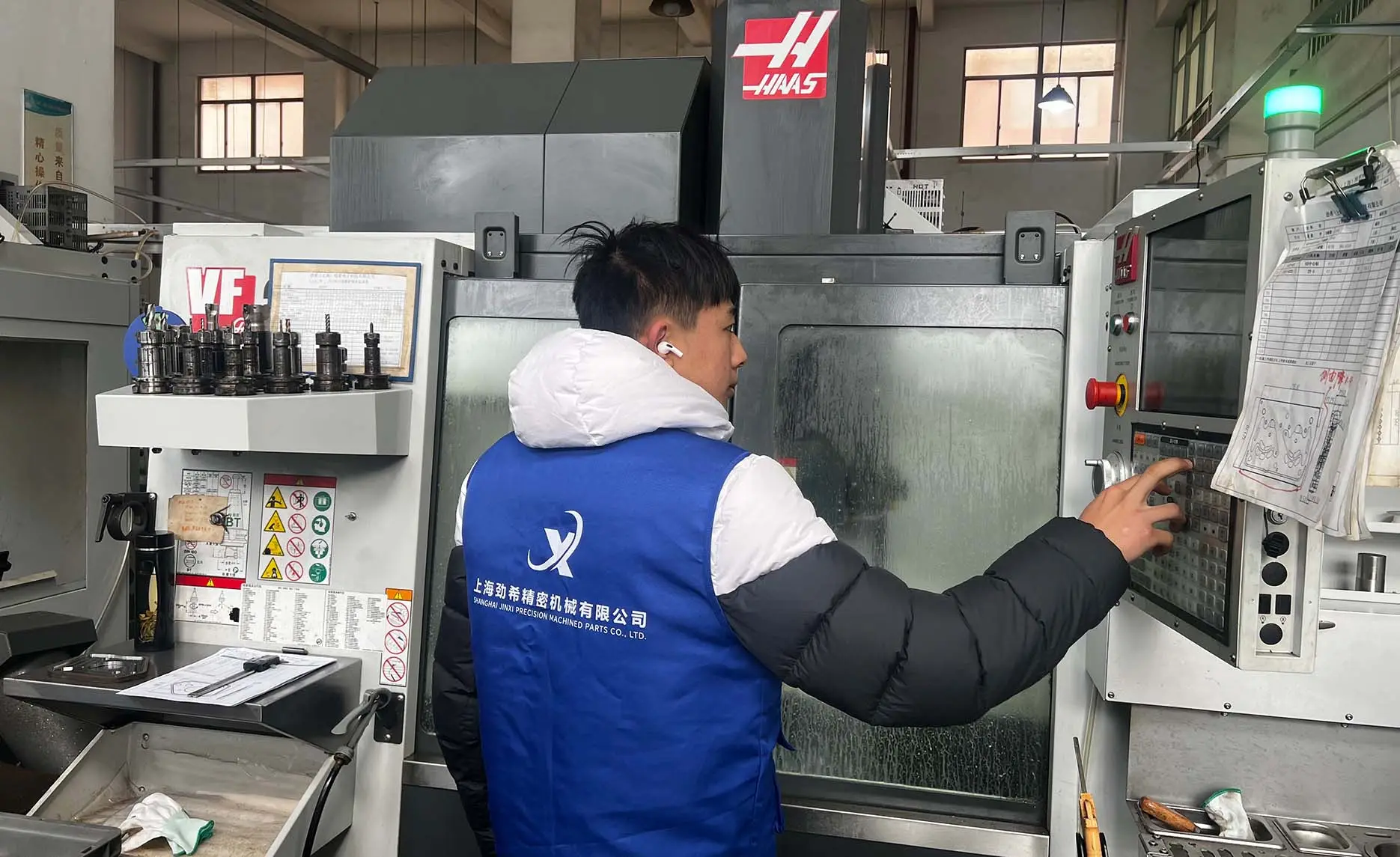
The versatility of CNC milling extends far beyond simple cutting operations, encompassing a comprehensive range of manufacturing capabilities that adapt to virtually any material and geometric requirement. What is CNC milling demonstrates its flexibility through the ability to perform multiple operations including drilling, tapping, boring, contouring, and complex three-dimensional sculpting within a single setup, eliminating the need for multiple machines and reducing handling time. This multi-operational capability proves particularly valuable when machining complex components that traditionally required progression through several different manufacturing processes. The material compatibility of CNC milling spans an impressive range, from soft plastics and composites to exotic superalloys and hardened steels, with each material requiring specific cutting parameters that modern CNC systems can accommodate through programmable speed, feed, and toolpath strategies. Advanced tool management systems automatically select appropriate cutting tools for each operation, optimizing cutting parameters based on material properties and desired finish quality. What is CNC milling showcases its adaptability through the ability to machine parts ranging from intricate miniature components for electronics to large structural elements for aerospace applications, with machines available in various sizes and configurations to match specific production requirements. The programming flexibility allows for rapid changes between different part designs without extensive setup modifications, making CNC milling ideal for both prototype development and production manufacturing. Custom fixtures and workholding solutions can be programmed directly into the machining process, ensuring proper part orientation and secure clamping throughout complex operations. The integration of probing systems enables automatic part alignment and dimensional verification during machining, compensating for variations in raw material dimensions or setup positioning. Multi-pallet systems extend versatility by allowing continuous operation while operators load and unload parts on alternate pallets, maximizing machine utilization and throughput. The scalability of CNC milling operations supports everything from single prototype parts to high-volume production runs, with the same programming and setup procedures applicable regardless of quantity requirements, making it an invaluable solution for manufacturers facing diverse and changing production demands.
Advanced Automation and Efficiency Optimization
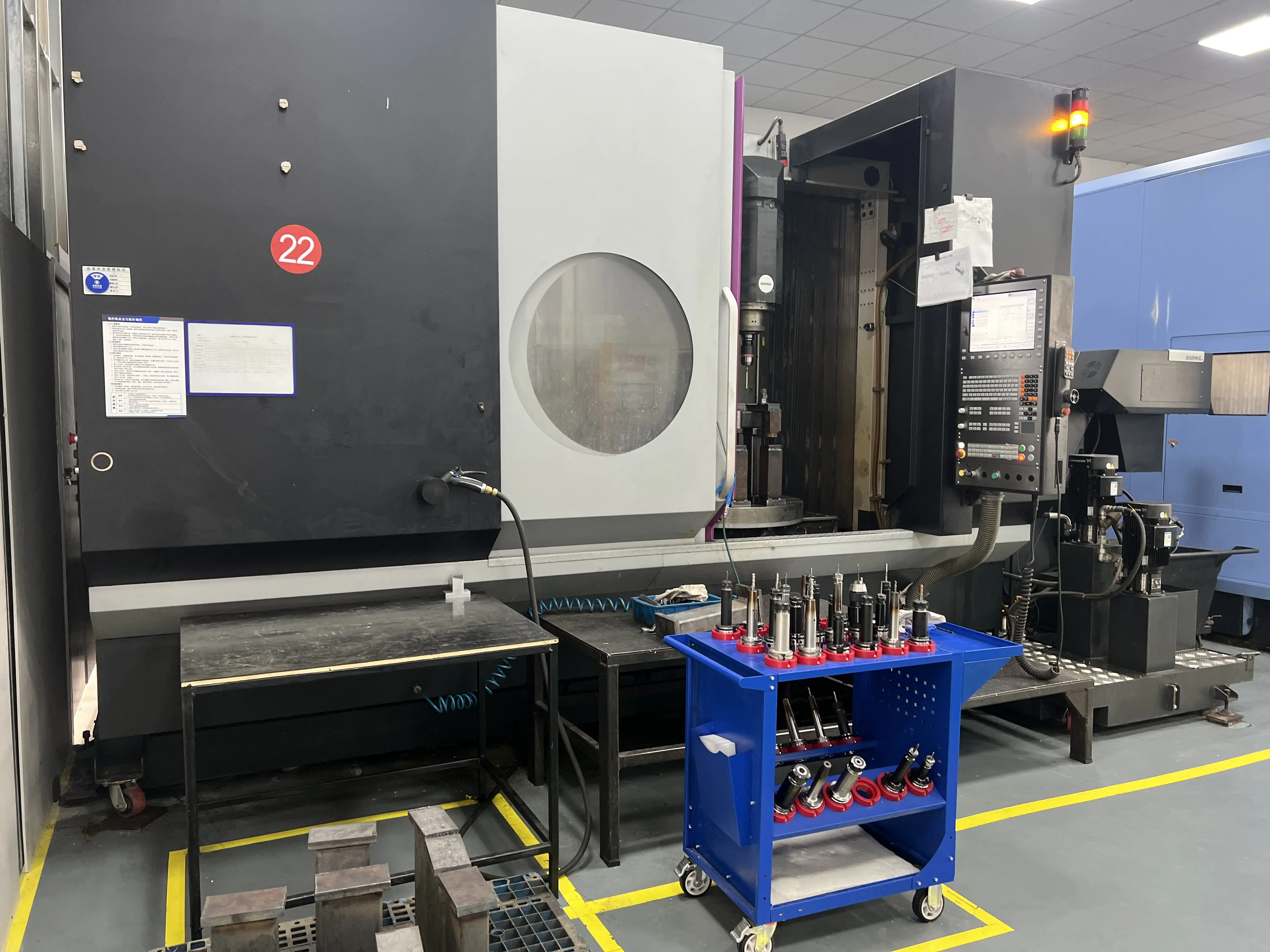
The automation capabilities of modern CNC milling systems represent a paradigm shift in manufacturing efficiency, transforming traditional machining from labor-intensive manual operations into streamlined, computer-controlled processes that maximize productivity while minimizing human intervention. Understanding what is CNC milling reveals how sophisticated automation features work together to create a manufacturing environment where machines operate with minimal supervision, allowing skilled operators to focus on programming, setup, and quality assurance rather than manual machine operation. Automatic tool changing systems, a cornerstone of CNC milling automation, enable machines to select and install the appropriate cutting tools for each operation without operator intervention, reducing setup time and eliminating the potential for tool selection errors. These systems can accommodate tool libraries containing dozens of different cutting tools, each with programmed parameters for optimal performance in specific applications. The integration of what is CNC milling with advanced monitoring systems provides real-time feedback on cutting forces, spindle load, and tool condition, automatically adjusting parameters or alerting operators when intervention is required. Predictive maintenance algorithms analyze machine performance data to schedule maintenance before failures occur, minimizing unplanned downtime and extending equipment life. Automated workpiece handling systems, including robotic loaders and conveyor systems, enable lights-out manufacturing where machines continue operating during unmanned shifts, dramatically increasing productive capacity without proportional increases in labor costs. The programming sophistication of modern CNC milling systems includes adaptive machining strategies that automatically adjust cutting parameters based on material removal rates and surface finish requirements, optimizing cycle times while maintaining quality standards. What is CNC milling demonstrates efficiency through integrated CAD/CAM software that generates optimized toolpaths directly from design files, eliminating manual programming time and reducing the potential for human error. Advanced simulation capabilities allow operators to verify programs and identify potential collisions or inefficiencies before actual machining begins, preventing costly mistakes and material waste. The networking capabilities of modern systems enable remote monitoring and program management, allowing supervisors to oversee multiple machines from centralized locations and respond quickly to any issues that arise during production.