
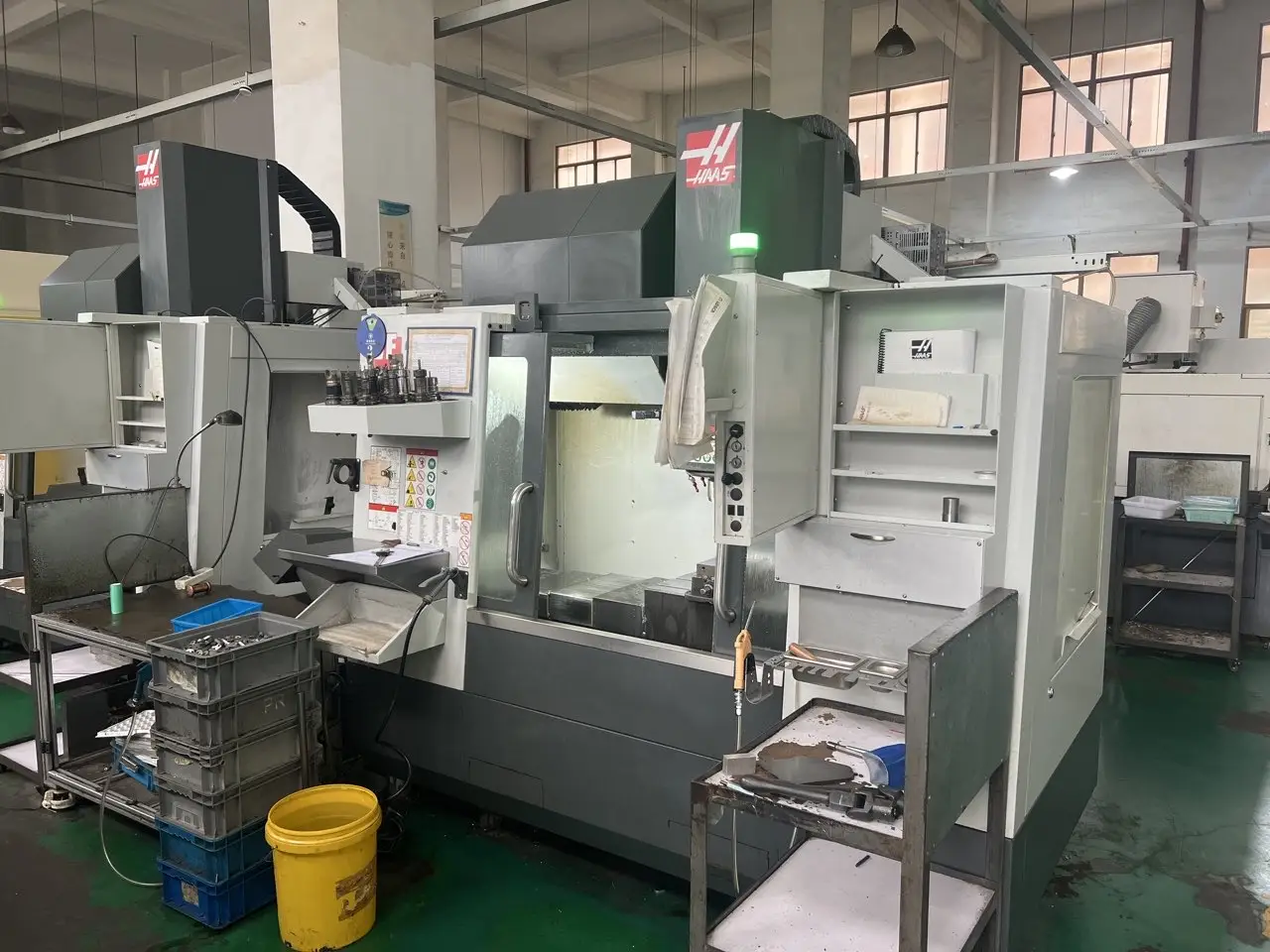
CNC turning represents a sophisticated manufacturing process that utilizes computer-controlled machinery to shape materials with exceptional precision and efficiency. What is CNC turning exactly? It involves the rotation of a workpiece on a lathe while cutting tools remove material to create cylindrical parts with intricate geometries. This automated machining process has revolutionized modern manufacturing by combining traditional turning techniques with advanced computer programming and control systems. The main functions of CNC turning include producing round components, threading operations, grooving, facing, and creating complex contours on rotating workpieces. The process begins with a computer program that contains detailed instructions for tool movements, cutting speeds, and feed rates. These programs control servo motors that position cutting tools with microscopic accuracy, ensuring consistent results across production runs. Technological features that distinguish CNC turning include multi-axis capabilities, automatic tool changing systems, live tooling options, and sophisticated feedback mechanisms. Modern CNC turning centers can perform multiple operations simultaneously, reducing setup time and improving productivity. The integration of CAD/CAM software allows engineers to design parts digitally and generate machine code automatically. Applications for CNC turning span numerous industries including aerospace, automotive, medical devices, electronics, and general manufacturing. Components produced through CNC turning include shafts, pins, bushings, fittings, connectors, and complex precision parts requiring tight tolerances. The aerospace industry relies heavily on CNC turning for creating critical engine components and structural elements. Automotive manufacturers use this technology to produce transmission parts, brake components, and engine accessories. Medical device companies depend on CNC turning to manufacture surgical instruments, implants, and diagnostic equipment components that demand biocompatible materials and exceptional surface finishes.
Understanding what is CNC turning reveals numerous compelling advantages that make this manufacturing method superior to traditional machining approaches. The most significant benefit lies in precision and accuracy capabilities that consistently achieve tolerances within thousandths of an inch. This level of precision eliminates human error and ensures every part meets exact specifications regardless of production volume. Manufacturers can produce identical components repeatedly without quality variations that plague manual operations. Cost effectiveness emerges as another major advantage, particularly for medium to high-volume production runs. While initial setup costs may seem substantial, the long-term savings from reduced labor requirements, minimal waste generation, and faster production cycles create substantial value. CNC turning operates with minimal supervision, allowing skilled operators to manage multiple machines simultaneously and dramatically reducing per-part manufacturing costs. Speed and efficiency represent crucial competitive advantages in today’s fast-paced manufacturing environment. CNC turning machines operate continuously with minimal downtime, processing parts much faster than manual alternatives. Automated tool changes and programmable operations eliminate time-consuming manual adjustments between different parts or production batches. This efficiency translates directly into shorter lead times and improved customer satisfaction. Flexibility stands out as a particularly valuable advantage for businesses facing changing market demands. The same CNC turning machine can produce completely different parts simply by loading new programs and changing tooling. This adaptability allows manufacturers to respond quickly to custom orders or design modifications without investing in specialized equipment. Material versatility expands manufacturing possibilities significantly, as CNC turning works effectively with metals, plastics, composites, and exotic materials. Surface finish quality achieved through CNC turning often eliminates secondary operations like polishing or grinding, reducing overall production time and costs. The consistent surface finishes meet demanding specifications for applications requiring smooth operation or aesthetic appeal. Safety improvements represent an often-overlooked advantage, as CNC turning reduces operator exposure to moving machinery and cutting tools. Automated operations minimize repetitive motion injuries and create safer working environments. Quality control benefits include built-in measurement systems and statistical process monitoring that identify potential issues before they affect production quality.
Unmatched Precision and Repeatability
When exploring what is CNC turning, precision stands as the cornerstone advantage that sets this technology apart from all traditional machining methods. Modern CNC turning centers achieve tolerances as tight as ±0.0001 inches, a level of accuracy that manual operations simply cannot match consistently. This extraordinary precision stems from computer-controlled positioning systems that eliminate human variability and maintain exact tool positions throughout the entire machining process. The repeatability aspect proves equally impressive, as CNC turning machines can produce thousands of identical parts with virtually no dimensional variation between pieces. This consistency becomes crucial for industries like aerospace and medical devices where component interchangeability and precise fits determine product safety and performance. The precision advantage extends beyond simple dimensional accuracy to include surface finish quality, with CNC turning capable of achieving surface roughness values as low as 8 microinches Ra. Such smooth finishes often eliminate the need for secondary polishing operations, reducing production time and costs while ensuring parts meet demanding functional requirements. Furthermore, the precision capabilities of CNC turning enable the production of complex geometries that would be impossible or prohibitively expensive using conventional methods. Intricate contours, multiple diameters, and precise angular features can be machined in a single setup, maintaining perfect alignment and dimensional relationships between features. This single-setup capability not only improves precision but also reduces handling time and potential errors associated with multiple machine setups. Quality control systems integrated into modern CNC turning centers provide real-time monitoring and automatic adjustments to maintain precision throughout production runs. These systems can detect tool wear, thermal expansion, and other factors that might affect accuracy, making corrective adjustments automatically to ensure every part meets specifications. The economic impact of this precision cannot be overstated, as it virtually eliminates scrap parts and rework while ensuring consistent product quality that builds customer confidence and reduces warranty claims.
Exceptional Production Efficiency and Speed
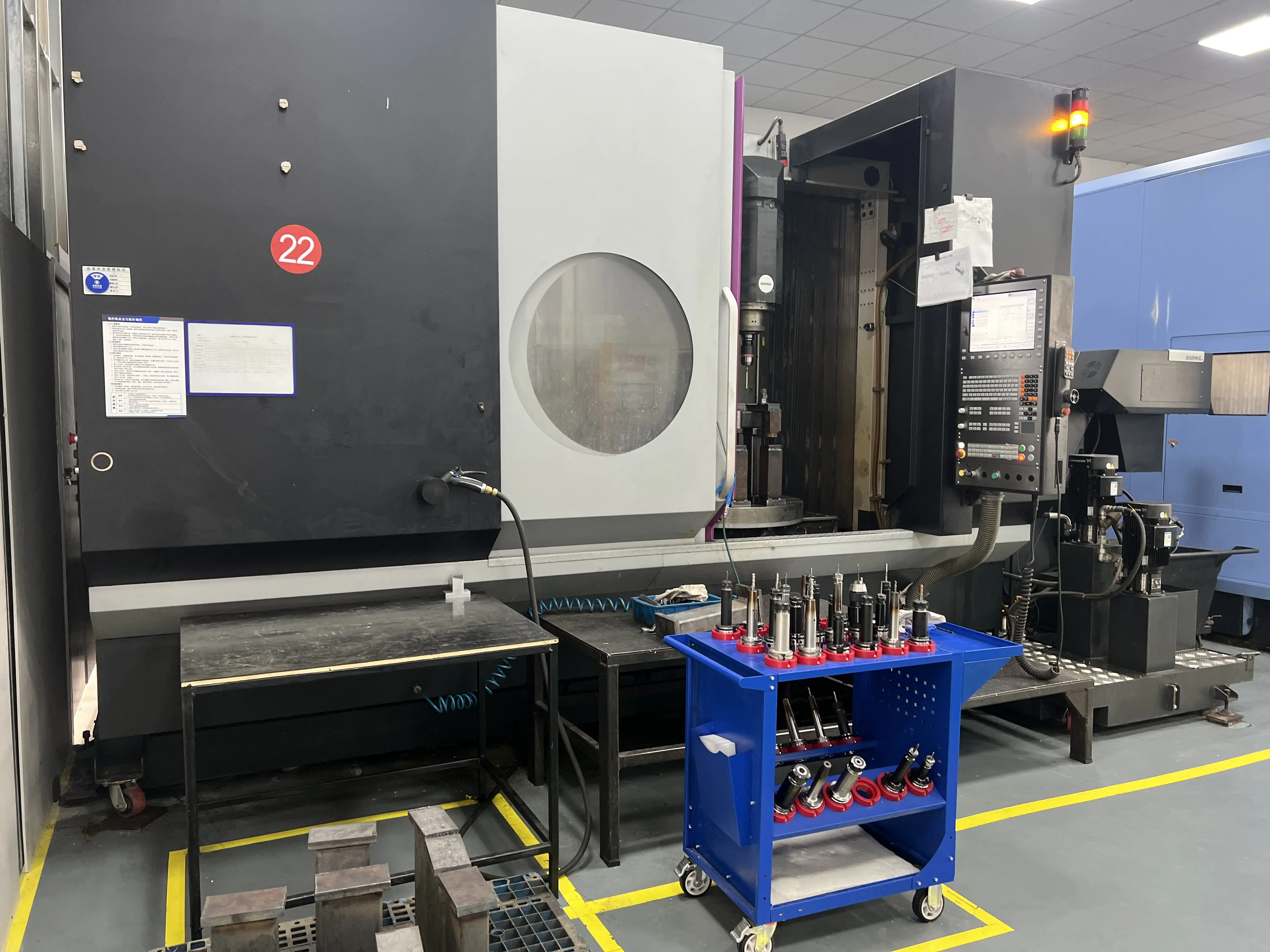
Production efficiency represents a fundamental advantage when considering what is CNC turning offers to modern manufacturing operations. Unlike traditional manual turning that requires constant operator attention and frequent adjustments, CNC turning machines operate autonomously once programmed, dramatically increasing throughput while reducing labor costs. A single skilled operator can supervise multiple CNC turning centers simultaneously, maximizing productivity and optimizing labor utilization across the manufacturing facility. The speed advantages become apparent through faster spindle speeds, rapid tool changes, and optimized cutting parameters that push materials to their limits safely. Modern CNC turning centers can achieve spindle speeds exceeding 6000 RPM while maintaining precision, enabling faster material removal rates and shorter cycle times. Automatic tool changing systems swap cutting tools in seconds rather than minutes, eliminating downtime between operations and enabling complex parts to be completed in single setups. The programming efficiency of CNC turning systems allows for sophisticated optimization algorithms that determine optimal cutting speeds, feed rates, and tool paths automatically. These systems consider material properties, tool capabilities, and machine limitations to generate the most efficient machining strategies possible. Advanced features like adaptive control monitor cutting conditions in real-time and adjust parameters automatically to maintain optimal performance even as tools wear or materials vary. Batch production capabilities showcase another efficiency advantage, as CNC turning machines can process multiple parts simultaneously using specialized workholding fixtures. This parallel processing approach multiplies productivity while maintaining the precision and quality standards that make CNC turning so valuable. The consistency of CNC turning operations eliminates the learning curve associated with manual machining, where operator skill development can take years to achieve proficiency. New operators can produce high-quality parts immediately after basic training, reducing the time and cost associated with workforce development. Additionally, CNC turning operations run reliably during extended shifts and can operate lights-out during off-hours with proper setup, effectively providing 24-hour production capabilities that maximize equipment utilization and accelerate project completion times.
Remarkable Versatility and Adaptability
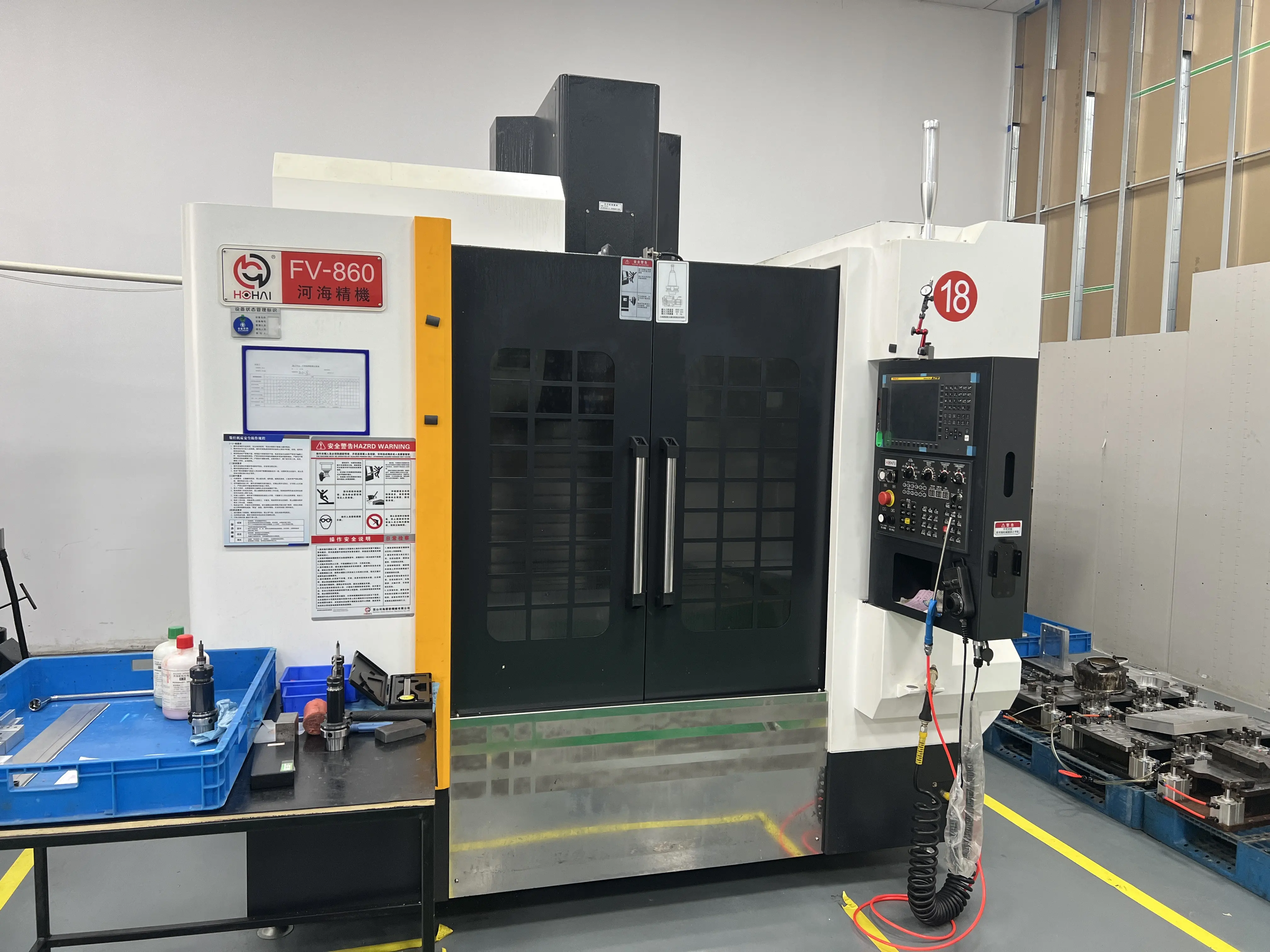
The versatility inherent in understanding what is CNC turning reveals capabilities that extend far beyond simple material removal operations. Modern CNC turning centers function as complete manufacturing solutions capable of performing multiple operations including turning, drilling, milling, threading, and grinding within a single machine setup. This multi-functional capability eliminates the need to transfer parts between different machines, reducing handling time, setup costs, and potential accuracy losses associated with multiple machine setups. Live tooling options available on advanced CNC turning centers enable cross-hole drilling, keyway cutting, and milling operations on rotating parts, creating complex geometries that would traditionally require multiple specialized machines. The material versatility of CNC turning encompasses an extensive range including aluminum alloys, steel grades, stainless steels, titanium, inconel, plastics, composites, and exotic materials used in specialized applications. Each material presents unique machining challenges, but CNC turning systems adapt through programmable cutting parameters, specialized tooling, and cooling strategies optimized for specific material properties. The programming flexibility allows the same machine to produce vastly different parts simply by loading new programs, making CNC turning ideal for job shops and manufacturers dealing with diverse product lines. Custom programming capabilities enable the creation of specialized routines for unique part features or manufacturing requirements, providing solutions for virtually any turning application. Size versatility ranges from miniature precision components measuring fractions of an inch to large industrial parts several feet in diameter, with CNC turning centers available in configurations to handle these diverse size requirements. The adaptability extends to production volume flexibility, as CNC turning proves economical for prototype quantities, medium production runs, and high-volume manufacturing with appropriate machine selection and setup strategies. Rapid prototyping capabilities allow engineers to test designs quickly and make modifications before committing to full production, accelerating product development cycles and reducing time-to-market. Furthermore, the integration capabilities with other manufacturing systems, including robotics, automated material handling, and quality inspection equipment, create comprehensive manufacturing cells that maximize efficiency and minimize human intervention while maintaining superior quality standards.